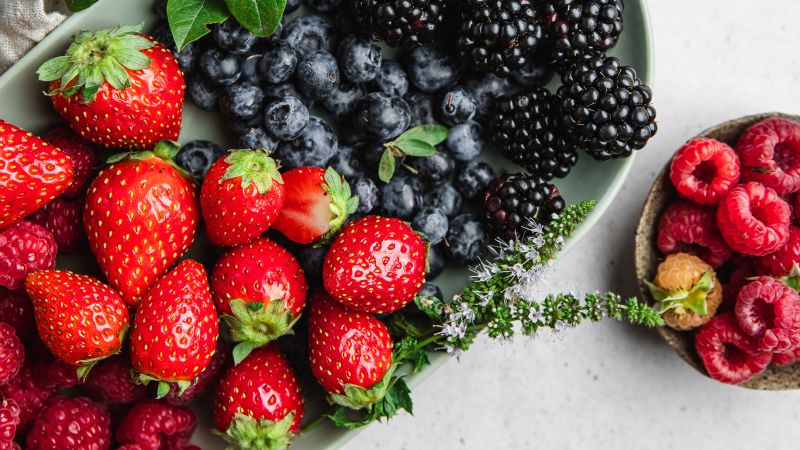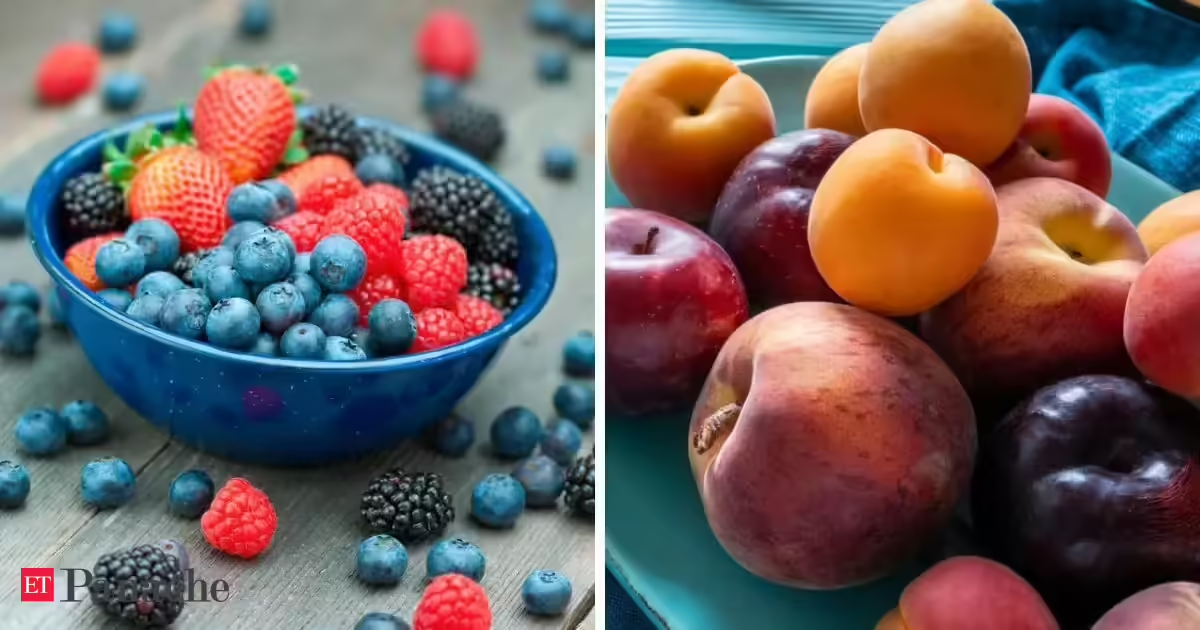
Summer is the season of colourful fruit bowls, and few things capture the essence of June better than fresh berries, peaches and plums. As the transition from spring to summer brings a wider variety of produce to markets, fruits such as strawberries, blueberries, raspberries, blackberries and peaches reach their peak in flavour and freshness. Choosing seasonal produce not only enhances taste but can also offer better nutritional value, as fruits are often harvested closer to ripeness. With greater availability and lower prices during peak season, these juicy favourites become an easy and delicious way to add more nutrients to everyday meals.However, before digging into a bowl of berries or biting into a ripe peach, it is important to consider what may be lingering on the fruit's surface. Like many commercially grown fruits, berries, peaches and plums can be exposed to pesticides during cultivation to protect crops from insects, weeds and disease. While these practices help ensure a stable food supply, traces of pesticide residue may remain even after harvesting and transportation. This makes proper cleaning an important step before consumption, helping reduce exposure to unwanted residues while allowing you to enjoy your favourite summer fruits with greater peace of mind.How to wash fresh summer fruits Rinse under cool running waterAccording to the U.S. Food and Drug Administration (FDA), most fresh fruits should be rinsed under running water before eating, cutting or peeling. For berries, gently place them in a colander and rinse briefly to avoid bruising. Peaches and plums can be rubbed lightly with clean hands while washing to help remove dirt and surface residue.Soak in a baking soda solutionResearch published by the American Chemical Society found that a baking soda solution can help reduce certain pesticide residues on the surface of fruits. Mix one teaspoon of baking soda in a large bowl of water and soak peaches and plums for 10 to 15 minutes. More delicate fruits such as strawberries, blueberries and blackberries can be soaked for a shorter period before being rinsed thoroughly.Use a diluted vinegar washA mixture of one part white vinegar and three parts water is a popular home remedy for cleaning produce. Soaking fruits for a few minutes may help remove dirt and some microbes from the surface. Afterwards, rinse thoroughly under running water to remove any lingering vinegar taste. This method works particularly well for berries, which tend to have many small crevices where debris can collect.Dry fruits before storingWashing is only part of the process. The U.S. Department of Agriculture (USDA) recommends drying fruits with a clean paper towel or cloth after rinsing. Excess moisture can encourage mould growth, especially in delicate berries. Allowing fruits to dry completely before refrigeration can help preserve freshness and extend shelf life.Wash only before eatingWhile it may be tempting to wash all fruits immediately after bringing them home, experts generally advise waiting until just before consumption. Premature washing can leave excess moisture on the fruit, speeding up spoilage. Storing berries, peaches and plums unwashed and then cleaning them right before eating helps maintain both freshness and quality.Health benefits of summer fruitsStrawberries: Bright, juicy and naturally sweet, strawberries do more than elevate desserts and smoothies. They are loaded with vitamin C, a nutrient that helps the body build collagen and maintain a strong immune system. Their vibrant red hue comes from plant compounds that may help combat inflammation and support long-term heart health.Blueberries: Often hailed as a superfood, blueberries punch well above their weight when it comes to nutrition. Their rich blue-purple colour signals the presence of powerful antioxidants that may help protect cells from damage. Regular consumption has also been linked to better cognitive function and improved metabolic health.Blackberries: Blackberries bring together flavour and nutrition in every bite. Along with providing key nutrients such as vitamins C and K, they are rich in compounds that help the body fight oxidative stress. Their antioxidant content has also attracted attention for its potential role in supporting healthy ageing and brain function.Raspberries: Looking for a fruit that supports digestive health? Raspberries are among the best sources of dietary fibre. This not only helps keep digestion on track but can also contribute to steadier blood sugar levels. They also contain a range of vitamins and beneficial plant compounds that support overall wellness.Peaches: Few fruits capture the taste of summer quite like peaches. Beyond their refreshing flavour, they provide nutrients that support healthy skin and immune function. Peaches also contain fibre and naturally occurring compounds that researchers believe may play a role in supporting metabolism and overall health.Plums: Plums may not receive as much attention as other summer fruits, but they have plenty to offer. Packed with antioxidants, vitamins and minerals, they help protect the body's cells from everyday wear and tear. Their unique combination of nutrients may also support healthy blood sugar management, making them a smart addition to a balanced diet.
How to remove pesticides naturally from your favourite summer fruits: Berries, peaches and plums
Summer's bounty of berries, peaches, and plums offers peak flavour and nutrition. While delicious, these fruits can carry pesticide residues. Experts advise rinsing under cool water, soaking in a baking soda solution, or using a diluted vinegar wash to ensure safety. Proper drying and washing just before consumption are key to enjoying these healthy treats.
811 words~4 min read