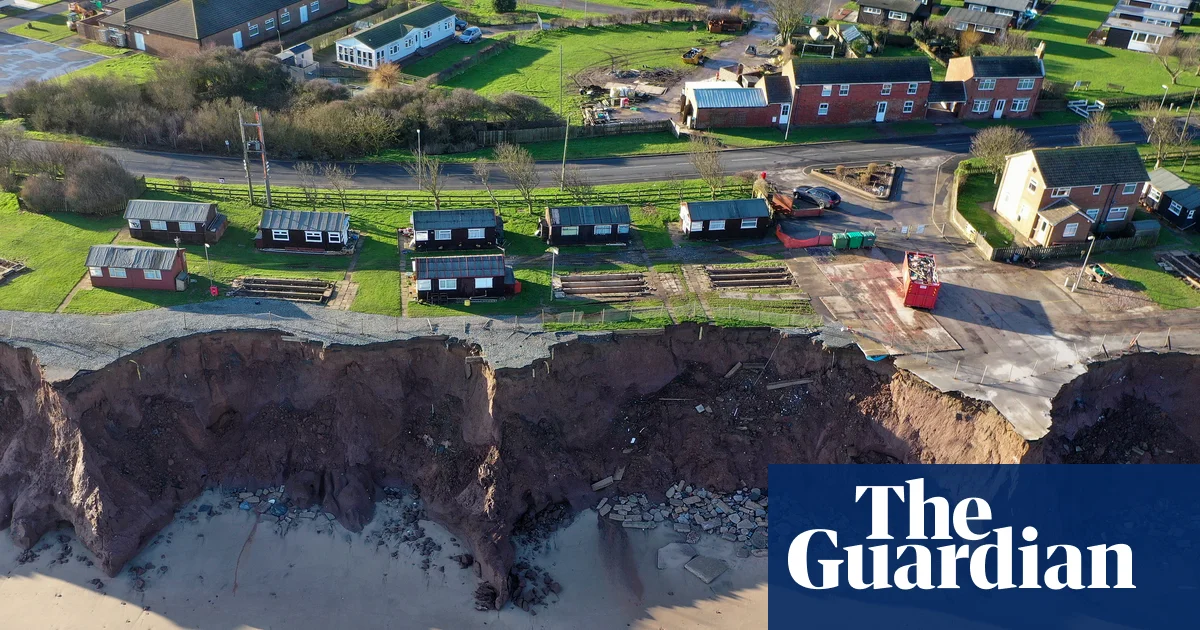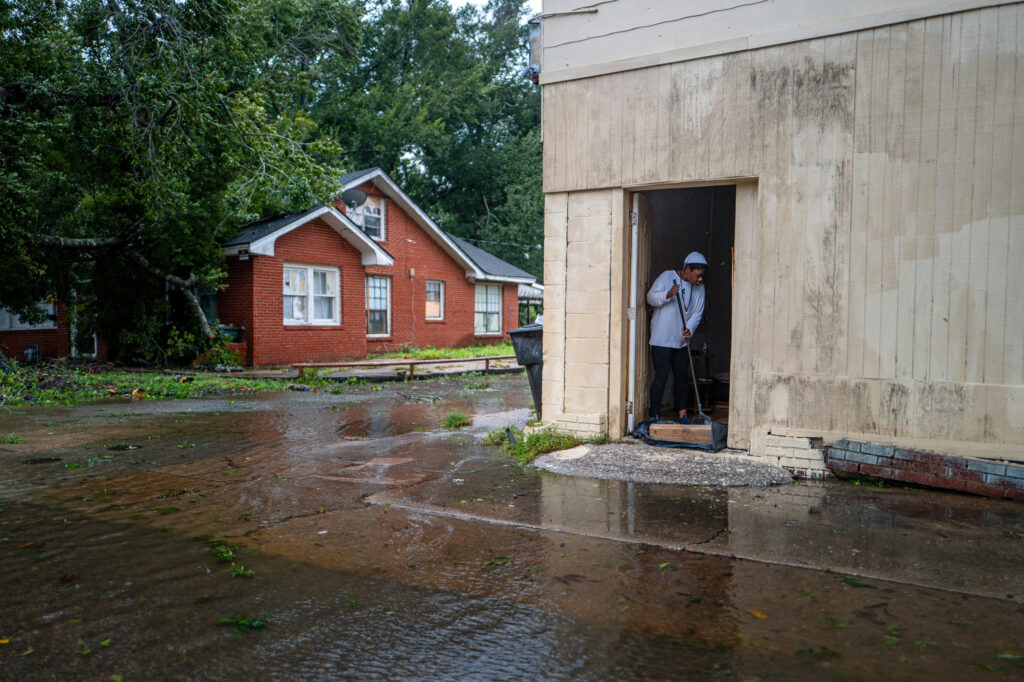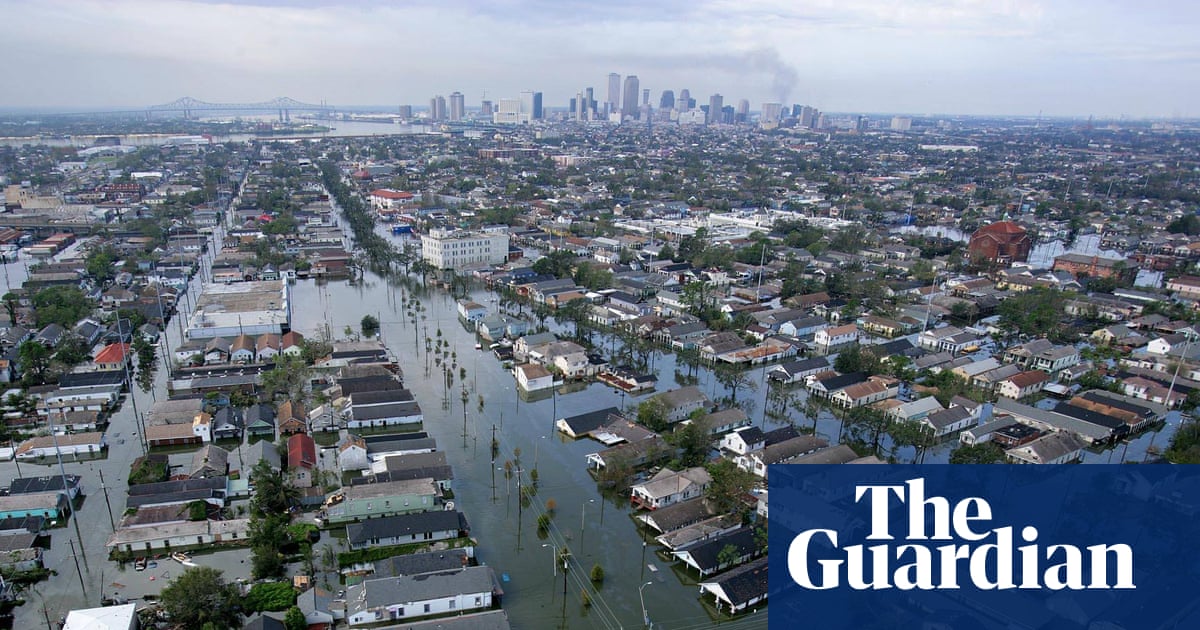
The Government must start preparing to relocate communities away from coasts that cannot be saved from erosion, repeat flooding and sea level rise, new research has concluded. A paper published by the Climate Change Advisory Council said law must be written now to provide for “managed retreat” from coastal lands and money set aside to fund the costs. “The issues of coastal erosion and landslides, and the need for managed retreat, is not only a concern for the distant future. It is an urgent crisis unfolding today,” it said. Almost 4,500 properties and 570km (354 miles) of road have been identified as being at risk of being lost to the sea over the next 25 years but that data comes from assessments by just eight local authorities. The report, written by Eugene Farrell of University of Galway for the council, said there were “significant Ireland-wide knowledge or non-reporting issues of current and future impacts of erosion on coastal properties and infrastructure”. A National Coastal Change Management Strategy published in 2023 made 15 recommendations for managing coastal land loss, including development of a policy on managed retreat. But the Department of Housing said yesterday managed retreat raised “complex social, legal, financial, planning and community issues”.“A decision on the viability of managed retreat as an option in Ireland has not yet been reached,” it said.Farrell said insufficient urgency was being shown.[ Ireland must prepare ‘evacuation’ plans for coastal areas as climate change intensifies, says expertOpens in new window ]“We’ve known of the risks for 30 years. At what point in time are we going to make a governmentwide approach to manage these risks?” he said.The report recommended that “natural hazard disclosures” become mandatory when properties are bought and sold so that buyers transact in full knowledge of the risks. “A lot of people did not know they were buying in risk areas. I find that hard to digest,” Farrell said. It also recommended a fund for relocation and rebuilding be created, possibly through regular homeowner contributions, levies on insurance policies or some form of joint local authorities’ fund invested to earn interest for future use. [ Why some of Ireland’s coastal communities may need to prepare for relocationOpens in new window ]Whichever method was chosen, Farrell said it was vital that it be well-managed and fairly applied. “Inland flooding is treated as a national problem and we respond with a responsibility to act but coastal erosion is treated as the individual homeowner’s problem, the farmer’s problem, the hotel owner’s problem. “The response is ad hoc. We need a plan and we need a mechanism to fund it,” he said.Since the National Coastal Change Management Strategy was published, several pieces of research have been commissioned by the Office of Public Works to assess the level of risk and timelines associated with it but they have not yet been completed. Meanwhile coastal erosion and loss of land and property is already happening, with homes lost in north Co Dublin and Co Wexford in the last few years and others in Co Cork and Co Louth identified as being in need of urgent protection. Around 40 per cent of Ireland’s population lives within 5km (3.1 miles) of the coast and about 40,000 within 100 metres of it, so the potential loss in a future of rising seas and stronger storms is immense. Large industries, large stretches of railway and many critical services are also concentrated in coastal areas. The report compiled by Farrell also examined coastal management and relocation policies in New Zealand, the UK, the US, Australia and Germany and found there were models that could work well in Ireland. It acknowledged that relocation is a “very sensitive” issue but says it must be planned for as hard sea defences are not environmentally or financially sustainable in the long term.
Irish coastal communities face erosion in ‘urgent crisis’ and need relocation, report says
Climate Change Advisory Council paper says preparations for land loss to sea needed now
636 words~3 min read