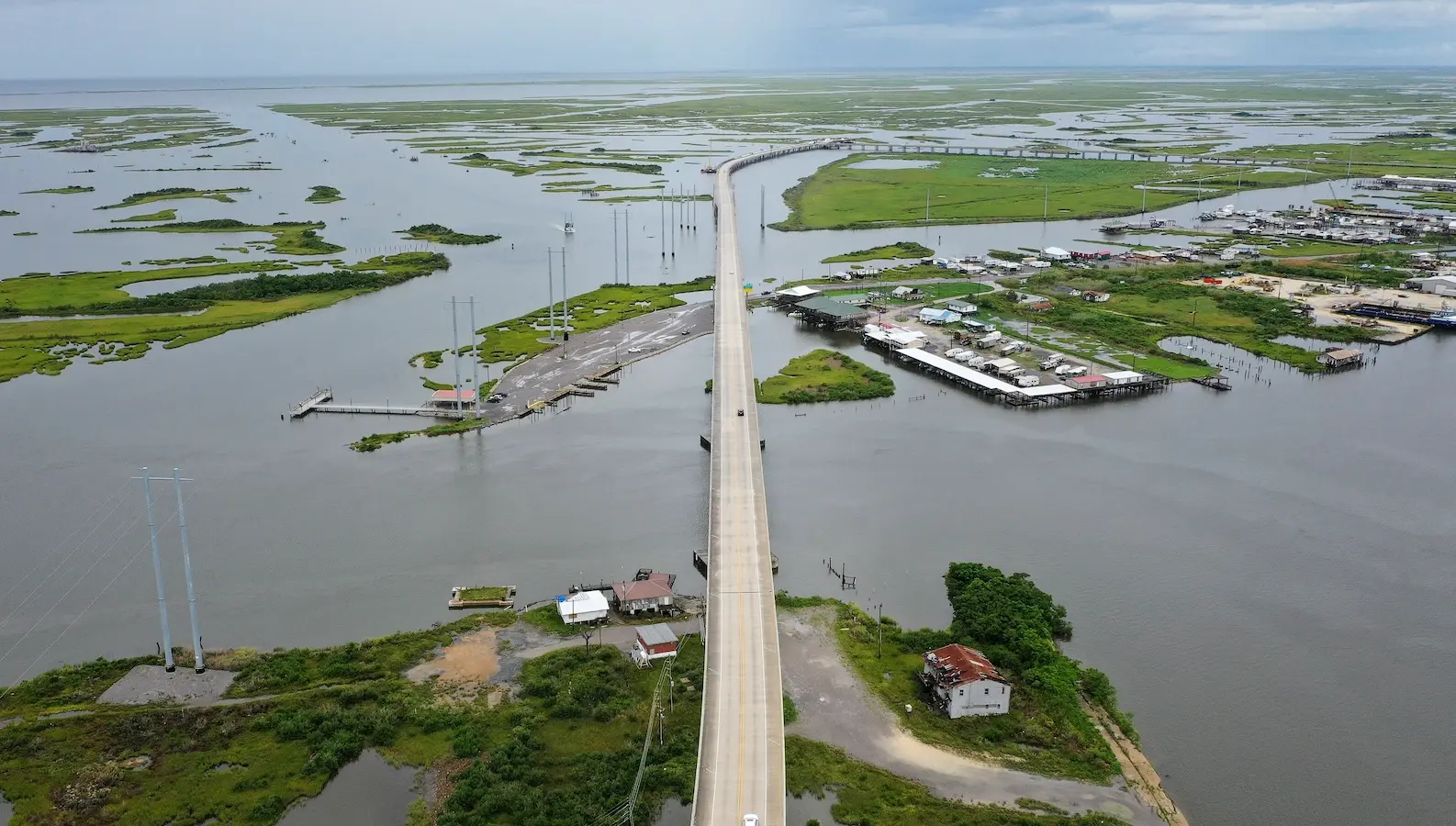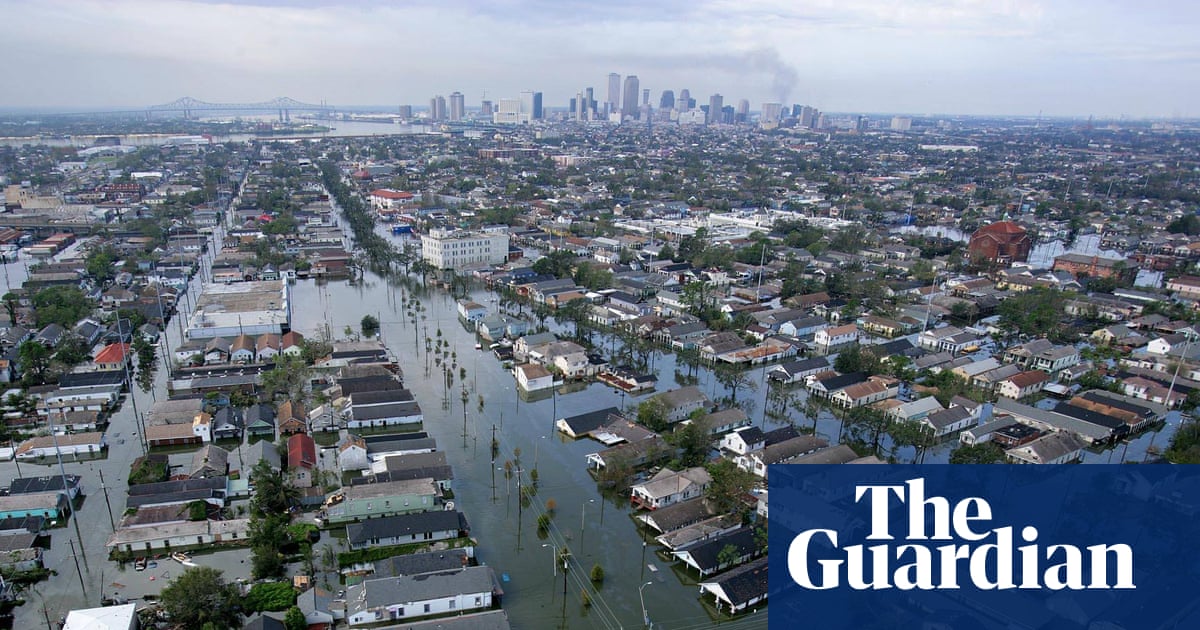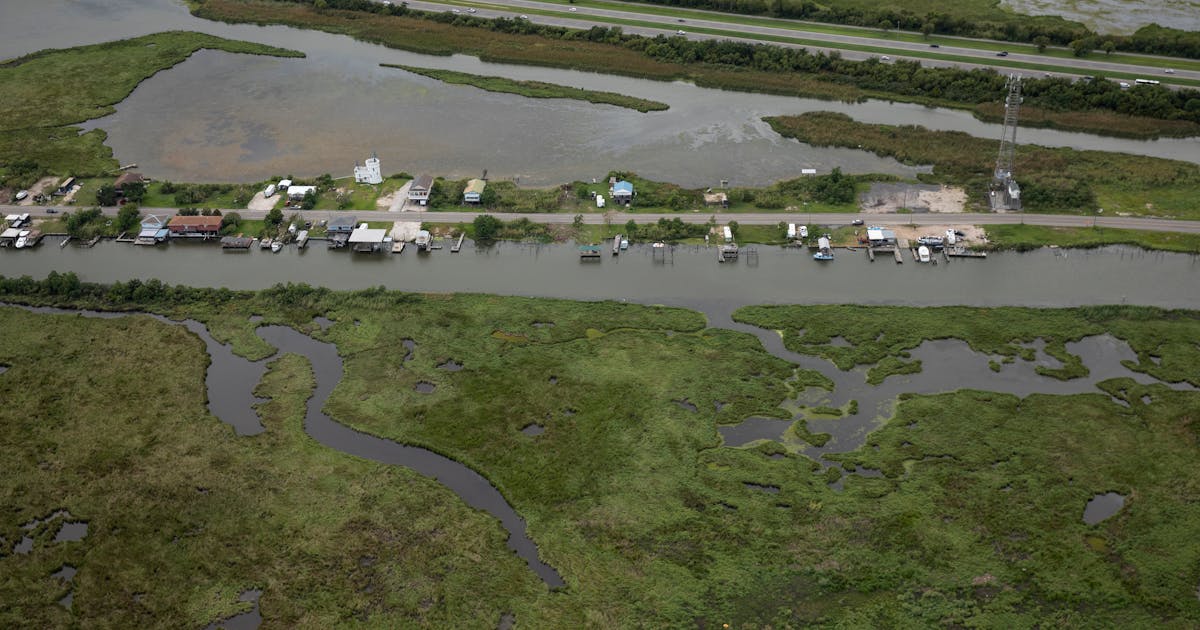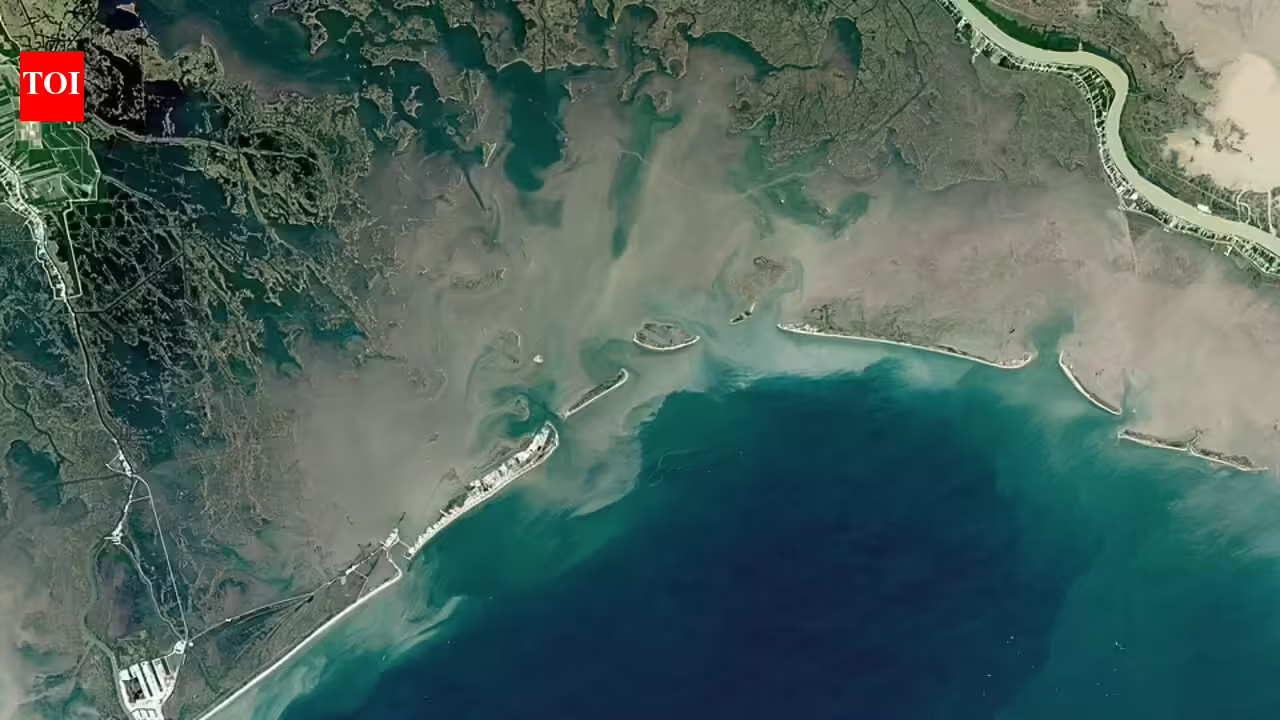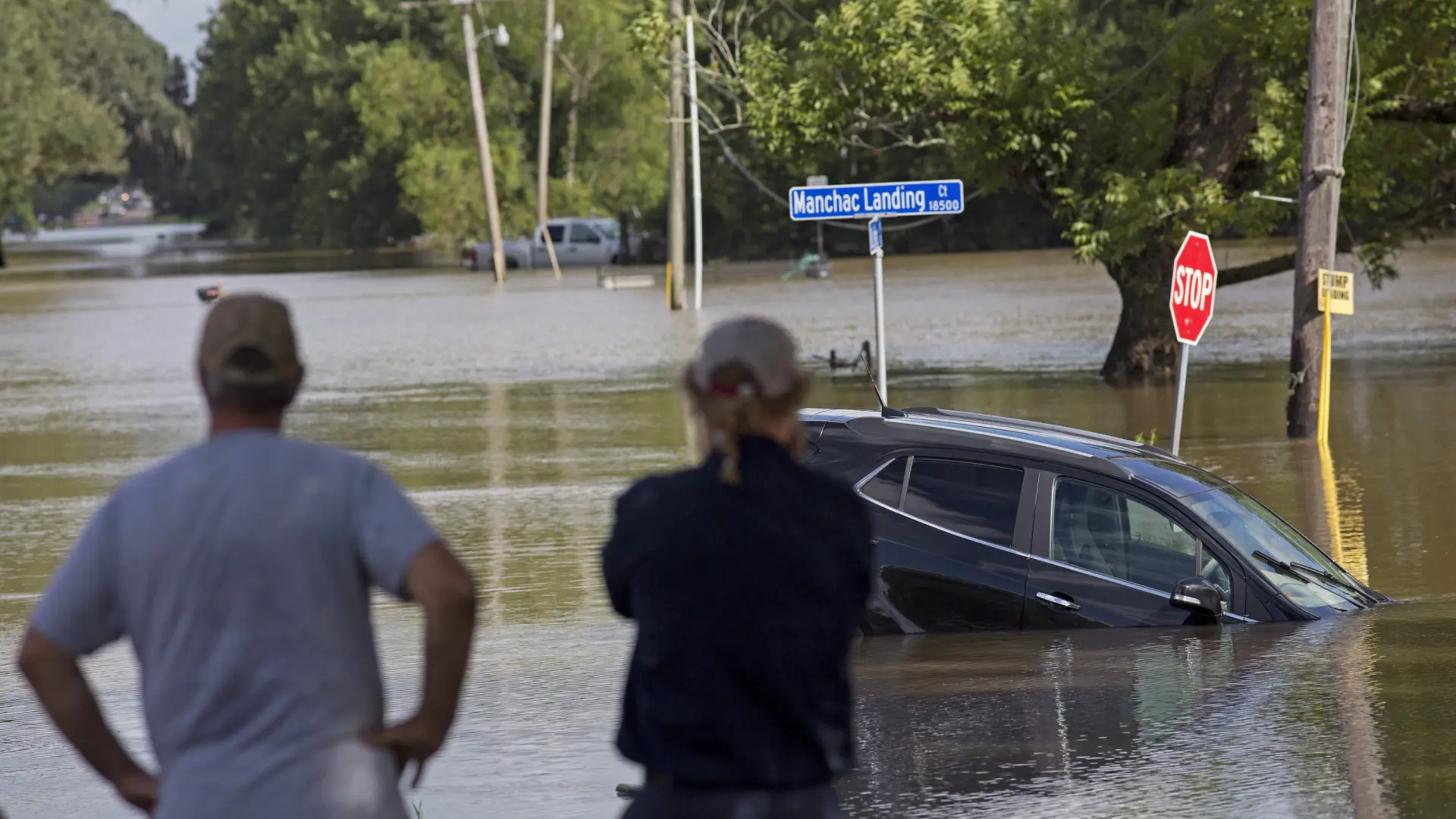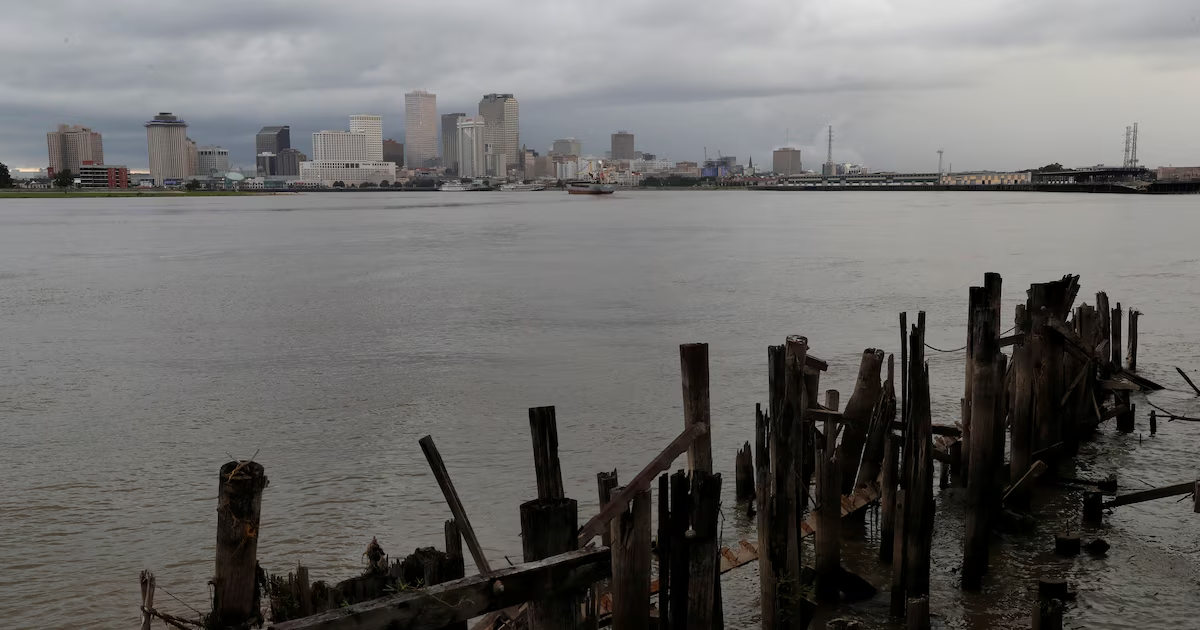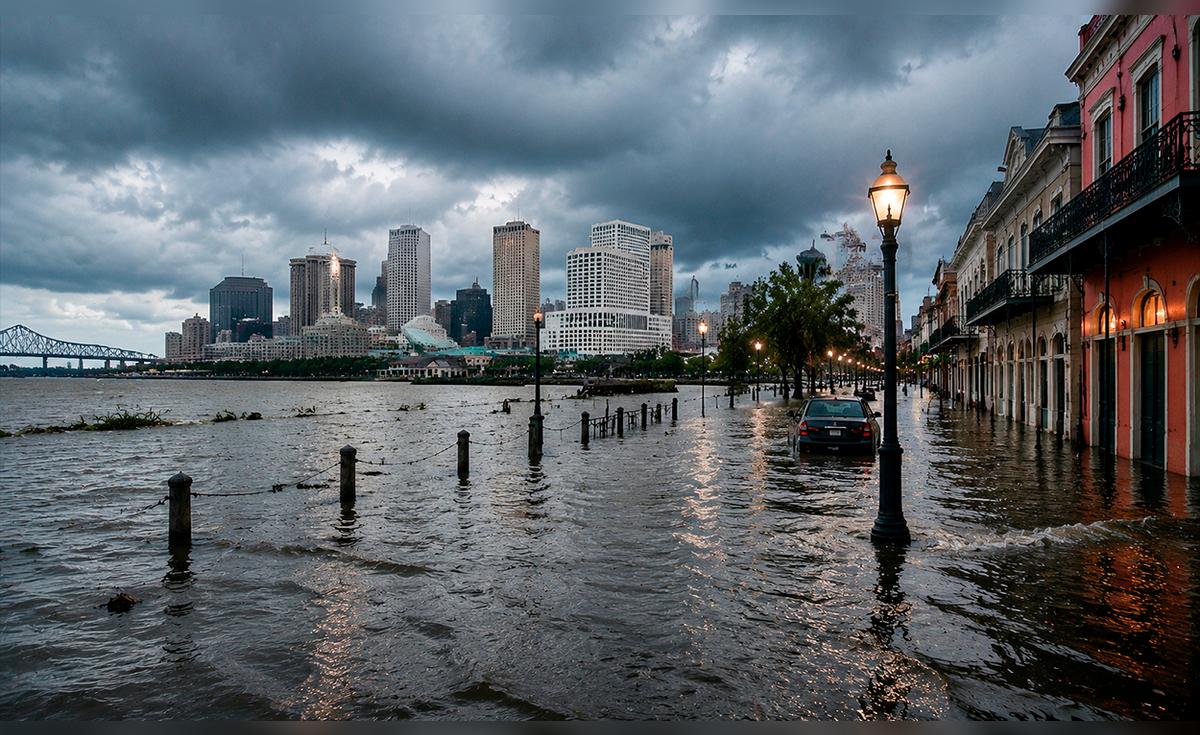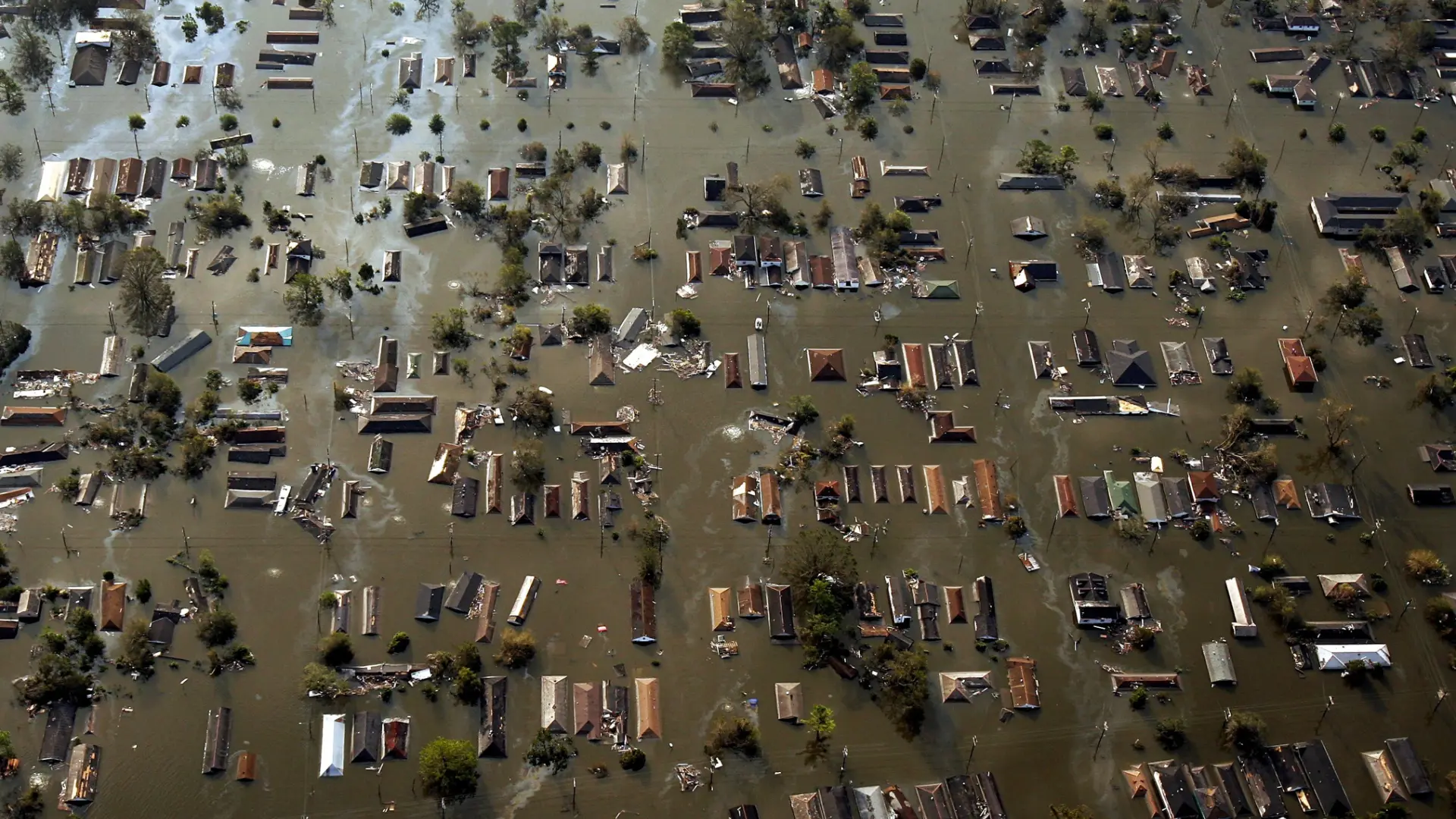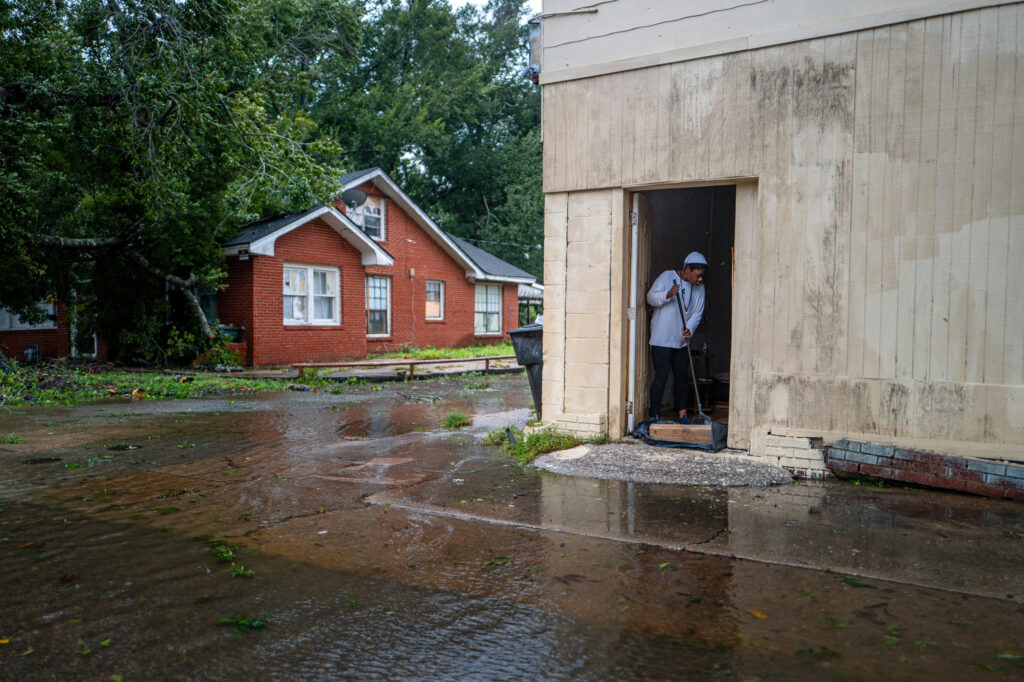
The shoreline of Louisiana has never been still or fixed, though recent generations have treated it as such.
Since the last ice age roughly 20,000 years ago, around when people arrived in what is now the United States, sea levels have repeatedly reshaped aspects of the Gulf Coast. But today, human-caused warming is accelerating that ancient process, pushing Louisiana’s dynamic shoreline into conflict with cities, roads, ports and levees built to contain and stabilize nature.
A new study in Nature Sustainability argues that this history is a guide to what comes next. Coastal Louisiana, the authors write, is ground zero for coastal climate adaptation: a place where rising seas and sinking land are already reshaping where people live, and where planning for movement could offer more agency than crisis-driven displacement.
“We have got to remember that when people first came to North America 20,000 years ago, there had already been a lot of climate change,” said Jesse Keenan, a co-author of the paper and professor of sustainable real estate and urban planning at Tulane University. “There’s been a lot of sea level rise in the region, and Indigenous populations have always moved with that shoreline.”