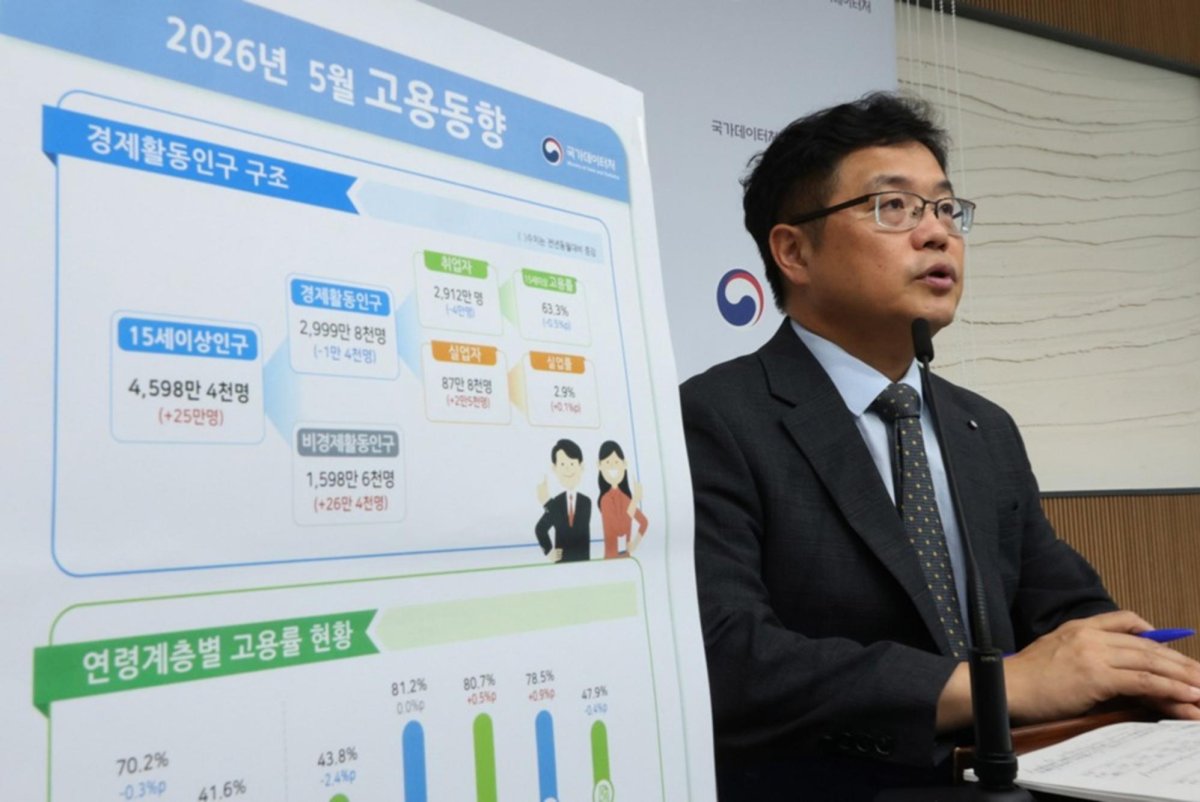
Though South Korea is notorious for its long working hours, a new trend is emerging in the opposite direction — the number of workers working very short hours is growing rapidly. From 2012–24, the share of marginal part-time workers outside the public sector — those contracted for fewer than 15 hours per week — rose from 3.7 per cent to 8.5 per cent.
These workers are systematically excluded from South Korea’s basic worker protection schemes, including the weekly holiday allowance, paid annual leave, national health insurance, employment insurance, the national pension and severance pay. Their growing numbers mean that more workers are being left behind.
One explanation for this growth is in institutional design. Workers below the 15-hour threshold are exempt from these schemes, making them up to 40 per cent cheaper to employ. This structure creates strong incentives for employers to keep workers just below the cut-off. Contracts specifying 14 hours, 14 hours and 30 minutes and even 14 hours and 55 minutes per week have all been documented.
But while intuitive, this explanation has an important limitation. The cost discontinuity at the 15-hour threshold has existed in South Korea since at least the late 1990s, yet the rapid growth in marginal part-time work began more than a decade later.