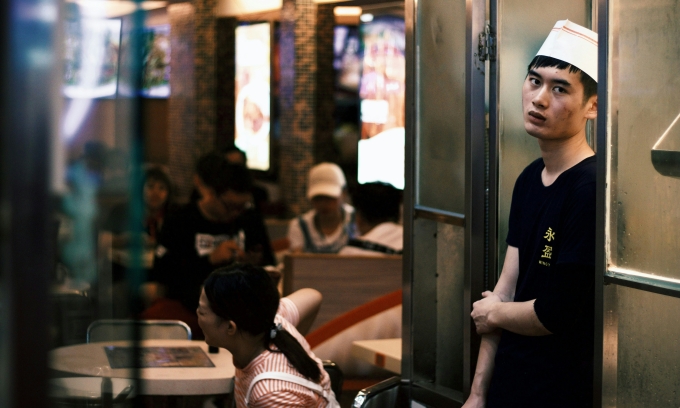
The MRTC study, published May 11, found that 71.1% of international student part-time workers were employed in the food and accommodation sector, rising to 81.6% among undergraduates aged 19 to 24. The proportion exceeds 80% in Gwangju, Incheon, Busan, and the South Chungcheong and Gyeonggi provinces.
The pattern reflects what students prioritize when choosing work. The most important factor, cited by 54.4% of respondents, was working hours compatible with their studies, followed by wages at 24.8%. Only 2.4% said they consider alignment with their field of study or desired career path a sign, the report said, showing that these jobs are not functioning as stepping stones toward students' future careers.
The study's most striking finding may be the structural pull toward cash work. The MRTC found that 41.9% of international student workers are employed without formally reporting their jobs to authorities, relying on verbal agreements and cash payments, arrangements commonly described as "shadow" labor.
The trade-off, the MRTC noted, is that students paid in cash become reluctant to report unpaid wages or other labor violations because doing so would expose the informal arrangement. Students surveyed cited language barriers, discrimination, and the physical demands of manual labor as their main challenges, with job searches largely relying on personal networks, online platforms, and international student communities.