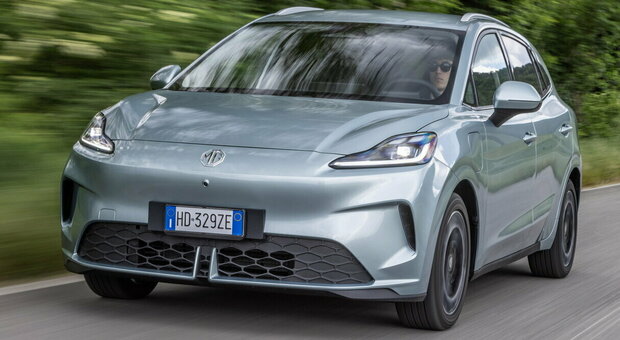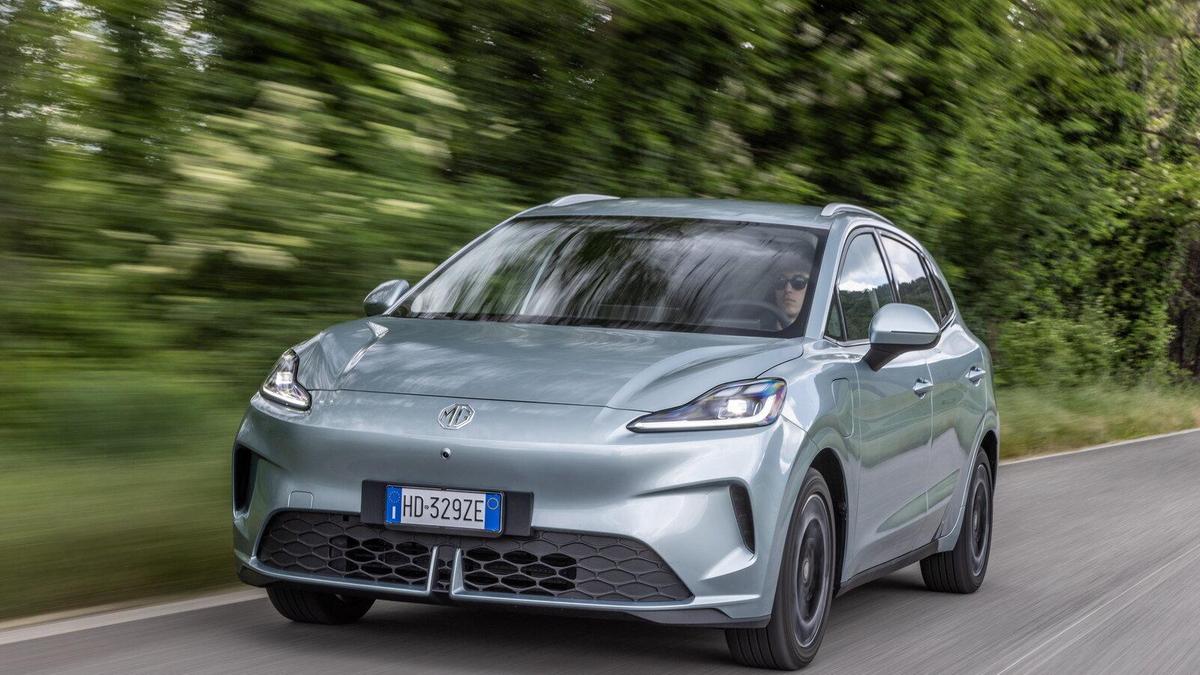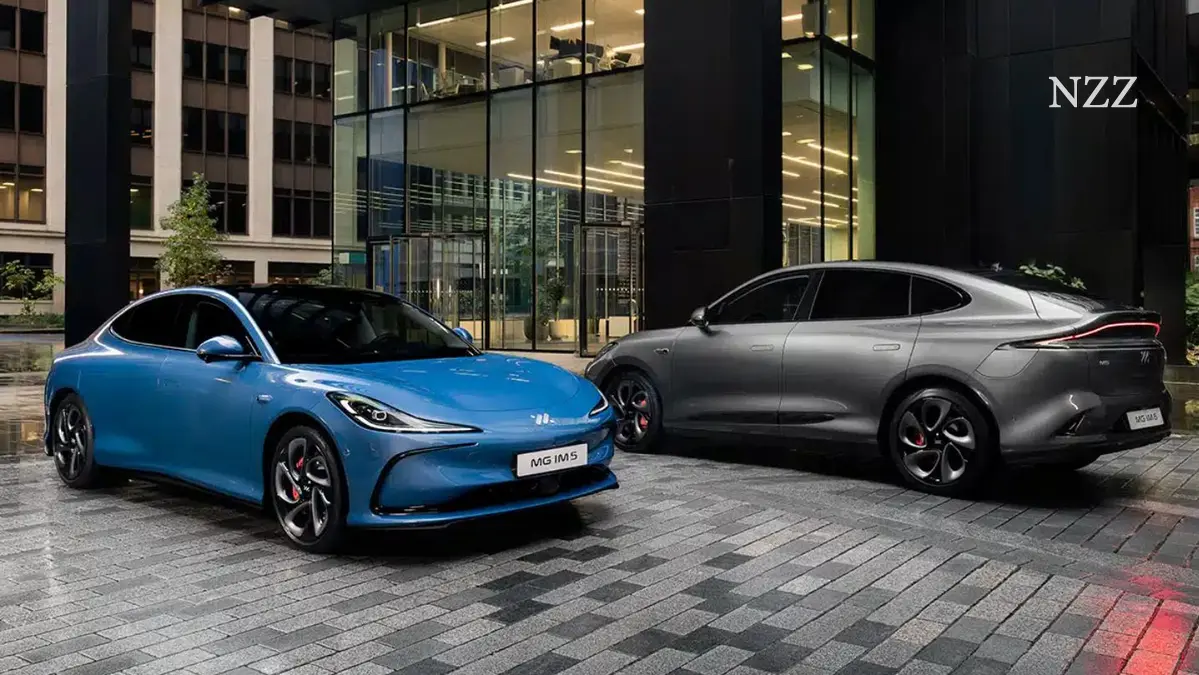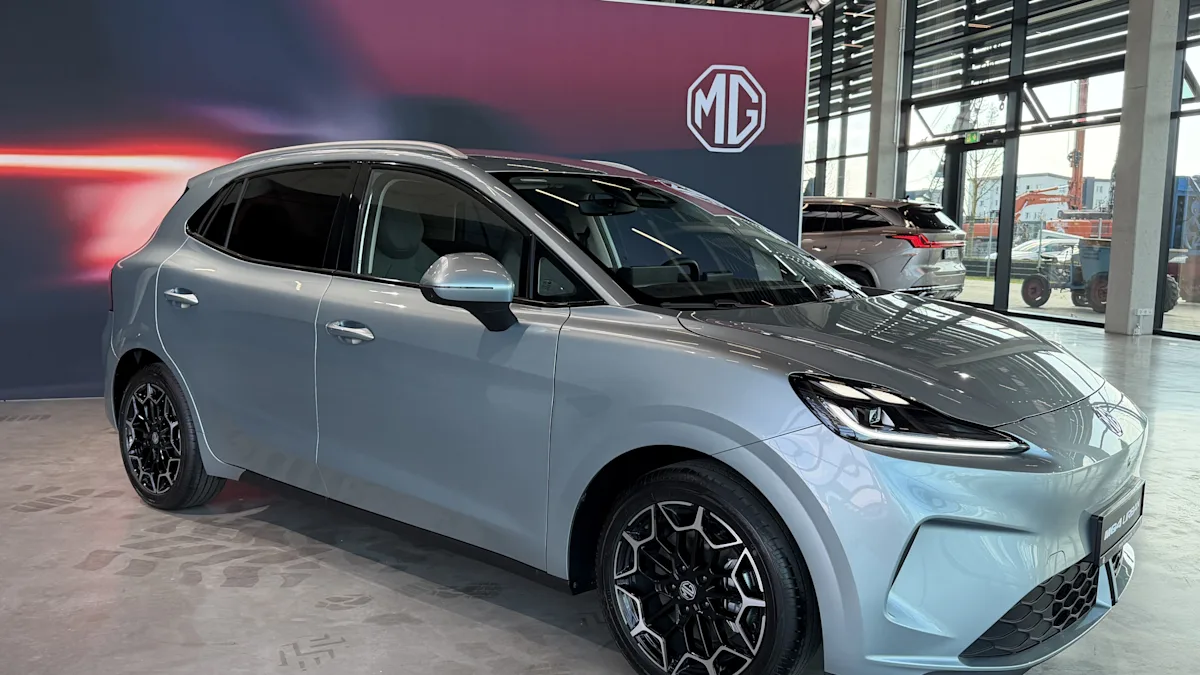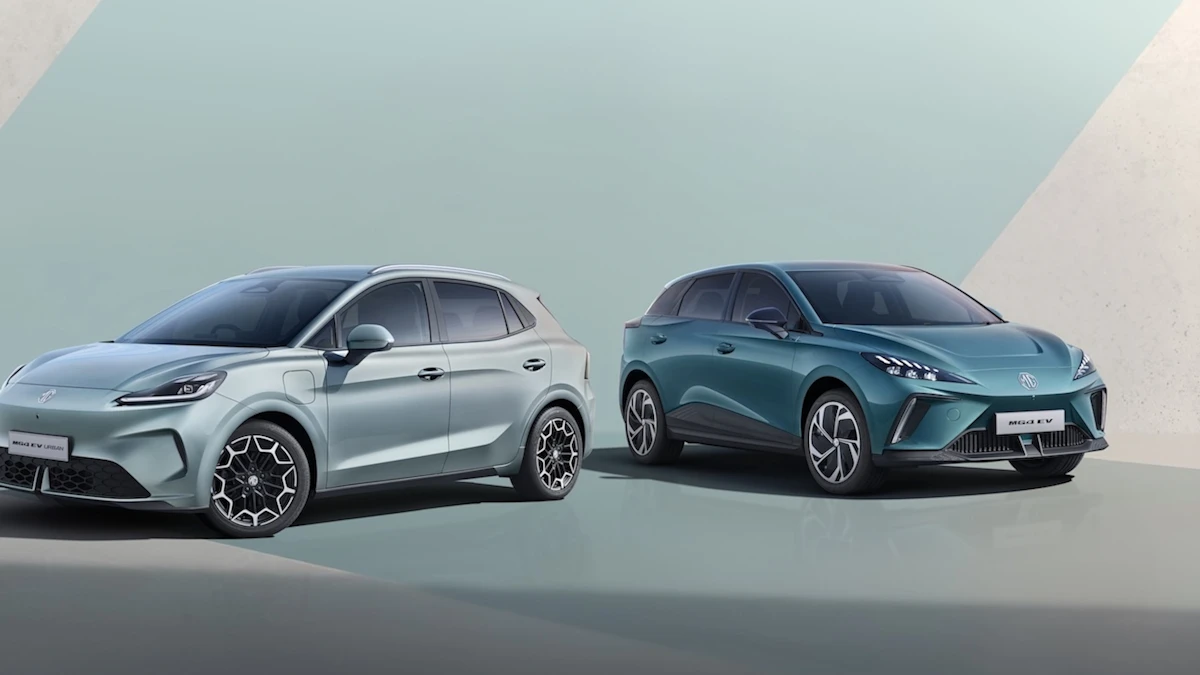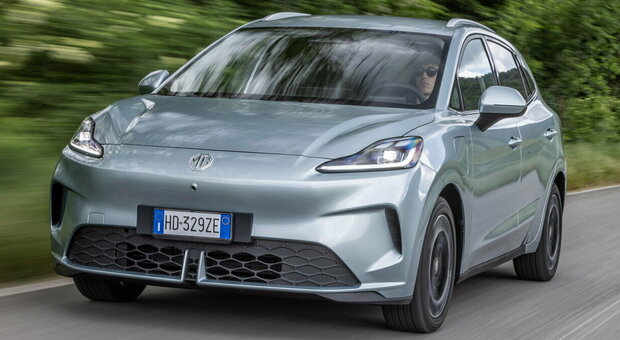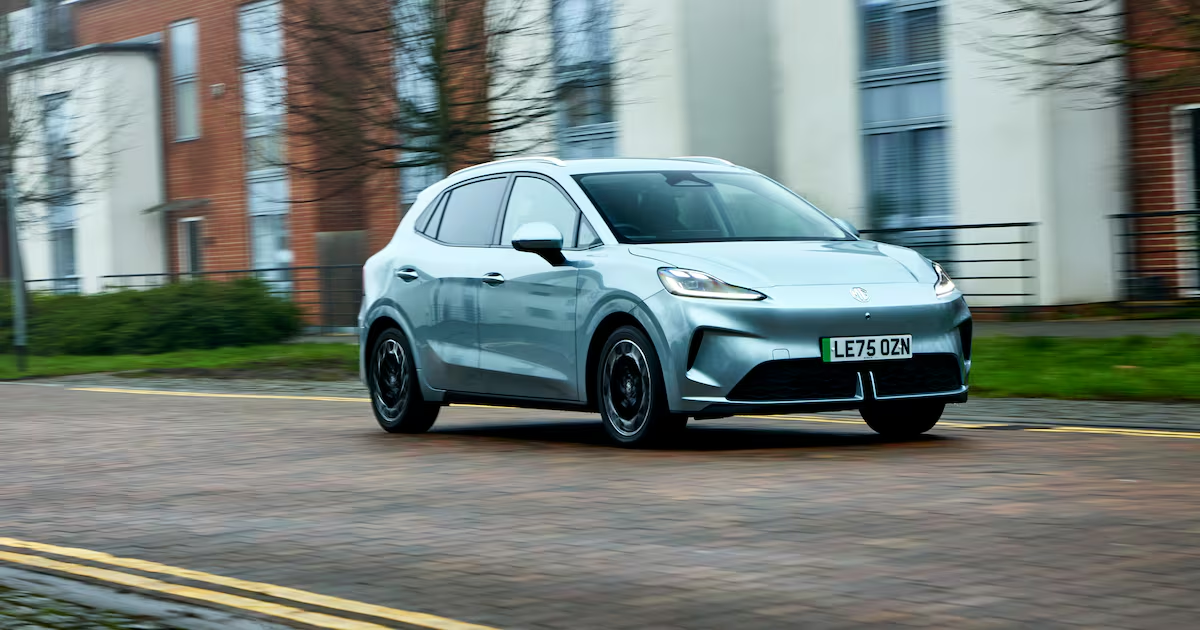
It used to be so easy to work out how a car-maker’s line-up of disparate models fit together.Sorry to come over all Old Man Yells At Cloud, but this will make sense in a minute. You see, not so long ago, a car-maker would make a small city-style car (a Ford Ka); a slightly larger, but still small, hatchback (Fiesta, Polo, Clio); then a family hatchback (Focus, Golf, Corolla). There would also be a medium saloon (Mondeo, Passat, Avensis); then maybe a chunky SUV (RAV4, Mazda CX-5); and finally some sort of range-topper that might be a sports car (Ford Cougar, Renault Laguna Coupe). Everything was in its place, and we all understood it. Now? Chaos. Confusion. Niche-ification. Car-makers make everything, in every size, almost all of them SUVs. Convertibles are (almost) dead. So too (almost) are coupes. Badges, which used to tell you how big the engine was, and how fancy the seat upholstery (L, LX, GLX, Ghia ...) now confuse and obfuscate. Now, here comes MG to further muddy these already opaque waters. It’s launching a new compact electric hatchback, one that comes with a temptingly low €22,995 price tag. However, here’s where the confusion kicks in. Since 2023, MG has sold an impressive, successful electric hatchback model called the MG4 EV. So it has named this new model the MG4 Urban. Which you’d think would make sense – it’s the smaller, cheaper brother to the MG4. MG4 Urban: From the outside, it’s relatively quietly styled and lacks distinction Except it’s not. The 4 Urban is actually 110mm longer than the MG4, and it has a whopper of a 577-litre boot. That’s not merely way, way bigger than the boot of the MG4, that’s actually more luggage-carrying capacity than a BMW iX3 or Audi Q5, both of which are far bigger and cost many multiples of the MG’s price. That’s a big enough boot to appeal to country types, let alone MG’s putative urban audience.So now my mind is properly blown. Not smaller, but cheaper. How does that work?Maybe I just need to put that to one side and actually get on with the job of reviewing the MG4 Urban. From the outside, it’s relatively quietly styled. It lacks the Lamborghini-style beaky nose of the MG4, going for a more friendly, rounder shape but sadly one that lacks a bit of distinction. MG4 Urban: Plenty of boot appeal The brake lights are quite stylish, aping the look of the slinky, sexy MG Cyberster sports car, but there’s a definite tang of the Union Flag brake lights of the old Mini hatch about them, which may not go down so well in some quarters. Inside, there’s the usual pair of big digital screens that pretty much every MG shares. The central touchscreen remains a fiddly, annoying thing to use, with poor responsiveness, but thankfully MG has worked out that physical buttons are helpful and so there’s a useful bank of those just below the screen for controlling cabin temperature, fan speed and stereo volume. Nice. MG4 Urban: The central touchscreen offers poor responsiveness, but MG has added a bank of physical buttons just below the screen Overall quality is fine, even though you won’t have to look far to find some cheap plastics (the column stalks are exceptionally cheap-feeling) – but then that’s true too of any small(ish) hatchback.Speaking of small, the MG4 Urban isn’t. There’s copious headroom and legroom in the back seats, and then we come to that enormous 577-litre boot – 98 litres of that is made up of underfloor storage, which is a great place to stash your charging cables. There’s no ‘frunk’, but when you have this much space, who cares?Up front, the seats are perfectly comfortable, and there’s plenty of storage, plus the now de rigueur suedette wireless phone charging pad. This definitely doesn’t feel like a €22,000 car when you sit in it. [ Proposed car scrappage scheme is not policy, it’s a canny PR moveOpens in new window ]Thankfully, it also doesn’t feel like a €22,000 car to drive. You can choose from a smaller battery – a 42.8kWh lithium-iron phosphate battery, with a range of up to 325km – that comes with a 149hp electric motor driving the front wheels (the existing MG4, which stays in production and is getting a big interior update, is rear-wheel drive), or you can have a bigger battery 53.9kWh LFP, with a 160hp electric motor, and a range of up to 416km. Peak charging speed – just 87kW – isn’t great, but most will charge mainly at home so it’s probably not a huge issue. Performance isn’t in the hot-hatch league – just under 10 seconds 0-100km/h for either variant – but thanks to 250Nm of torque, the MG4 Urban feels suitably brisk at low-to-medium speeds, and it’s very refined for such a small, cheap car. Its ride comfort is noticeably good. As ever, an EV needs stiff suspension to control the substantial weight of its battery, but the 4 Urban’s dampers do a good job of rounding off any impacts from bumps and pot holes, so while the ride is firm, it’s never jarring, even on some of Kildare’s lumpiest back roads. The steering is a touch too rubbery for any serious level of driver engagement, but at this price level you really can’t expect too much of that kind of carry on. The 4 Urban does do a decent job of feeling agile at low speeds, and sure-footed as the speeds rise, which is really all you can ask for. The useable range holds up too. You should easily crack 280km in daily driving in the short-range model, and on a lengthy test route our indicated energy consumption never exceeded 13kWh/100km, which is excellent. Cheap then, but also entirely cheerful. MG’s case for offering maximal motoring at a minimal price might be somewhat undone by the imminent arrival of the new VW ID Polo (fully €3,000 cheaper in its basic form, but apparently that is properly basic and stripped-out, whereas the MG is quite well equipped as standard), but for now it offers exceptional value for money. Confusing? Yes, a little, but who cares for clarity when the overall performance is this good?
MG’s new electric 4 Urban makes sense even if you live down the country
MG’s cheapest EV is actually bigger than the existing MG4
1,041 words~5 min read