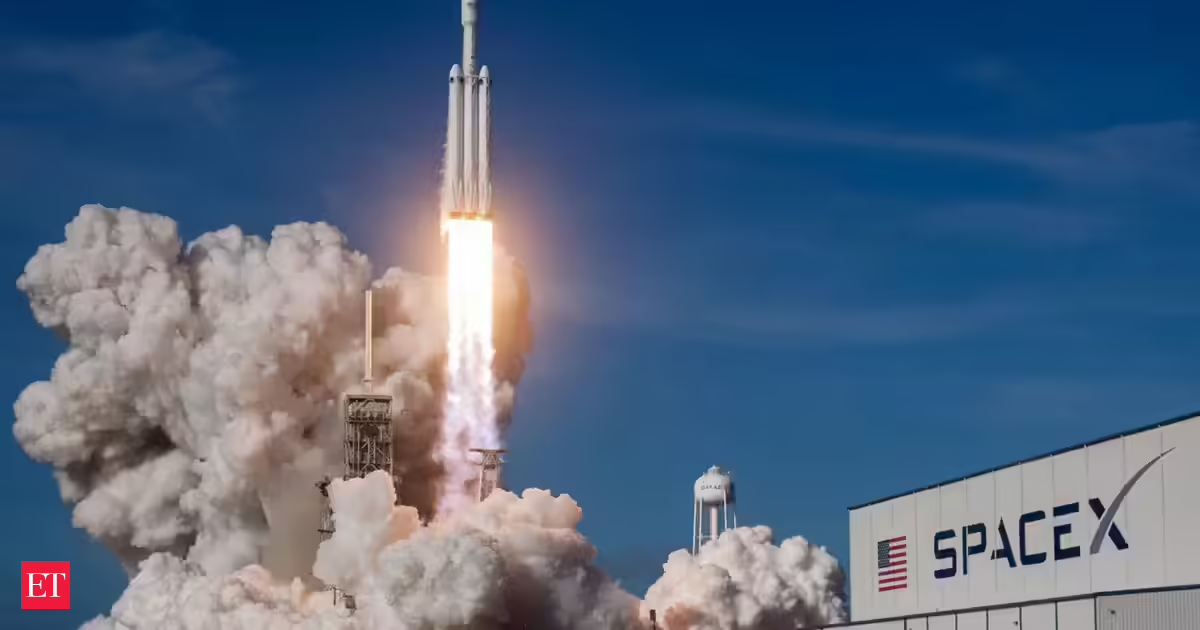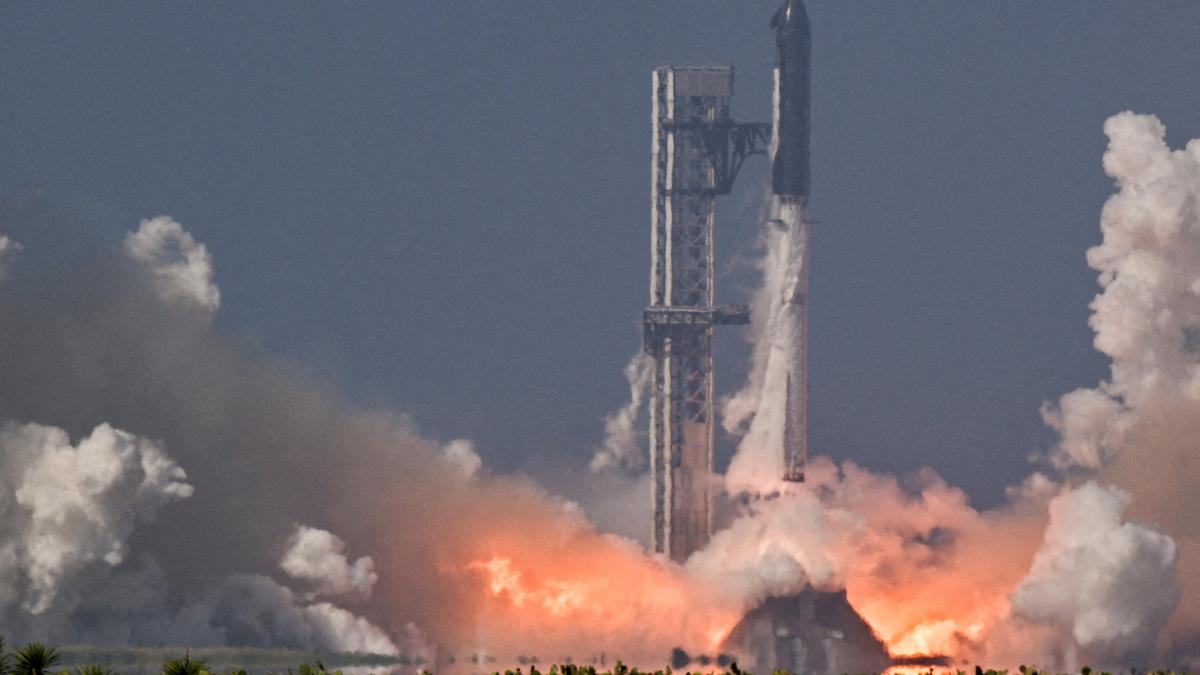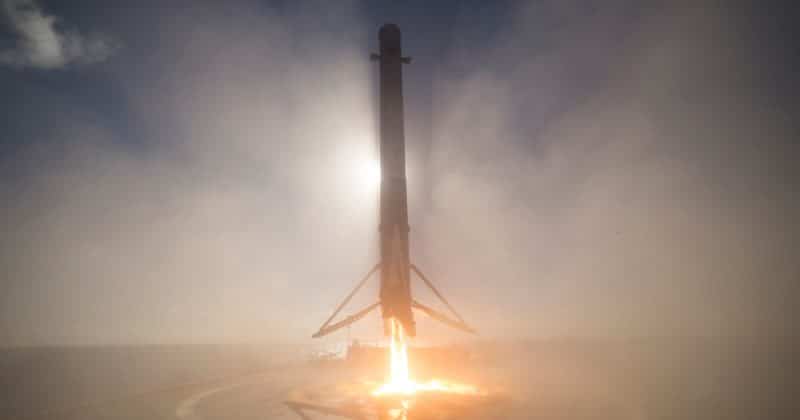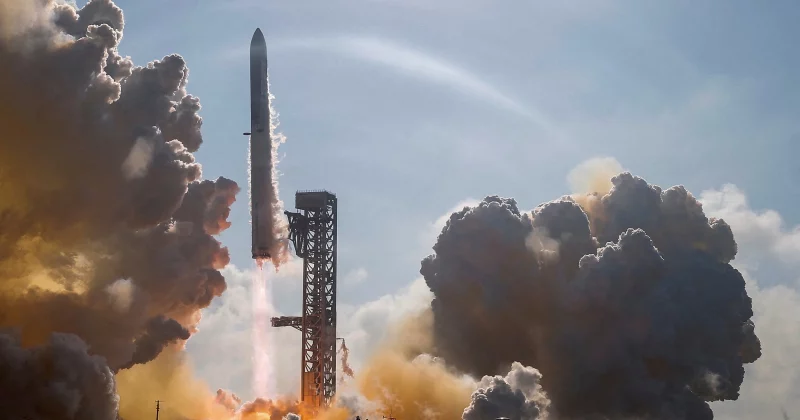
SpaceX is preparing to go public in what could become one of the largest IPOs in history, targeting a valuation between $1.75 trillion and $2 trillion. But the real story isn’t the size of the offering. It’s the mechanics of what happens after.
With a public float estimated at just 3% to 4% of total shares and passive index funds projected to scoop up roughly 30% of that float within 15 trading days, SpaceX’s debut could trigger a feedback loop where automated buying pushes prices higher, which triggers more automated buying.
The setup: a very thin float meets very large buyers
SpaceX is targeting a Nasdaq listing around June 12, 2026, under the ticker SPCX, with pricing expected the day before at $135 per share. The company filed confidentially with the SEC on April 1, 2026, and released its public S-1 prospectus on May 20.
The IPO aims to raise between $50 billion and $75 billion. The public float will represent only 3% to 4% of total outstanding shares. Founder shares carry a 366-day lock-up period, and major investors face similar restrictions.