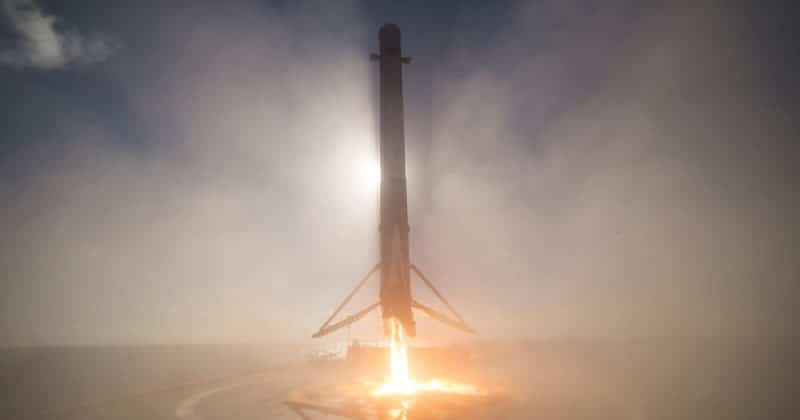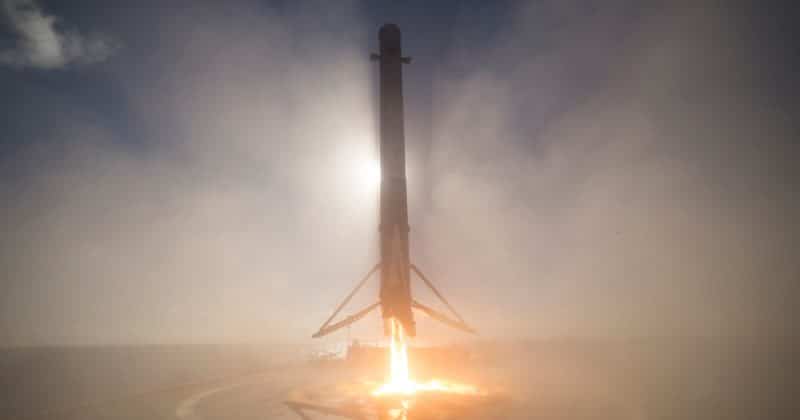
SpaceX just pulled off the largest IPO in history, raising $75 billion at $135 per share and landing a $1.77 trillion valuation on day one. Shares closed around $161, roughly 19% above the offering price.
The float problem is a math problem
SpaceX’s public float sits at an estimated 3-4% of total shares outstanding. Analysts estimate that index funds and ETFs could need to purchase up to roughly 30% of the available float in a compressed timeframe.
Nasdaq reportedly modified its criteria to allow for faster index inclusion of SpaceX. The S&P maintained more stringent requirements, which delays the forced buying timeline for funds tracking that benchmark.
Bitcoin on the balance sheet changes the earnings game