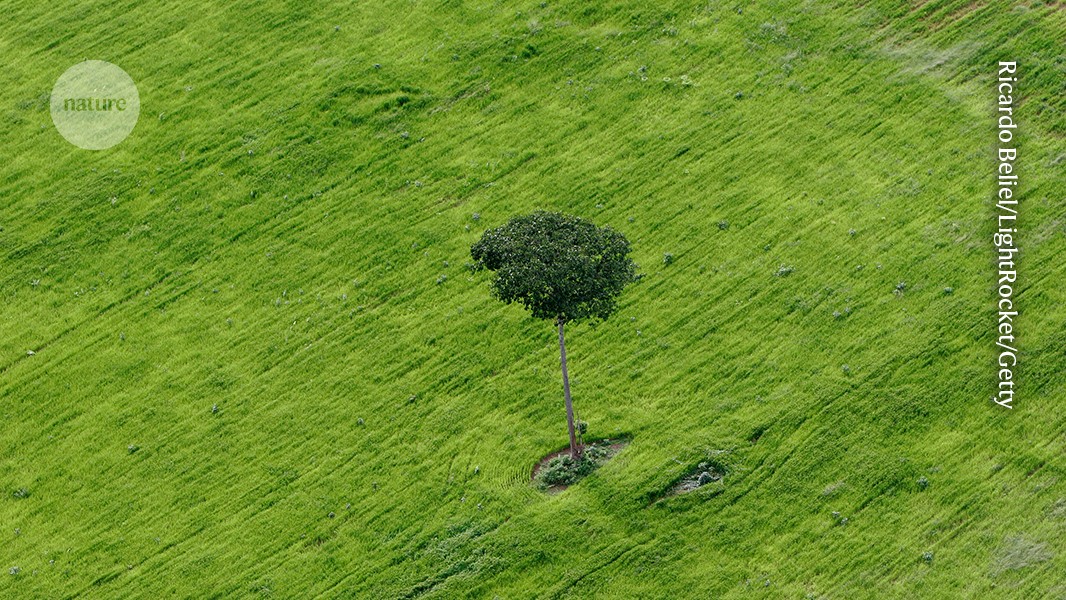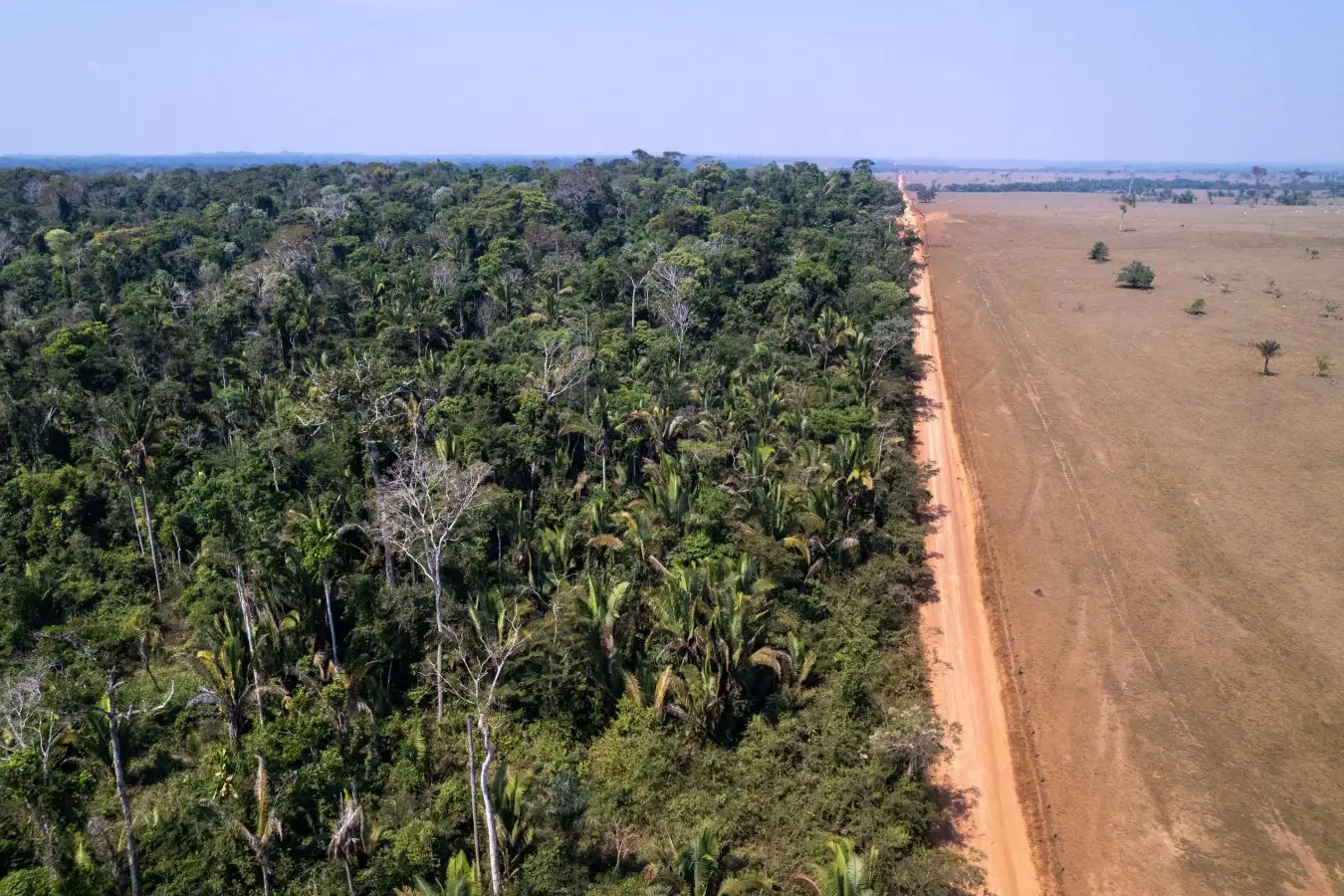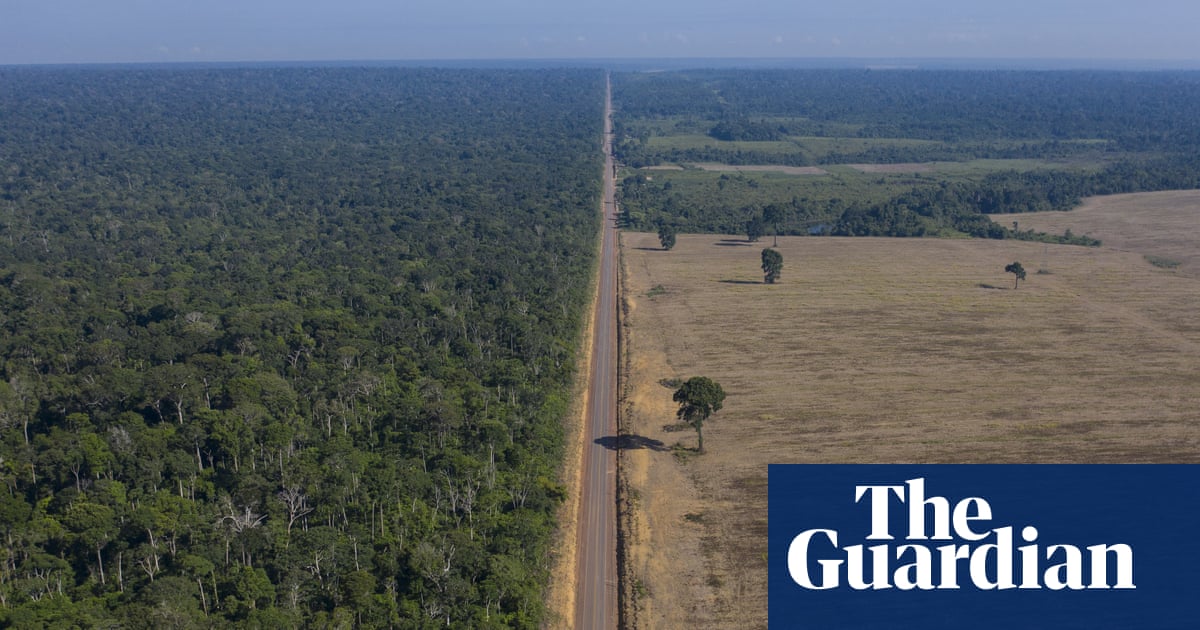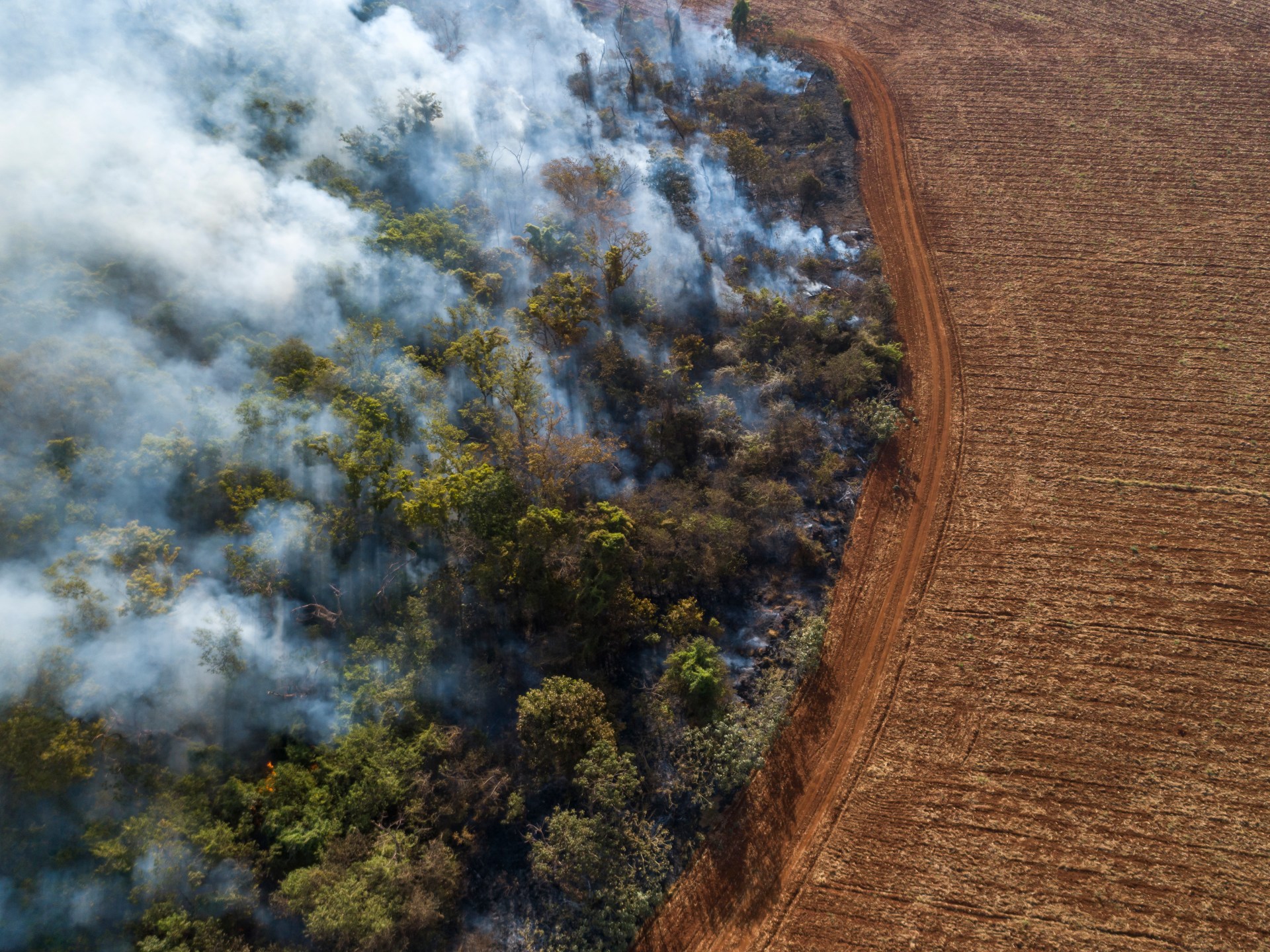
The world's tropical rainforests are edging towards collapse. But knowing how to stop deforestation isn't enough to drive action. The challenge is aligning all the pieces of the puzzle to initiate substantial change. Now our research suggests the key is to persuade enough people to make the system tip in the right direction.
In the mid-1980s, the British fur industry collapsed in less than a decade. Famous retail stores shut down their fur departments. Fur farming was banned in 2000. By the late 2010s, even fashion houses whose heritage was built on the fur trade had gone fur free, citing consumer sentiment.
This abrupt change didn't come because of new technology or better regulation. It came because of a shift in social norms, triggered by British fashion photographer David Bailey's Dumb Animals cinema ad campaign. This short film featured a catwalk model trailing a fur dripping with blood and a slogan: "It takes up to 40 dumb animals to make a fur coat. But only one to wear it." Once desirable and luxurious, fur coats quickly became taboo.
Unfortunately, a similar shift has not yet happened in how people consider tropical forest destruction.
To slow deforestation, scientists can map and monitor forests from space to the resolution of a single tree. Certification schemes have made supply chains more transparent and given consumers and regulators something to act on. Securing Indigenous land tenure produces the lowest deforestation rates on the planet.