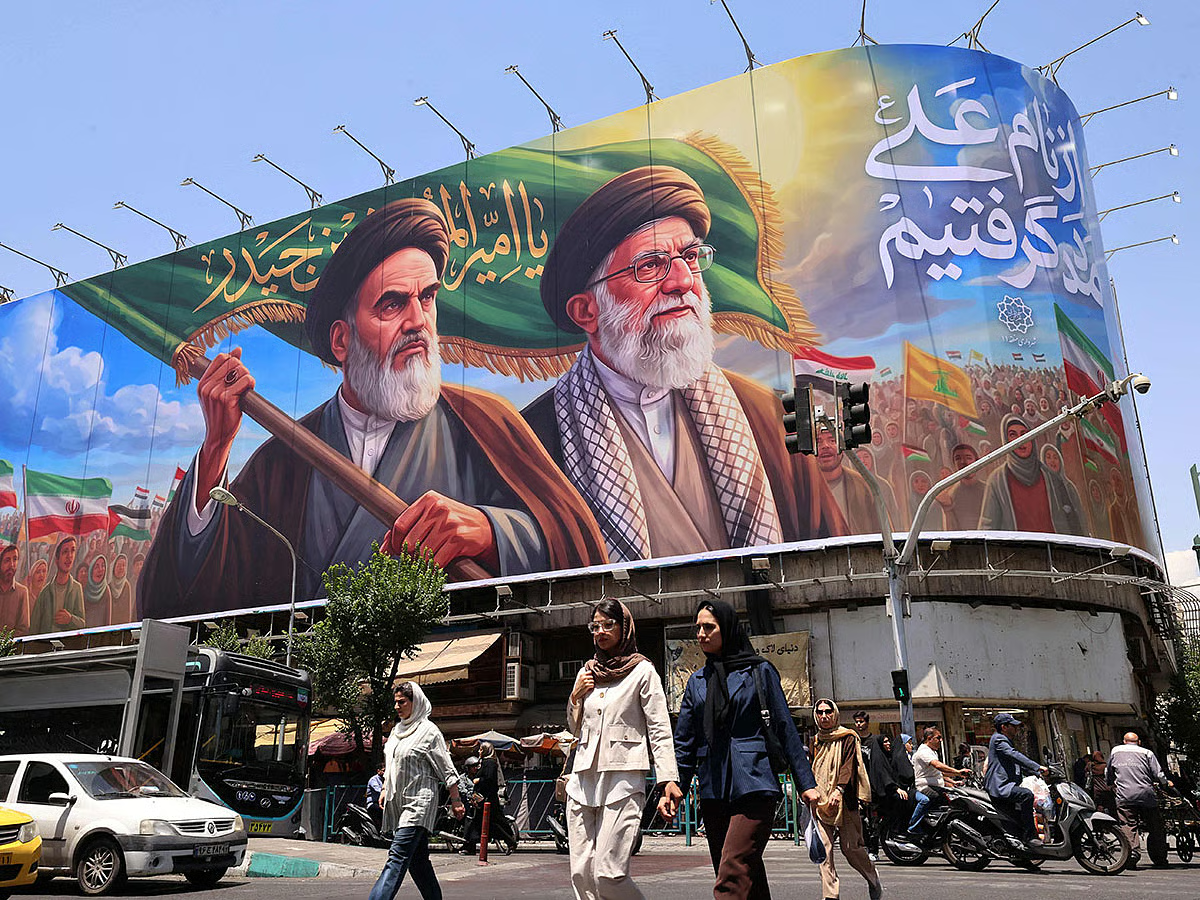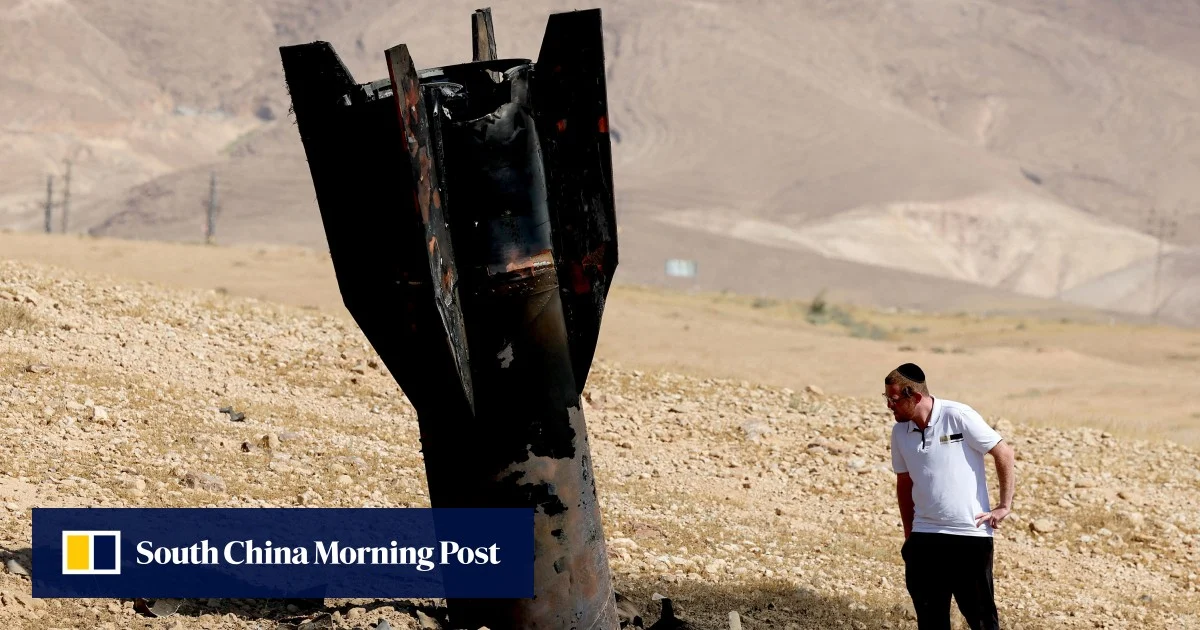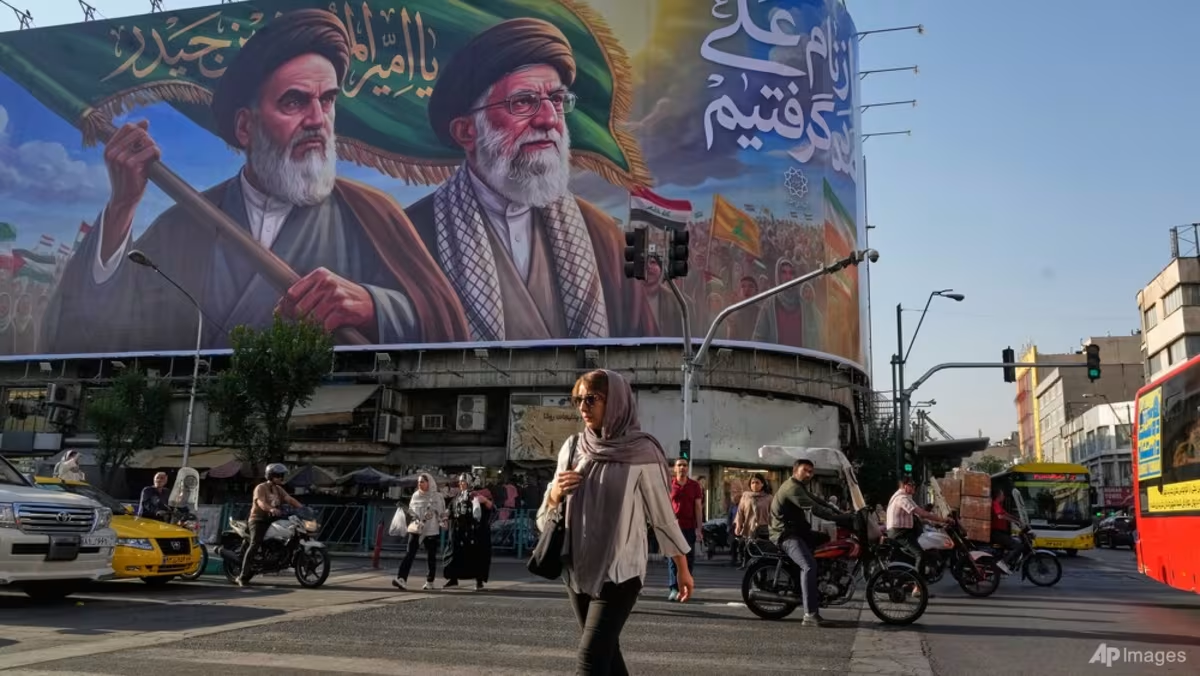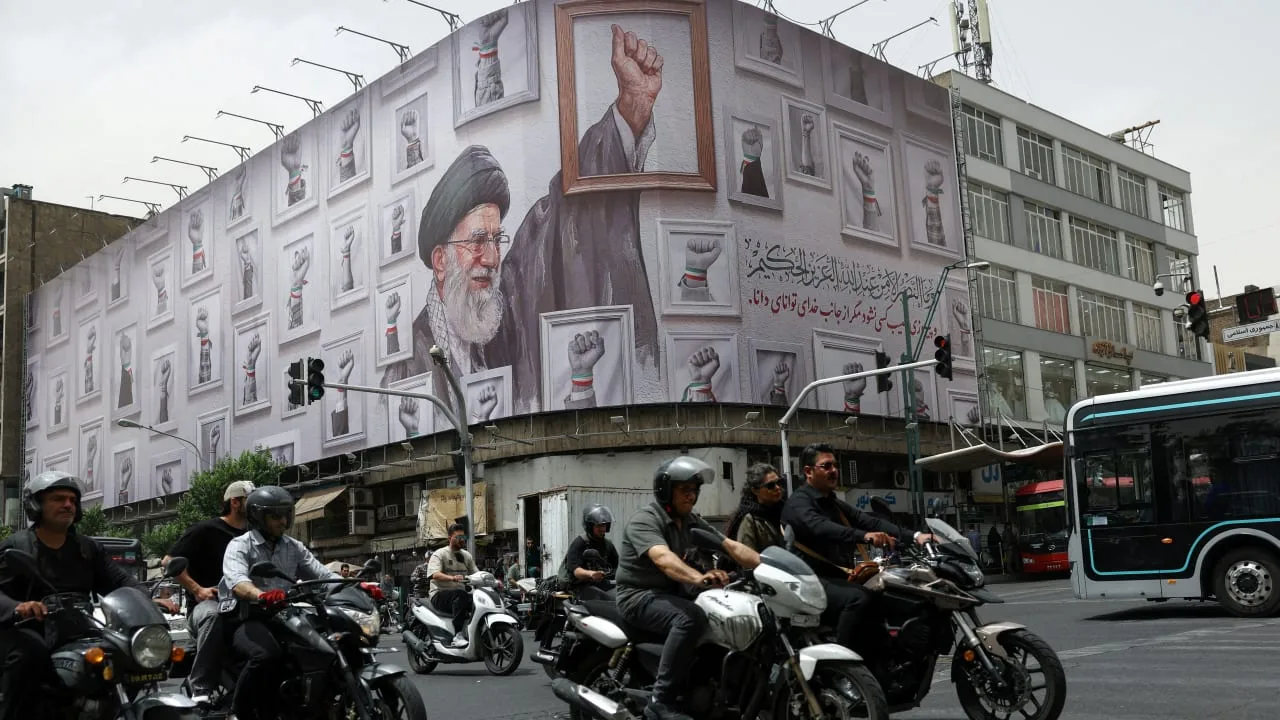
Iran’s goal is to up the ante in the region, such that it feels it can do what it wants, when it wants. It has been doing this already for 45 years. However, now it feels emboldened.Follow us on GooglePeople ride motorcycles near a billboard with an image of the late Iranian Supreme Leader Ayatollah Ali Khamenei, in Tehran, Iran, May 19, 2026. (photo credit: MAJID ASGARIPOUR/WANA/REUTERS)BySETH J. FRANTZMANJUNE 9, 2026 17:11Updated: JUNE 9, 2026 17:12Iran appears to have ended its ballistic missile attacks on Israel. The attack came two days after the regime chose to target Israel in response to its operations in Lebanon. Iran was signaling that it will not only use Lebanon as a bargaining chip in talks with the US but also that it wants to set down new lines of deterrence against Israel.Israeli officials have said that Jerusalem will not permit this to happen, and Iran won’t be allowed to change the “equation.”The question now is whether Iran will continue to conduct these types of “tit-for-tat” responses and whether this becomes the new normal. Iran already did this when it attacked Israel with large numbers of ballistic missiles and drones in April and again in October 2024, essentially breaking a kind of glass ceiling or regional norm.In each case, Iran claimed to be responding to Israeli actions. It claimed Israel had attacked a diplomatic building linked to Iran in Damascus and was angry over the elimination of Hamas leader Ismail Haniyeh in the summer of 2024.Iran strives to carve out new normThe real story was that Iran wanted to carve out this new norm – attacking when it wants and setting new escalation rules in the region. This was supposed to shift the balance of power in Iran’s favor.Part of an Iranian ballistic missile is seen in the desert near Vered Yeriho in the West Bank after being fired toward Israel from Iran, June 8, 2026. (credit: CHAIM GOLDBERG/FLASH90)Iran had done this before with missile and drone attacks on Saudi Arabia’s Abqaiq oil facility in 2019 and was now testing to see what kind of response it would get by striking Israel.Prime Minister Benjamin Netanyahu said this week that Iran will not be allowed to rewrite this equation, saying that “a year ago, we launched a historic preemptive strike against Iran’s intention to destroy us with atomic bombs. We thwarted this immediate threat – and we also eliminated the tyrant Khamenei.”He also noted that “with that same determination, we acted against Hezbollah as well. Hezbollah planned to invade the Galilee with thousands of terrorists, and at the same time, it planned to devastate Israel’s cities with 150,000 missiles and rockets.”Netanyahu claimed that “Iran and Hezbollah are weaker than ever, and we are stronger than ever – but our battle against them is still not finished. In the last 24 hours, Iran and Hezbollah tried to impose a new equation upon us. And it is an equation I find intolerable and unacceptable.”He added that “they thought they would fire at Israel from Lebanese territory and from Iran – and we would not act. That did not happen, and it will not happen... After Iran attacked Israel, I instructed the IDF to attack military and economic targets throughout Iran. We did that, too.”Nevertheless, he noted that now Israel is “holding fire” but asserted that “in the event that the terror regime in Iran makes the mistake of resuming attacks on us – we will respond with overwhelming force.”Iran shows willingness to attack across regionThe question is whether his statement will reverberate throughout Iran and the region and make Tehran think it can no longer lob missiles at Israel. Iran has shown that it is willing to carry out attacks all over the region in the last months.This has created a 3,000-mile frontline from Lebanon to Iraq and the Gulf, as well as to Yemen, where the Iranian-backed Houthis are. The Houthis joined the Iranian attacks this week and do not appear to be deterred.Iran’s goal is to up the ante in the region, such that it feels it can do what it wants, when it wants. It has been doing this already for 45 years. However, now it feels emboldened.Even though Israeli officials claim Iran is weakened, sometimes even a weakened country or one that feels cornered may lash out. Iran is clearly trying to prevent a sense in Washington or Jerusalem that Tehran’s regime will fall.It wants to show that any action will lead to a reaction. Iran’s objective is to establish deterrence and also to carve out “red lines” across the region, indicating where it will still defend its proxies such as Hezbollah. Iran does not want them removed or dismantled.The next months and years will reveal whether this week’s tit-for-tat escalation was a one-time event or whether this becomes the new normal. Since 2024, it has appeared to be a kind of new normal.Follow us on Google
Iran seeks new regional norm with strikes on Israel | The Jerusalem Post
Iran’s goal is to up the ante in the region, such that it feels it can do what it wants, when it wants. It has been doing this already for 45 years. However, now it feels emboldened.
823 words~4 min read