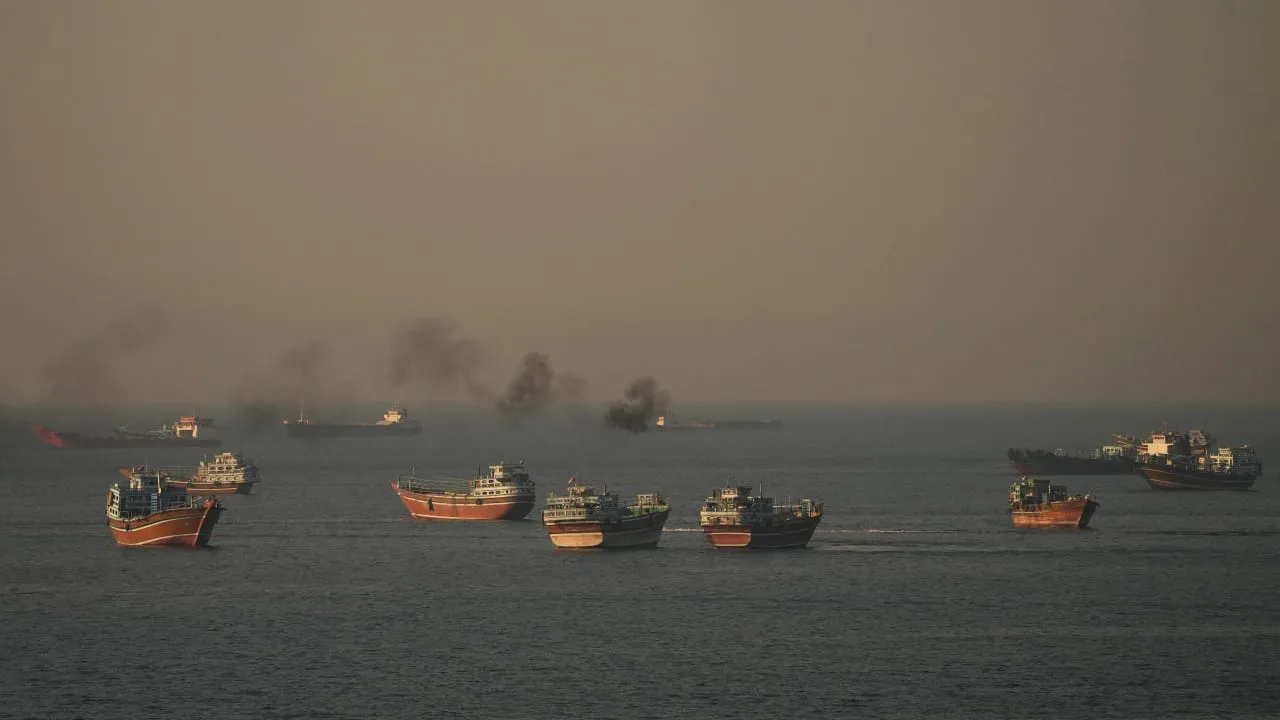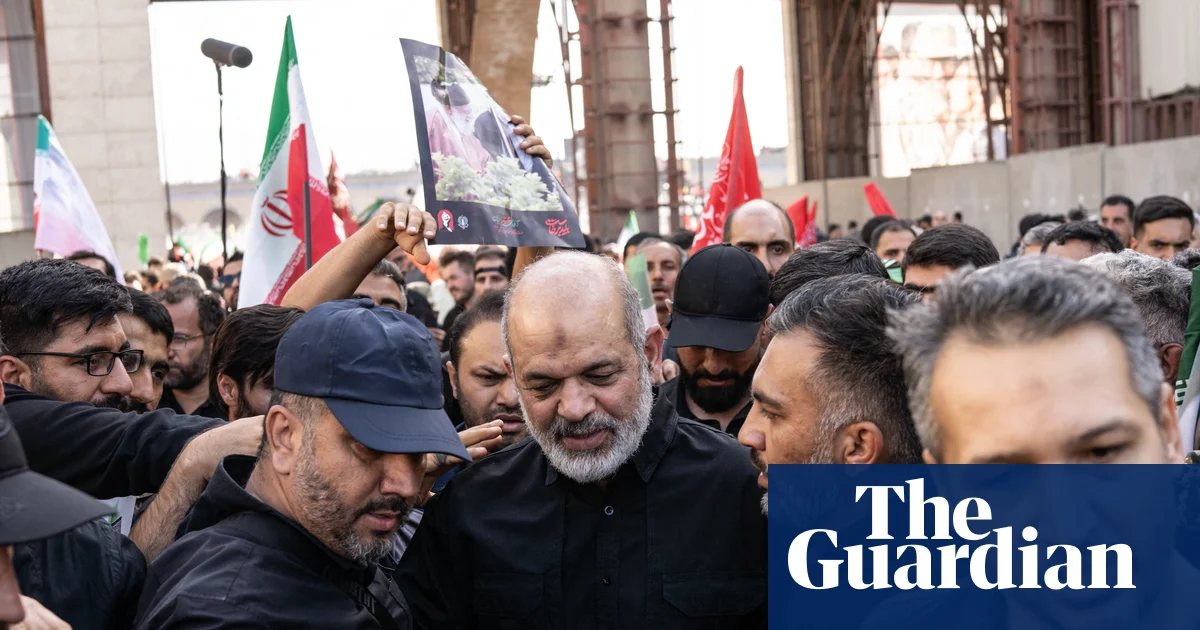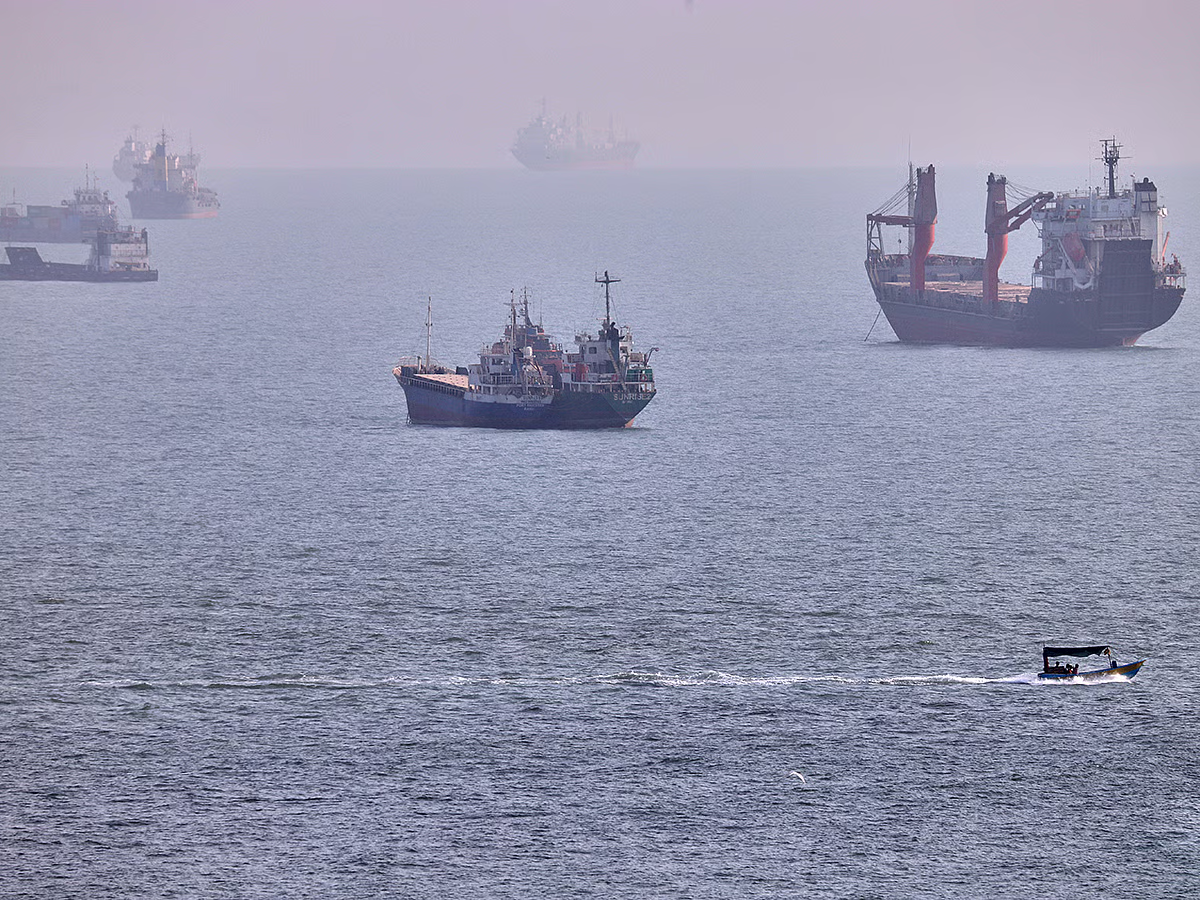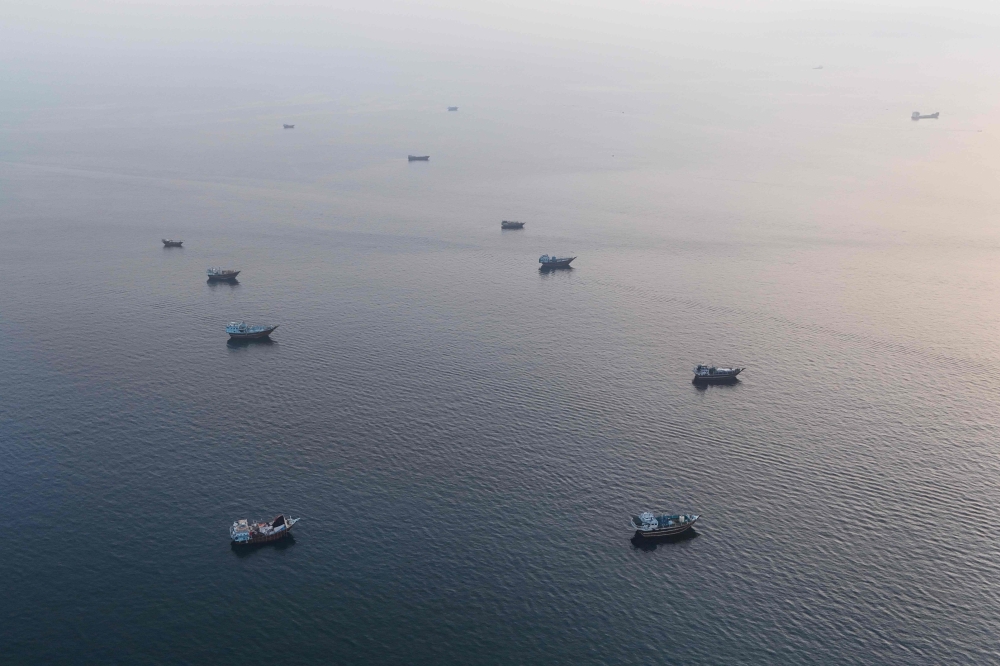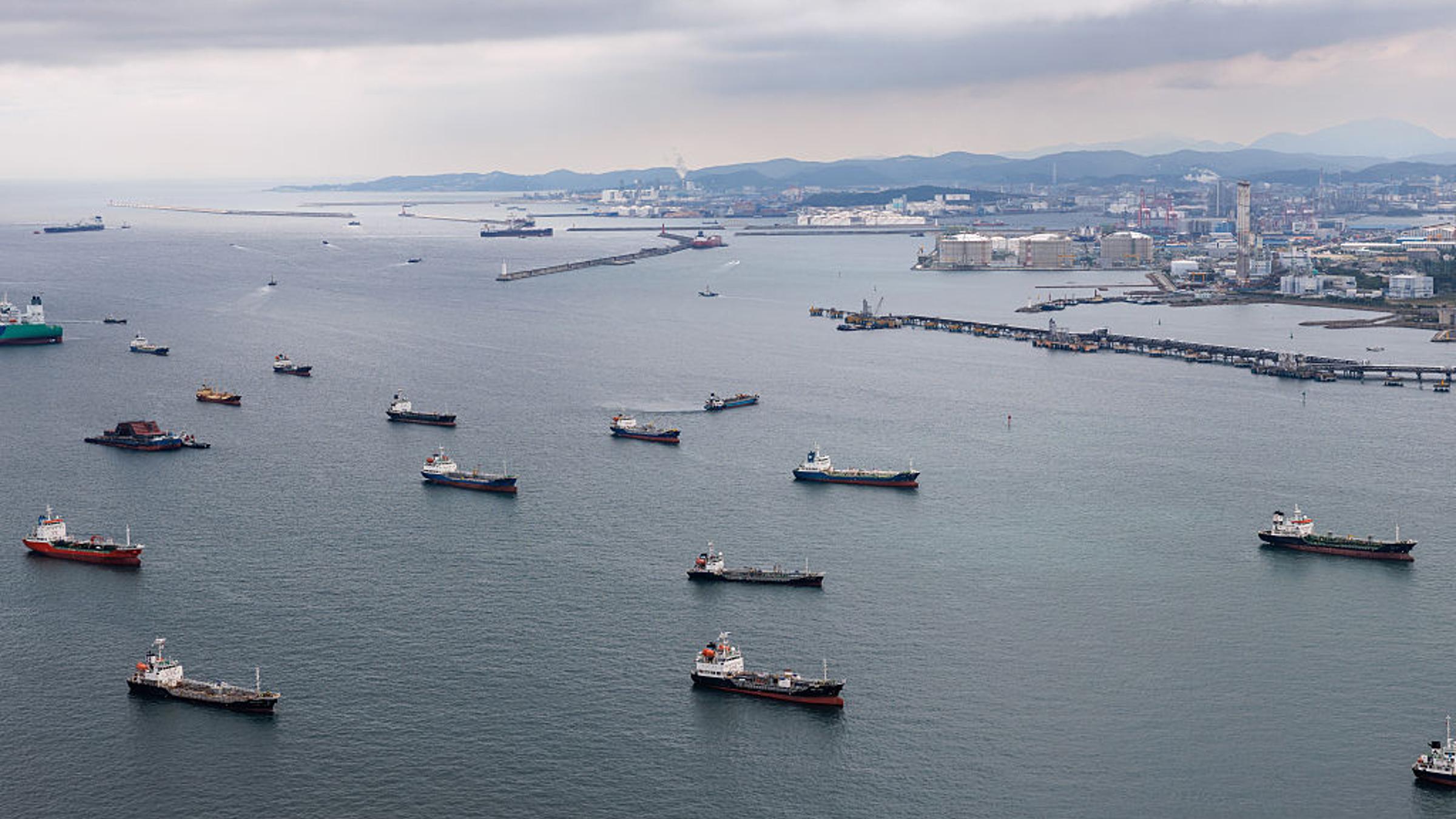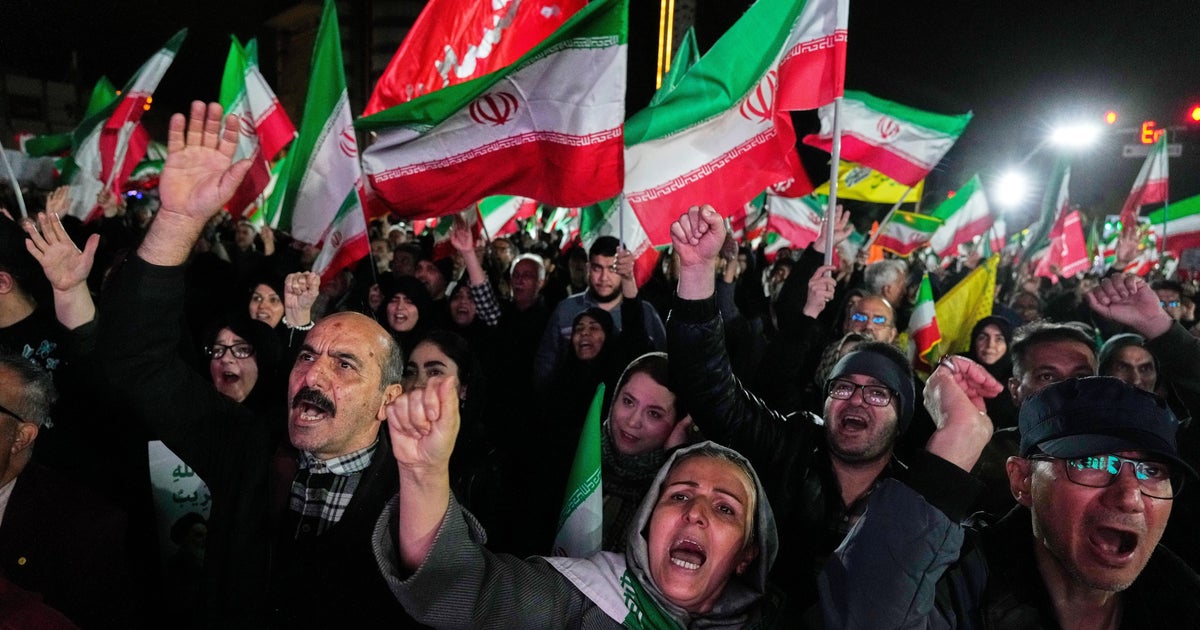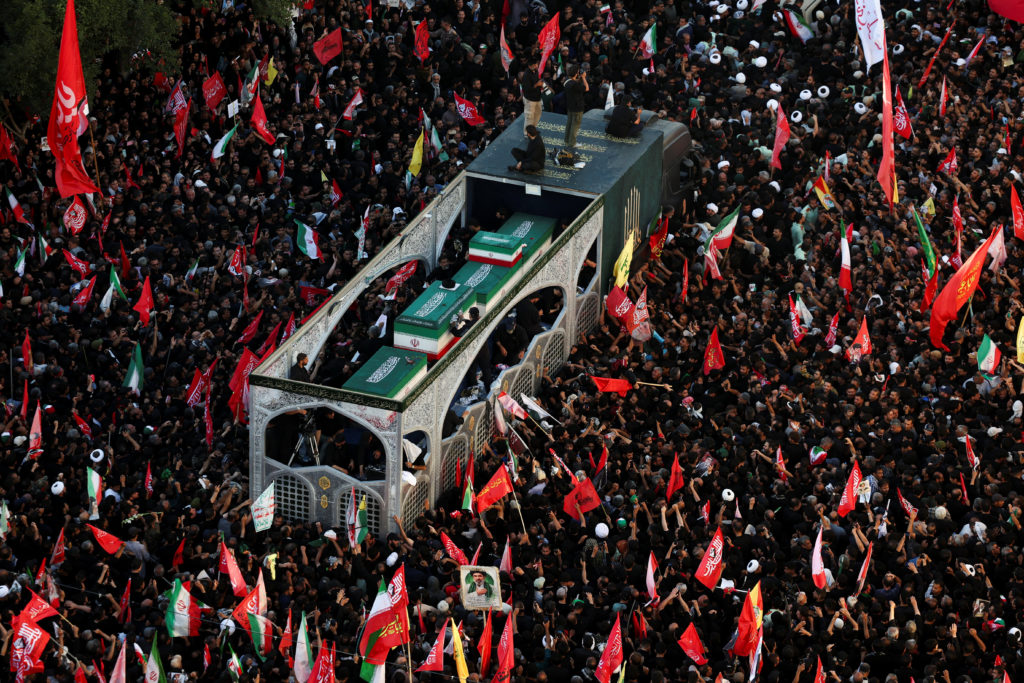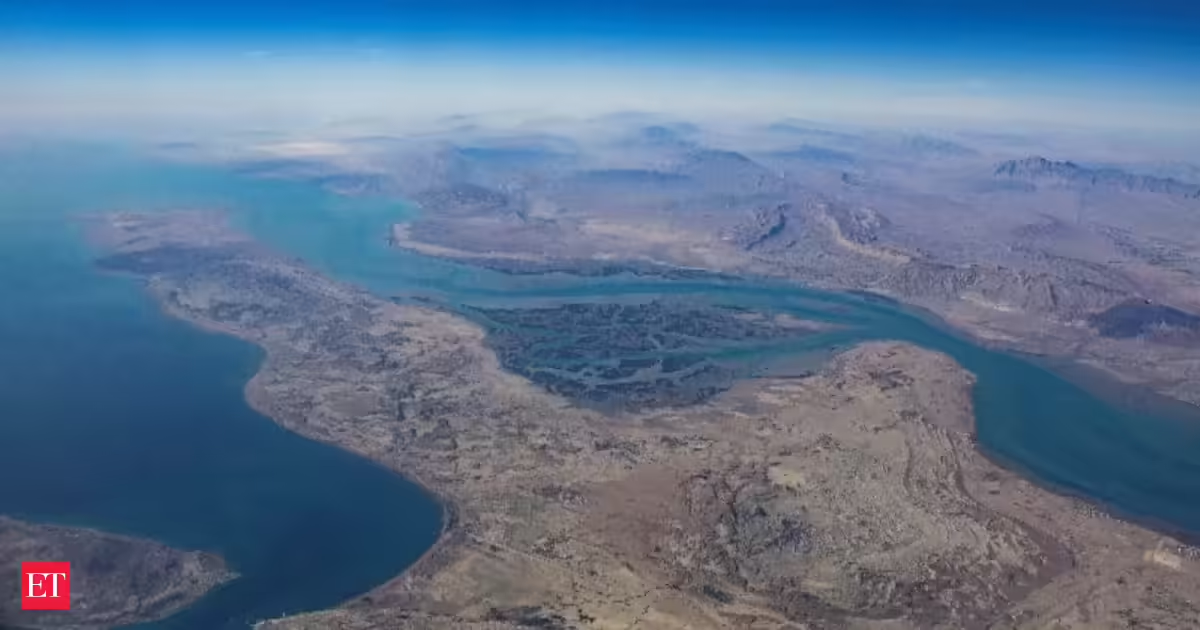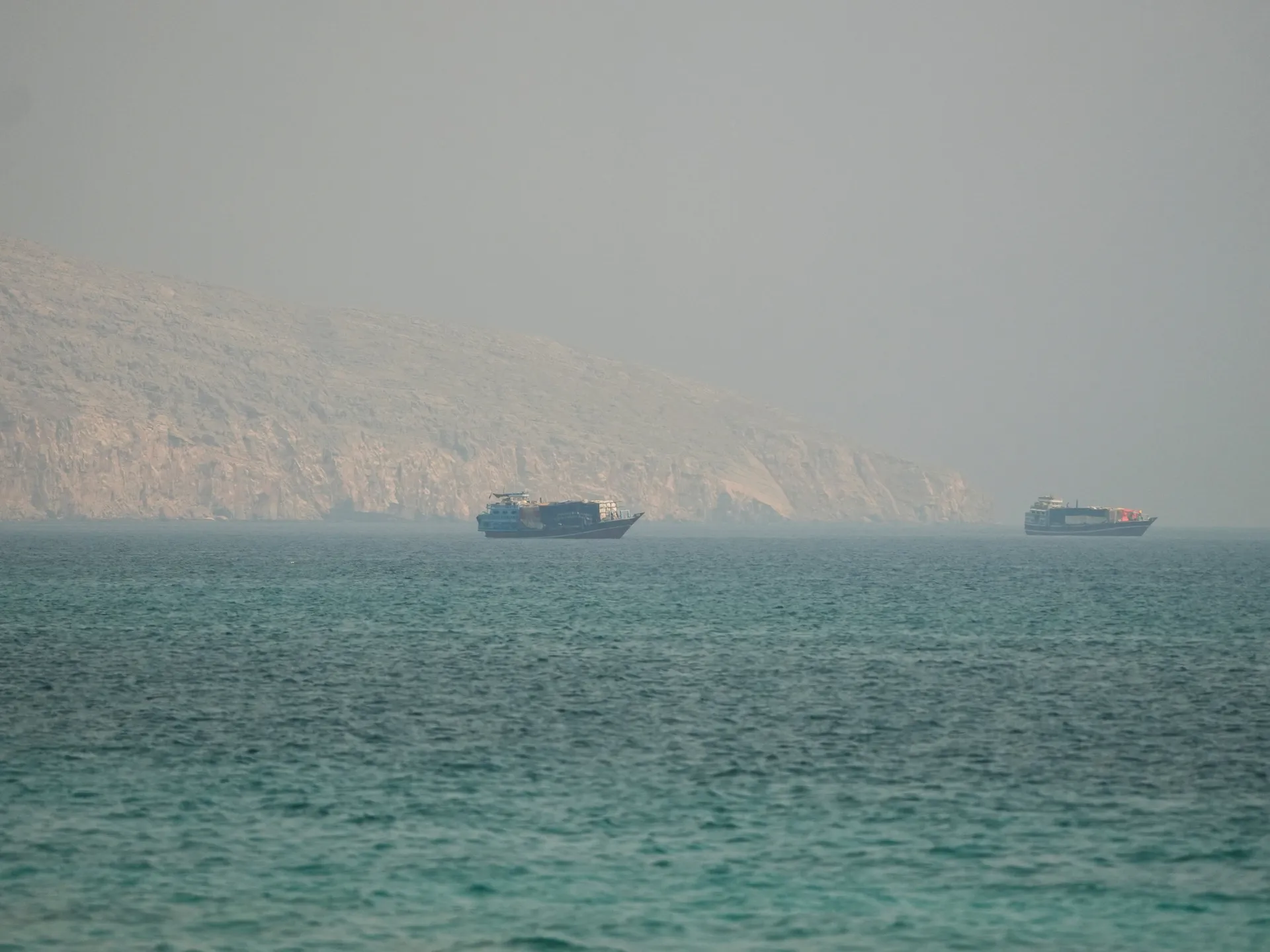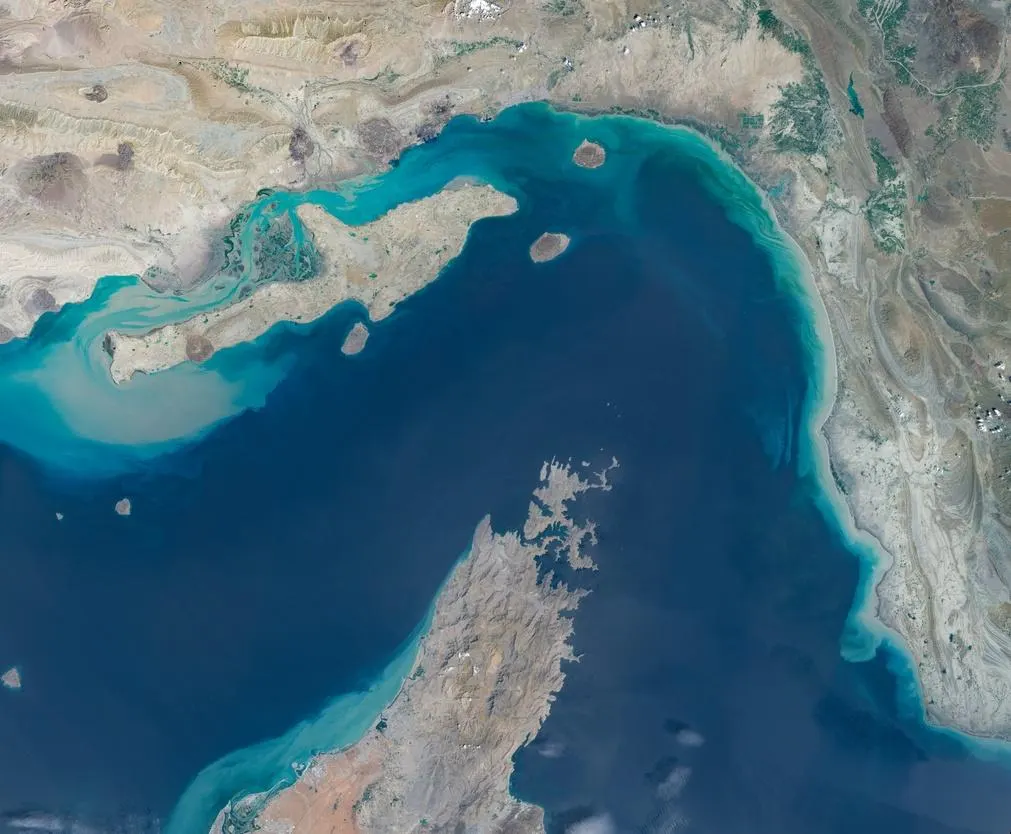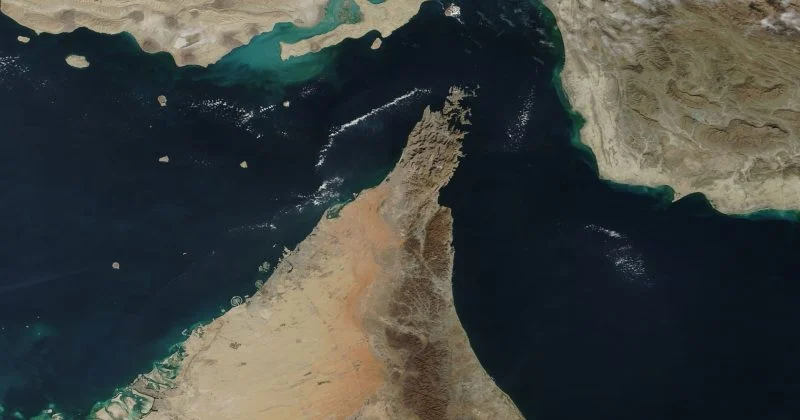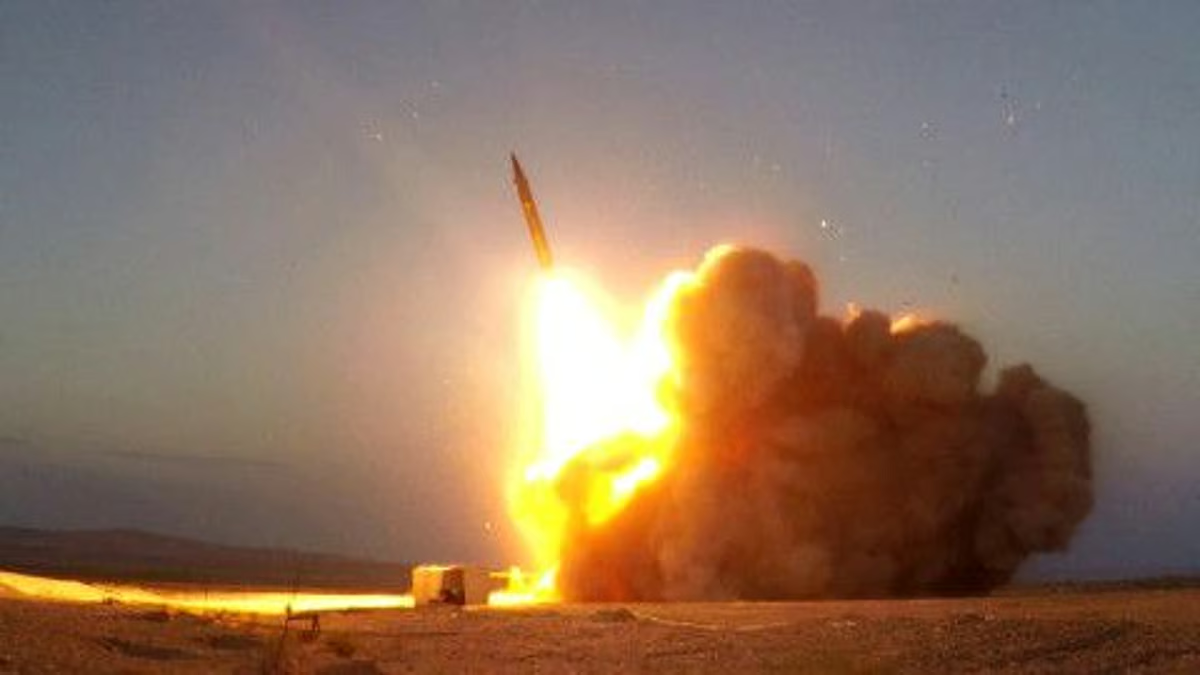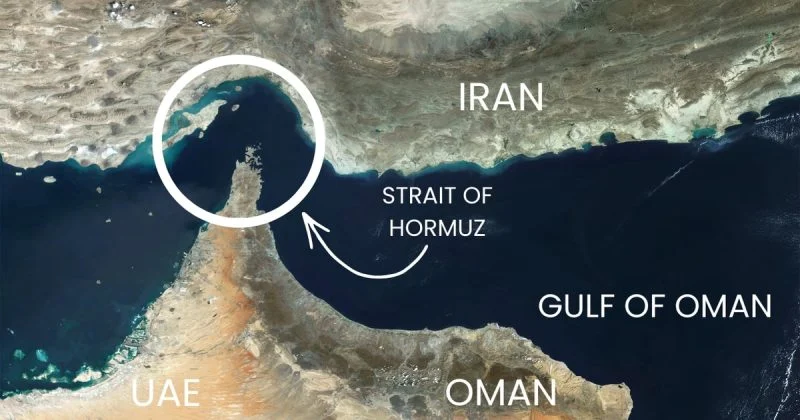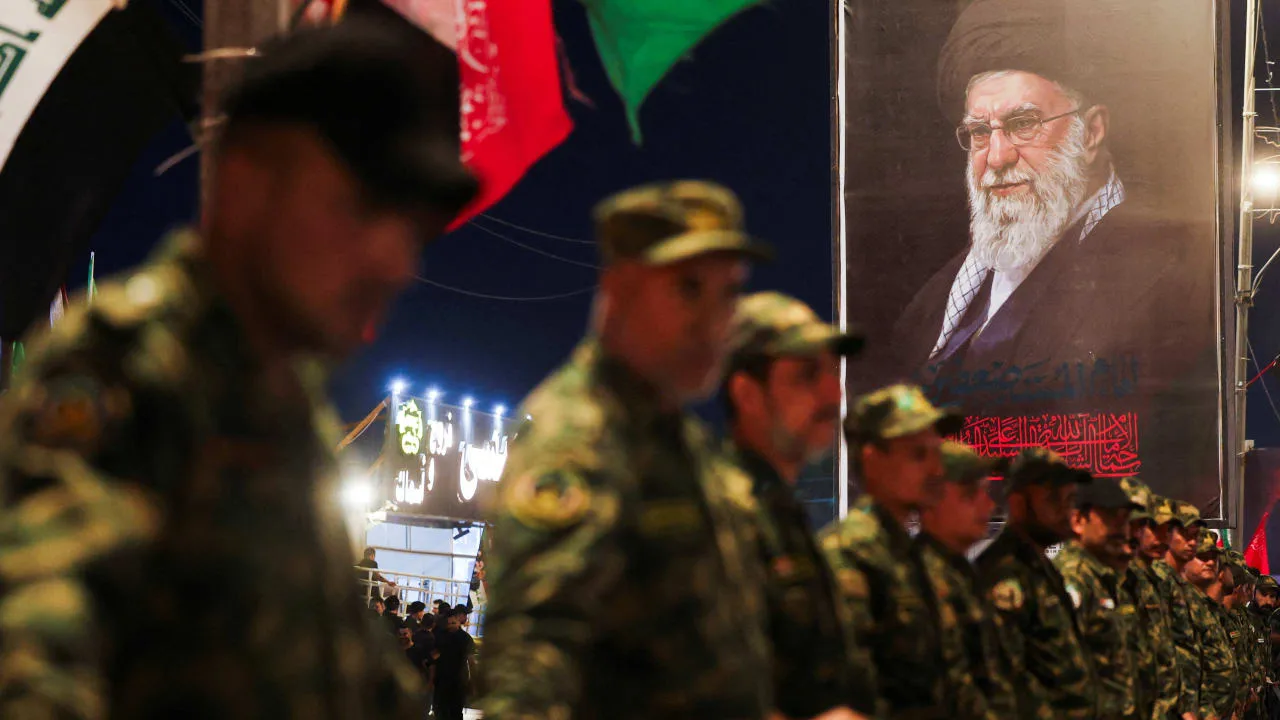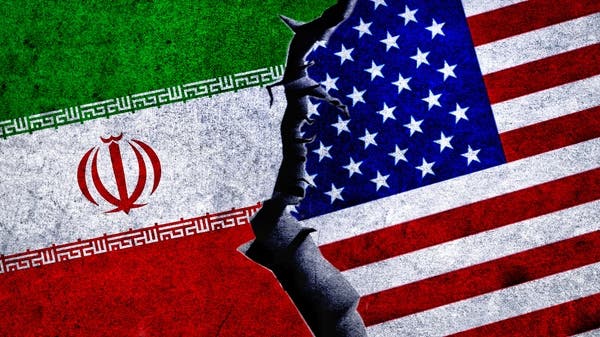
After the funeral of slain Supreme Leader Ali Khamenei, Iran appeared to become more emboldened, targeting ships in the Strait of Hormuz in actions widely condemned by the international community. The multi-day ceremonies coincided with a surge in aggressive maneuvers that have heightened fears of renewed full-scale conflict. For all the latest headlines follow our Google News channel online or via the app.
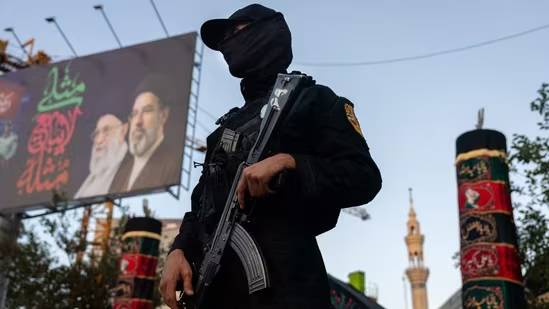
US Central Command and regional allies swiftly denounced the attacks on commercial vessels, including a Cyprus-flagged ship that suffered heavy damage and resulted in a missing crew member. Countries such as the United States, United Kingdom, Kuwait, and Qatar issued strong statements condemning Iran’s Islamic Revolutionary Guard Corps (IRGC) for these blatant violations. European nations and the UN echoed calls for restraint, labeling the actions as threats to global trade and maritime security.
Escalation risks and spiral of retaliation
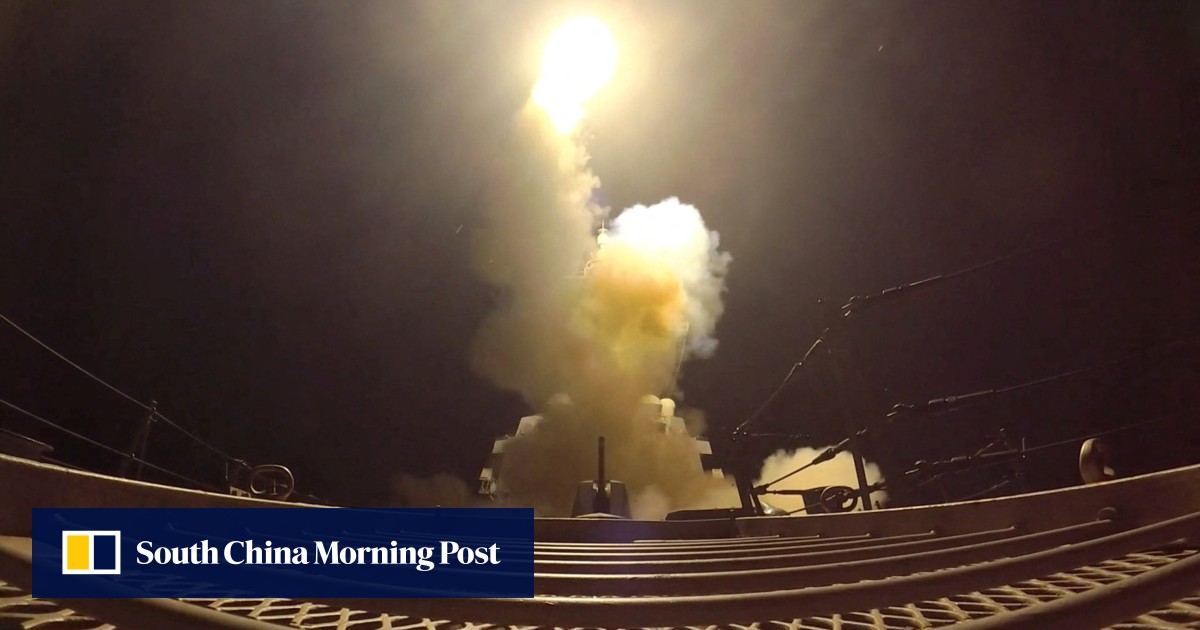
The problem with the current situation is that it can easily spiral out of control. One or two strikes – whether on shipping lanes or military positions – risk triggering rapid tit-for-tat retaliation, as evidenced by recent US strikes on Iranian targets in response to the Hormuz incidents. The situation remains highly volatile following earlier periods of fragile calm, with no clear path to a permanent resolution. Iran seems not to fully grasp that even limited provocations can ignite a cycle of escalation, drawing in more actors and leading to consequences far beyond its control.