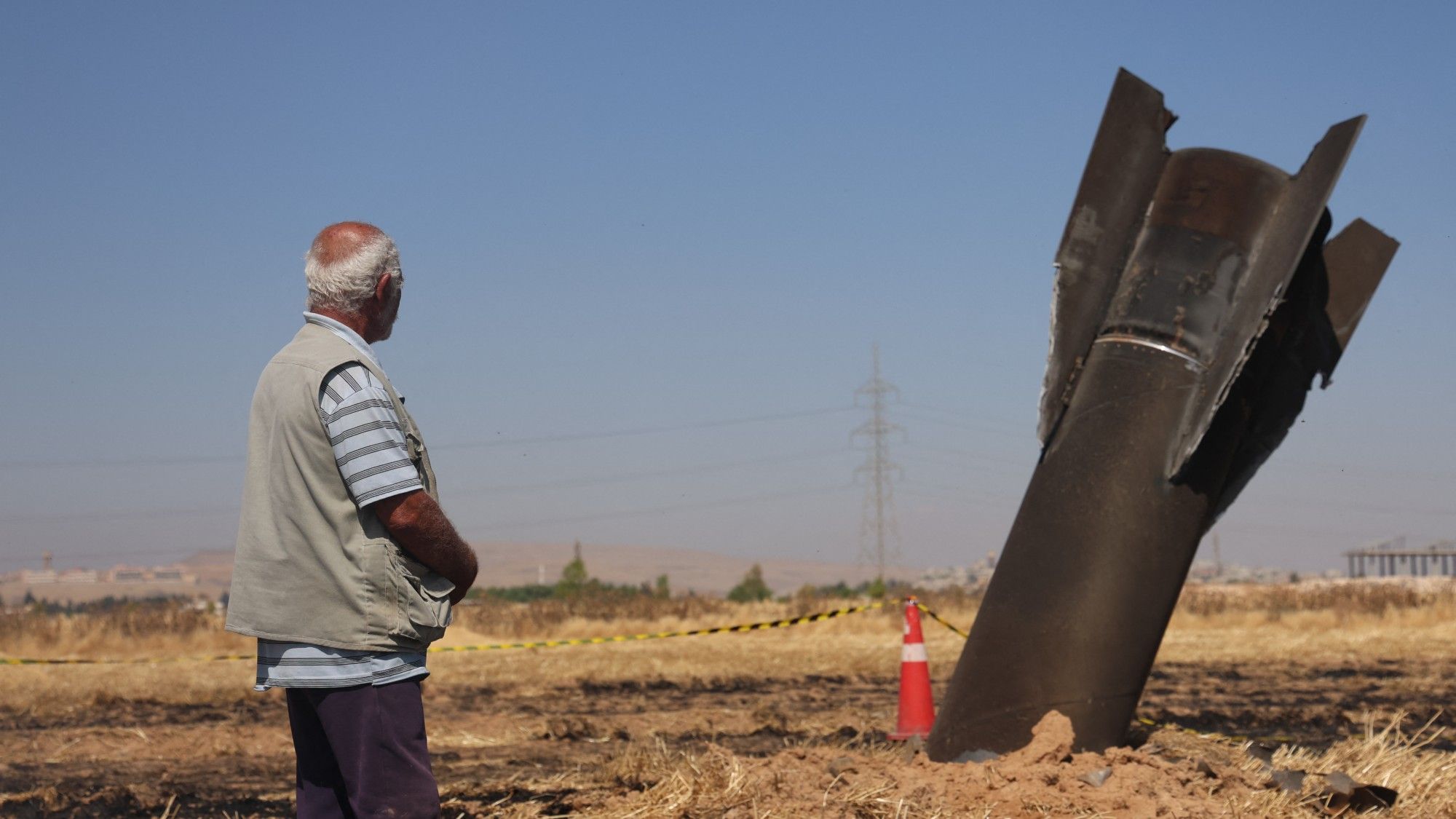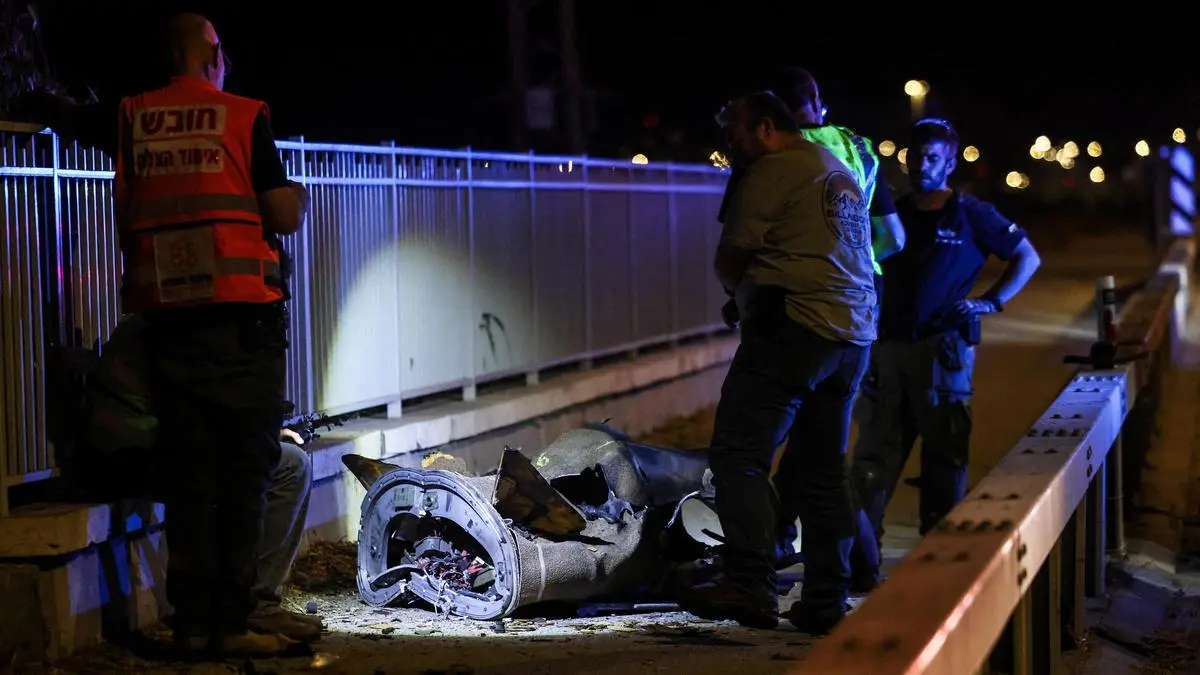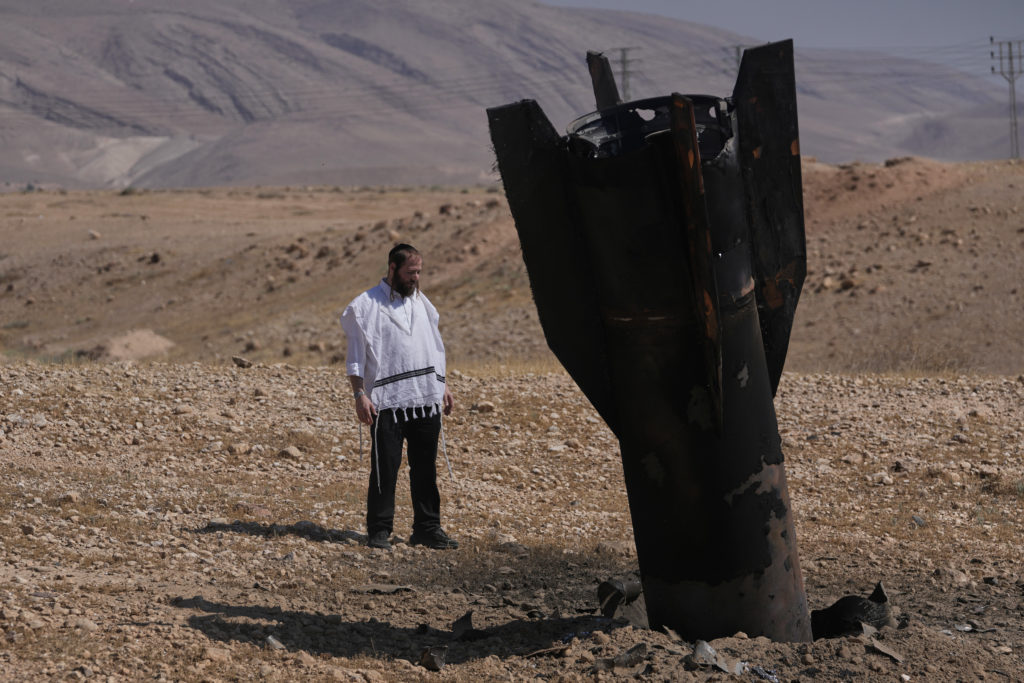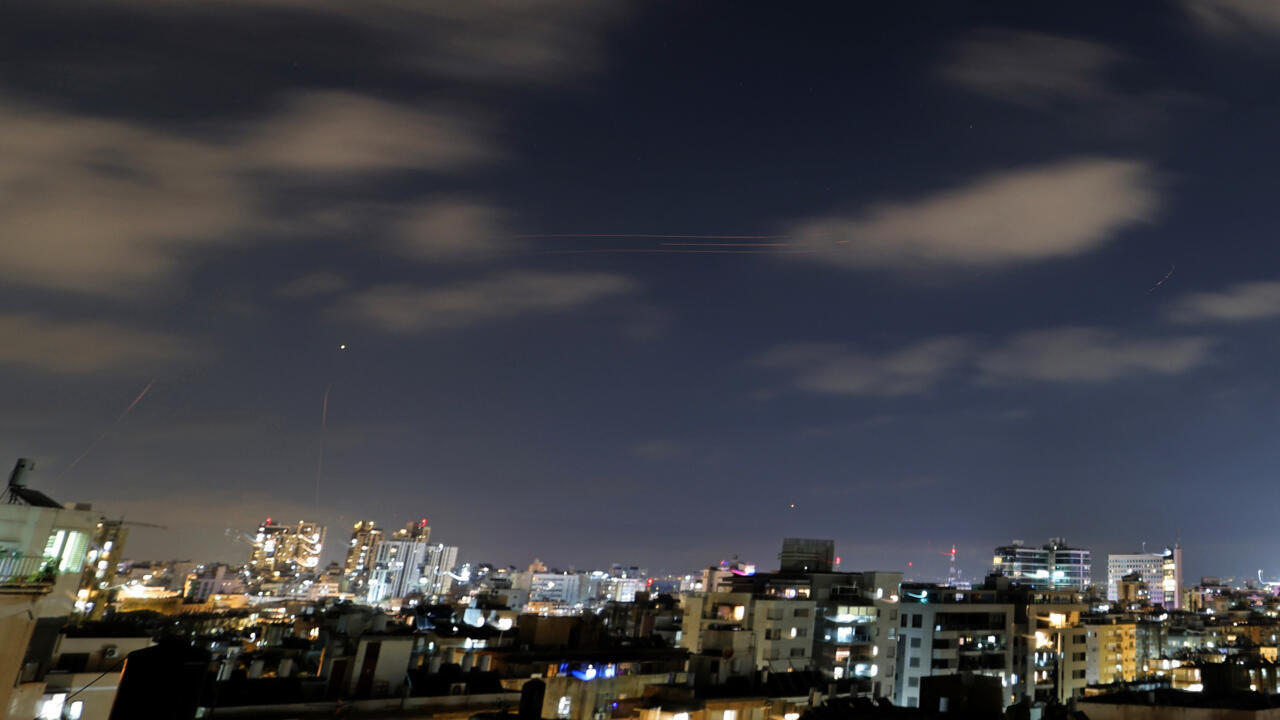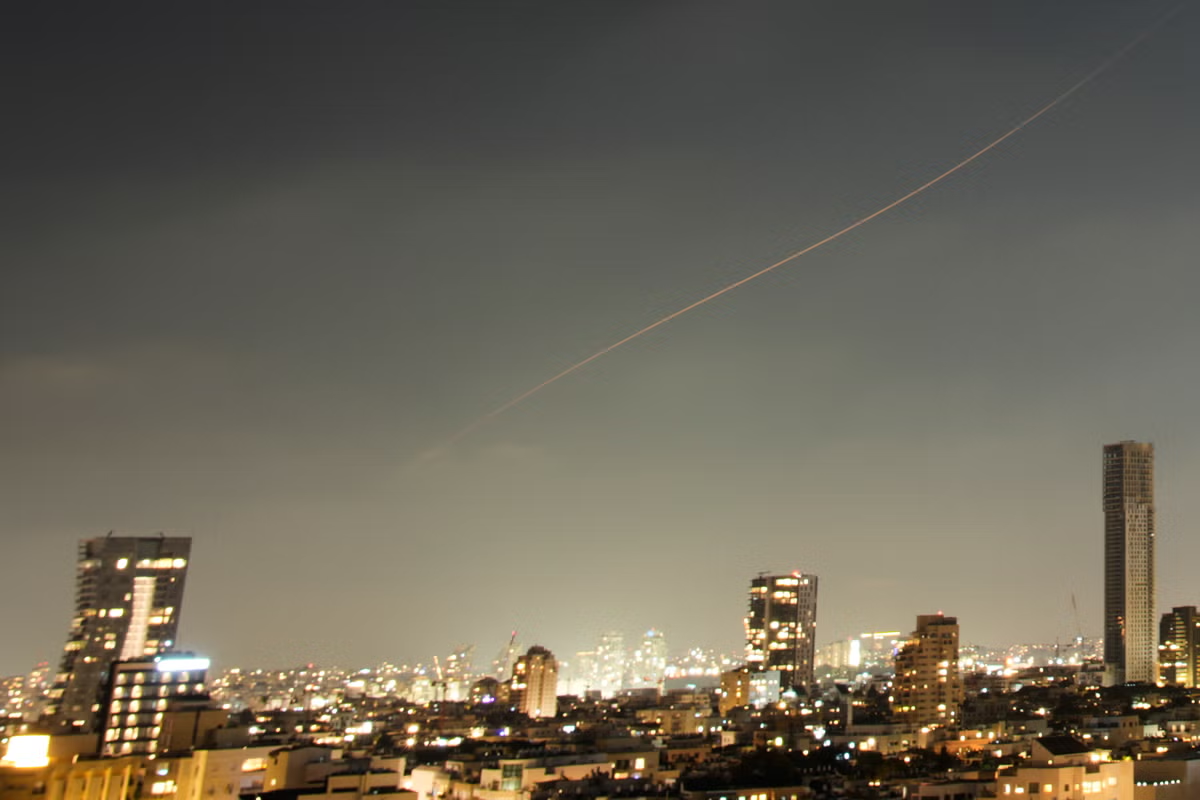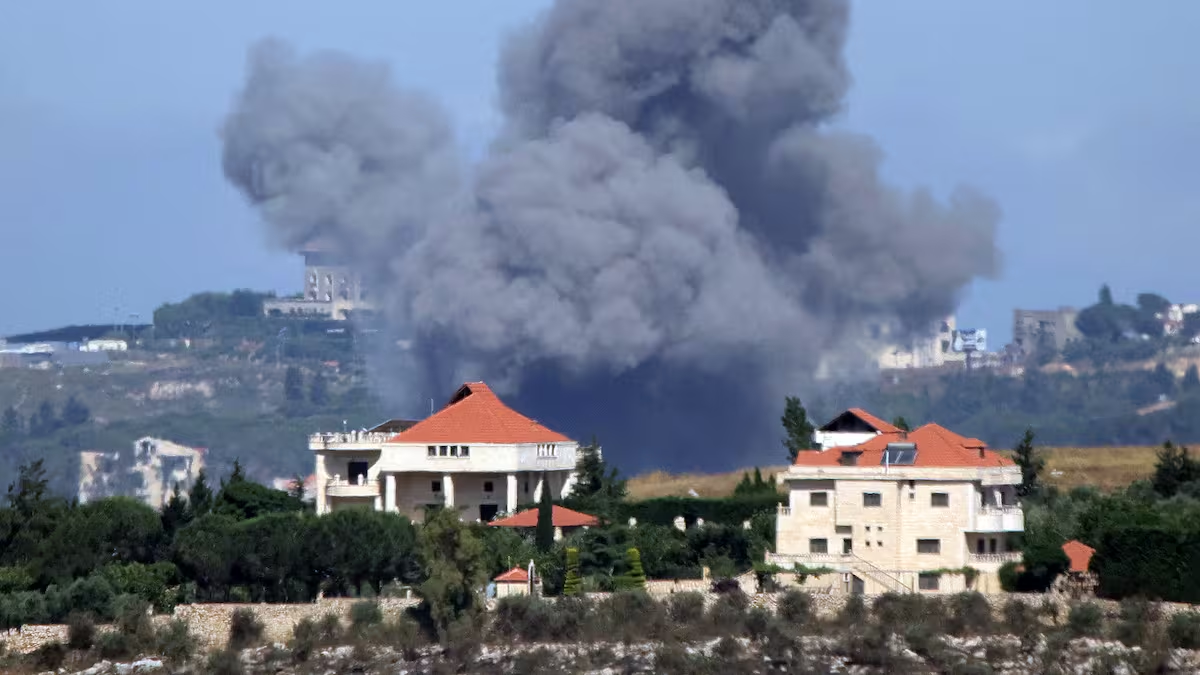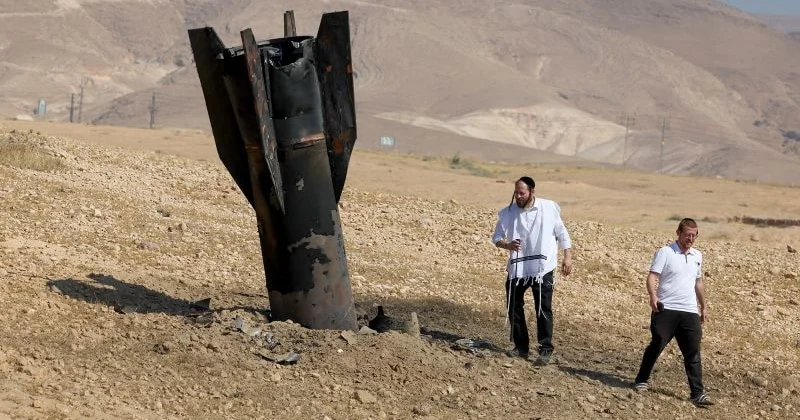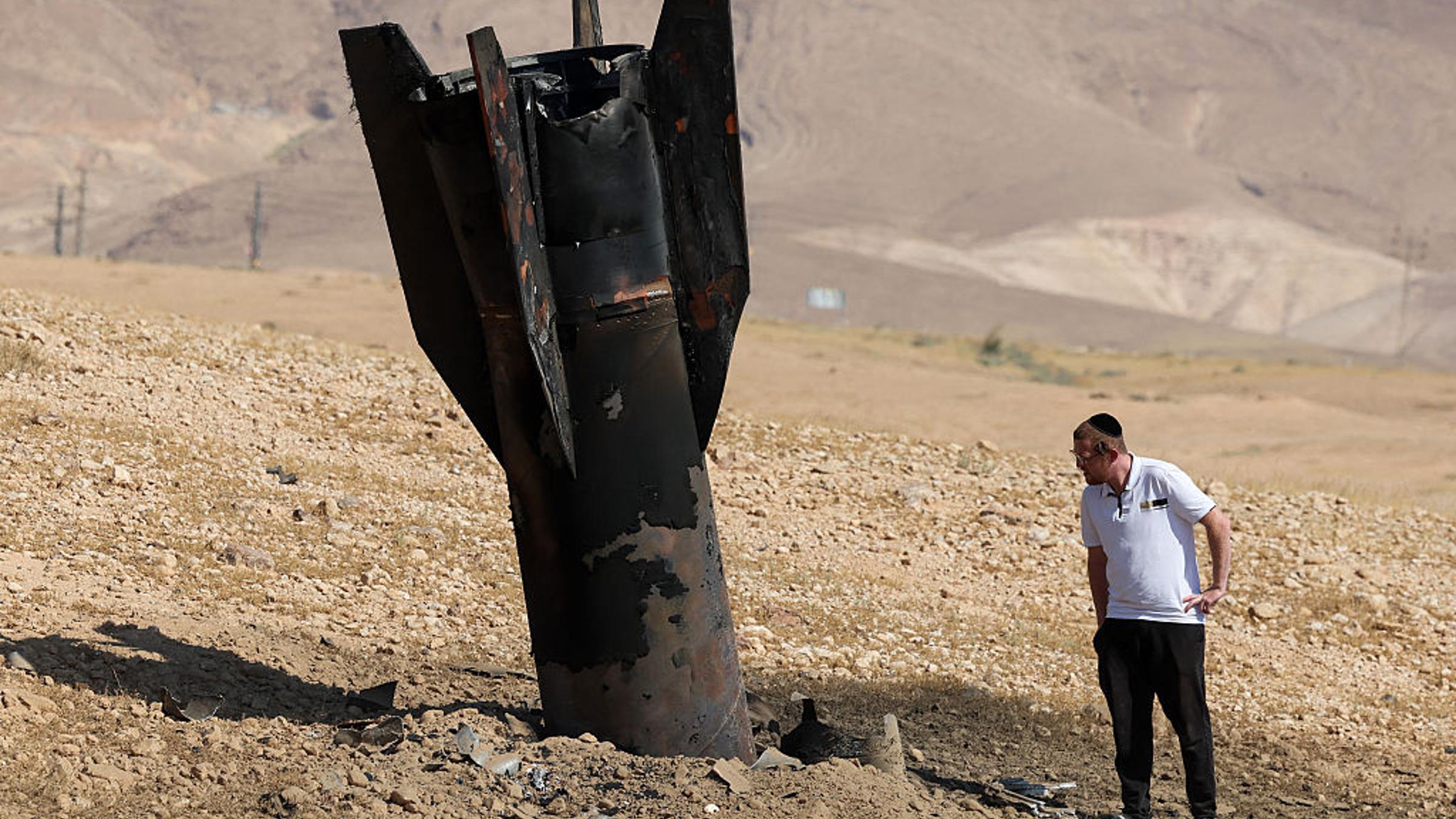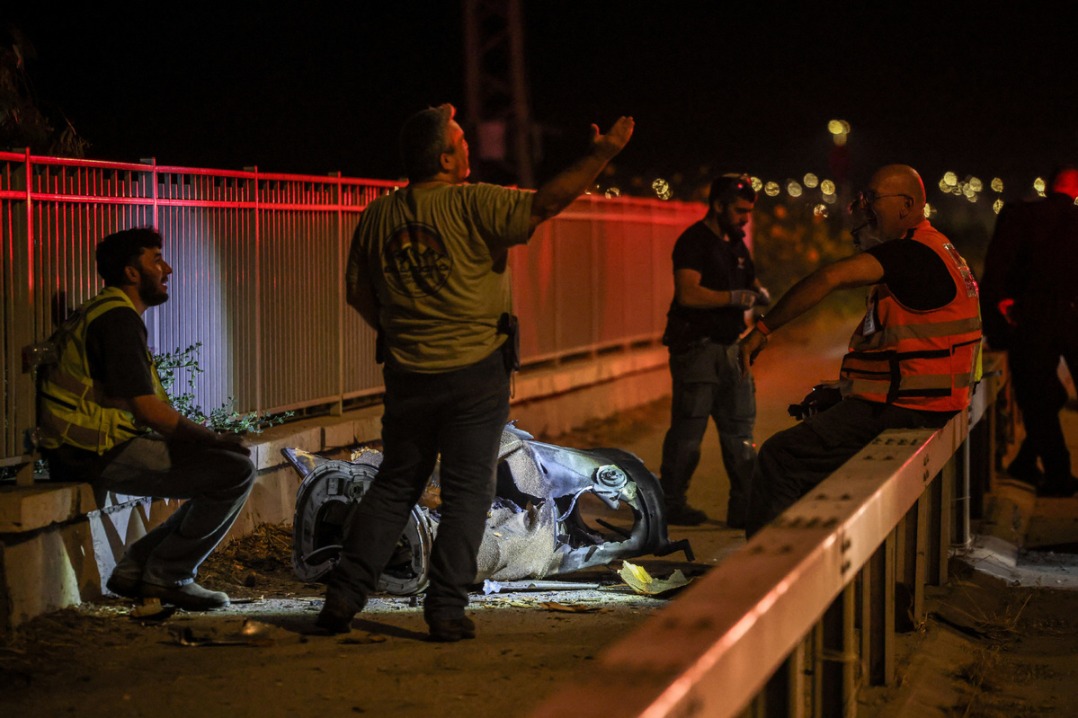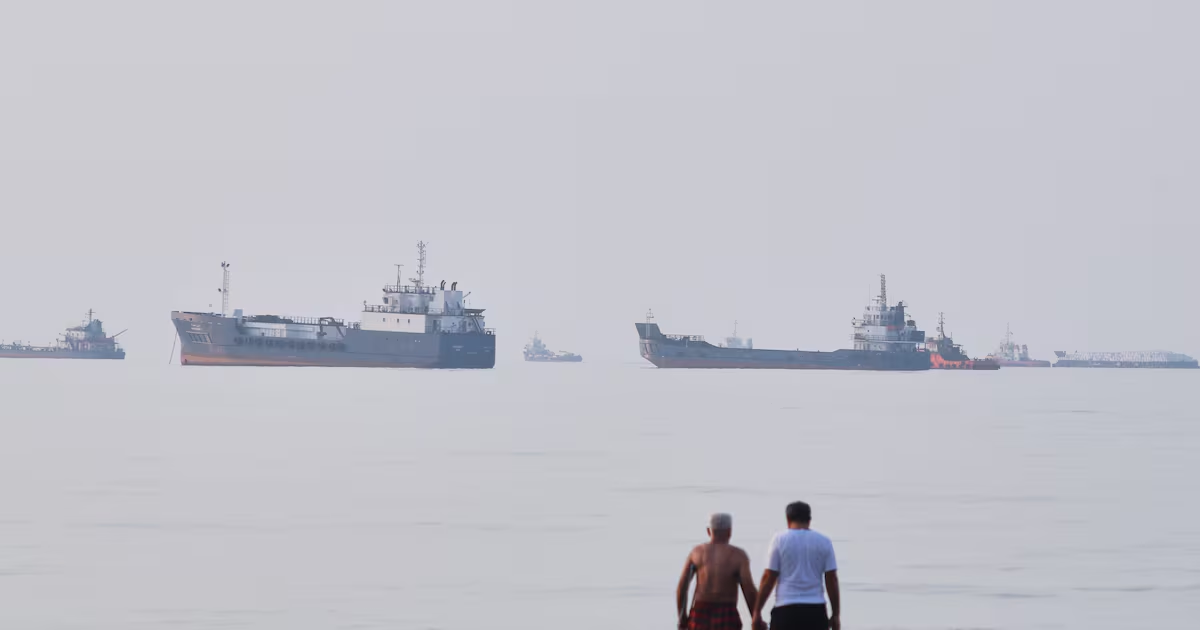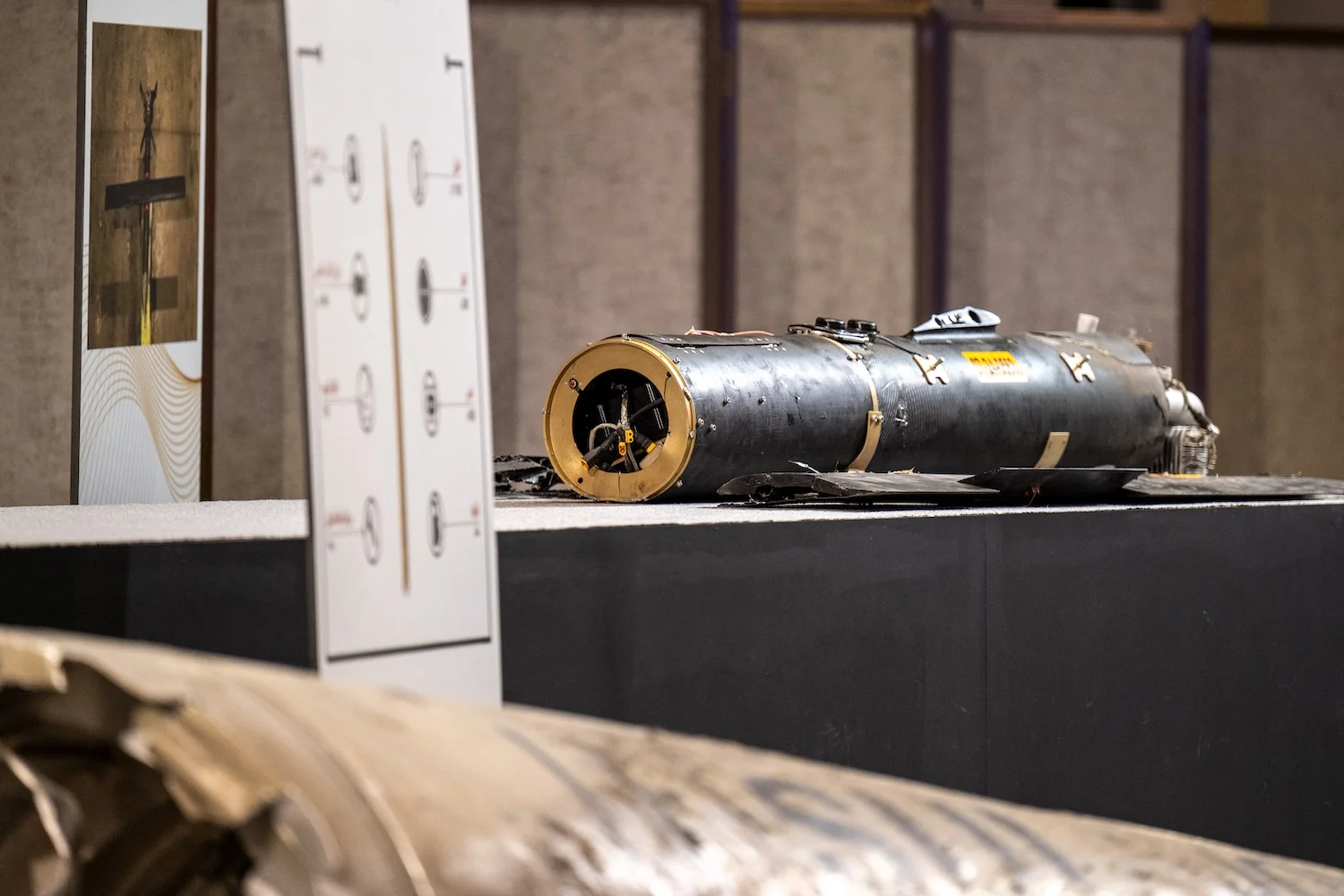
Iran’s June 8 missile attacks on northern Israel heralded the first direct exchange of fire between both countries since a cease-fire began in April. They were soon followed by news that a U.S. military helicopter collided with an Iranian drone near the Strait of Hormuz. The United States struck Iran in retaliation, and Tehran followed that up with missile attacks on Bahrain, Kuwait, and Jordan. These incidents serve as the latest escalations in the “no war, no peace” paradigm that emerged after the cease-fire.
The events of the last few days are a snapshot of a bigger problem. Iran is neither deterred, nor is it desperate for a deal. Instead, the regime’s new leaders are more assertive than ever. Tehran is now demonstrating a higher risk tolerance and willingness to use force to constrain its rivals. It has eschewed its traditional policy of “strategic patience,” where Iranian forces often avoided responding to escalations and preferred to play the long game. What’s more, by going toe-to-toe with Israel in defense of Hezbollah, Iran is doubling down and reasserting its support for and leadership of the so-called Axis of Resistance.
Iran’s June 8 missile attacks on northern Israel heralded the first direct exchange of fire between both countries since a cease-fire began in April. They were soon followed by news that a U.S. military helicopter collided with an Iranian drone near the Strait of Hormuz. The United States struck Iran in retaliation, and Tehran followed that up with missile attacks on Bahrain, Kuwait, and Jordan. These incidents serve as the latest escalations in the “no war, no peace” paradigm that emerged after the cease-fire.