TL;DRAT&T’s finance organization is building agentic AI workflows using LangGraph to automate manual journal entry preparation under SOX controls. The architecture separates repeatable preparation from human judgment through finance-owned playbooks, node-level audit evidence, and explicit approval boundaries.
Generative AI has already changed how companies draft, summarize and search for information. The next challenge is more complex: whether AI can coordinate work across business systems while preserving controls, auditability and human accountability.
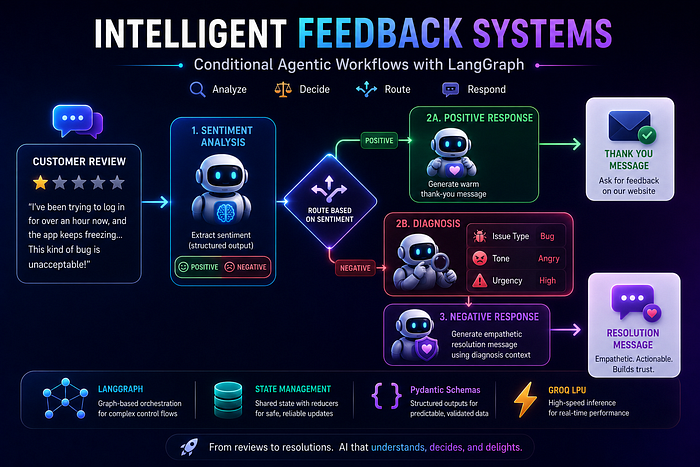
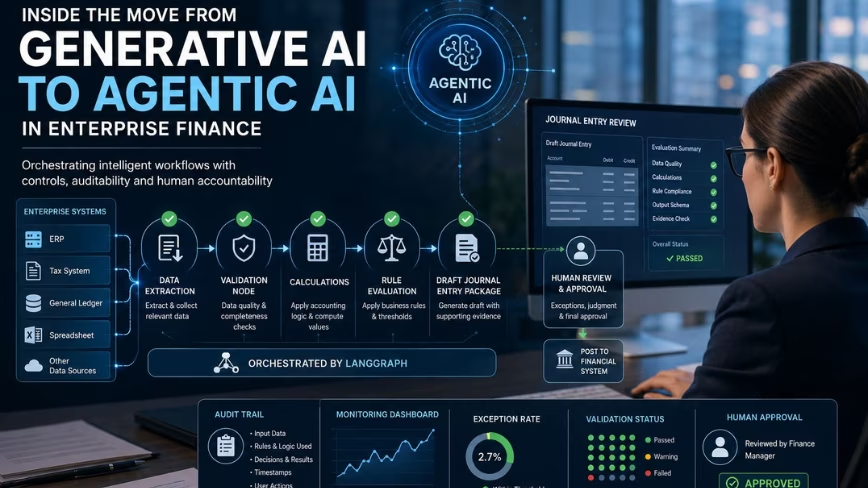
That is the central test for agentic AI. Unlike a chatbot that returns an answer, an agentic system can interpret a goal, retrieve data, call tools, apply rules, validate results and prepare work for human review. In regulated functions such as finance, that capability creates both opportunity and risk. A useful system must do more than automate a task. It must show what data was used, what decision logic was applied, where exceptions occurred and who approved the final action.
Manual journal entries offer a practical example. In large finance organizations, these entries often require analysts to gather information from multiple systems, reconcile inputs, apply accounting logic, calculate values, prepare support documentation and route the package for approval. The process is repetitive, time-sensitive and control-heavy, especially because journal entries affect financial reporting and operate within SOX-controlled environments.