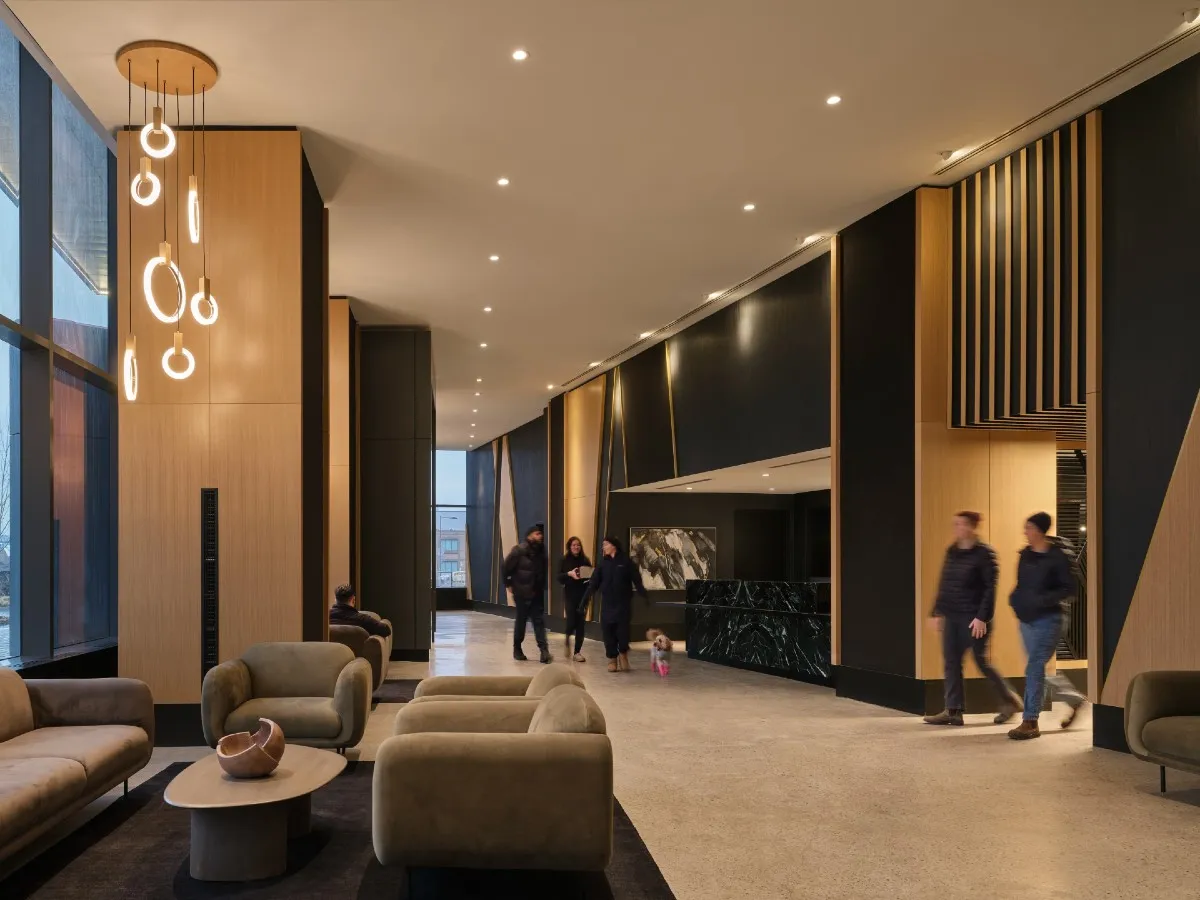
Skip to Content Subscribe Our Offers My Account Manage My Subscriptions FAQ Newsletters Canada Canadian True Crime Canadian Politics Health World Israel & Middle East Financial Post NP Comment Longreads Puzzmo Diversions Comics NP News Quiz New York Times Crossword Horoscopes Life Eating & Drinking Style Sponsored Play for Ontario Travel Travel Canada Travel USA Travel International Cruises Travel Essentials Culture Books Celebrity Movies Music Theatre Television Business Essentials Advice Lives Told Tails Told Shopping Buy Canadian Home Living Outdoor Living Kitchen & Dining Tech Style & Beauty Personal Care Entertainment & Hobbies Gift Guide Travel Guide Amazon Prime Day Deals Savings National Post Store More Sports Hockey Baseball Basketball Football Soccer Golf Tennis Driving Vehicle Research Reviews News Gear Guide Obituaries Place an Obituary Place an In Memoriam Classifieds Place an Ad Celebrations Working Business Ads Archives Healthing Epaper Manage Print Subscription Profile Settings My Subscriptions Saved Articles My Offers Newsletters Customer Service FAQ Newsletters Canada World Financial Post NP Comment Longreads Puzzmo Diversions Life Shopping Epaper Manage Print Subscription HomeHomesCondo living: “They can become real community spaces”An architect sheds light on why lobbies have become “one of the hardest-working spaces in a building”Last updated 10 minutes ago You can save this article by registering for free here. Or sign-in if you have an account.At CG Tower in Vaughan, one lobby entrance has more public interaction and the other is more private. Photo by CORTEL GROUPWe independently select everything we recommend. Buying through us may earn us a commission, which supports our work.This interview has been edited for length and clarity. Enjoy the latest local, national and international news.Exclusive articles by Conrad Black, Barbara Kay and others. Plus, special edition NP Platformed and First Reading newsletters and virtual events.Unlimited online access to National Post.National Post ePaper, an electronic replica of the print edition to view on any device, share and comment on.Daily puzzles including the New York Times Crossword.Support local journalism.Enjoy the latest local, national and international news.Exclusive articles by Conrad Black, Barbara Kay and others. Plus, special edition NP Platformed and First Reading newsletters and virtual events.Unlimited online access to National Post.National Post ePaper, an electronic replica of the print edition to view on any device, share and comment on.Daily puzzles including the New York Times Crossword.Support local journalism.Create an account or sign in to continue with your reading experience.Access articles from across Canada with one account.Share your thoughts and join the conversation in the comments.Enjoy additional articles per month.Get email updates from your favourite authors.Create an account or sign in to continue with your reading experience.Access articles from across Canada with one accountShare your thoughts and join the conversation in the commentsEnjoy additional articles per monthGet email updates from your favourite authorsSign In or Create an AccountorOnce treated largely as pass-through spaces, condo lobbies are now being asked to do more than provide handsome first impressions. Marcella Au, senior associate and retail and interiors lead at BDP Quadrangle — the Toronto-based architecture firm behind CG Tower in Vaughan, Westbend Residences near High Park and Gallery Towers in Markham among others — explains how lobby design is changing, why concierge desks still matter, and how developers and designers can create spaces that are both practical and eye-catching. Q What are the most important uses of a condo lobby today? A They can become real community spaces. It’s where kids might go trick-or-treating, residents gather for meet-and-greets or people wait for friends to chat. It can help residents feel connected to the building and to one another, rather than simply moving through a shared entrance. Then there is the logistics role: deliveries, move-ins, package management and concierge coordination. Q How do you balance those uses? A There is much more planning involved now. Older buildings that didn’t anticipate the growth of online shopping and delivery can have a more challenging time, depending on the size and layout of the lobby. And a lobby still needs presence, a sense of place and a sense of arrival. It has to be aesthetically pleasing, but also timeless and durable enough to support heavy use. When we design lobbies today, there is almost always a dedicated area for parcel lockers or package storage. It needs to be close to the mail room so deliveries can be made efficiently, but it also needs to be designed carefully because parcel rooms and lockers are not always aesthetically pleasing. Food delivery adds another layer. Some buildings have allowed delivery drivers to go directly to residents’ floors, but many are moving away from that. We are seeing more dedicated pickup nooks in or near the lobby, where residents can come down and collect their order. It becomes more of a grab-and-go model, but it still needs to feel integrated into the design. At Gallery Towers, “people walk into their lobby and feel elevated — a little more special, a little more luxurious — the way they might feel entering a hotel,” says Marcella Au of BDP Quadrangle. Photo by ADRIEN WILLIAMS, COURTESY OF THE REMINGTON GROUP Q How has condo lobby design evolved in recent years? A The growth of master-planned communities and downtown-like cores in suburban areas has changed the way designers think about the residential lobby. In these settings, many residents may be moving from single-family homes into a shared building format. That’s why there is now much more emphasis on the arrival experience. In many cases, the lobby is becoming a kind of third place. Not quite home, not quite the city outside, but a shared space where residents can arrive, gather and feel a sense of belonging. Q How do you future-proof a lobby when technology and resident expectations keep changing? A There is a balance between embracing technology and maintaining the human elements that make people feel at home. There was a period when some buildings tried using a virtual concierge on a screen. From what I’ve seen, that format didn’t really work. People still want in-person interaction. I live in a condo myself, and I enjoy seeing the same person at the concierge desk saying good morning or good night. Q How do you decide what to prioritize in a lobby design? A The lobby is one of the hardest-working spaces in the building. At the beginning of a project, we don’t always know exactly who the residents will be, but we look closely at the likely demographic. Is it young families, single-income residents, a mixed community? We also study the neighbourhood. What does arrival look like? Is it meant to feel grand? Is there a chance that a future coffee shop or retail unit could connect to the lobby and bring life into the space? Entrances are another important consideration. At CG Tower, there is one entrance that has more public interaction and another that is more private. That matters, because in a condo, residents still need moments that feel personal. If someone is taking a dog out at 7 a.m. in their pajamas, they may not want to use the most public-facing entrance. A more private access point can help the building feel more like home. In smaller condo buildings like Westbend, the lobby sometimes becomes a gathering place. Photo by MATTAMY HOMES Q What are some common mistakes you’ve encountered in condo lobby design? A Because the lobby works so hard, poor-quality finishes are a major mistake. Wear-and-tear shows up quickly, and because the lobby is the first arrival point, that damage affects the impression of the whole building until it is renovated. Furniture placement is another big one. More lobbies are becoming extensions of co-working spaces or lounge areas, but the furniture has to support the right kind of interaction. Some residents may want to work in an open space. Others, including seniors, may use the lobby as a place to get out of their units and meet neighbours for a conversation. The furniture has to be planned around those different uses. Q Where is lobby design heading next? A: It will depend on how much amenity space a building has. If there are separate areas for things like a theatre, workshop or games room, the lobby can remain focused on arrival, delivery and light community use. In smaller buildings like Westbend, the lobby may take on more of that third-place function where people gather. With the FIFA World Cup coming, for example, some residents may want to cheer with other people in the building. I also think the hospitality influence will continue. There are so many materials and finishes now that allow designers to create an economical but boutique-hotel-like feeling. At Gallery Towers, for instance, people walk into their lobby and feel elevated — a little more special, a little more luxurious — the way they might feel entering a hotel. Join the Conversation This website uses cookies to personalize your content (including ads), and allows us to analyze our traffic. Read more about cookies here. By continuing to use our site, you agree to our Terms of Use and Privacy Policy.
Condo living: “They can become real community spaces”
An architect sheds light on why lobbies have become “one of the hardest-working spaces in a building”
1,506 words~7 min read