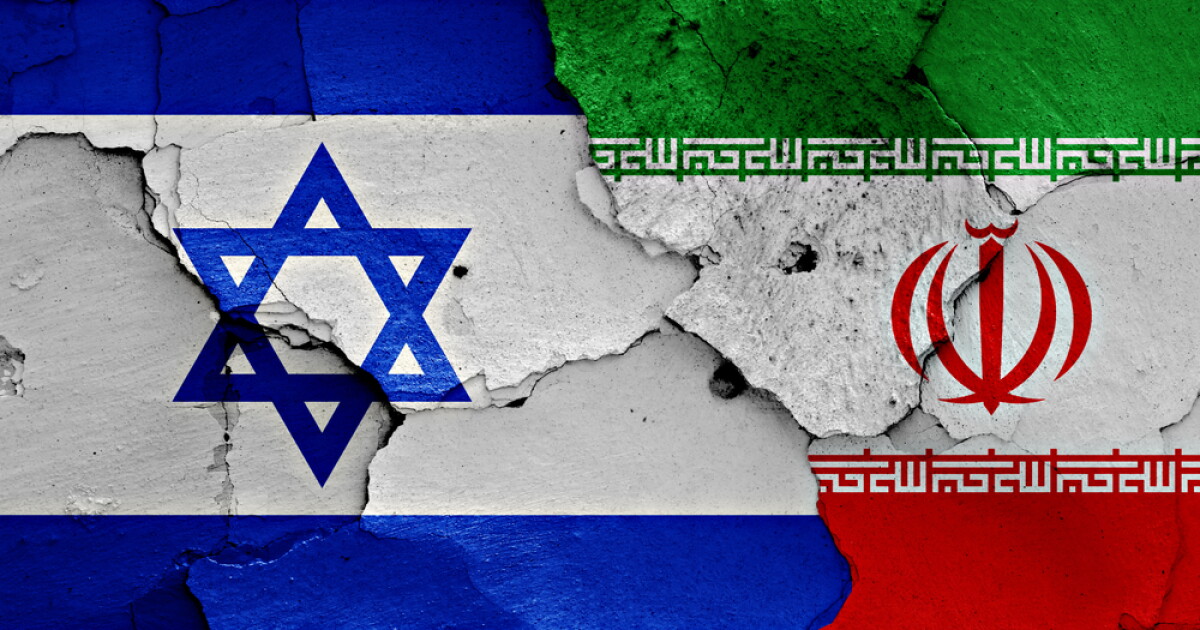
The sequence and speed of the latest clash between Israel and Iran cannot be understood outside of the broader context of Israel’s war on Lebanon.
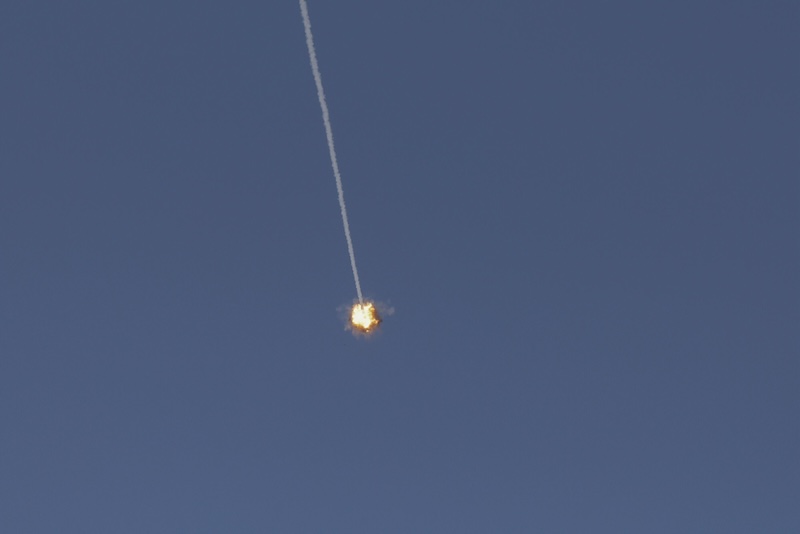
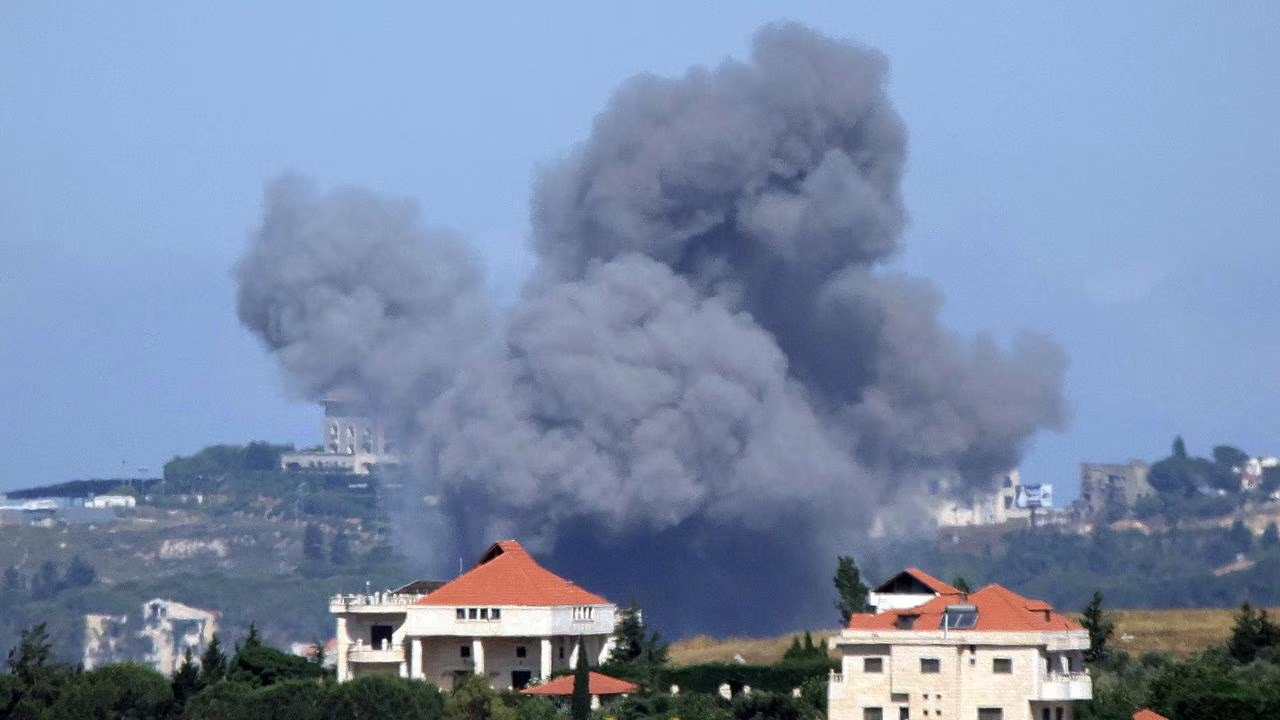
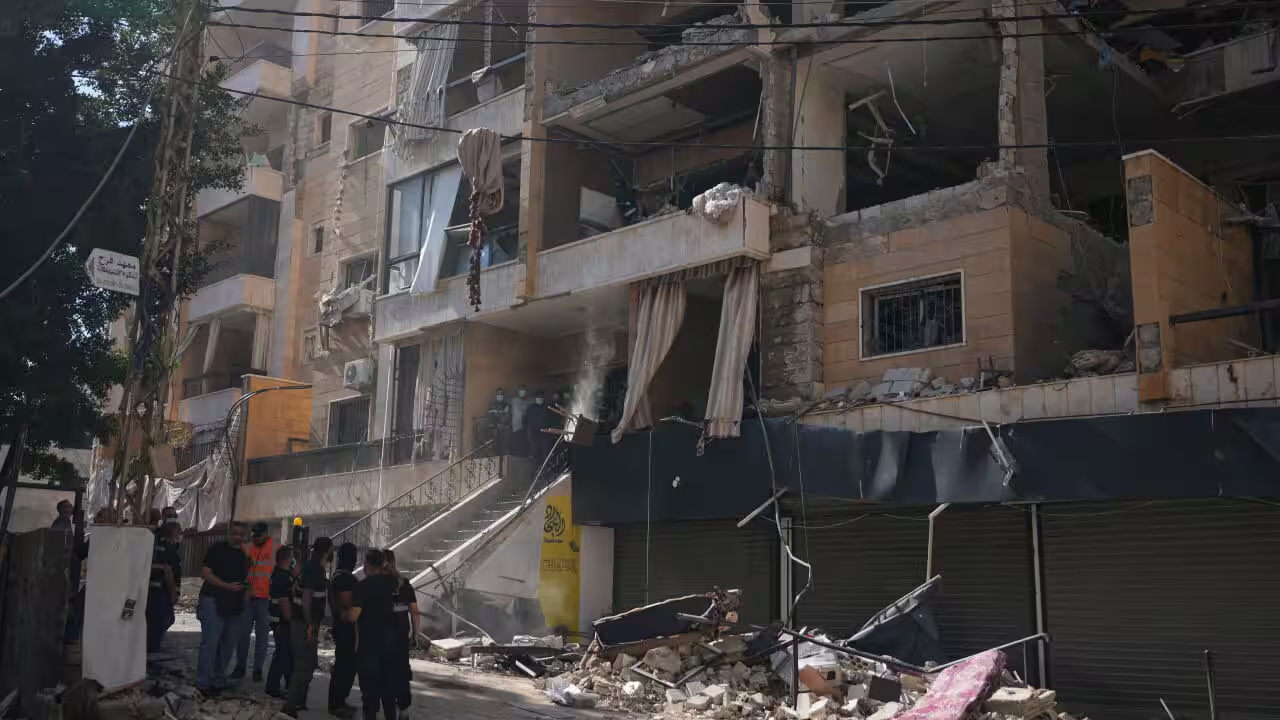
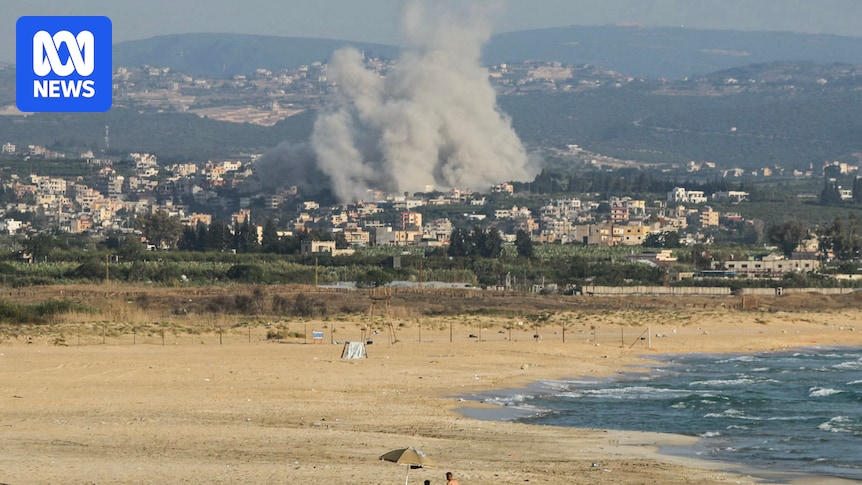
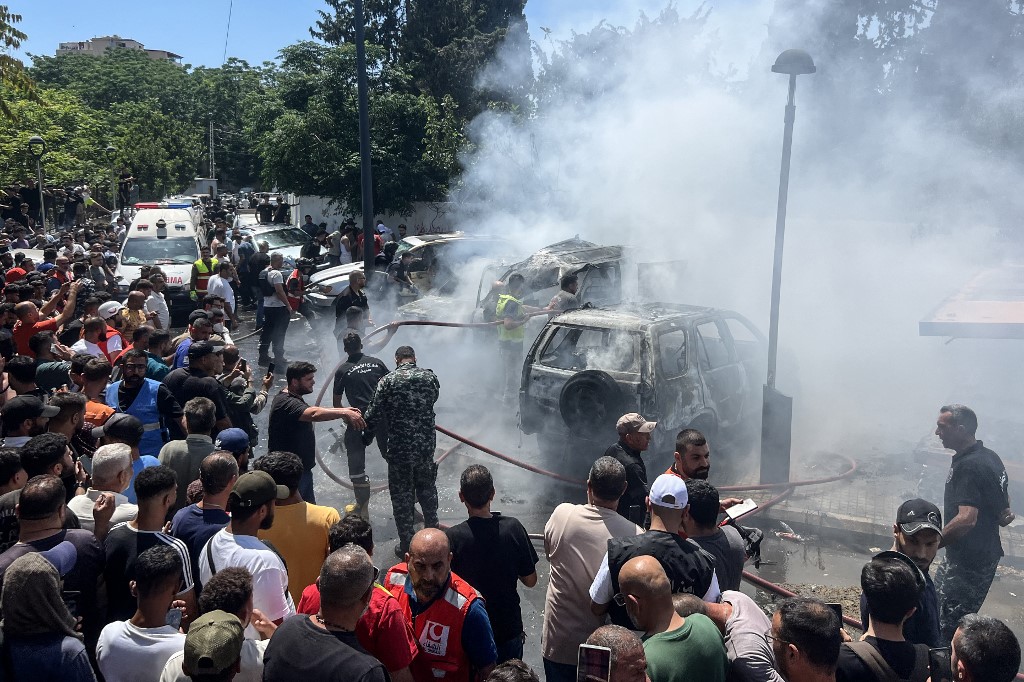
On Sunday, Iran launched missiles towards Israel in retaliation for Israeli strikes on Beirut’s southern suburbs, which Tel Aviv described as a response to recent Hezbollah fire in northern Israel. After the Iranian missile launch, Israel carried out retaliatory strikes against several cities in Iran.
Due to the rapid succession of events, some might have forgotten that even before the joint Israeli-US aggression against Iran began this past February, the Lebanese government sought ceasefire talks with Israel, which refused them.
At the time, Israel believed it had the upper hand, and it wanted to continue operating in Lebanon. Since signing a ceasefire deal with Hezbollah in November 2024, Israel has violated it more than 10,000 times, while boasting that the agreement only bound Hezbollah and left Tel Aviv free to maneuver.
Hezbollah’s entry into the Iran war surprised Israelis on three fronts: firstly, it debunked the Israeli assumption that Hezbollah had lost its fighting capacity and morale; secondly, it showed that Hezbollah could exact high costs from the Israeli military; and thirdly, it revealed Iran’s firm commitment to Hezbollah and Lebanon as a baseline condition for a US-Iran ceasefire.