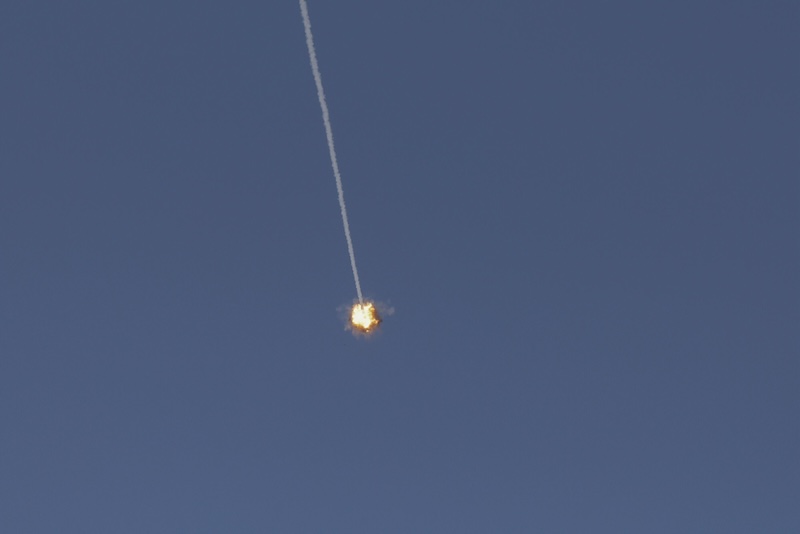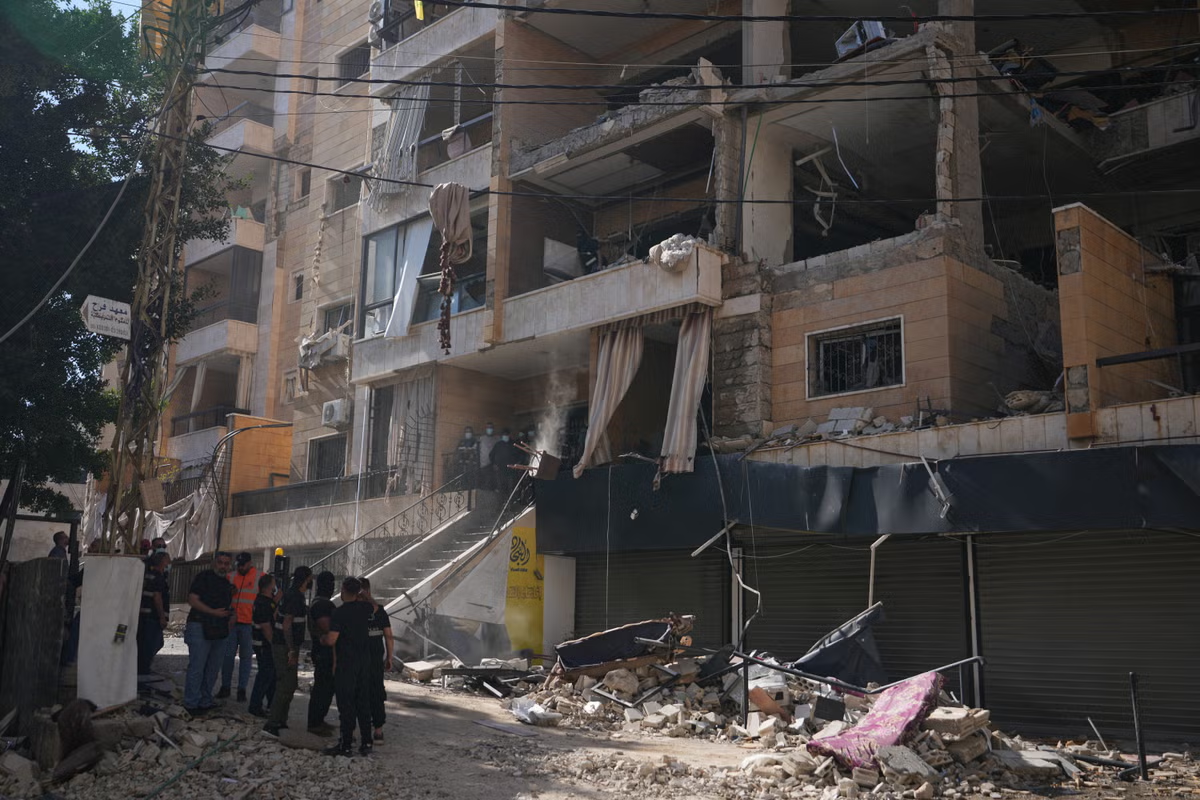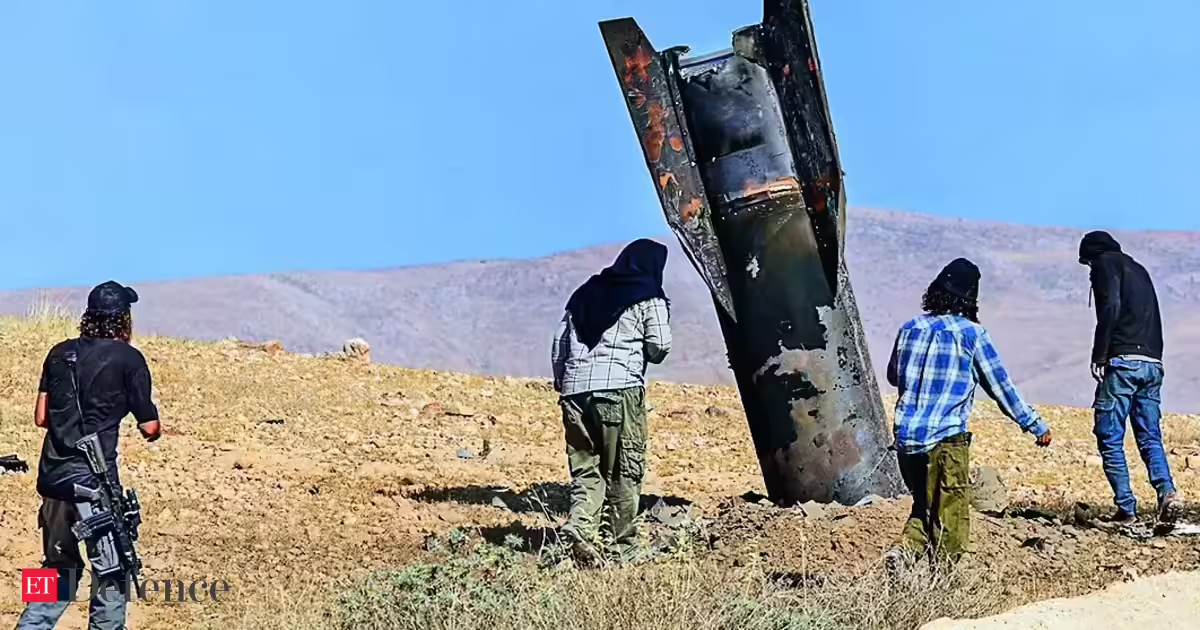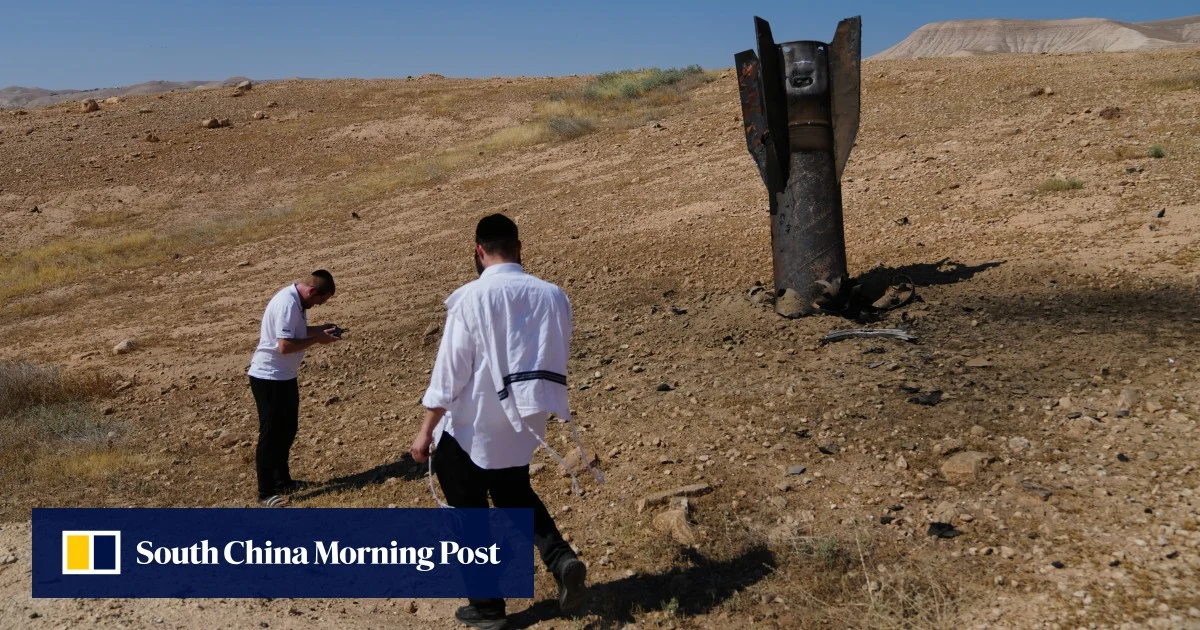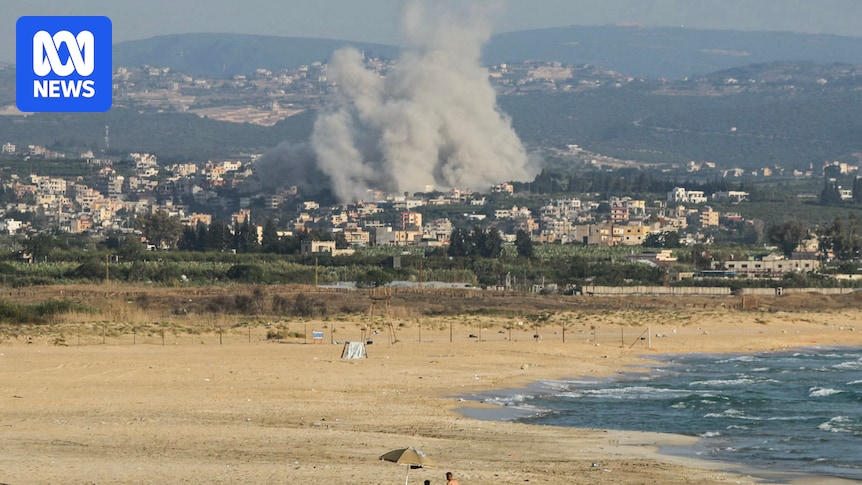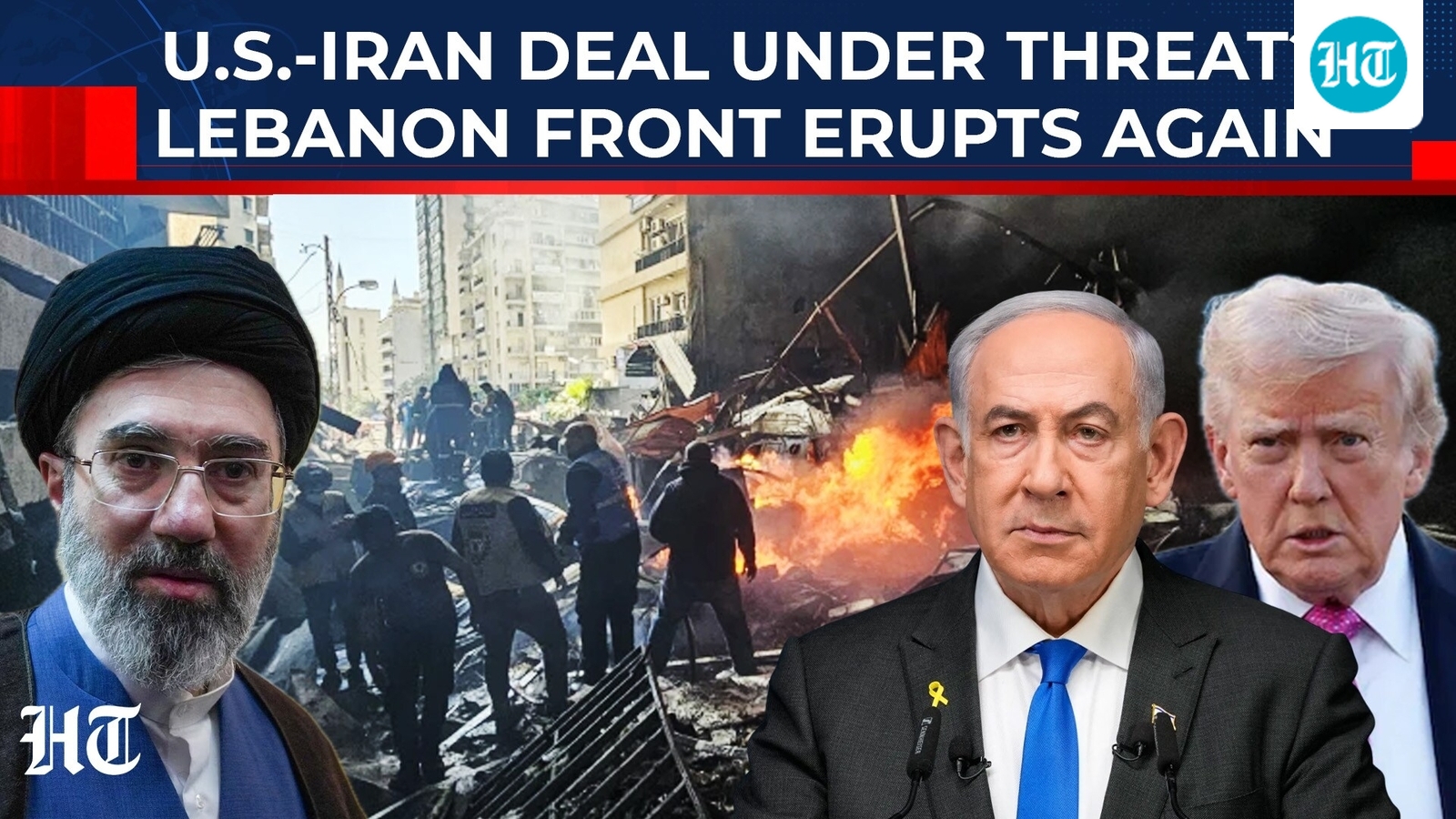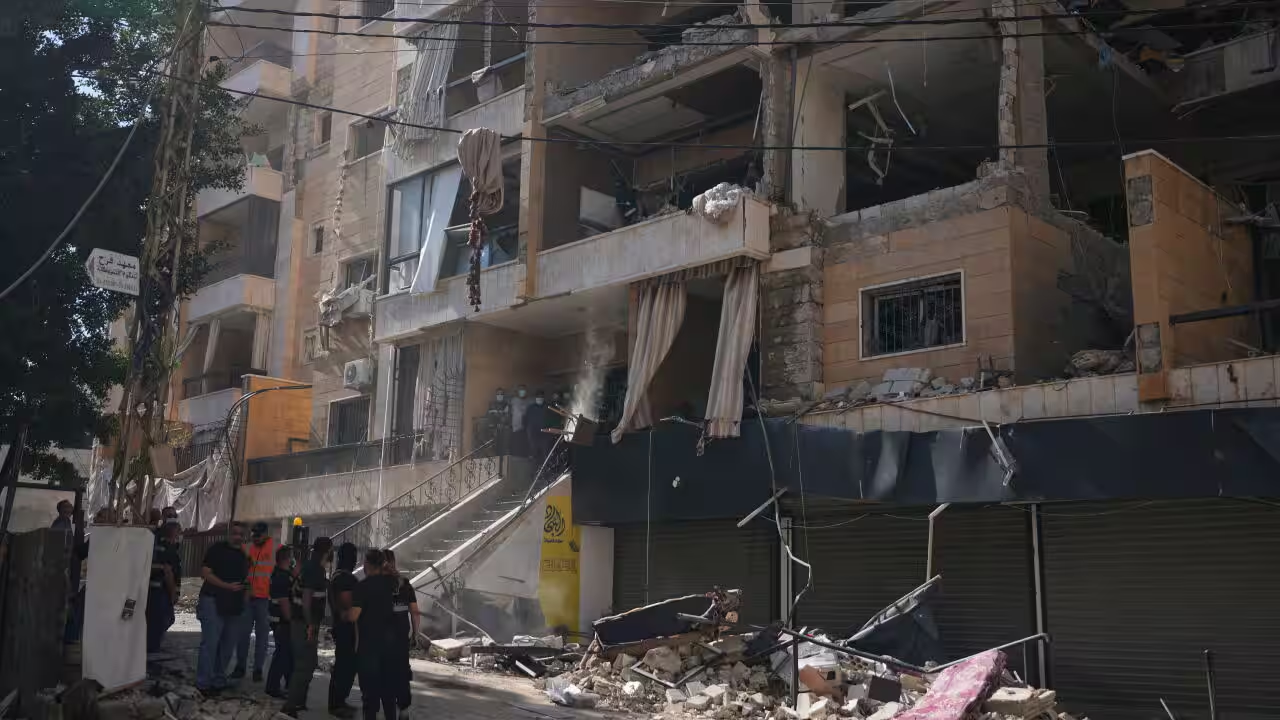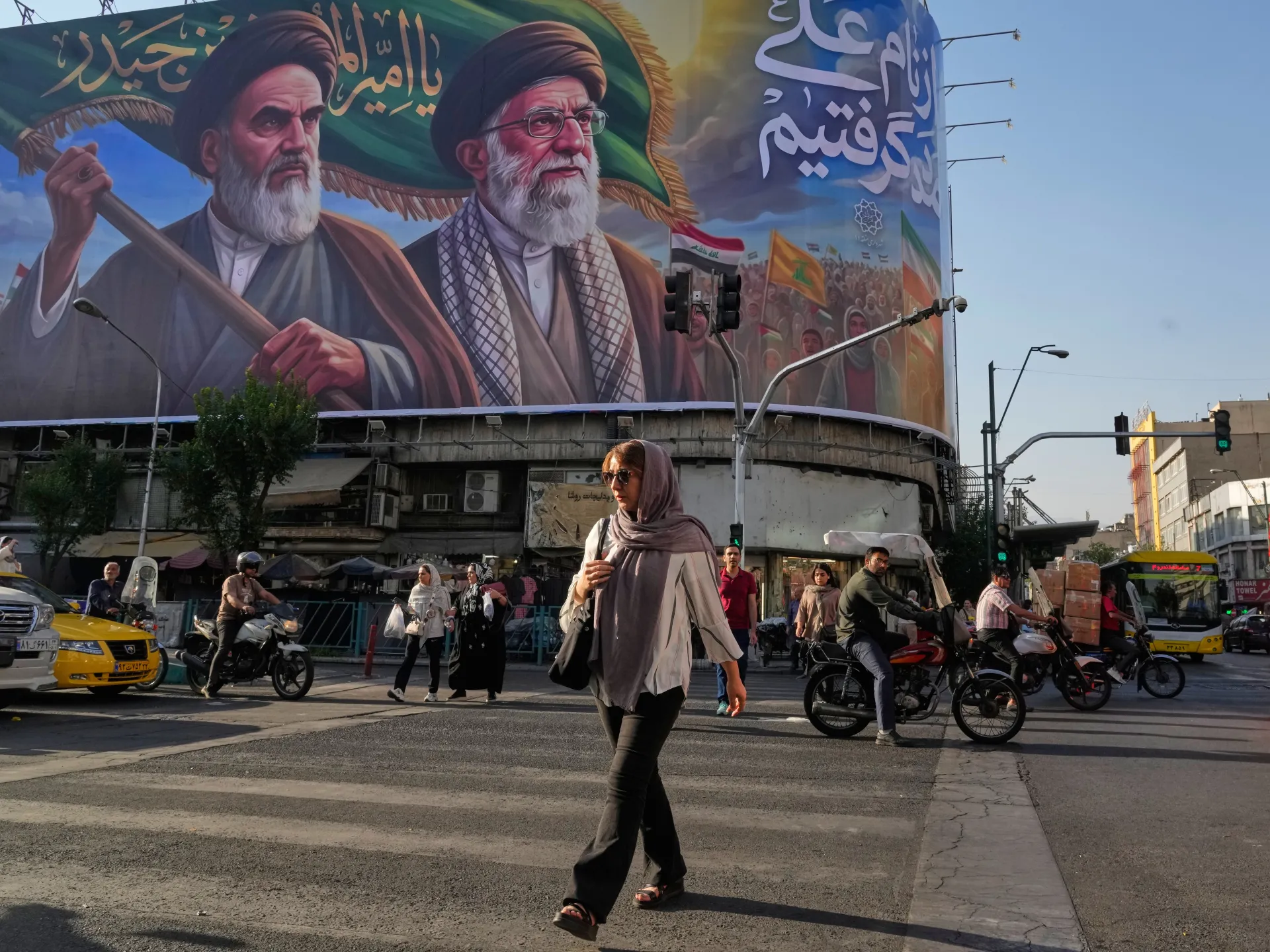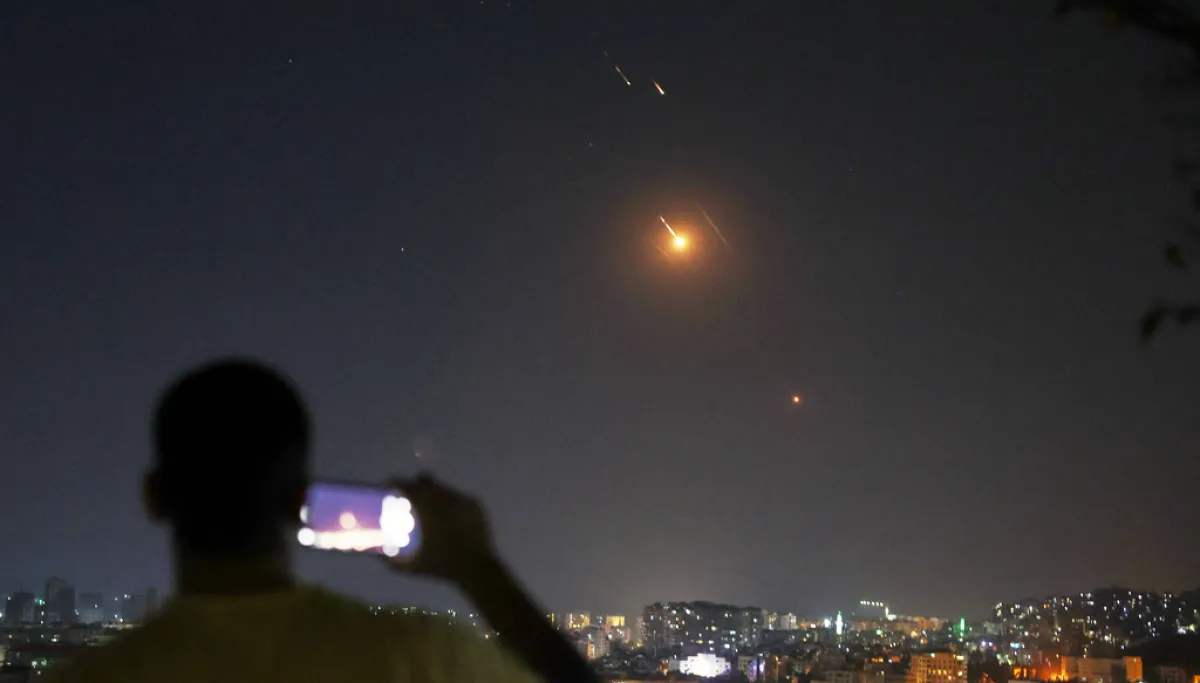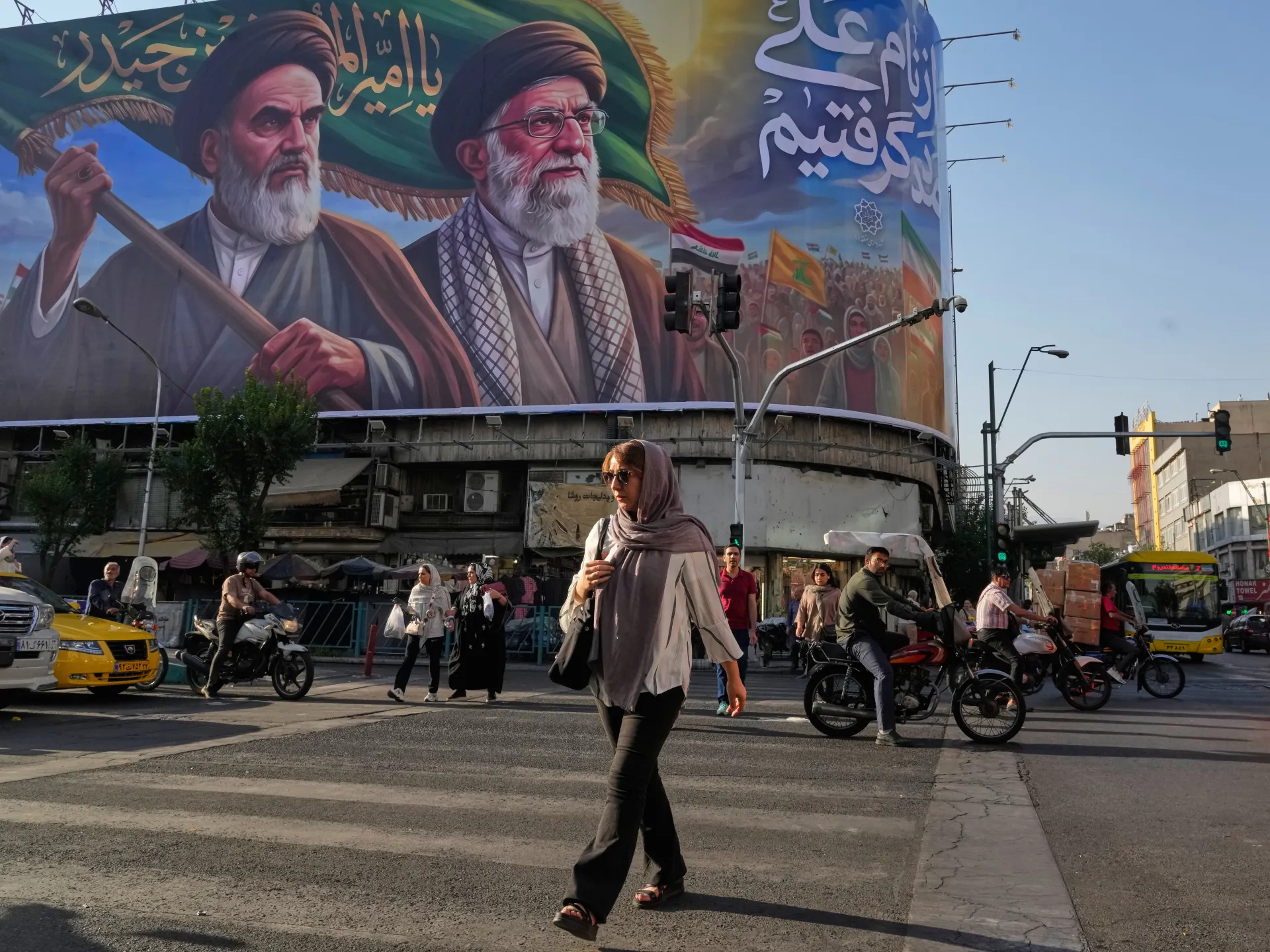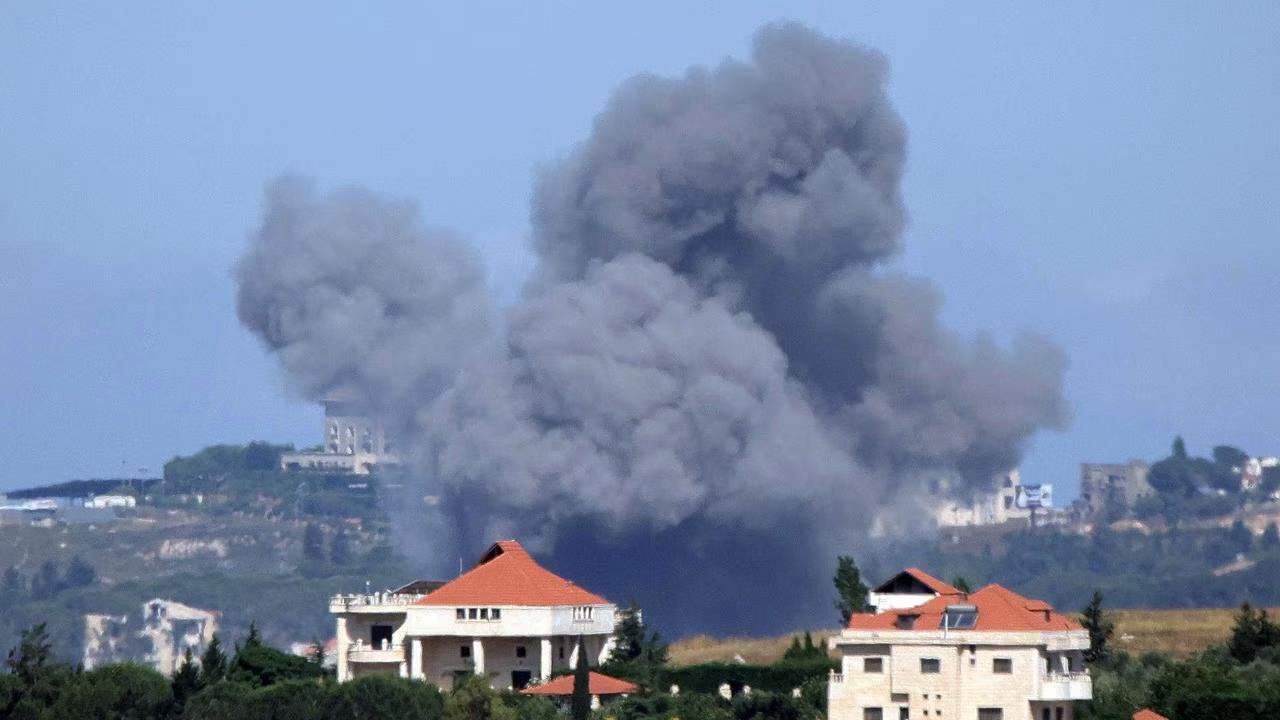
Defence Industry Minister Pat Conroy has branded the escalation in the Middle East “incredibly unhelpful” after Israel and Iran exchanged fire just days after a US-brokered ceasefire took effect. On Sunday local time, Tel Aviv launched missiles at Dahieh, in Beirut’s south, striking the Lebanese capital in an attack that killed two people and injured at least 20, including children. Israeli Prime Minister Benjamin Netanyahu claimed Sunday’s strikes were retaliatory. He said the attacks targeted the Iran-backed militant group Hezbollah in response to it “firing at Israeli territory”. Later that evening, Iran launched three waves of strikes on northern Israel in response. The Israeli military said all of those missiles were intercepted, with no loss of life reported. Reacting to the renewed escalation, Mr Conroy told the ABC the development was “incredibly unhelpful” and reiterated Australia’s calls for de-escalation. “We want the ceasefire to hold and a long term peace to be negotiated and agreed to so that the Strait of Hormuz can be reopened and resources can flow to and from that region,” he said on Monday. “That’s critical to the global economy. And, all parties need to take a breath, de-escalate and find a solution to what’s occurring there.” He said it was “very clear that the ceasefire is tenuous and that is challenging for all of us”.“But we just continue to call for everyone to return to the negotiating table, find a long-term solution, de-escalate,” he said. “It’s in the interest of the entire globe and the sooner this conflict gets resolved the better.” Anthony Albanese echoed that sentiment, but when asked if he regretted his call to back the US and Israel’s actions upon the outbreak of war in February, doubled down on his decision. “Iran can’t be allowed to get a nuclear weapon. That was the position that we took. That’s the right position,” he said. “We’ve called for a de-escalation. We’ve called for a clear exit plan out of this and we’ve done that consistently for a long period of time. This needs to conclude.”Reuters reported, citing an Israeli official, that US President Donald Trump had spoken to Mr Netanyahu to urge him to show restraint against the attacks. But, as of early Monday morning, Iranian state media had reported several explosions in Tehran, as well as in the economic hubs of Isfahan and Tabriz. The Israeli military later confirmed in a statement it had attacked “military targets belonging to the Iranian terror regime in western and central Iran”. Al Jazeera Arabic had also since reported a number of explosions heard across Lebanon. Beirut was dragged into the regional war in February after militant group Hezbollah launched rockets into northern Israel on March 2, days after the US and Israel attacked Iran.A fifth of its population has since become displaced. Independent human rights experts have alleged Israel’s issuing of blanket evacuation orders – and the destruction of urban and village housing that displaced people would otherwise return to – may constitute ethnic cleansing of Shiite communities in southern Lebanon.
Iran, Israel exchange fire after Tel Aviv attacks southern Lebanon
Defence Industry Minister Pat Conroy has branded the escalation in the Middle East “incredibly unhelpful” after Israel and Iran exchanged fire just days after a US-brokered ceasefire took effect.
505 words~2 min read