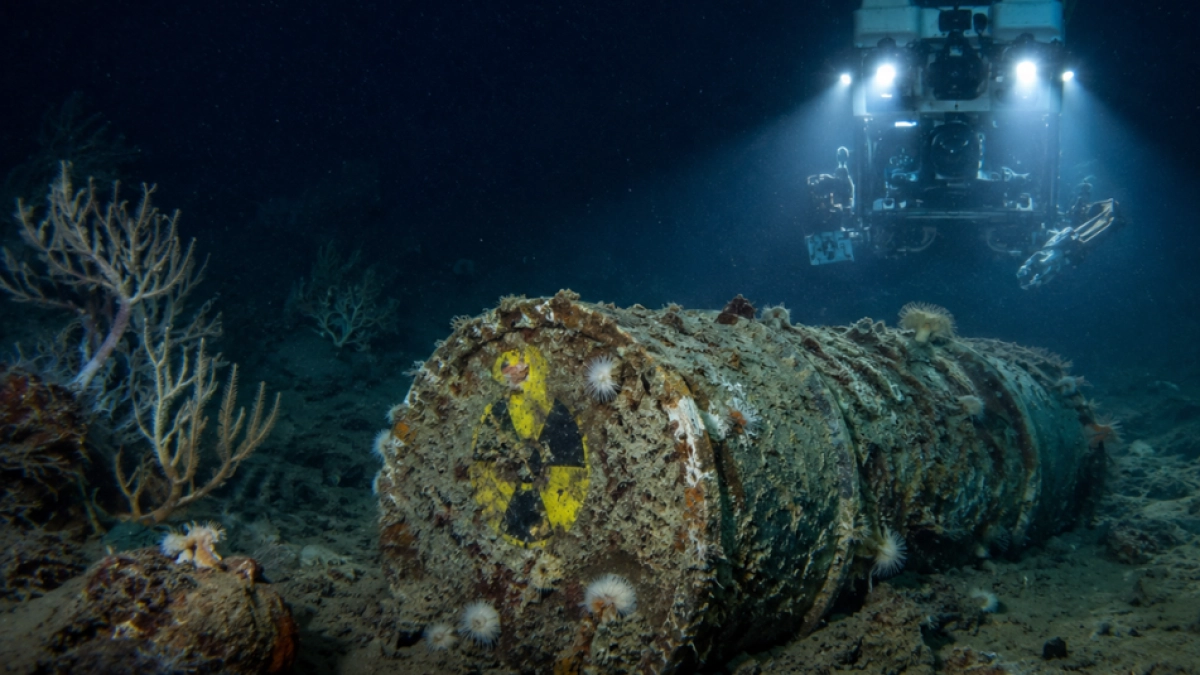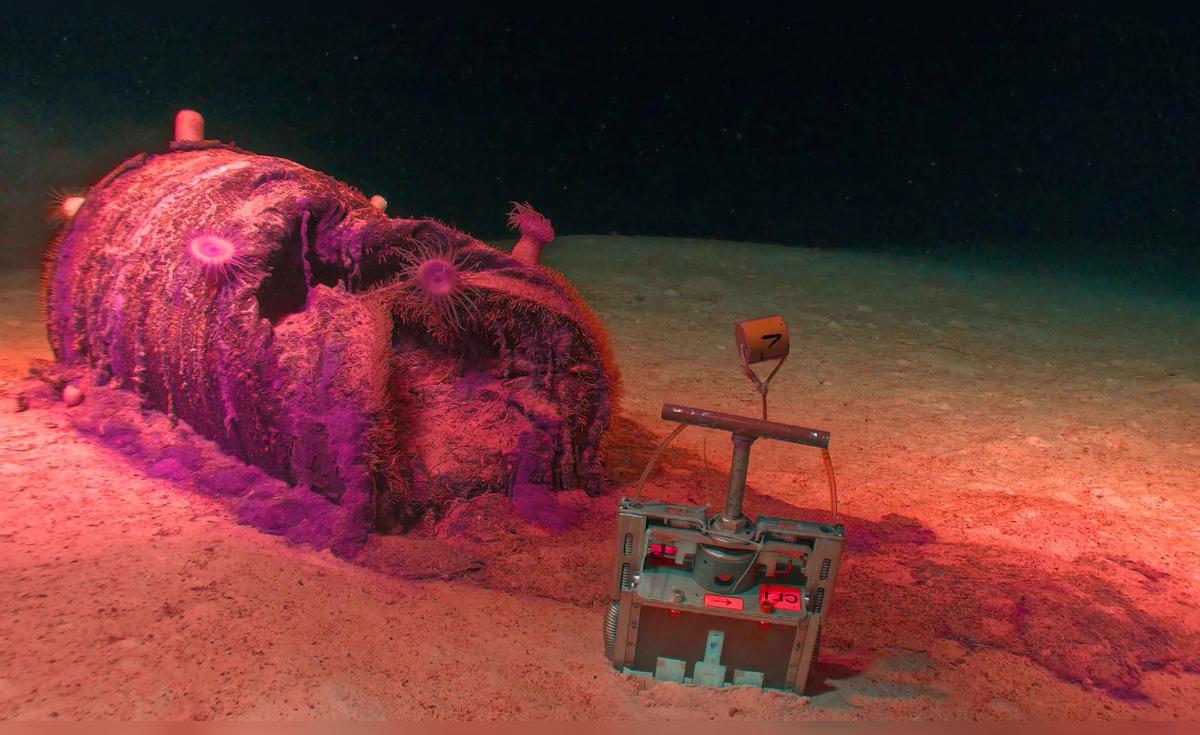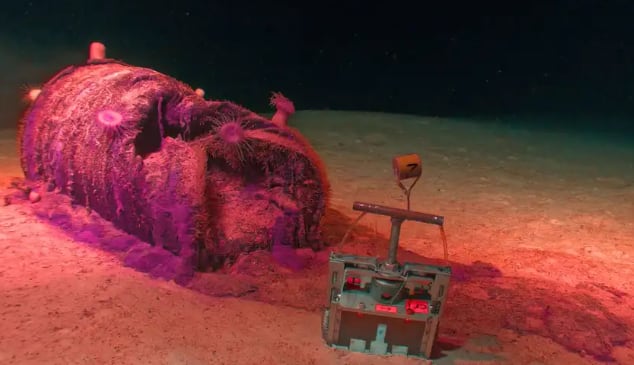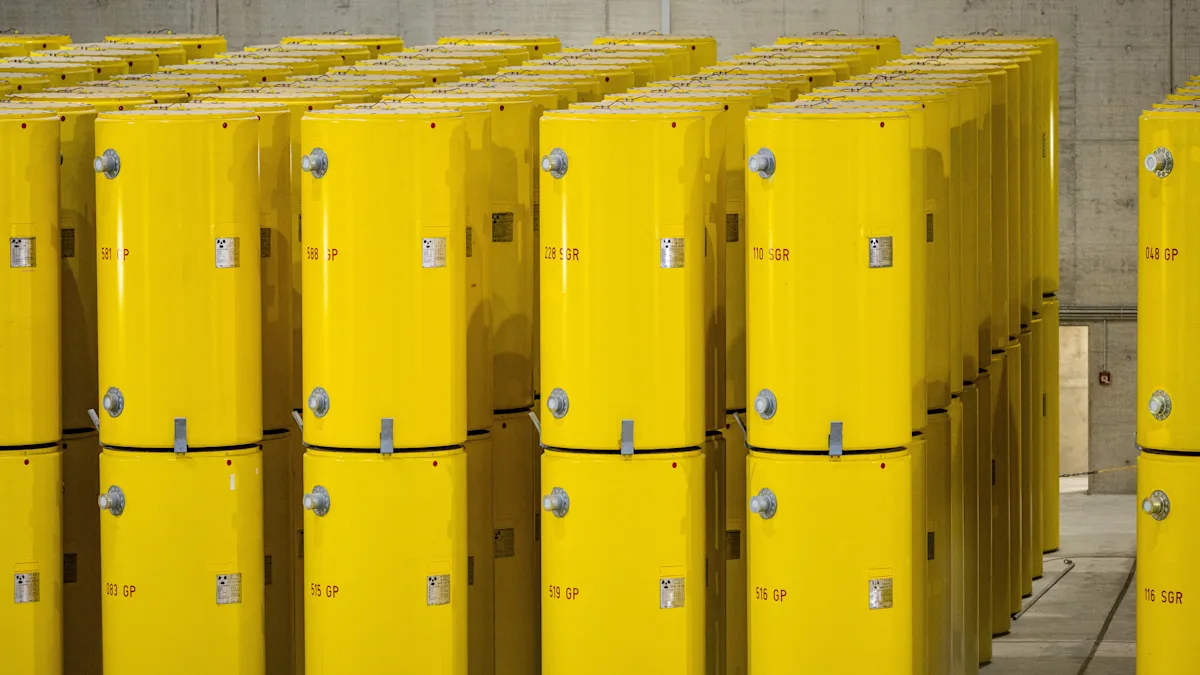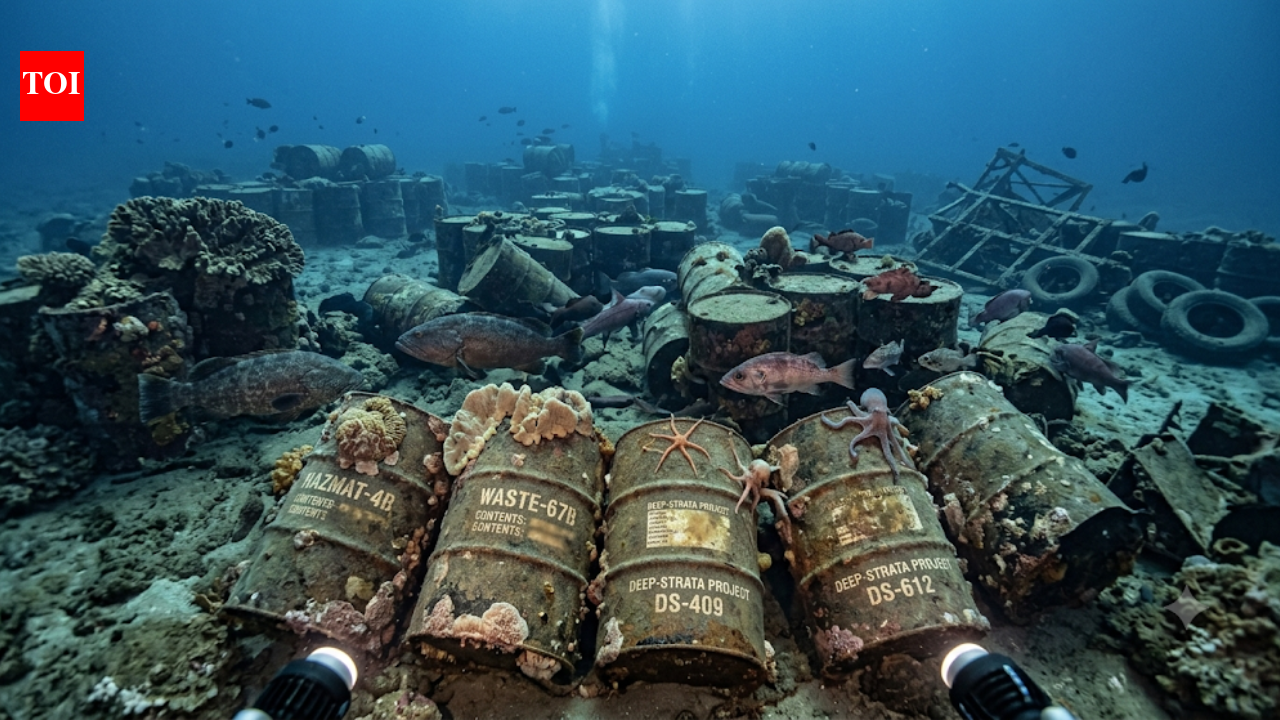
Four kilometres beneath the surface of the Atlantic Ocean, beyond the reach of sunlight and far from shipping lanes, lies a forgotten chapter of the nuclear age.Scattered across a vast stretch of seabed are more than 200,000 barrels of radioactive waste.
They were lowered into the ocean over several decades during the second half of the twentieth century, at a time when deep-sea disposal was widely viewed as an acceptable solution to a growing problem.
Once the barrels disappeared beneath the waves, attention largely moved elsewhere.Now, scientists are heading back.
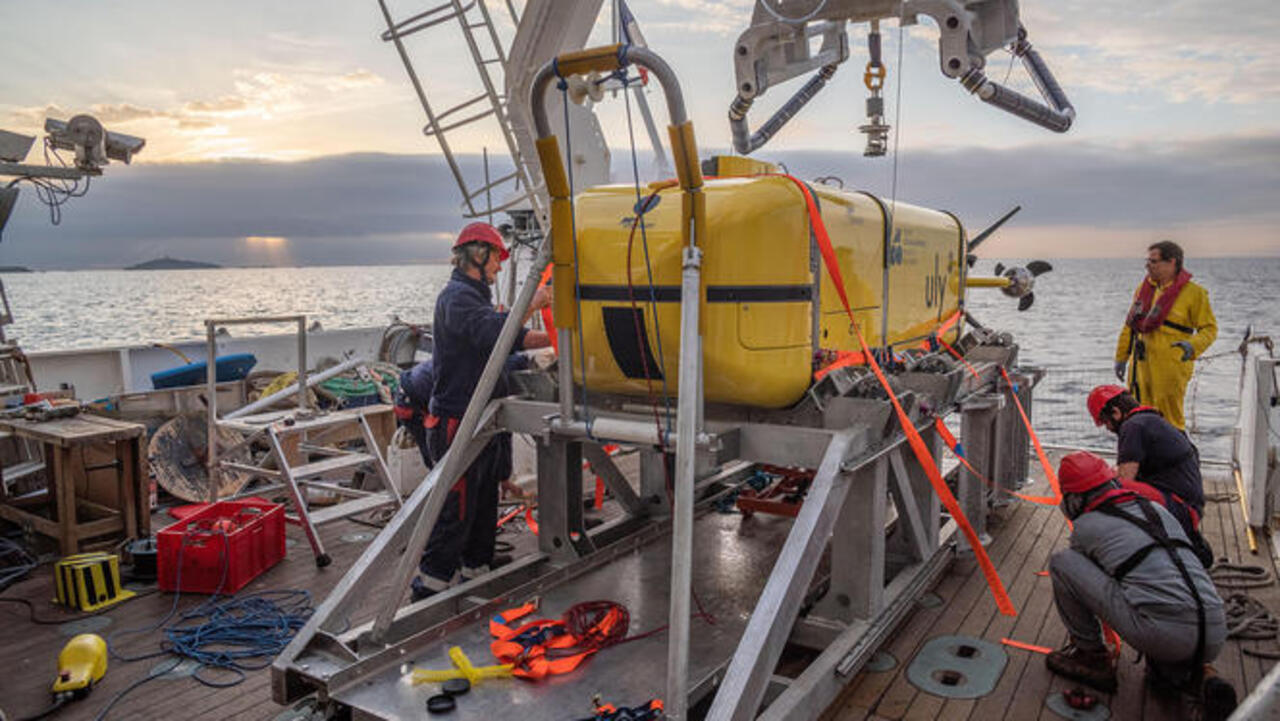
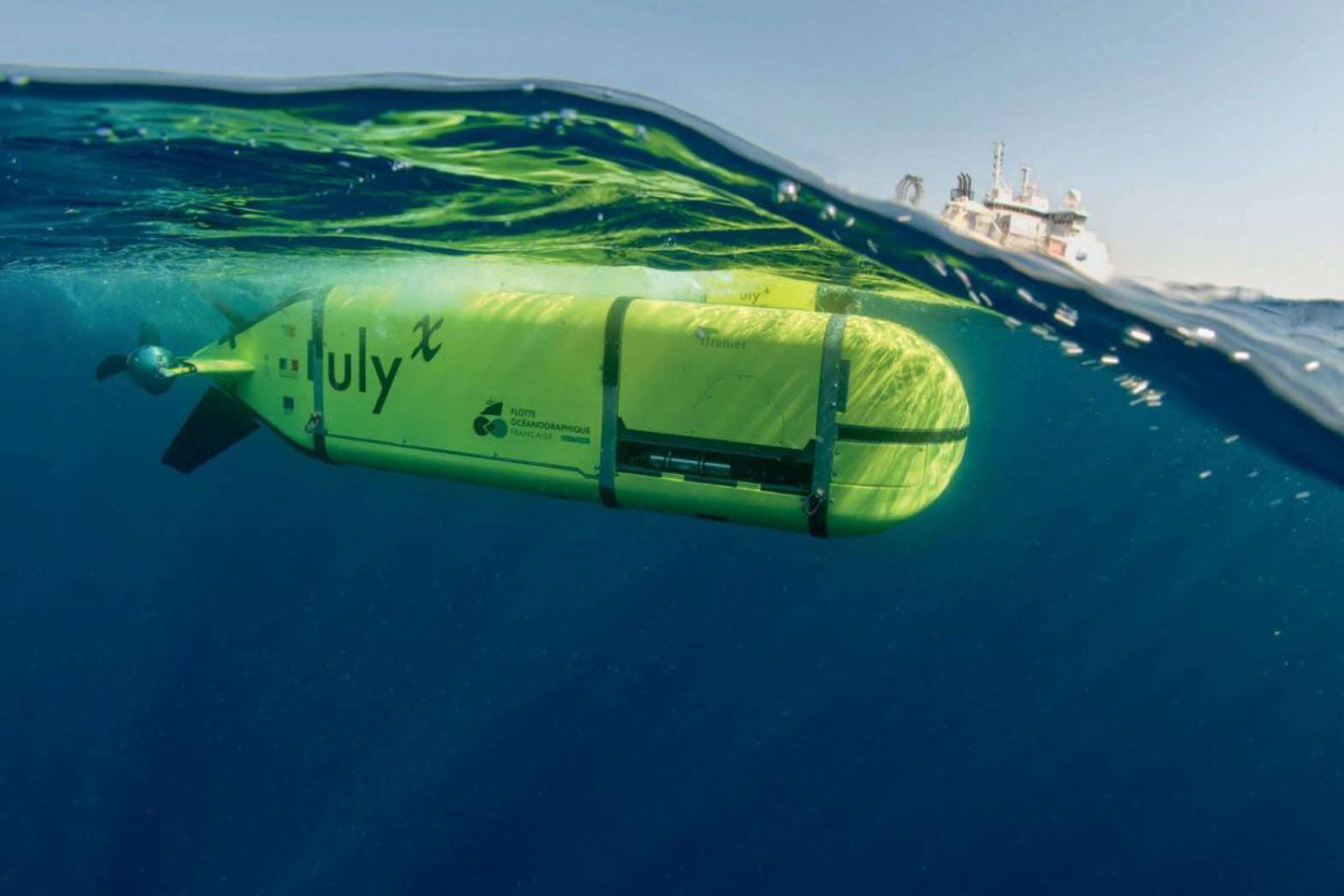
Using autonomous underwater vehicles capable of operating in some of the deepest parts of the ocean, an international team is beginning the most detailed investigation yet of these underwater dumping grounds.
Their goal is not only to locate the barrels, many of which have never been precisely mapped, but also to understand how they have changed after decades on the seafloor and whether they are affecting one of Earth's least explored ecosystems.The mission could finally shed light on a question that has remained unanswered for more than 30 years: what became of the radioactive waste that the world left behind?The Atlantic became a dumping ground during the early nuclear eraLong before climate change and plastic pollution dominated environmental debates, governments faced another challenge: what to do with the growing volumes of radioactive waste produced by research laboratories, hospitals and the rapidly expanding nuclear industry.The solution many countries settled on now seems startling.