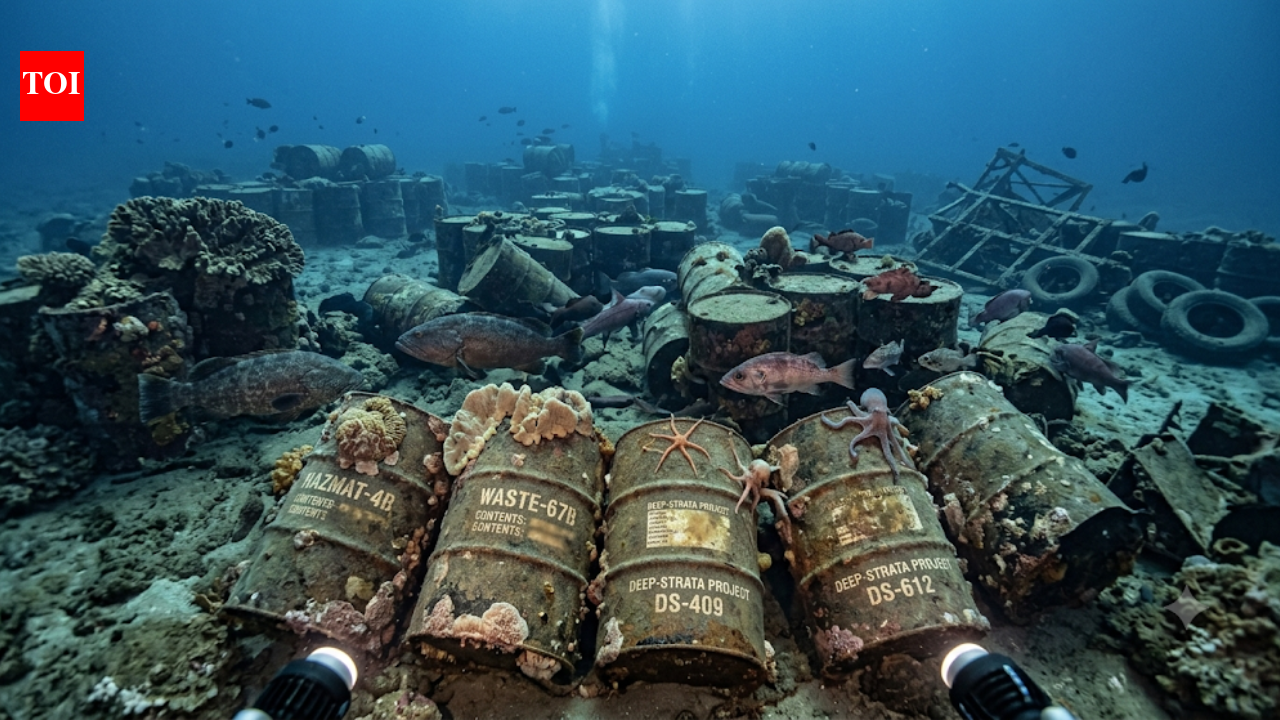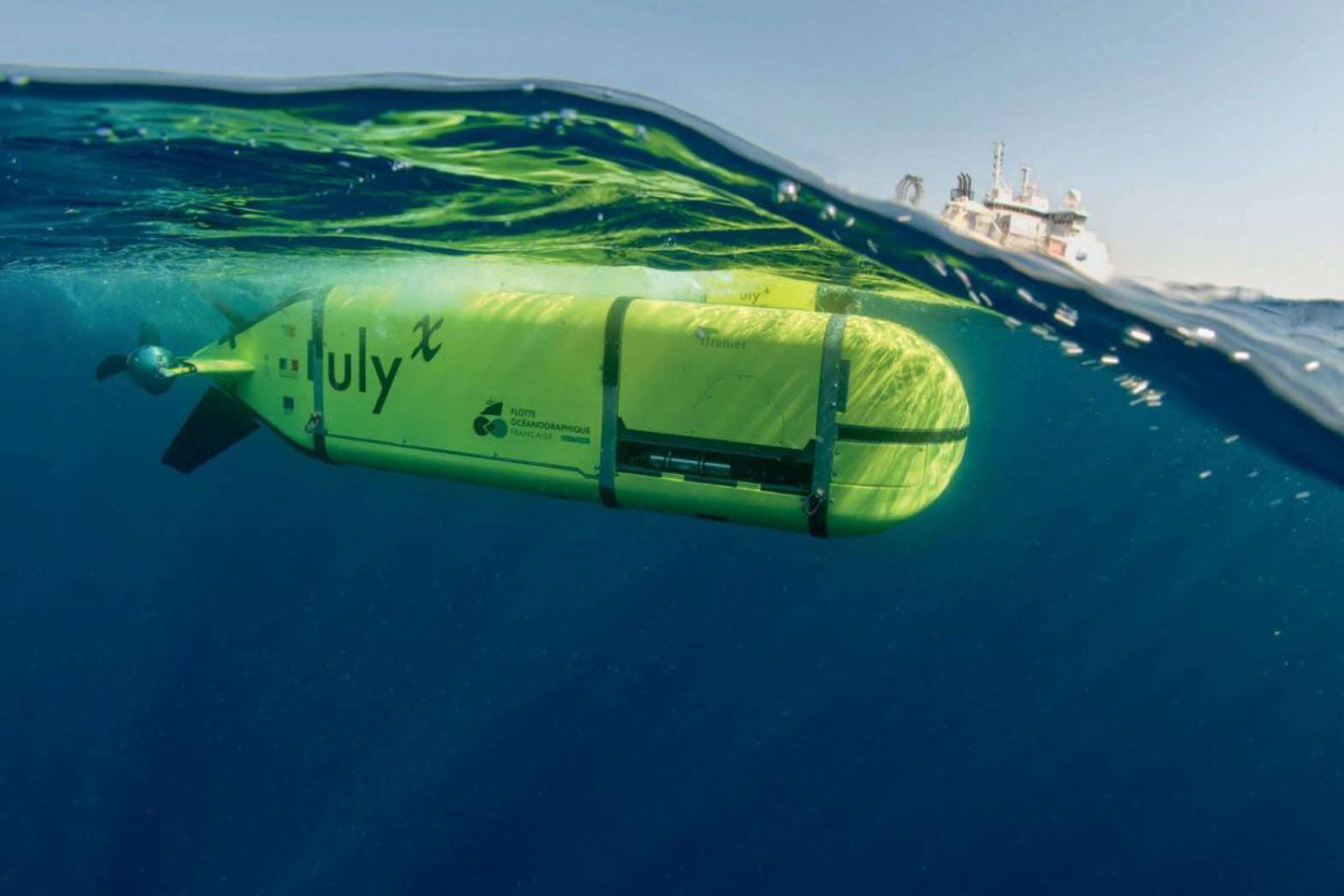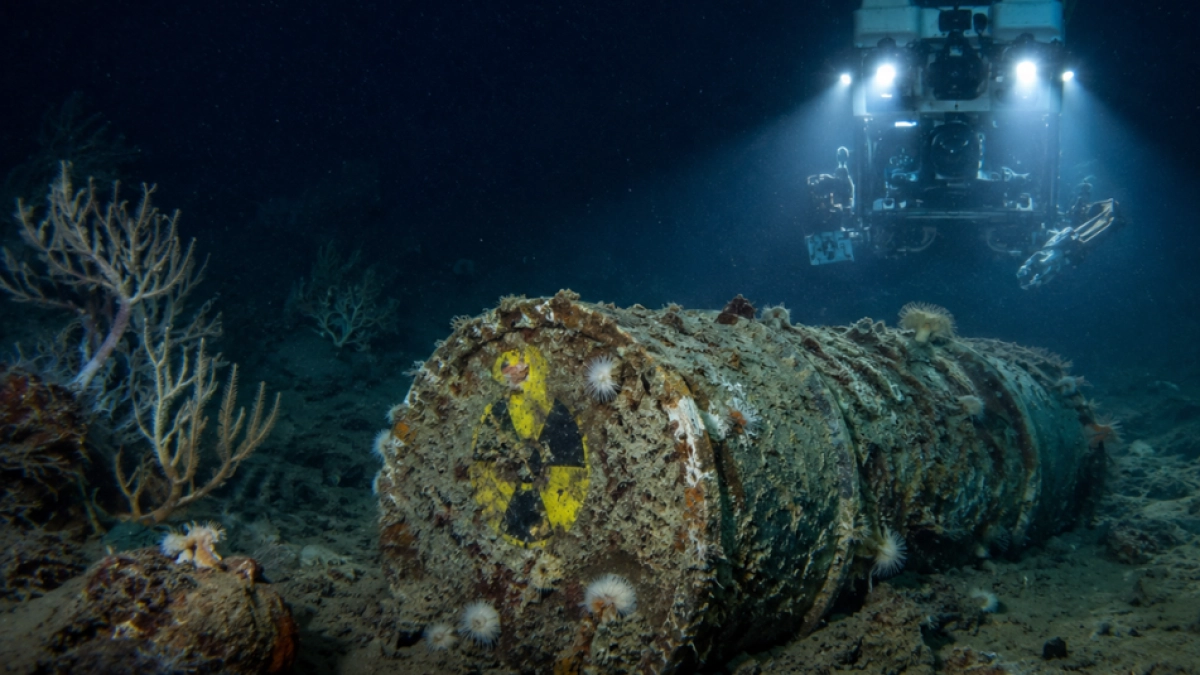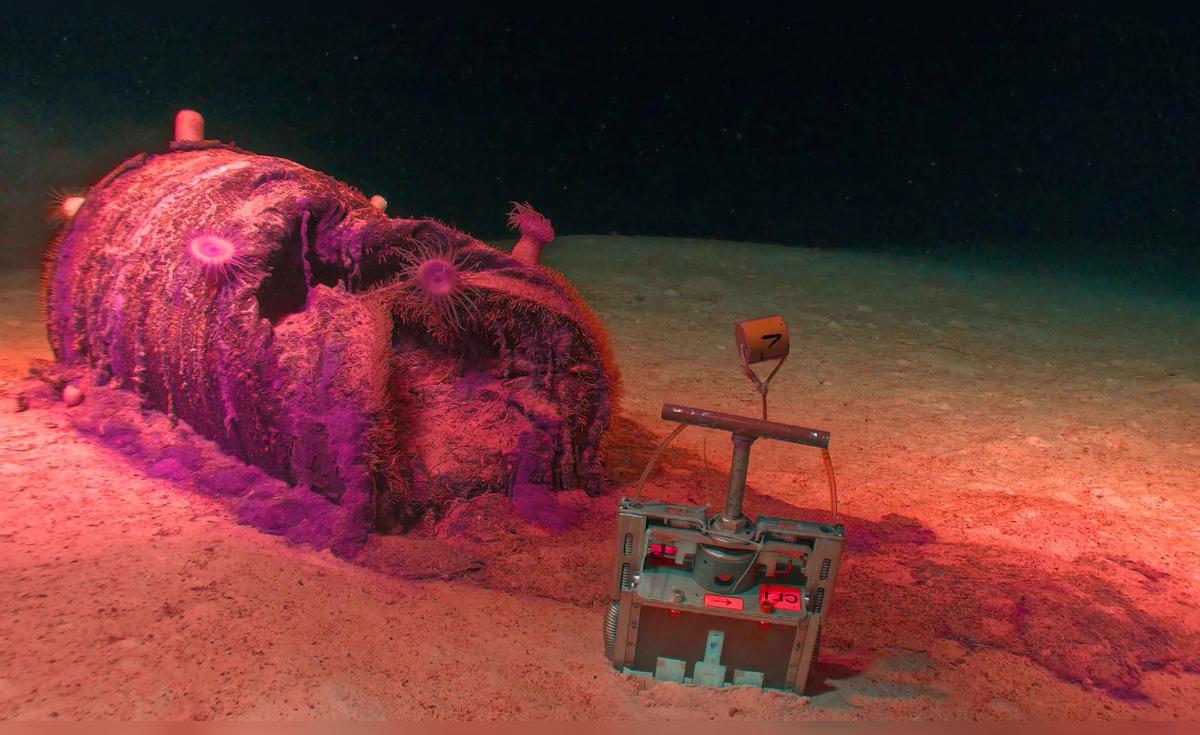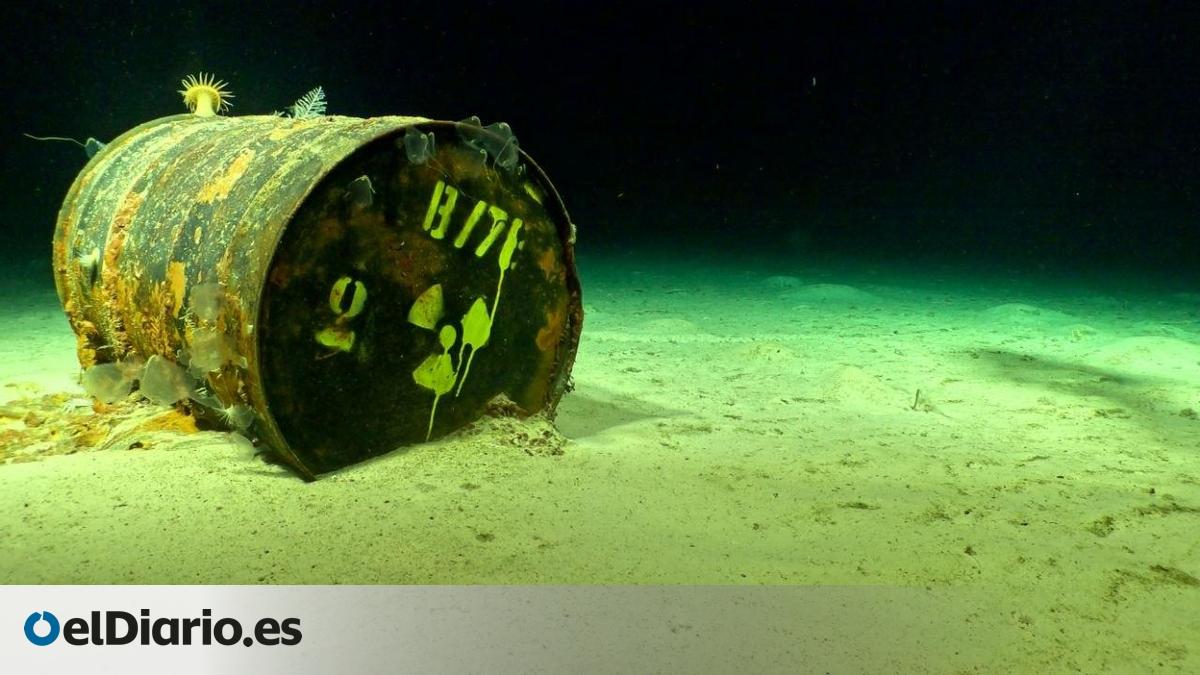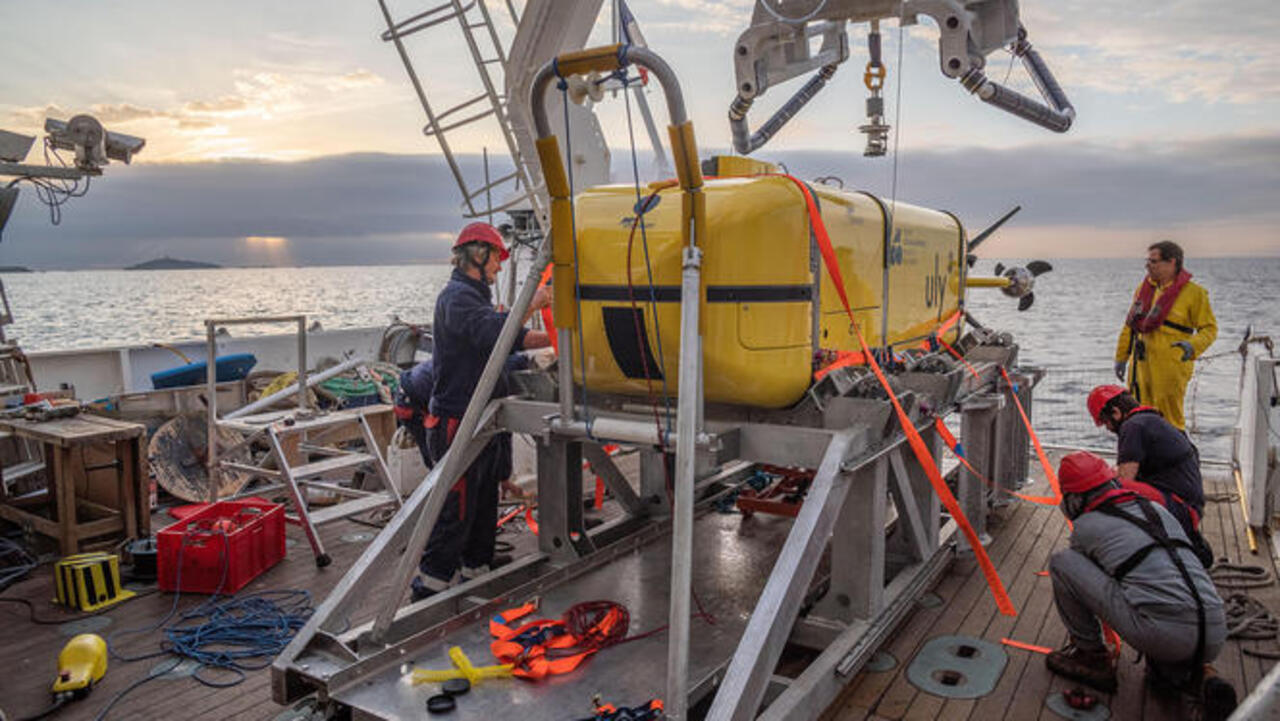
For nearly five decades, more than 200,000 barrels of radioactive waste were dumped in the icy depths of the northeast Atlantic. Today, no one knows precisely where these barrels are located, or what kind of state they are in. On June 15, a French-led team of scientists will set sail from Brittany in a bid to map the barrels and assess their impacts on surrounding marine ecosystems.
Issued on: 07/06/2025 - 10:27
Modified: 07/06/2025 - 10:27
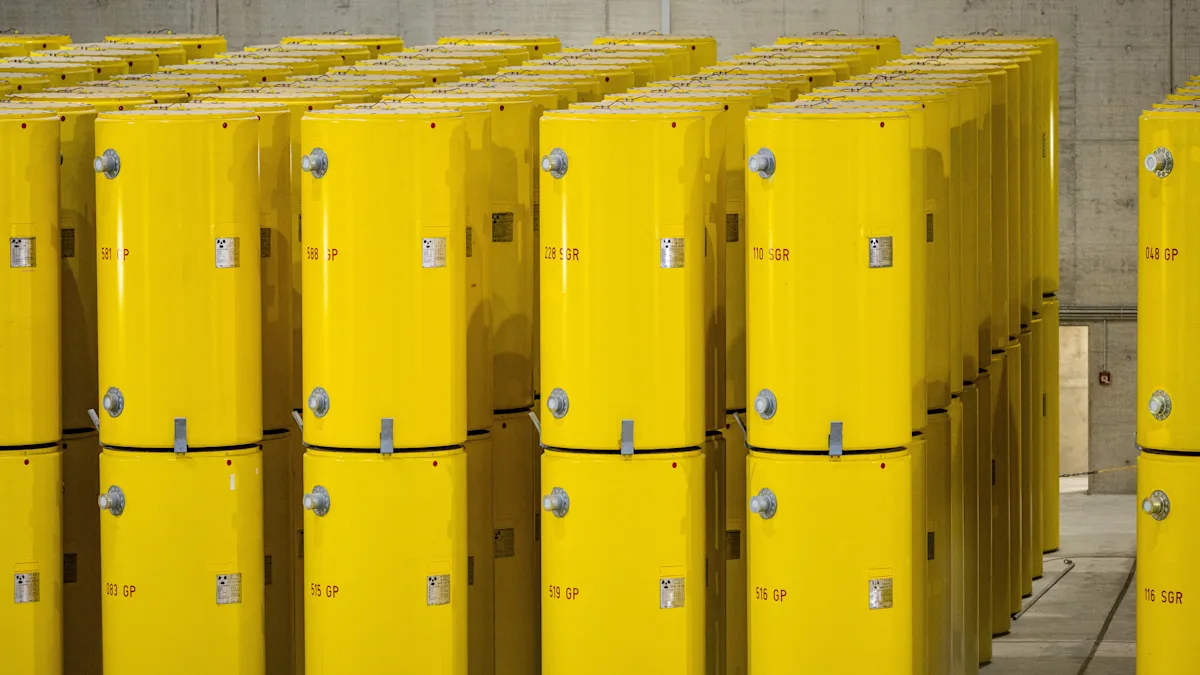
It had long been considered a safe way to dispose of radioactive waste. For nearly five decades, tens of thousands of tonnes of waste – sealed in watertight barrels of asphalt and cement – were dumped in international waters.
Although the practice is now banned, between 1946 and 1993, 14 European countries – including France and the UK – carried out dumping operations at more than 80 locations in the Arctic, Atlantic and Pacific.