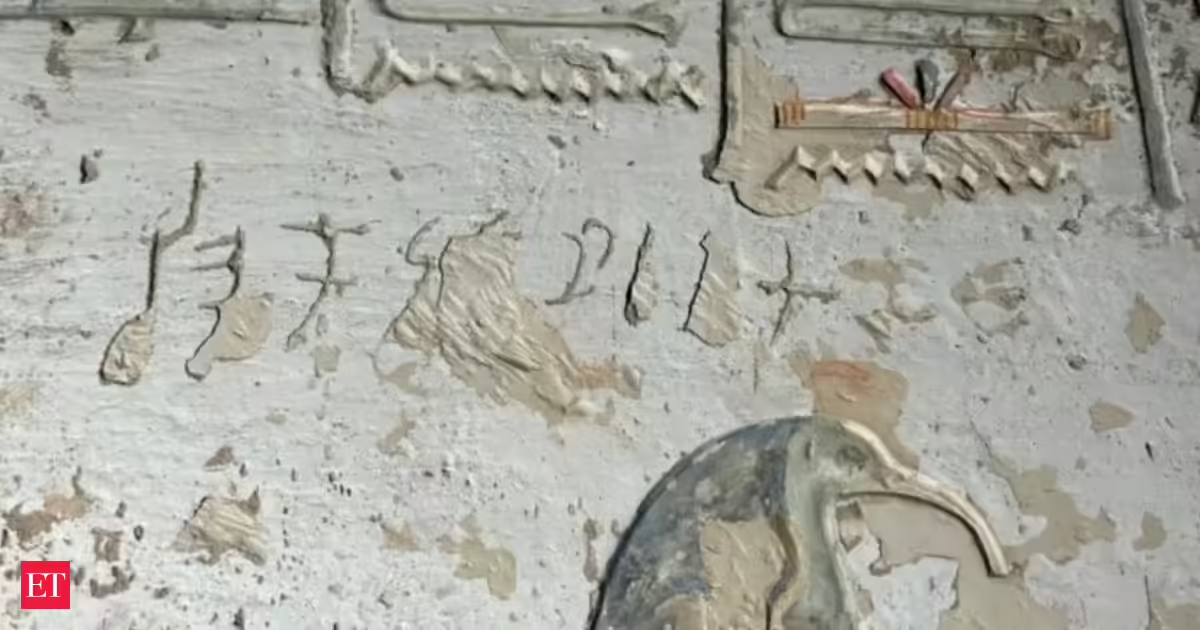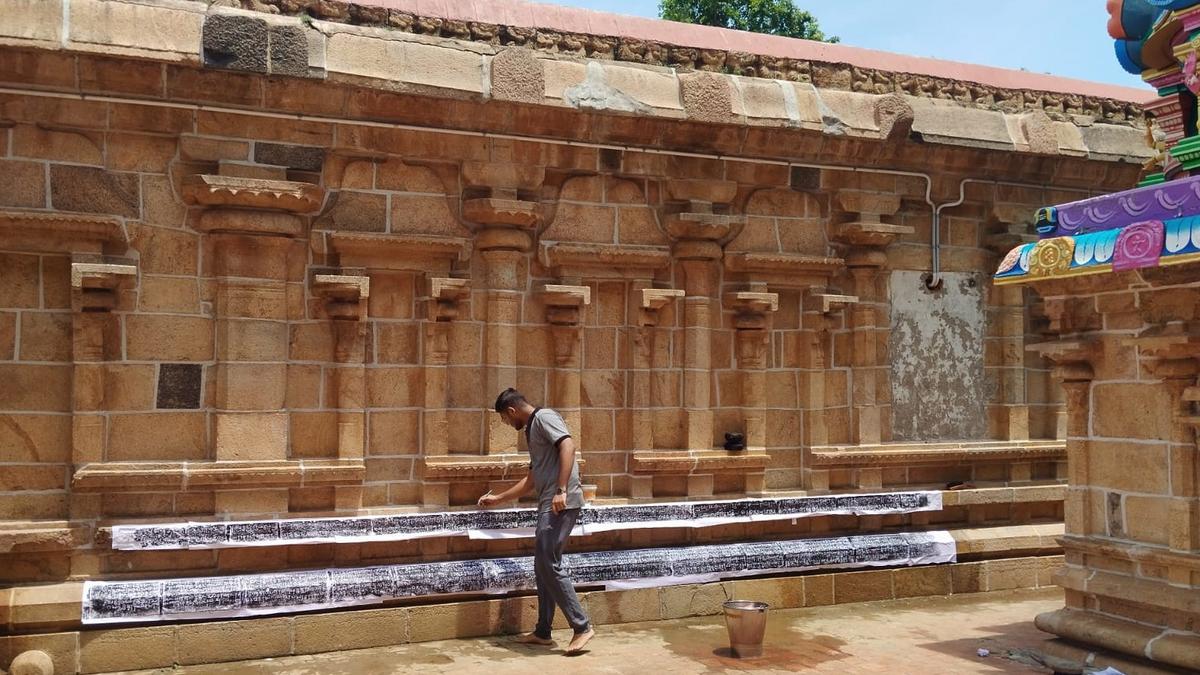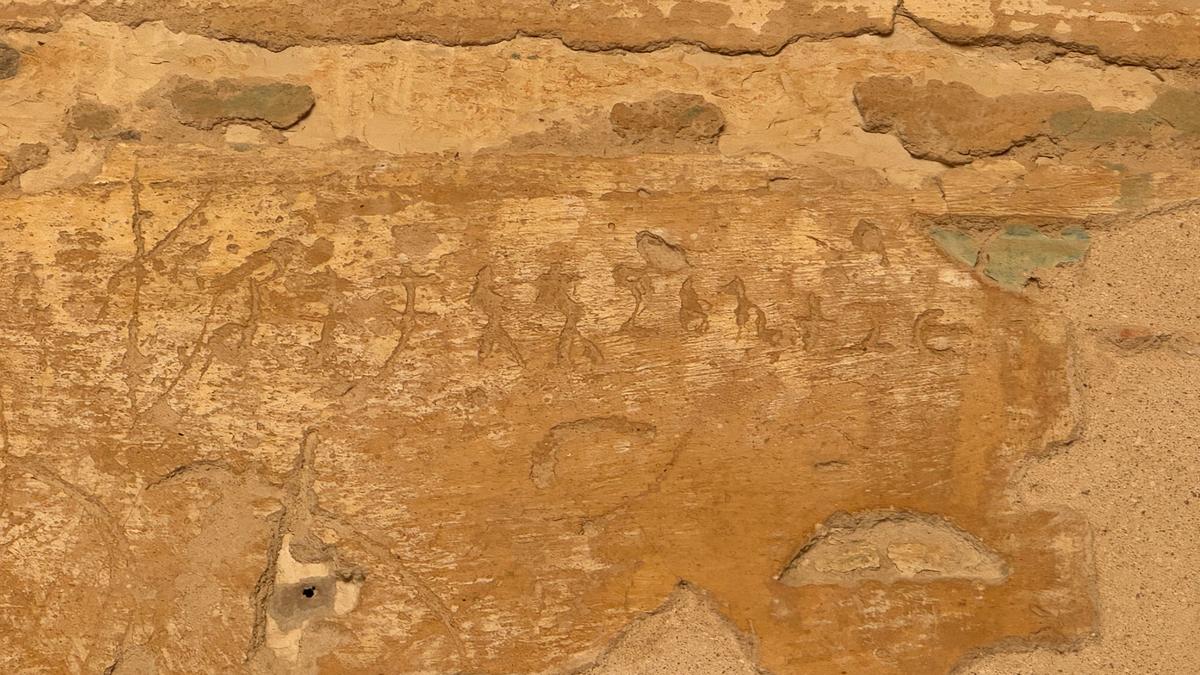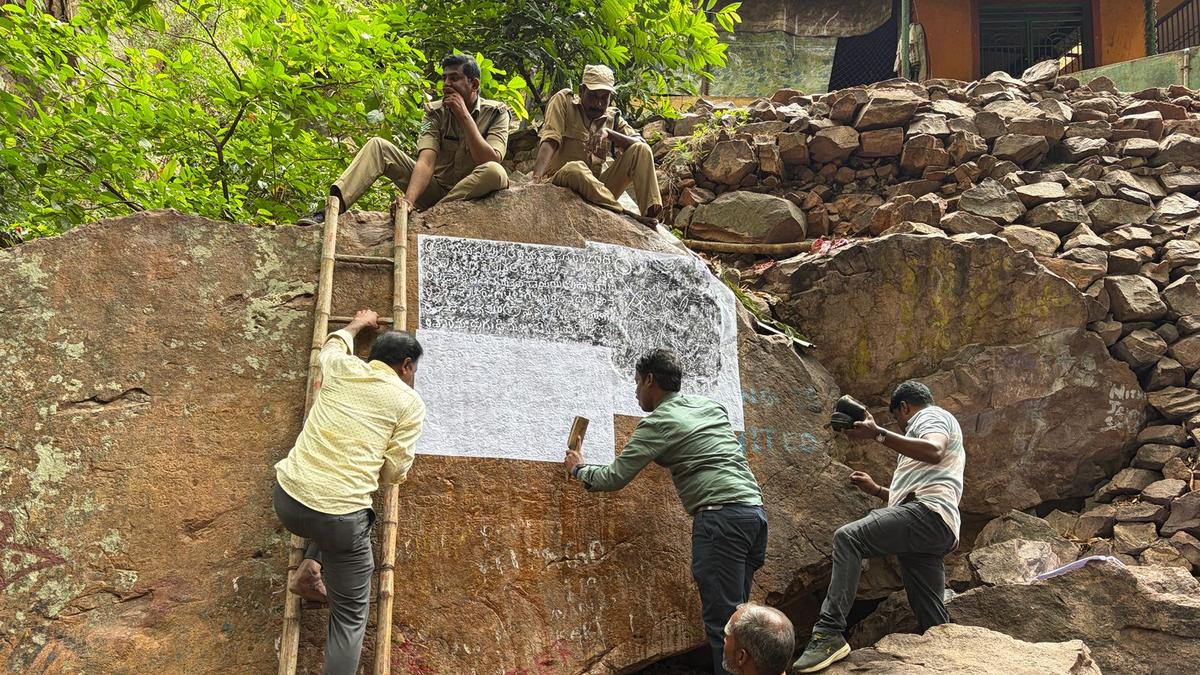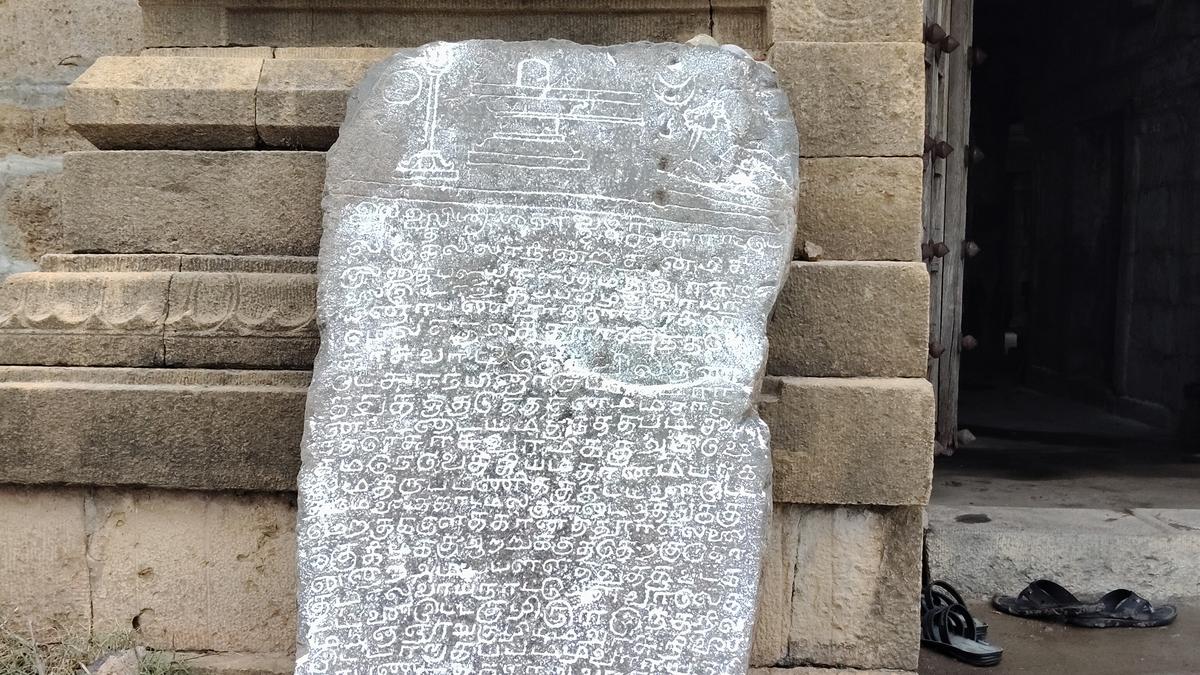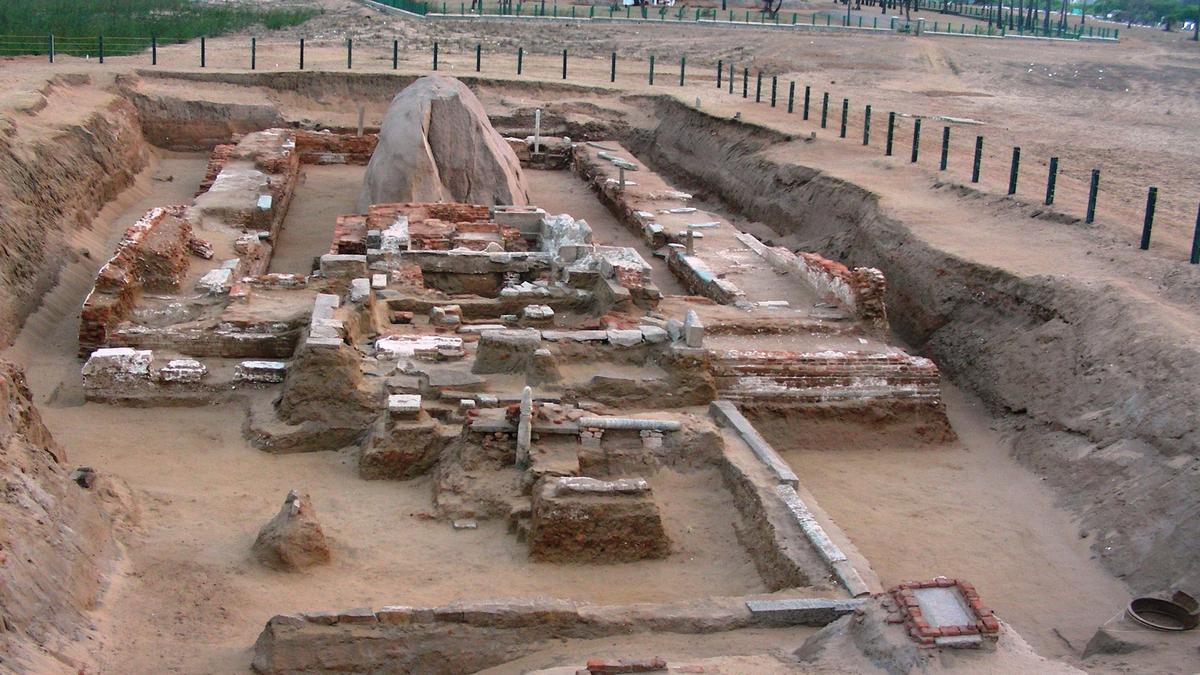
Archaeologist and epigraphist S. Rajavelu has spent a lifetime studying the past through fractured stones and fading scripts, rescuing it from silence. He has discovered and copied more than 1,565 inscriptions. Over the years, he has written nearly 1,500 articles for the Tamil Encyclopaedia and authored more than 100 research papers, making a sustained attempt to connect disparate historical strands. A strong advocate of the scientific dating of the Tamili (Tamil-Brahmi) script, Rajavelu argued that it may predate Ashokan Brahmi. During his tenure with the ASI, his study of onshore and offshore remains at Mamallapuram added fresh evidence to discussions around the legendary Seven Pagodas. In recognition of his research in many areas, a felicitation volume, which has articles by many epigraphists and archaeologists, was released in April this year. The volume was edited by eminent epigraphist Y. Subbarayalu. After the event, Rajavelu reflected on the milestones that have shaped his long and exacting engagement with history.In 2004, Rajavelu found an inscription, engraved on a boulder, near the Tiger Cave at Saluvankuppam, a hamlet of Mamallapuram. The inscription, dated to the fourth regnal year of Rashtrakuta king Krishna III (939 to 967 CE), records a land grant to a Subrahmanya temple in Tiruvilichil village (old name of Saluvankuppam). “Usually, an inscription recording a donation is located in the vicinity of the land donated, or near the temple receiving the donation. In this case, Saluvankuppam could not have been donated land, because no one would have donated infertile, coastal land to a temple. That meant there must have been a Subrahmanya temple there,” says Rajavelu. Further exploring the area, he found a mound near the inscription and some remnants of a temple at the surface level. The Archaeological Survey of India, Chennai Circle, was informed, and they carried out excavations, in which Rajavelu participated. To his surprise, he found a ruined Pallava stone structure, predating Krishna III.
How epigraphist S. Rajavelu used inscriptions to unearth temples in Tamil Nadu
Epigraphist S. Rajavelu shares how ancient inscriptions helped him unearth the treasures of ancient history
1,150 words~5 min read