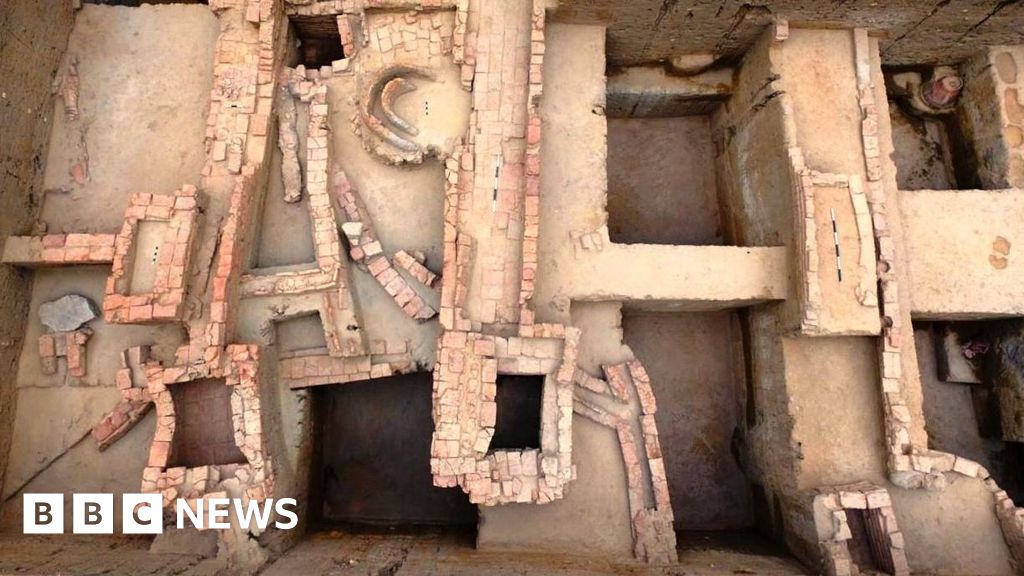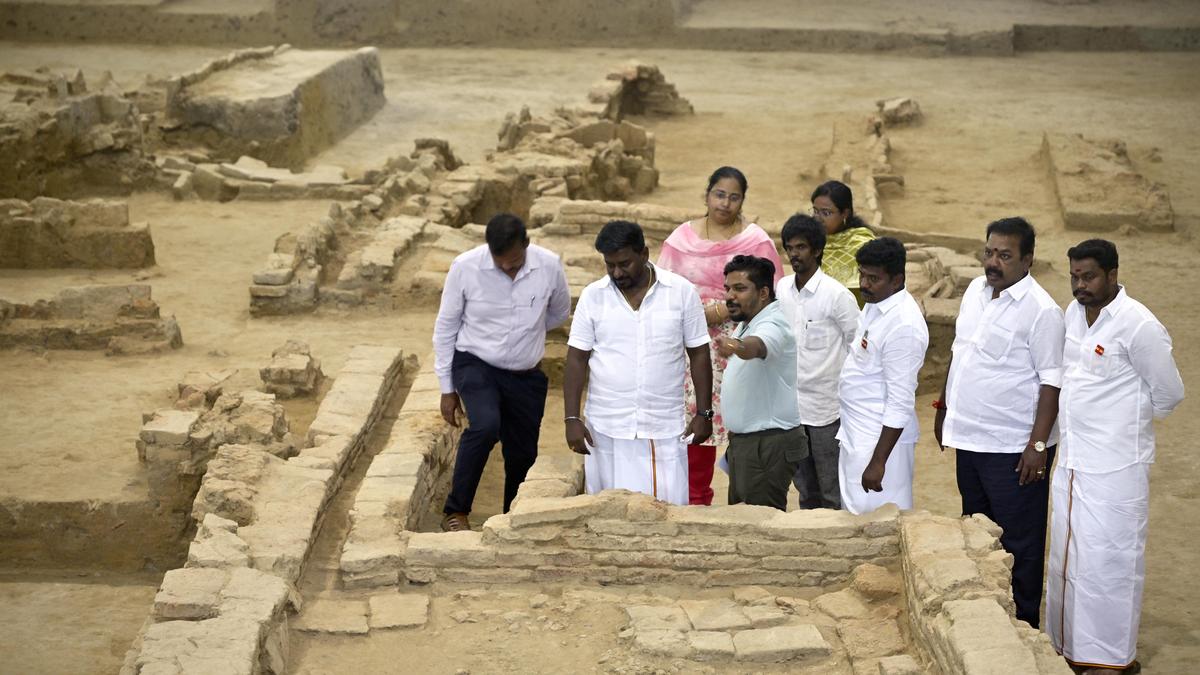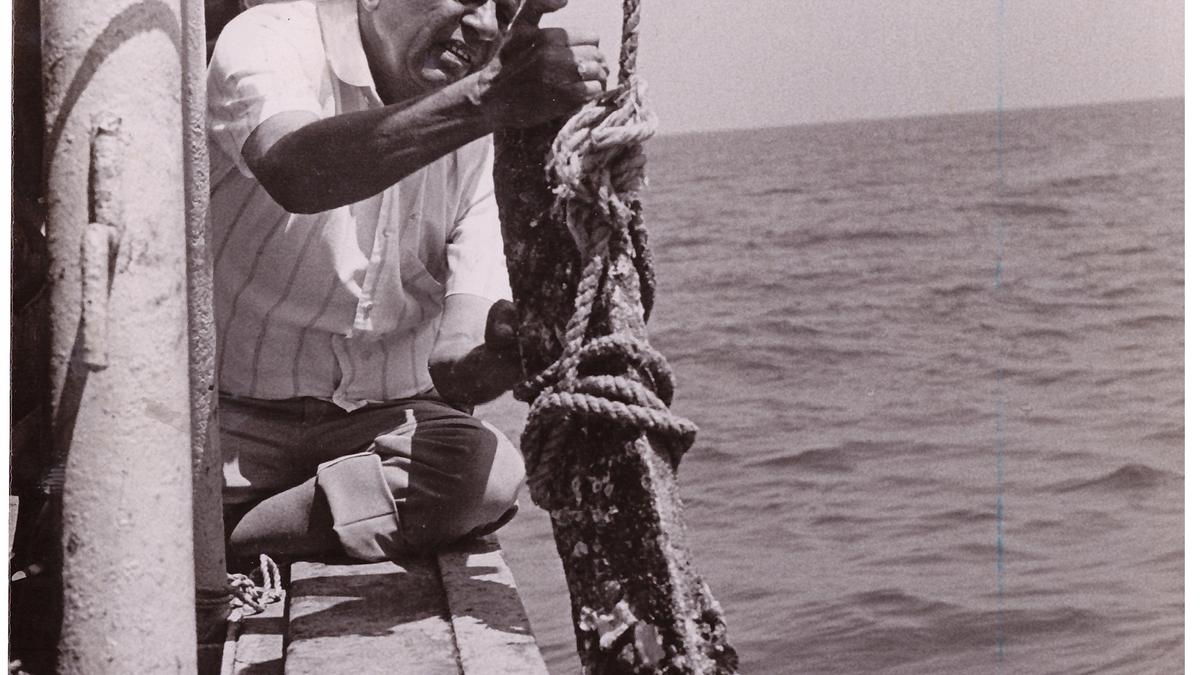
Archaeological investigations at Keeladi, Porunai, and other sites, together with scientific analyses of the materials unearthed, have couched Tamil Nadu’s rich and diverse heritage within a broader perspective, lending new depth to the understanding of early Tamil history.
This is in alignment with the argument of David Shulman, indologist and author of Tamil: A Biography, that Tamil was one of the languages of a great South Indian civilisation, emerging from one of the most creative and intellectually fertile geographical domains in historical South Asia.
Discoveries at Keeladi suggest that an urban and industrial civilisation once flourished there. Carbon dating of artefacts recovered from the site places them between the 6th century BCE and the 1st century CE. These findings prompted Chief Minister M.K. Stalin to declare on the floor of the Assembly in 2021 that the history of the Indian subcontinent ought to begin in Tamil Nadu.
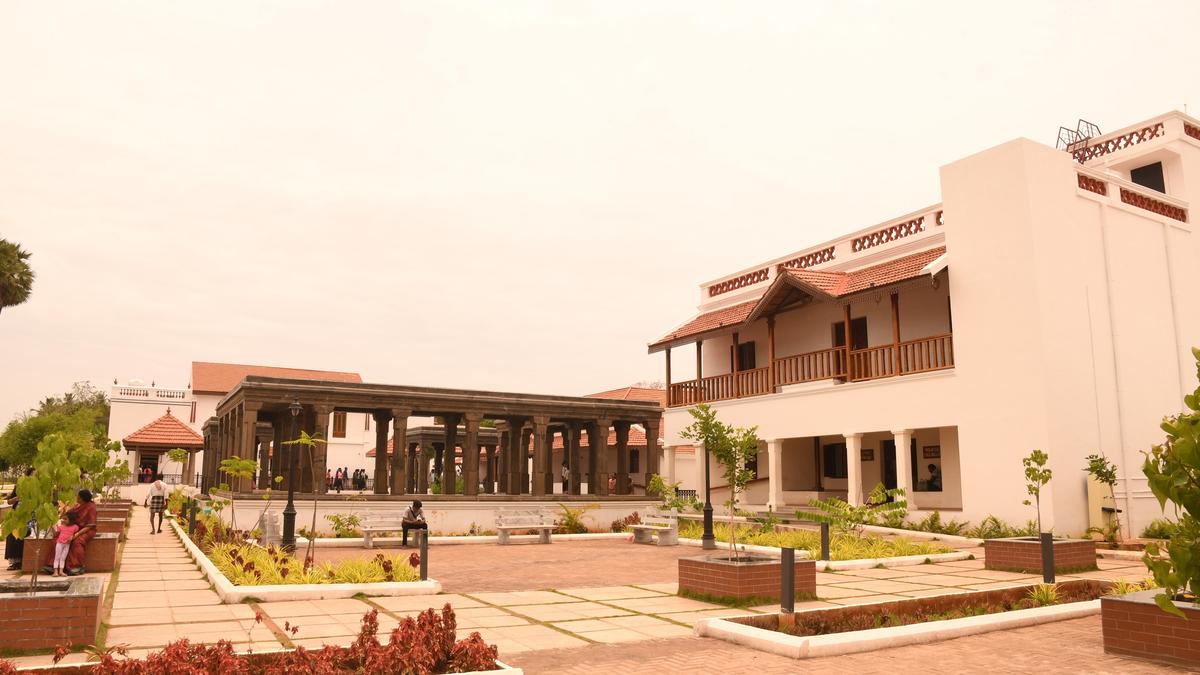
The government clearly believes that public engagement with the past can be deepened by memorialising significant sites within their immediate surroundings. “There is a need to redefine Tamil identity by addressing micro-history and regional aspirations,” said T. Udhayachandran, Additional Chief Secretary (Finance) and Commissioner of Archaeology.