The Keeladi village in India's southern Tamil Nadu state has unearthed archeological finds that have sparked a political and historical battle.
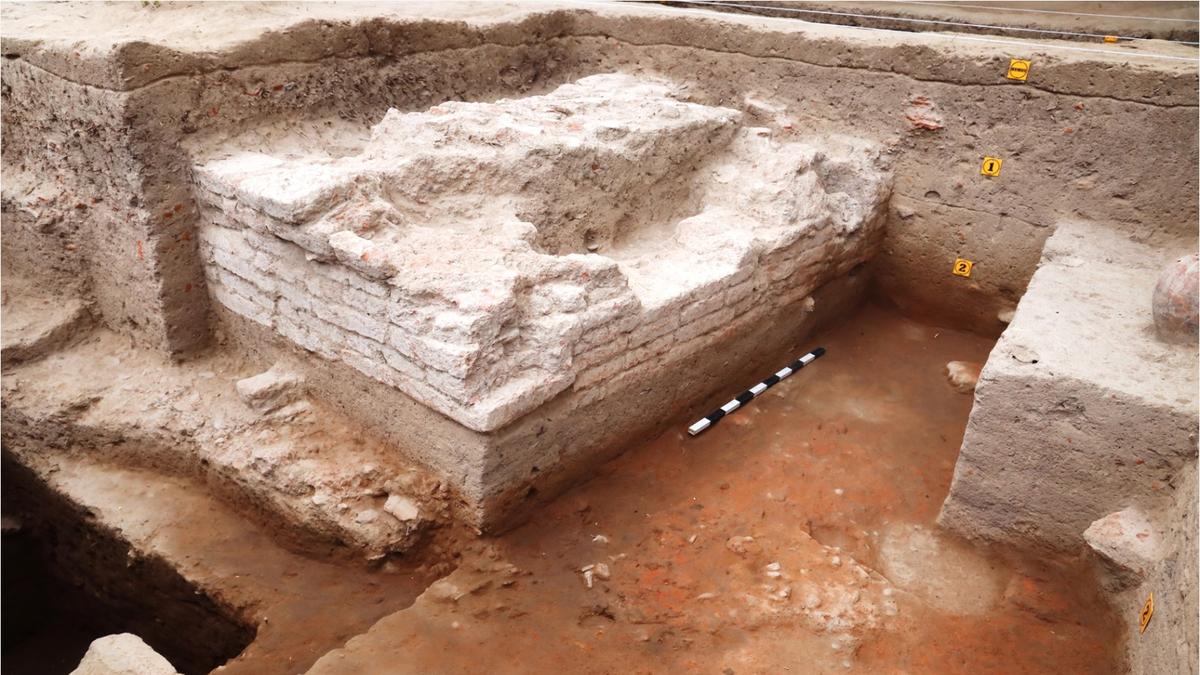
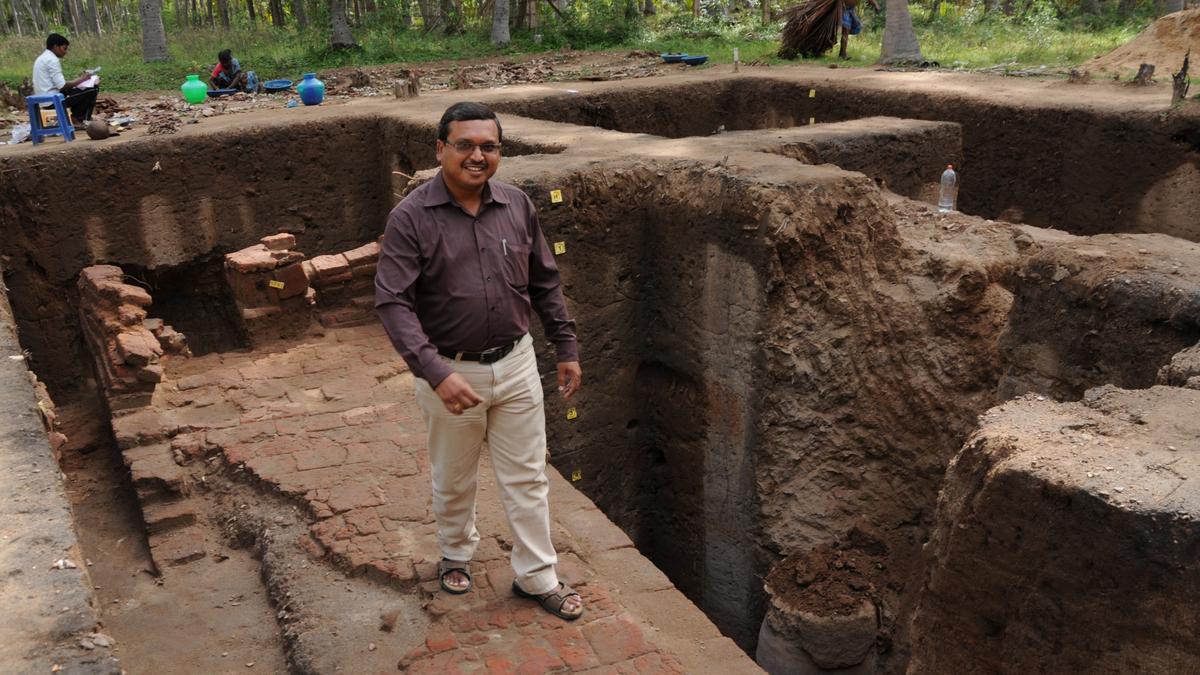
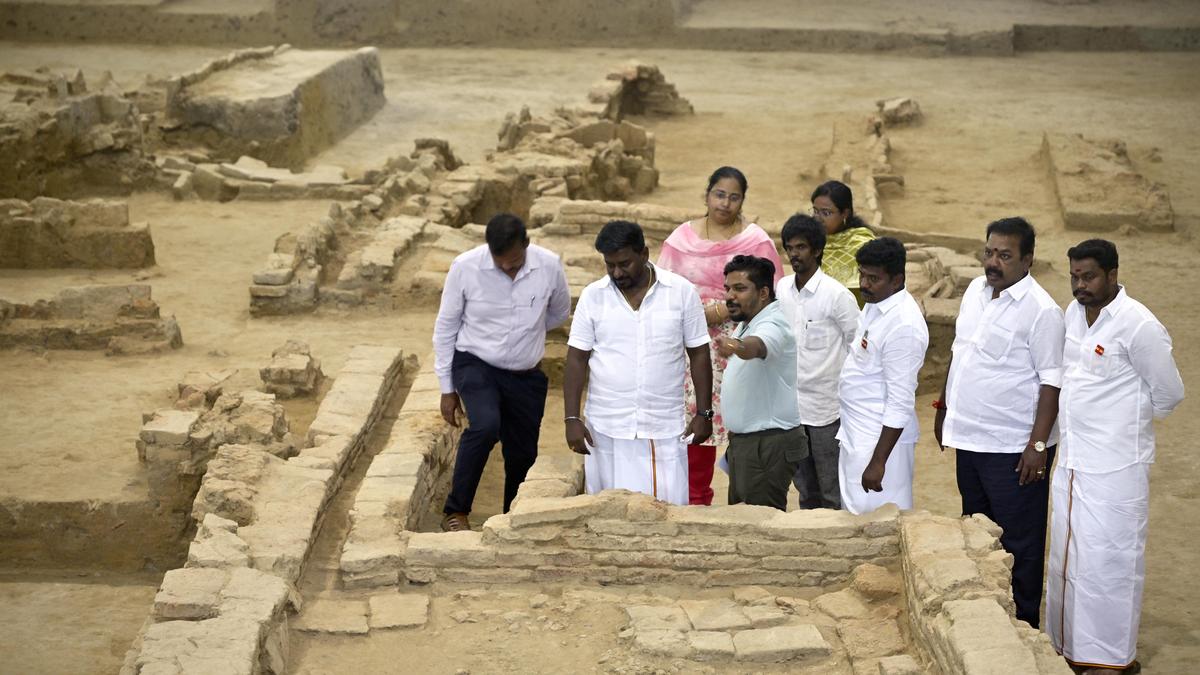
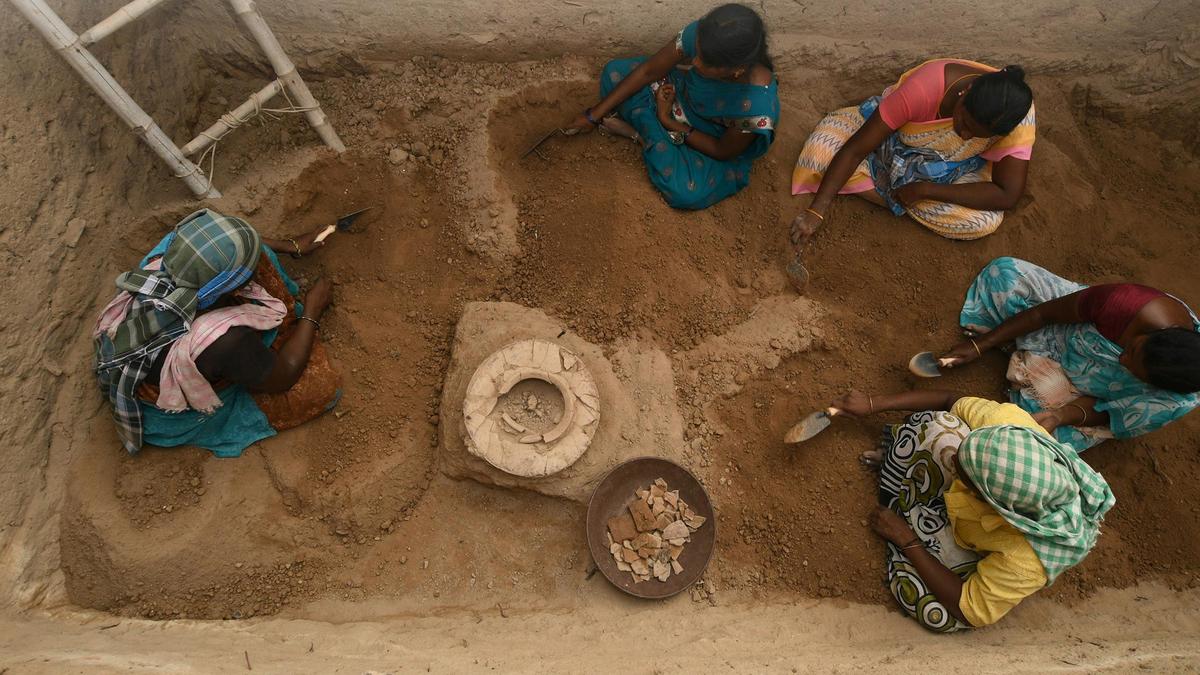
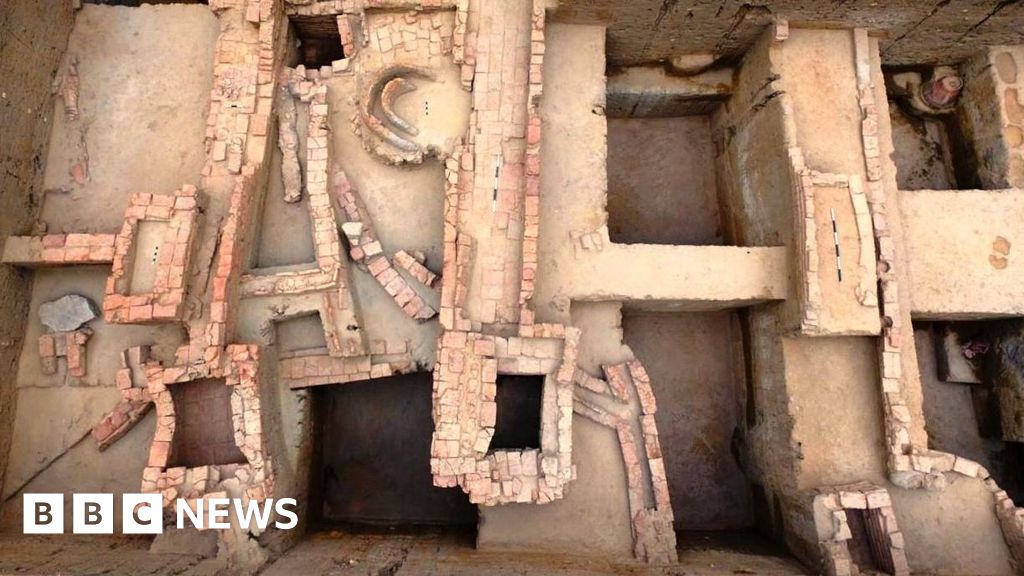
Amid coconut groves, a series of 15ft (4.5m) deep trenches reveal ancient artefacts buried in layers of soil - fragments of terracotta pots, and traces of long-lost brick structures.
Experts from the Tamil Nadu State Department of Archaeology estimate the artefacts to be 2,000 to 2,500 years old, with the oldest dating back to around 580 BCE. They say these findings challenge and reshape existing narratives about early civilisation in the Indian subcontinent.
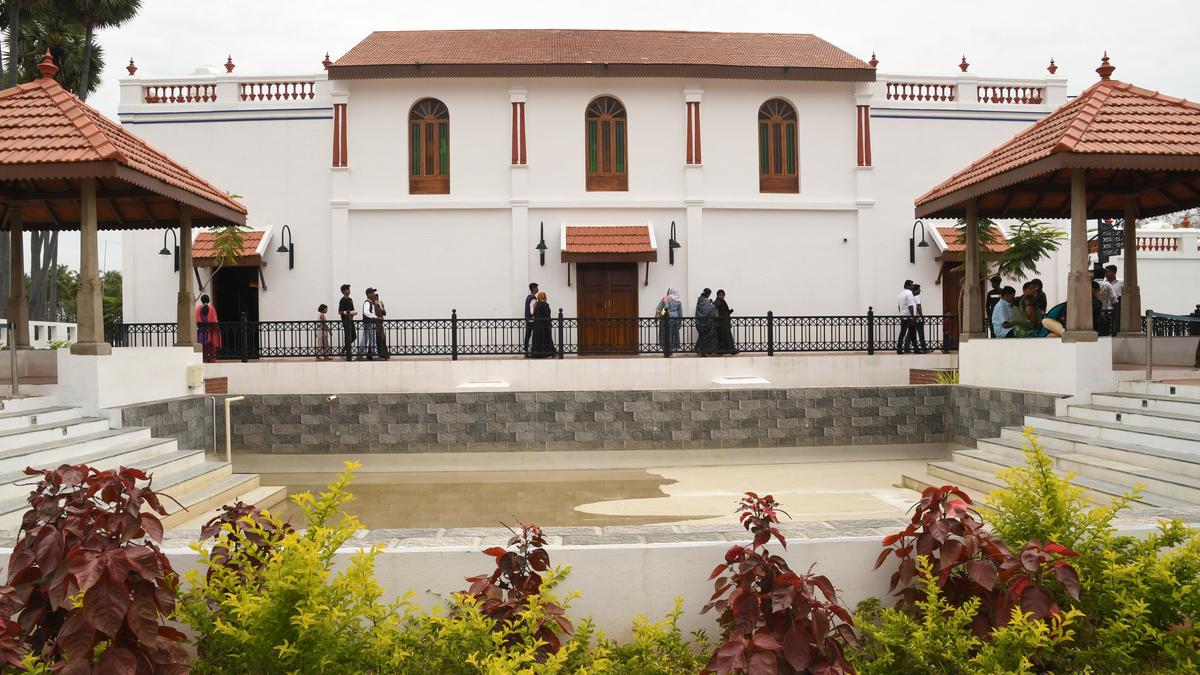
With politicians, historians, and epigraphists weighing in, Keeladi has moved beyond archaeology, becoming a symbol of state pride and identity amid competing historical narratives.
Yet history enthusiasts say it remains one of modern India's most compelling and accessible discoveries - offering a rare opportunity to deepen our understanding of a shared past.