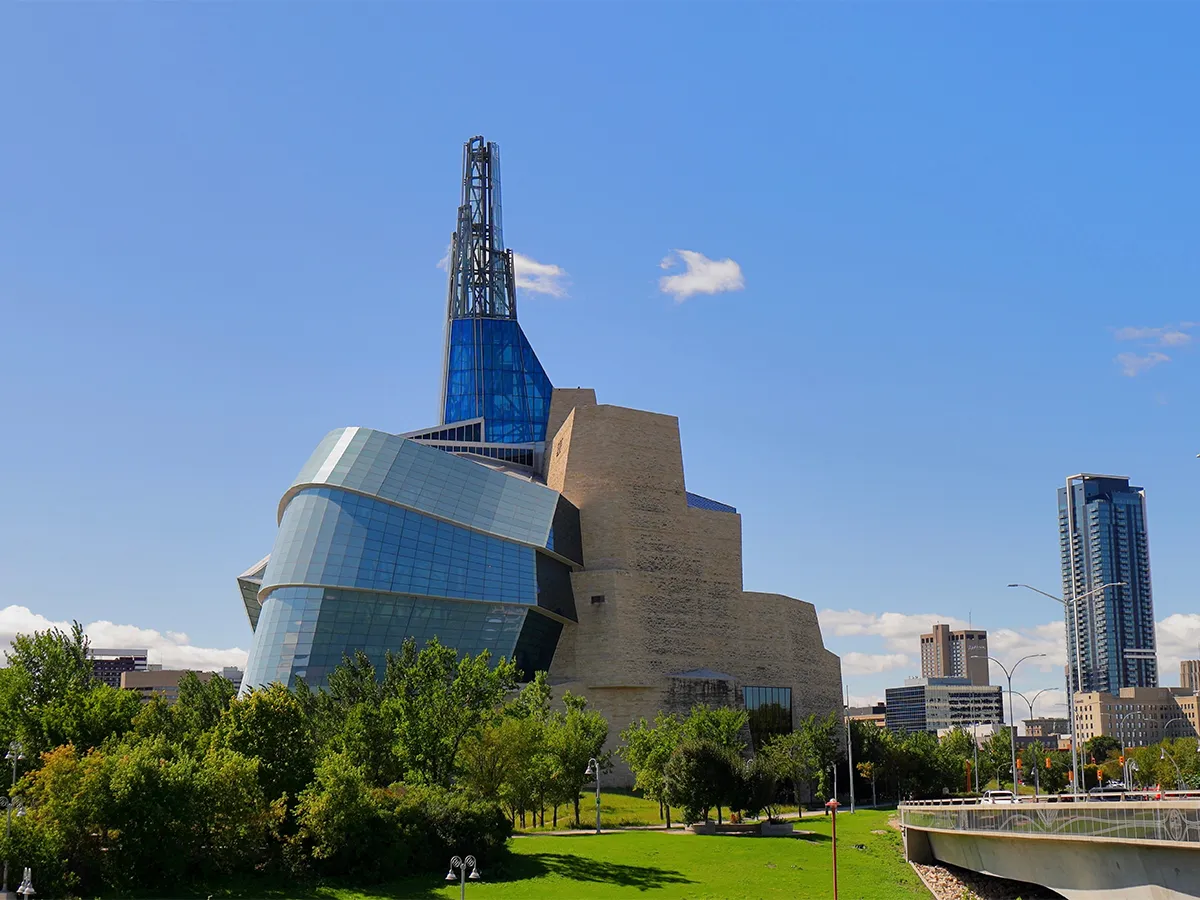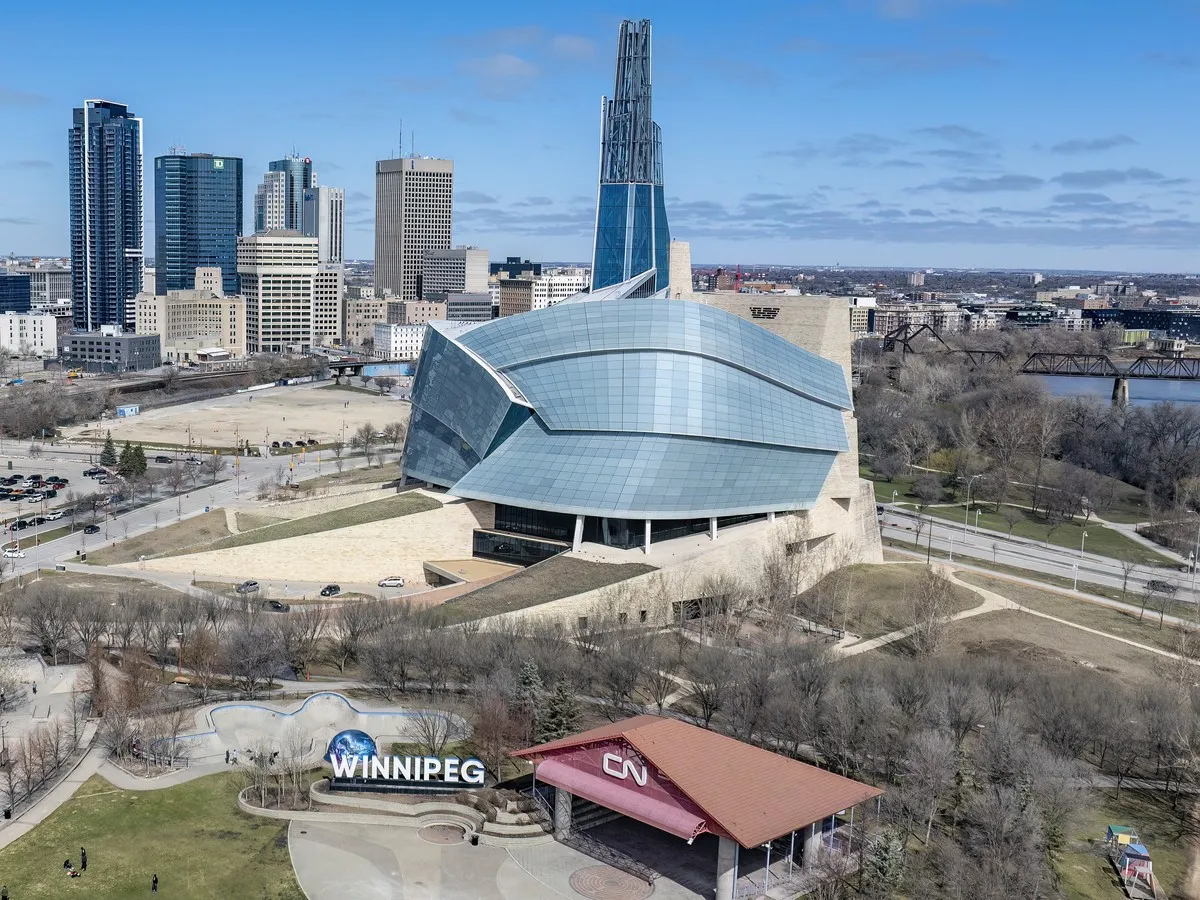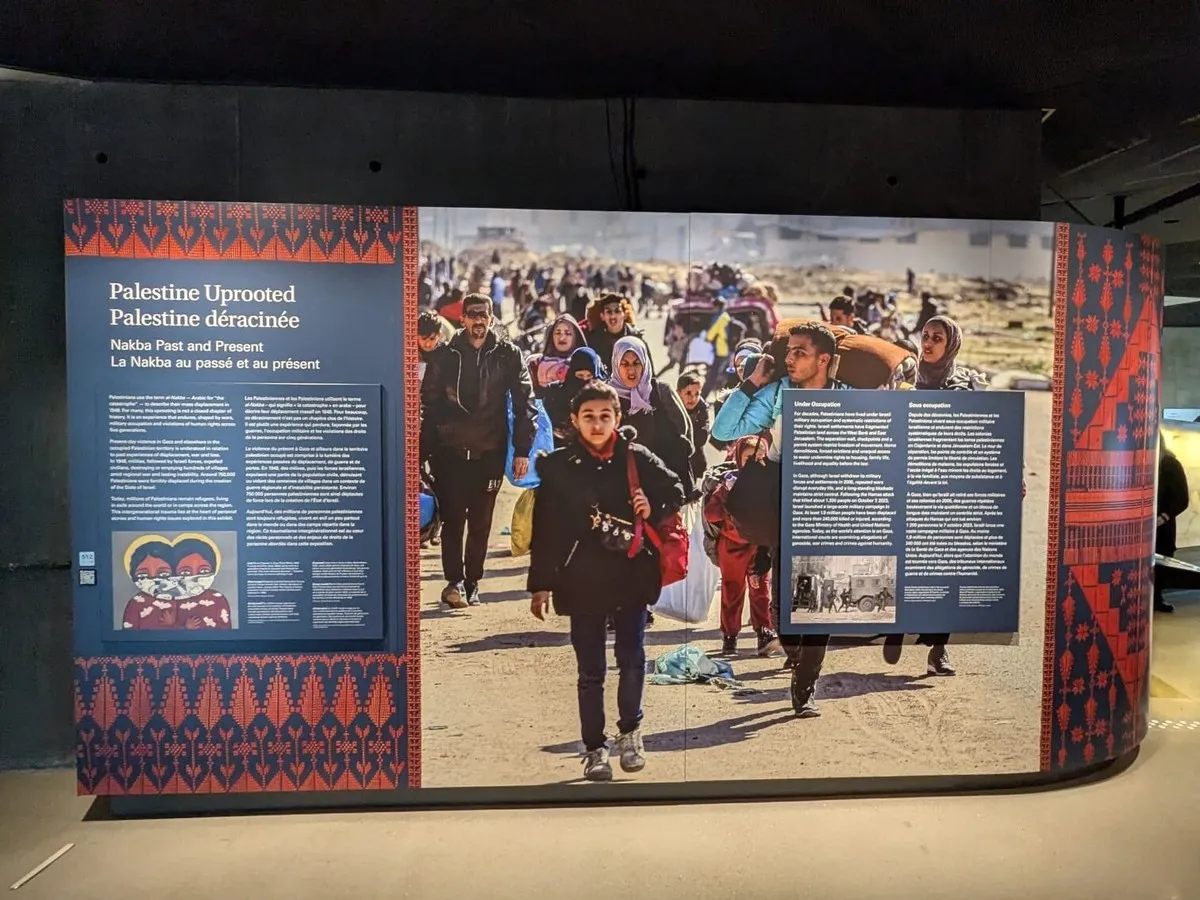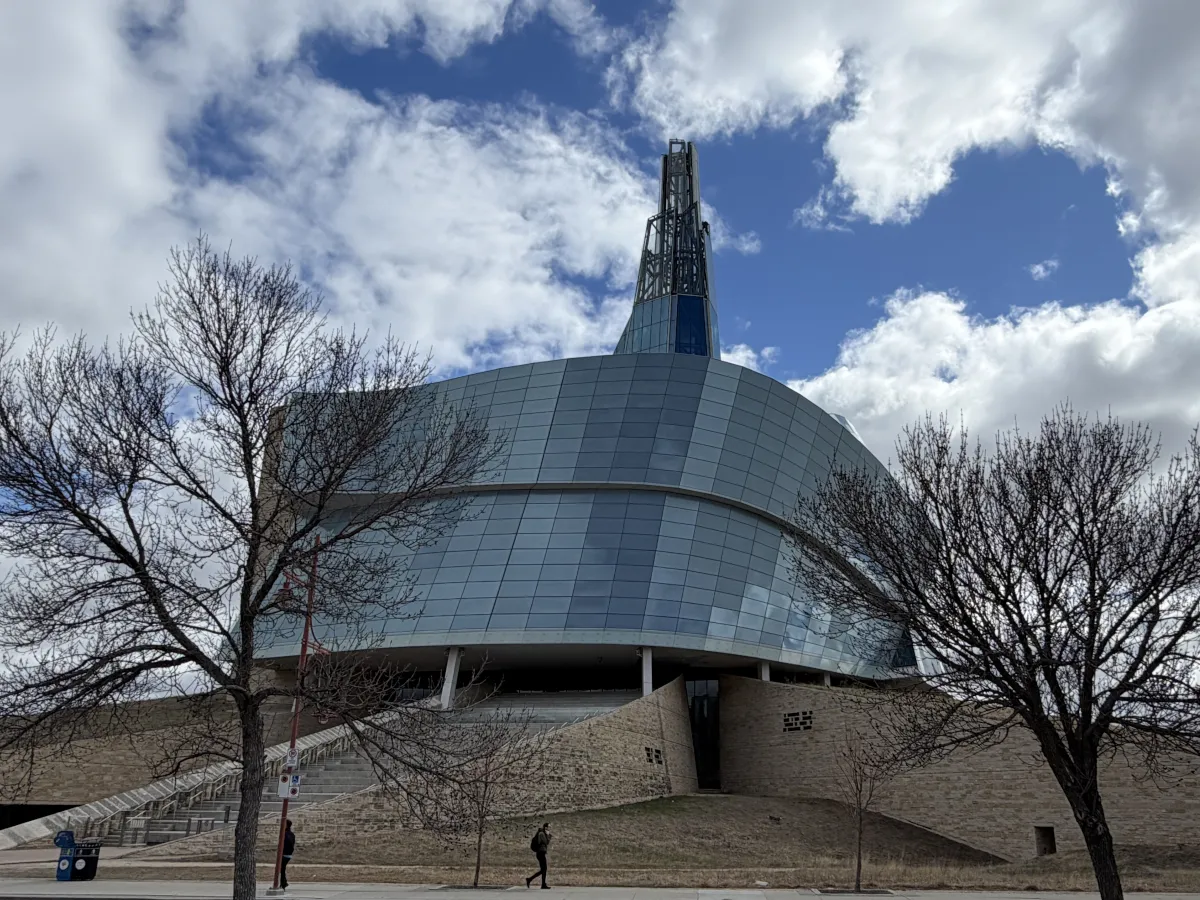
Skip to Content Subscribe Our Offers My Account Manage My Subscriptions FAQ Newsletters Canada Canadian True Crime Canadian Politics Health World Israel & Middle East Financial Post NP Comment Longreads Puzzmo Diversions Comics NP News Quiz New York Times Crossword Horoscopes Life Eating & Drinking Style Sponsored Play for Ontario Travel Travel Canada Travel USA Travel International Cruises Travel Essentials Culture Books Celebrity Movies Music Theatre Television Business Essentials Advice Lives Told Tails Told Shopping Buy Canadian Home Living Outdoor Living Kitchen & Dining Tech Style & Beauty Personal Care Entertainment & Hobbies Gift Guide Travel Guide Amazon Prime Day Deals Savings National Post Store More Sports Hockey Baseball Basketball Football Soccer Golf Tennis Driving Vehicle Research Reviews News Gear Guide Obituaries Place an Obituary Place an In Memoriam Classifieds Place an Ad Celebrations Working Business Ads Archives Healthing Epaper Manage Print Subscription Profile Settings My Subscriptions Saved Articles My Offers Newsletters Customer Service FAQ Newsletters Canada World Financial Post NP Comment Longreads Puzzmo Diversions Life Shopping Epaper Manage Print Subscription HomeNP CommentKevin Klein: Human rights museum treating Jewish concerns as an afterthoughtThe museum has remained largely silent in the face of widespread opposition to its upcoming 'Nakba' exhibitLast updated 11 minutes ago You can save this article by registering for free here. Or sign-in if you have an account.The Canadian Museum for Human Rights in Winnipeg. Photo by Richard White for PostmediaThe Canadian Museum for Human Rights (CMHR) will open its controversial Nakba exhibit on June 27, and it isn’t talking.Enjoy the latest local, national and international news.Exclusive articles by Conrad Black, Barbara Kay and others. Plus, special edition NP Platformed and First Reading newsletters and virtual events.Unlimited online access to National Post.National Post ePaper, an electronic replica of the print edition to view on any device, share and comment on.Daily puzzles including the New York Times Crossword.Support local journalism.Enjoy the latest local, national and international news.Exclusive articles by Conrad Black, Barbara Kay and others. Plus, special edition NP Platformed and First Reading newsletters and virtual events.Unlimited online access to National Post.National Post ePaper, an electronic replica of the print edition to view on any device, share and comment on.Daily puzzles including the New York Times Crossword.Support local journalism.Create an account or sign in to continue with your reading experience.Access articles from across Canada with one account.Share your thoughts and join the conversation in the comments.Enjoy additional articles per month.Get email updates from your favourite authors.Create an account or sign in to continue with your reading experience.Access articles from across Canada with one accountShare your thoughts and join the conversation in the commentsEnjoy additional articles per monthGet email updates from your favourite authorsSign In or Create an Accountor“Palestine Uprooted: Nakba Past and Present” will explore what the CMHR describes as the “ongoing forced displacement and dispossession of Palestinians” through artwork, photographs, video testimonies and personal stories from Palestinian-Canadians.Despite a formal legal threat from the Israeli advocacy group Shurat HaDin and calls from multiple Jewish organizations to pause and review the exhibit, the CMHR has largely deflected. The museum’s spokesperson, Amanda Gaudes, and its CEO, Isha Khan, have provided brief written statements, but made no commitment to pause or alter the exhibit.This newsletter from NP Comment tackles the topics you care about. (Subscriber-exclusive edition on Fridays)By signing up you consent to receive the above newsletter from Postmedia Network Inc.We encountered an issue signing you up. Please try againFor a growing number of voices, including members of the family most responsible for the museum’s very existence, the silence speaks volumes.SUBHED: ‘He would be disgusted’The CMHR was the dream of the late Winnipeg media magnate and philanthropist Israel (Izzy) Asper. His family raised millions to build it, and it opened in 2014. His son, David Asper, a prominent Winnipeg lawyer and businessman, says what is unfolding at the institution is a betrayal of everything it was supposed to stand for.“My dad never had a problem with telling the whole story,” said Asper. “I think he’d be disgusted at how the telling of this story has become weaponized in the antisemitism game.”For Asper, the exhibit is not simply a curatorial misstep; it is a symptom of a broader failure of institutional leadership and of a political class unwilling to take a stand. He says the exhibit perpetuates what he calls a victim-oppressor propaganda narrative, one that deliberately carves out the historical context of the 1948 Arab-Israeli War.“The Palestinians were offered a state, their own state, and rejected it. Not only did they reject it, but they also attacked Israel and started a war. They lost the war. Start a war, lose a war and now I’m going to be the victim, just like October 7,” he said.Asper is equally critical of the museum’s curatorial process. He pointed to the reported involvement of Ramsey Zeid, a committee member with a public record of anti-Zionist advocacy, as evidence that the process was compromised from the outset.“It’s putting the fox in the henhouse,” he said. “They were all partisans. There are historical facts that are facts, not feelings. We’ve moved into the realm of feelings, not facts.”He described the exhibit as the latest front in what he called a long-running and highly sophisticated propaganda effort, one that exploits western democratic values.“This is a highly, highly sophisticated, organized propaganda machine that has been making the Palestinians victims for a very, very long time,” he said. “And now they’ve got the CMHR, hook, line and sinker, with no serious critical context or analysis.”He reserved particular scorn for political leaders, who he says have refused to intervene. When asked what he would say directly to Prime Minister Mark Carney, Asper’s answer was blunt:“The prime minister says that antisemitism in Canada has breached our ‘civic compact.’ Instead of appointing more committees and studies, it’s time for him to actually do something about it and show the kind of leadership resolve that comes with having moral clarity.”Asper said he still holds out hope for the rule of law, but acknowledged that without leadership, hope is a thin thread: “You hope at the end of the road, whether it’s a judge or a politician, somebody’s got the spine to stand up for Canada and for what this country is supposed to be about.”SUBHED: ‘A serious breach of trust’Gustavo Zentner, vice-president for Manitoba and Saskatchewan at the Centre for Israel and Jewish Affairs (CIJA), has been at the centre of the Jewish community’s efforts to engage the museum since the exhibit was announced last November. He says those efforts have been met with opacity and indifference.“As a national, publicly funded institution, the CMHR has yet to provide a meaningful resolution to the concerns raised through numerous communications and meetings aimed at upholding national standards and addressing community concerns,” Zentner said.CIJA’s concerns go beyond the exhibit’s historical framing. Zentner says extremist anti-Israel organizations have been openly claiming a direct role in the exhibit’s creation — the same groups, he notes, that organize protests outside synagogues, Jewish schools and in Jewish neighbourhoods across the country.“This exhibit risks legitimizing and normalizing these extreme narratives, and those who use them to target Jews here in Canada,” he said.Zentner also pointed to the context of sharply rising antisemitism in Winnipeg. On May 27, the Winnipeg Police Service released its 2025 hate-motivated crime statistics: out of 37 hate-crime reports related to religion, 32 involved Jewish victims.“It’s hard to put into perspective unless you start thinking of the individuals, how would they would react if they themselves were singled out,” Zentner said. “That’s what we’re confronted with.”CIJA has laid out three immediate demands it says the museum must meet before June 27: full transparency about the external review the CMHR says it commissioned; a halt to any educational and resource materials associated with the exhibit until that review is complete; and proper training for docents.“The opacity surrounding the curatorial process has resulted in a serious breach of trust,” Zentner said. “This matter goes to the museum’s core mandate. As a national, publicly funded institution, the Canadian Museum for Human Rights is expected to contribute to the collective memory and sense of identity of all Canadians, not to serve as a vehicle for a one-sided political agenda.”SUBHED: Legal pressure, political silenceKhan, the museum’s CEO, responded to Shurat HaDin on May 28, but what she sent was far from the answer the organization was looking for. In a brief letter, Khan acknowledged receipt of the demand, said the museum was reviewing its content and promised a “more substantive response” within 10 days. She made no commitment to pause or delay the exhibit.Shurat HaDin fired back on June 3, calling Khan’s response “not adequate” and accusing the museum of trying to “run out the clock.” In a follow-up letter, Shurat HaDin president Nitsana Darshan-Leitner told Khan that a promise of future correspondence, “unaccompanied by any undertaking to refrain from opening, launching or promoting the exhibit in the interim, does not address our concerns.”She demanded written undertaking from the museum that it not open the exhibit, provide full disclosure of the external review and underlying research, and put in place a genuine consultation process.Efforts to reach the federal government about the exhibit have also gone nowhere, sources say. Asper said that comes as no surprise: “At the end of the day, it’s a spineless board. The CEO supports the exhibit, and the minister and the entire government are pandering for Muslim votes, and so they stand for nothing.”The controversy has also reached the museum’s founding family directly. Gail Asper, David’s sister, has publicly called for a review of the exhibit before it opens, warning that anything fanning the flames of antisemitism must be “scrupulously considered.”This marks what observers say is a first on two counts: the first time a Canadian museum has been threatened with legal action by Shurat HaDin, and the first time a Canadian museum has dedicated an exhibit to the founding of the 1948 Arab-Israeli War from the perspective of Palestinian-Canadians.SUBHED: ‘The safest thing isn’t always the right thing’With the exhibit’s opening now weeks away, the community voices opposing it are running out of time and options. Some in Winnipeg’s Jewish community are asking hard questions — about Canada, about its institutions and about whether those institutions can still be trusted.David Asper said the pattern of silence from politicians and museum leadership is not unique to this issue; it reflects a governing philosophy built on saying nothing and offending no one.“The liberal MO is to try to make everybody happy, say everything and stand for nothing,” he said. “You know what the recipe for failure is? That.”Zentner echoed that sentiment, framing the issue in terms of the museum’s institutional legitimacy and the country’s commitment, under Carney’s own “Canadian covenant,” not to transpose foreign conflicts onto each other.“National institutions must be held accountable,” he said. “At a time of rising antisemitism and extremism, the museum must not be instrumentalized in service of a dangerous political agenda. Its very legitimacy depends on its leadership’s ability to demonstrate rigorous adhesion to the highest standards of professionalism and integrity.”For David Asper, the question is not really about one exhibit; it’s about whether Canadian institutions and Canadian leaders still have the backbone to stand for something.“The safest thing is to say and do nothing,” he said. “But the safest thing isn’t always the right thing. And that’s what I mean about leadership: if you’re going to be a leader, sometimes people will be unhappy. And if you’re not that leader, you shouldn’t be in the game.”In a statement, CMHR spokesperson Amanda Gaudes said the museum stands behind the exhibit and the process that produced it.Gaudes acknowledged the exhibit “has provoked a broad response, some positive, some negative,” and confirmed that the museum has “committed to developing additional content on displacement, including Jewish communities, in the future.” Critics say that concession tells the story: Jewish experiences were not part of the exhibit from the start and remain an afterthought.Emails to CMHR CEO Isha Khan went unanswered.Winnipeg SunKevin Klein is a former cabinet minister with the Progressive Conservative Party of Manitoba and a Winnipeg Sun columnist. Join the Conversation This website uses cookies to personalize your content (including ads), and allows us to analyze our traffic. Read more about cookies here. By continuing to use our site, you agree to our Terms of Use and Privacy Policy.
Kevin Klein: Human rights museum treating Jewish concerns as an afterthought
The museum has remained largely silent in the face of widespread opposition to its upcoming 'Nakba' exhibit
2,059 words~9 min read