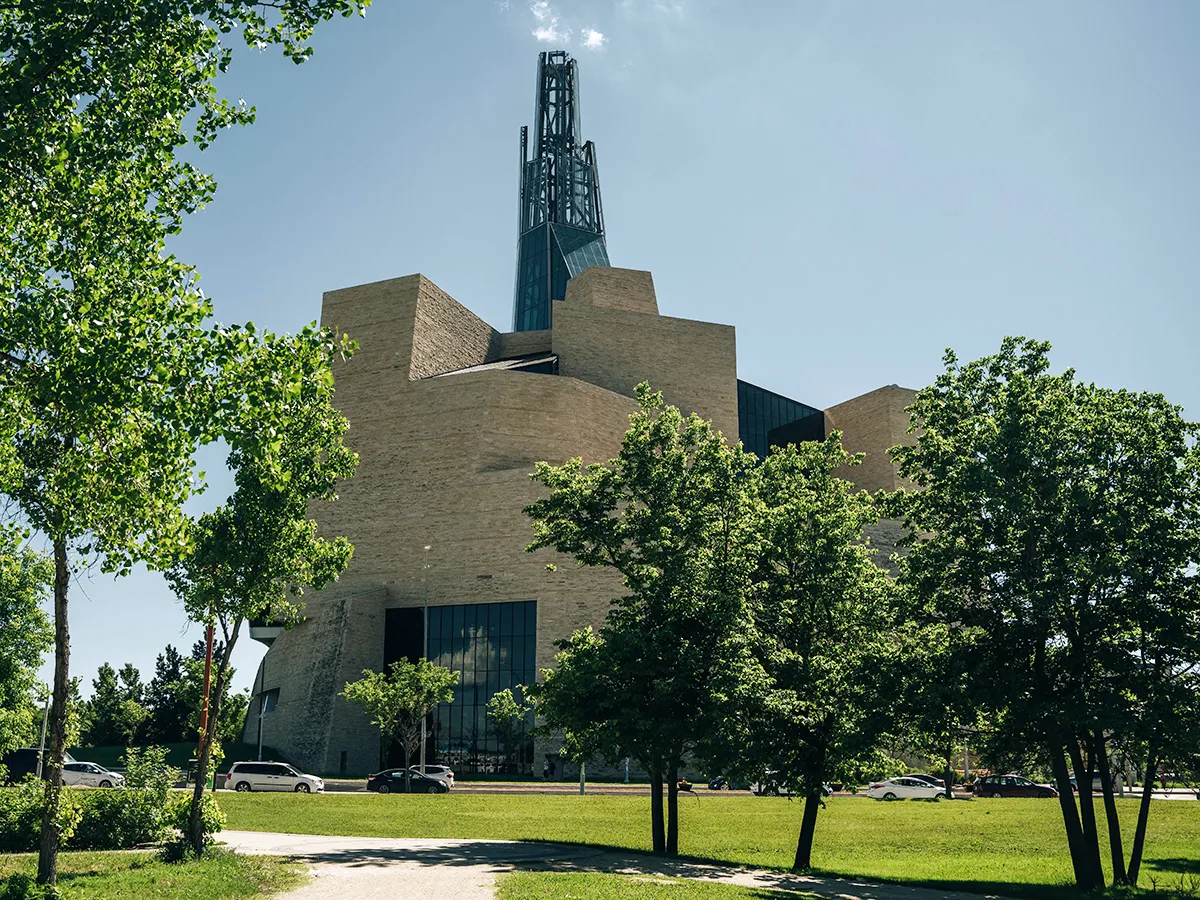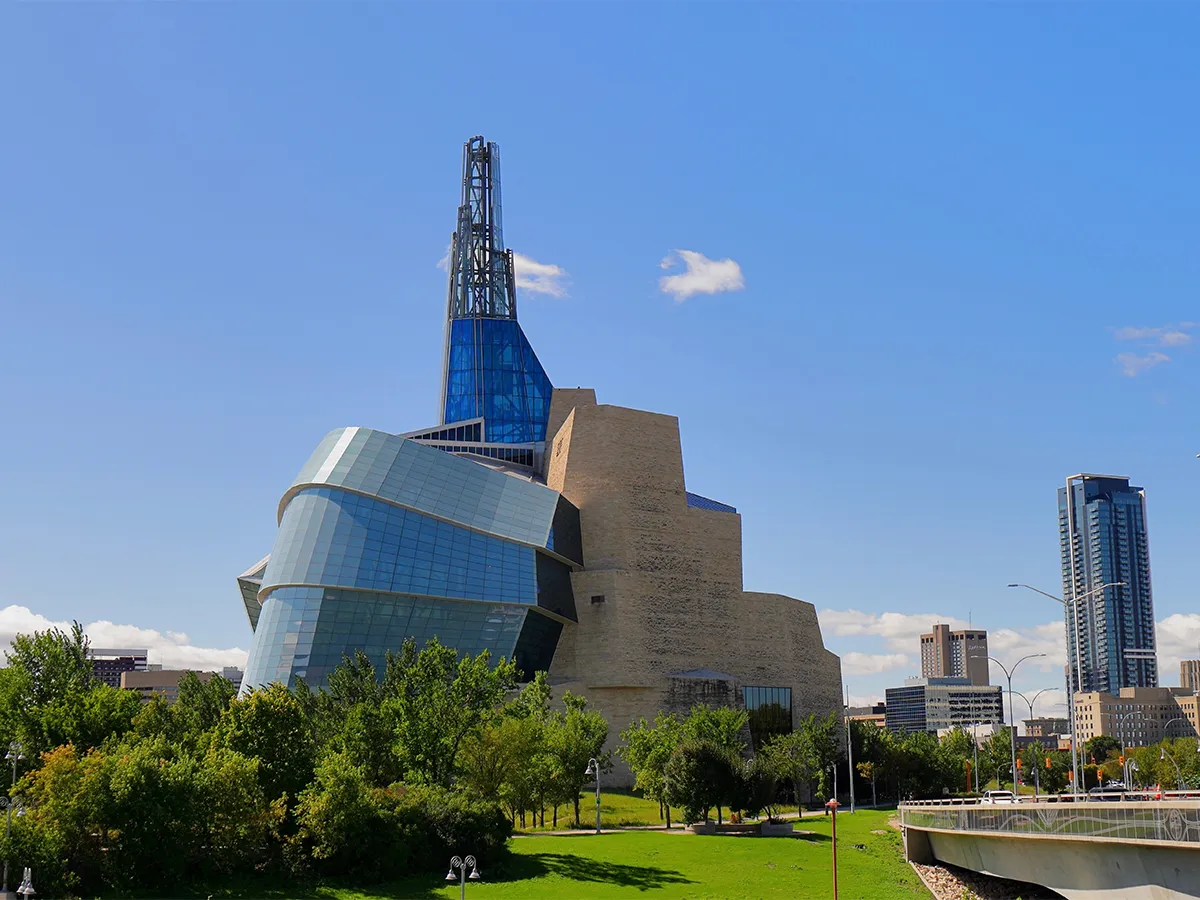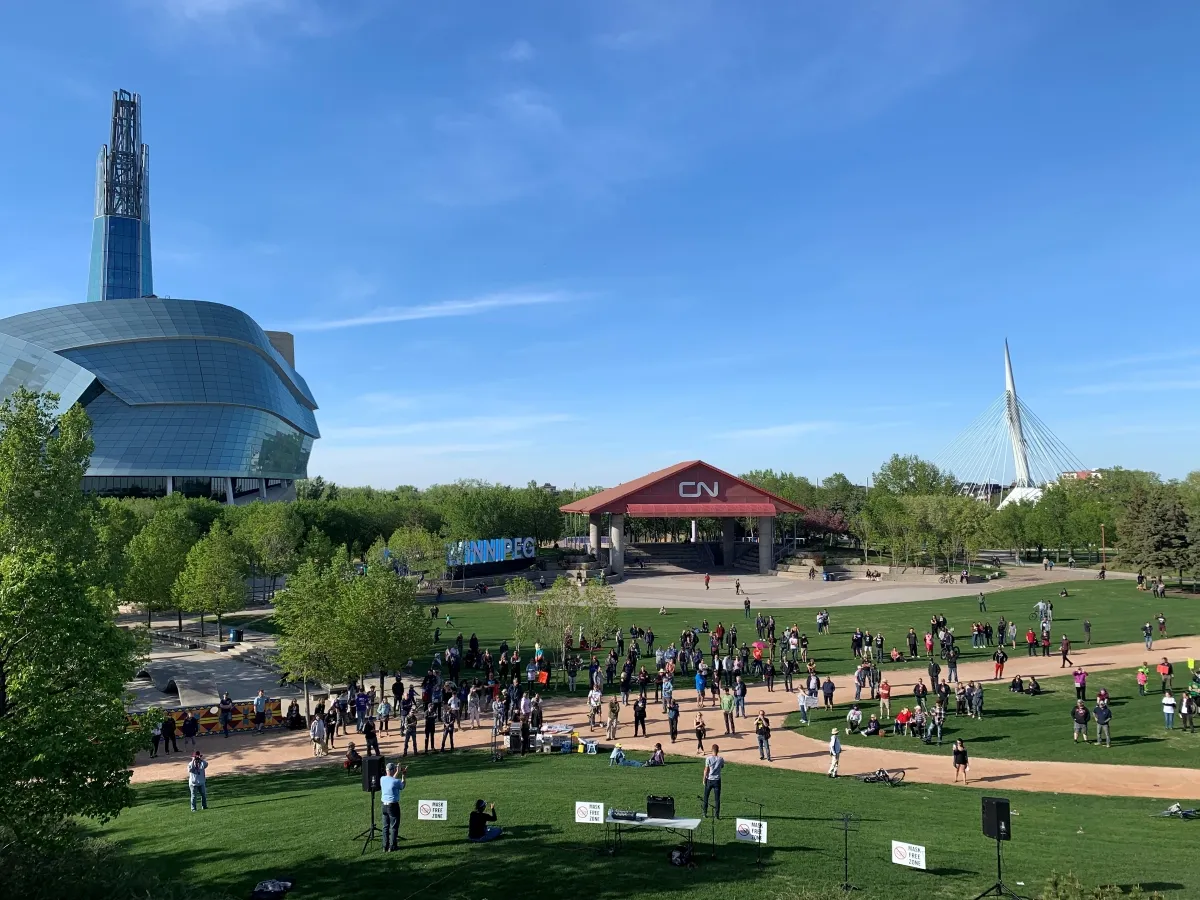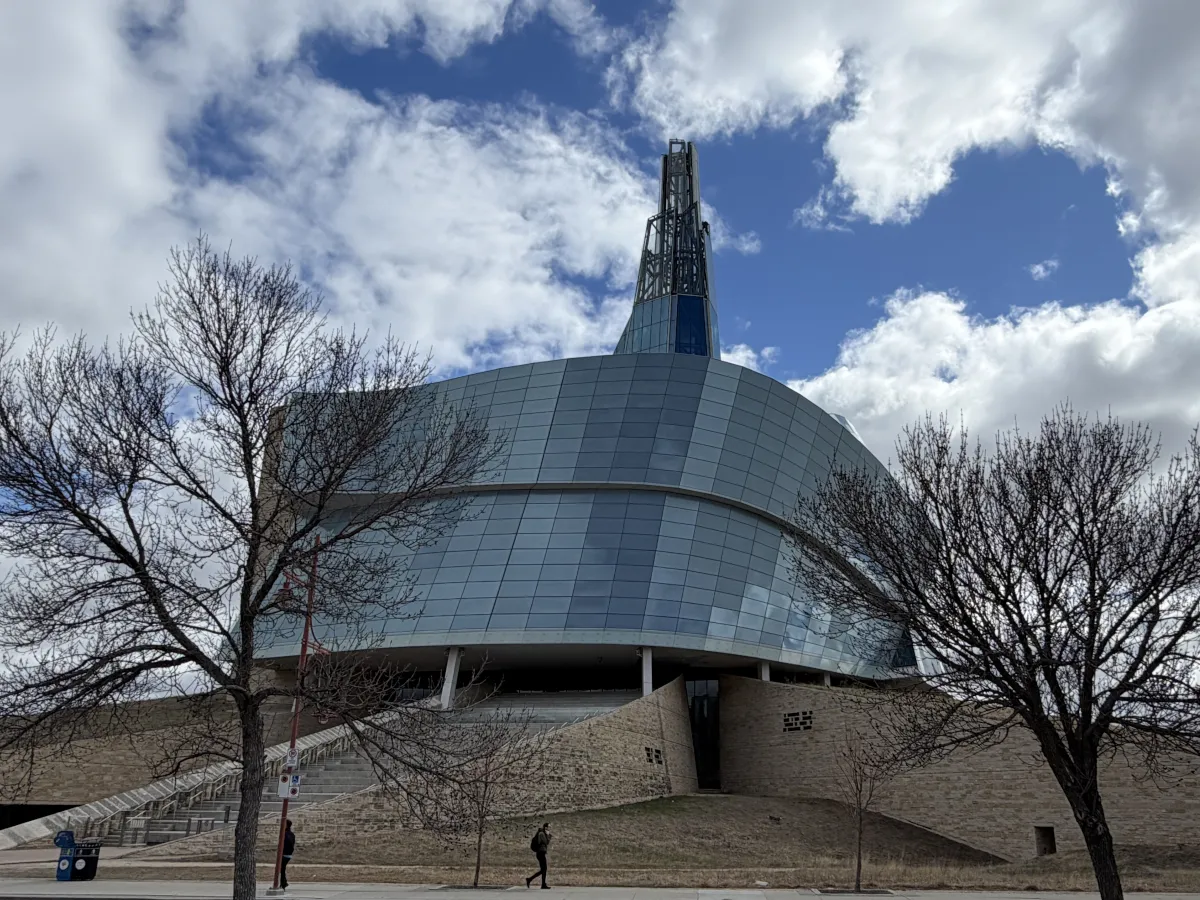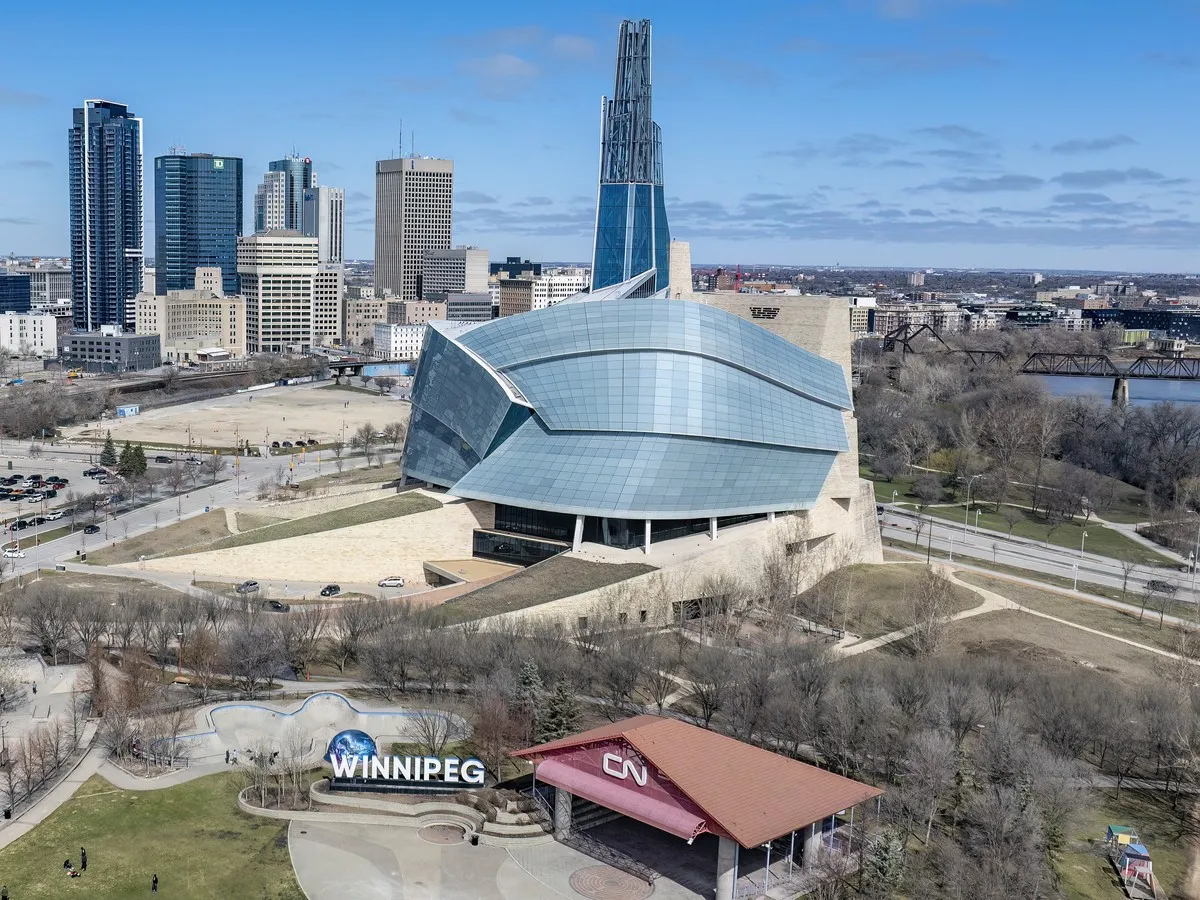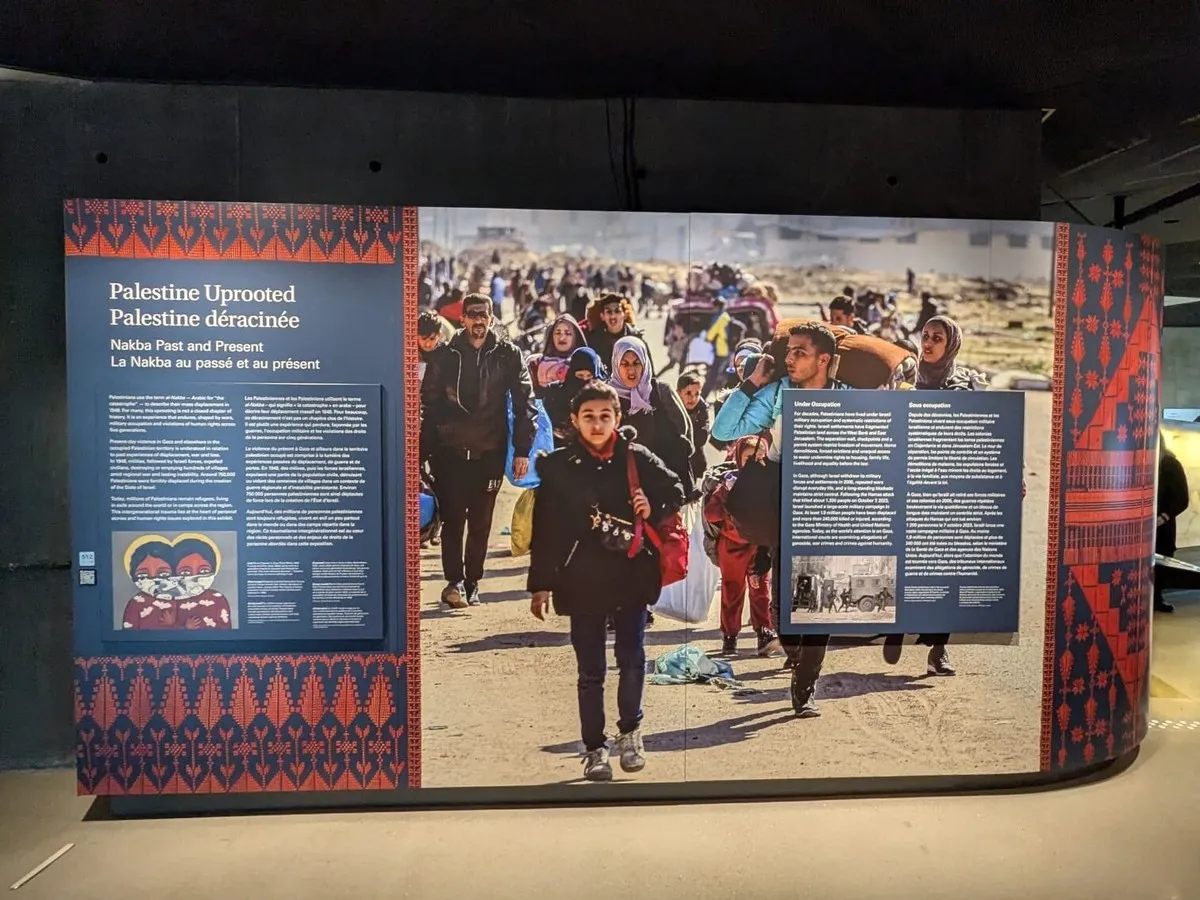
Skip to Content Subscribe Our Offers My Account Manage My Subscriptions FAQ Newsletters Canada Canadian True Crime Canadian Politics Health World Israel & Middle East Financial Post NP Comment Longreads Puzzmo Diversions Comics NP News Quiz New York Times Crossword Horoscopes Life Eating & Drinking Style Sponsored Play for Ontario Travel Travel Canada Travel USA Travel International Cruises Travel Essentials Culture Books Celebrity Movies Music Theatre Television Business Essentials Advice Lives Told Tails Told Shopping Buy Canadian Home Living Outdoor Living Kitchen & Dining Tech Style & Beauty Personal Care Entertainment & Hobbies Gift Guide Travel Guide Amazon Prime Day Deals Savings National Post Store More Sports Hockey Baseball Basketball Football Soccer Golf Tennis Driving Vehicle Research Reviews News Gear Guide Obituaries Place an Obituary Place an In Memoriam Classifieds Place an Ad Celebrations Working Business Ads Archives Healthing Epaper Manage Print Subscription Profile Settings My Subscriptions Saved Articles My Offers Newsletters Customer Service FAQ Newsletters Canada World Financial Post NP Comment Longreads Puzzmo Diversions Life Shopping Epaper Manage Print Subscription HomeNP CommentAdam Katz: I visited the 'Nakba' exhibit, and it is every bit as anti-Jewish as fearedIt is propaganda is endorsed by the Canadian state You can save this article by registering for free here. Or sign-in if you have an account.The Canadian Museum of Human Rights in Winnipeg opened its Palestine Uprooted exhibit on Saturday, June 27. Photo by Adam Katz /For National PostWINNIPEG — Our government is officially failing Jews and Palestinians. That’s what I came away with thinking after touring the Canadian Museum for Human Rights’ newest exhibit, Palestine Uprooted: Nakba Past and Present.Enjoy the latest local, national and international news.Exclusive articles by Conrad Black, Barbara Kay and others. Plus, special edition NP Platformed and First Reading newsletters and virtual events.Unlimited online access to National Post.National Post ePaper, an electronic replica of the print edition to view on any device, share and comment on.Daily puzzles including the New York Times Crossword.Support local journalism.Enjoy the latest local, national and international news.Exclusive articles by Conrad Black, Barbara Kay and others. Plus, special edition NP Platformed and First Reading newsletters and virtual events.Unlimited online access to National Post.National Post ePaper, an electronic replica of the print edition to view on any device, share and comment on.Daily puzzles including the New York Times Crossword.Support local journalism.Create an account or sign in to continue with your reading experience.Access articles from across Canada with one account.Share your thoughts and join the conversation in the comments.Enjoy additional articles per month.Get email updates from your favourite authors.Create an account or sign in to continue with your reading experience.Access articles from across Canada with one accountShare your thoughts and join the conversation in the commentsEnjoy additional articles per monthGet email updates from your favourite authorsSign In or Create an AccountorAt first glance, this may appear to be another disagreement over the Israeli-Palestinian conflict. It is not. It is a question about the responsibilities of a democratic government and the values it chooses to advance through institutions that speak with its authority. A federally supported national museum is entrusted with pursuing historical truth through accuracy, balance, and scholarly rigor. It is not another advocacy organization free to advance a political narrative as settled history.That obligation is precisely what makes Palestine Uprooted so alarming. The exhibit, which opened to the public on Saturday, does far more than recount the “catastrophe” of mass Palestinian displacement during the 1948 Arab Israeli War, as the official website’s definition of the “Nakba” term states. It’s important to note that this definition has only been in popular use for about 40 years. Originally, the Arabic term was used to describe the Arab League’s embarrassing military defeat largely at the hands of Jewish socialist farmers, Holocaust survivors, and former refugees, all with little international support.This newsletter from NP Comment tackles the topics you care about. (Subscriber-exclusive edition on Fridays)By signing up you consent to receive the above newsletter from Postmedia Network Inc.We encountered an issue signing you up. Please try againRather than inviting Canadians to wrestle with one of the world’s most complex conflicts, it teaches visitors to understand the conflict as solely a consequence of Israel’s creation. In doing so, genuine Palestinian suffering is transformed into a perpetual weapon targeting everything related to Israel, and encourages the public to view millions of Jews as the beneficiaries and defenders of an ongoing historical injustice.This is not the pursuit of historical truth. It is a toxic political instruction delivered with the authority of the Canadian state.Walking through the museum, located in the heart of Winnipeg, one design choice immediately stood out. The Nakba exhibit is physically positioned after the museum’s Holocaust gallery, meaning visitors move directly from one of history’s best documented genocides into a highly politicized presentation of the 1948 Arab Israeli conflict.That transition creates a subtle but unmistakable emotional and interpretive bridge between two entirely different historical contexts, carrying visitors from a universally recognized moral framework into a contemporary political narrative with the implication that the same categories of understanding naturally apply. While the implicit promotion of Holocaust Inversion certainly informs the conclusions visitors are invited to draw.Inside the exhibit, that framing quickly becomes more pronounced. The material is not presented as a set of competing historical interpretations or unresolved debates. Instead, it is organized around a single guiding premise: that Palestinian displacement in 1948 is not simply a historical event with several causes, but the beginning of an “ongoing” Jewish Israeli-imposed tragedy that entirely ignores Palestinian suffering when Israel cannot be blamed.Visitors are told that “around 750,000 Palestinians were forcibly displaced during the creation of the State of Israel,” yet the broader context that produced the war receives little attention. The Arab rejection of the United Nations Partition Plan, the invasion of the newly declared Jewish state by the neighboring Arab armies, and the historical debate surrounding why Palestinians fled are largely absent. Even the museum’s own website acknowledges that some Palestinians “left after warnings or instructions, including from Palestinian Arab leaders,” a contradictory qualification visitors never encounter inside the exhibit itself.Not mentioned in the exhibit are the at least 850,000 Jews who were forcibly displaced and expelled from Arab countries since Israel’s creation, most during and in the years immediately following the war. Entire Jewish communities that had existed for centuries across Iraq, Egypt, Yemen, Libya, Syria, and elsewhere were effectively erased.The pattern continues throughout the gallery. Israeli checkpoints, movement restrictions, and separation barriers are presented as evidence of oppression, while the decades of mass murder that prompted many of those policies are ignored. An item included in the Palestine Uprooted exhibit on display in the Canadian Museum of Human Rights. Photo by Canadian Museum of Human RightsOne panel’s vague reference to the Second Intifada, of the early 2000s, as a “Palestinian uprising” comes across as an excuse for Jewish Israelis to arbitrarily “undermine rights to housing, family life, livelihood and equality before the law.” No acknowledgement of how Palestinian terrorists and civilians alike murdered over a 1,000 Israelis or even the hundreds of Palestinian victims murdered during the colloquially termed “intrafada.” Apparently, the biggest injustice from that period is the inconvenience imposed by security checkpoints and an ugly barrier.The pattern continues. “Following the Hamas attack that killed about 1,200 people on October 7, 2023, Israel launched a large-scale military campaign in Gaza. Today, more than 240,000 people have been killed or injured, according to the Gaza Ministry of Health and UN agencies.”The meticulously coordinated terrorist attack involving mass murder, torture, and rape is flattened into an imprecise casualty figure, and the 251 hostages disappear entirely. The reader is instead directed to an anonymous figure that obscures the individual data points for that conflates those killed with those injured, producing a number that far exceeds the Gaza Ministry of Health’s own public claims, all without disclosing that the ministry itself is Hamas or controversies over whether the data has been manipulated.Throughout the gallery, Arab and Palestinian agency is largely stripped away. Political decisions, rejected compromises, internal repression, and acts of violence become secondary, encouraging visitors to interpret tragedies inflicted on both peoples as chapters in a single continuing story that conveniently begins in 1948 and remains fundamentally attributable to Israel.So, the initial framing determines the conclusion, which collapses more than a century of complex and often unrelated developments into a single interpretive chain of causation.None of this comes as a surprise. As extensively reported by National Post, controversy surrounded not only the exhibit’s content but the process that produced it. Jewish organizations repeatedly raised concerns over the museum’s opaque consultation process, the composition of its advisory council, the decision to retain an advisor despite past anti-Jewish remarks, and what they viewed as the exhibit’s fundamentally one-sided presentation, all of which apparently fell on deaf ears.This exemplifies the hollowness of the “Nakba narrative.” It cannot fully explain Palestinian history because too much of it contradicts its central premise. The decades Palestinians spent trapped, oppressed, and murdered in refugee camps throughout the Arab world, the corruption and repression of the Palestinian Authority, Hamas’s brutality toward Gazans, and generations raised to believe that liberation would come not through building a society but through destroying another, all become secondary, if they appear at all.Not only does this unjustly demonize millions of Jews, it does a profound disservice to Palestinians. It suggests to them, and to all Canadians, that Palestinian suffering will end once Jewish Israelis are depowered or gone. Worse still, it carries the implicit promise that once that objective is achieved, Palestinians will no longer merit the same concern, because the source of their suffering will supposedly have been eliminated.The irony of the exhibit is difficult to ignore. The Museum stands as one of Canada’s great cultural institutions, founded by a proud Canadian Jewish Zionist who believed deeply in democracy, pluralism, and the pursuit of truth. This federally funded institution should represent the best of Canada’s civic values instead of legitimizing ideologues who cynically invoke Palestinian suffering not to improve Palestinian lives, but to imply that the world’s only Jewish state is inherently illegitimate.The measure of a democratic society is not whether it avoids difficult histories, but whether our leaders have the courage to tell them honestly.When a government teaches that story through one of its national institutions, it is no longer merely tolerating a political narrative. It is endorsing it. Canadians should expect far more from institutions entrusted with preserving historical truth. They should be especially skeptical whenever history is presented by governments as simple, morally absolute, or beyond debate.History is rarely served by such selectivity. Propaganda, however, often is.Adam Katz is a political science and history student at the University of Manitoba. Join the Conversation This website uses cookies to personalize your content (including ads), and allows us to analyze our traffic. Read more about cookies here. By continuing to use our site, you agree to our Terms of Use and Privacy Policy.
Adam Katz: I visited the 'Nakba' exhibit, and it is every bit as anti-Jewish as feared
It is propaganda is endorsed by the Canadian state
TL;DRAI
Questo articolo non è rilevante per Warptech Tech News. È un pezzo di opinion su una mostra museale canadese riguardante geopolitica e conflitti, con zero connessione a tech, AI, startup o business aziendale. Non rientra in nessuna sezione della newsletter (AI & ML, Big Tech, Business, Startup/Crypto). Verifica se è stato copiato il corpo corretto o se c'è stato un errore nella selezione.
1,822 words~8 min read