The roti maker machine will never beat the taste of handmade rotis says the writer.
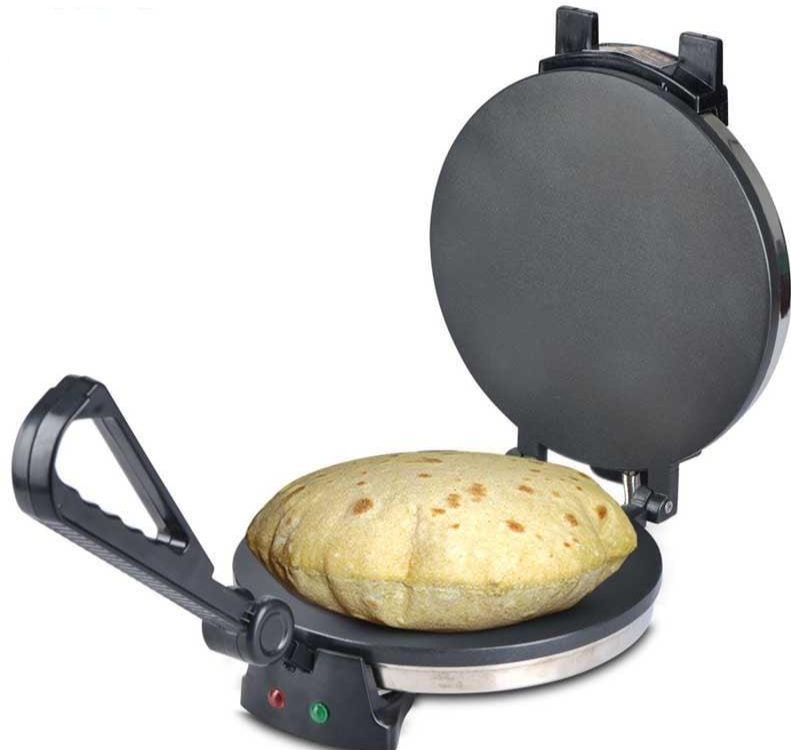
PUNTED into kitchens as a shortcut and a promise to ease chores, the roti-maker machine can flatten dough into flawless circles, each roti identical in shape, and cooked on heated electric plates.
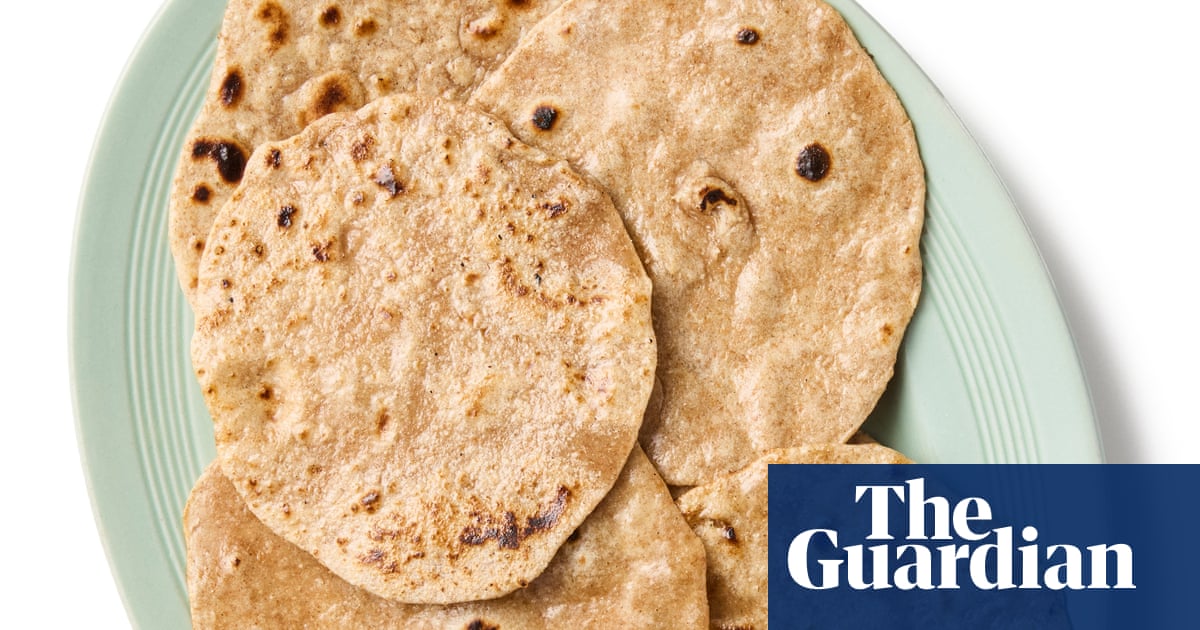
But the rotis, puris and parathas flattened and shaped with a rolling pin held with flour-covered hands, and cooked on a ghee-smeared tawa, carry something no algorithm can replicate.
For the new cook, hand-rolled rotis emerge with uneven edges, jagged outlines like the crumbling, winding sections of the Great Wall of China; for the experienced, the pressure of fingers create near perfect circles. But the taste and aroma born of the warmth of human touch cannot be matched by any machine.
This is the difference between artificial intelligence (AI) and natural intelligence.