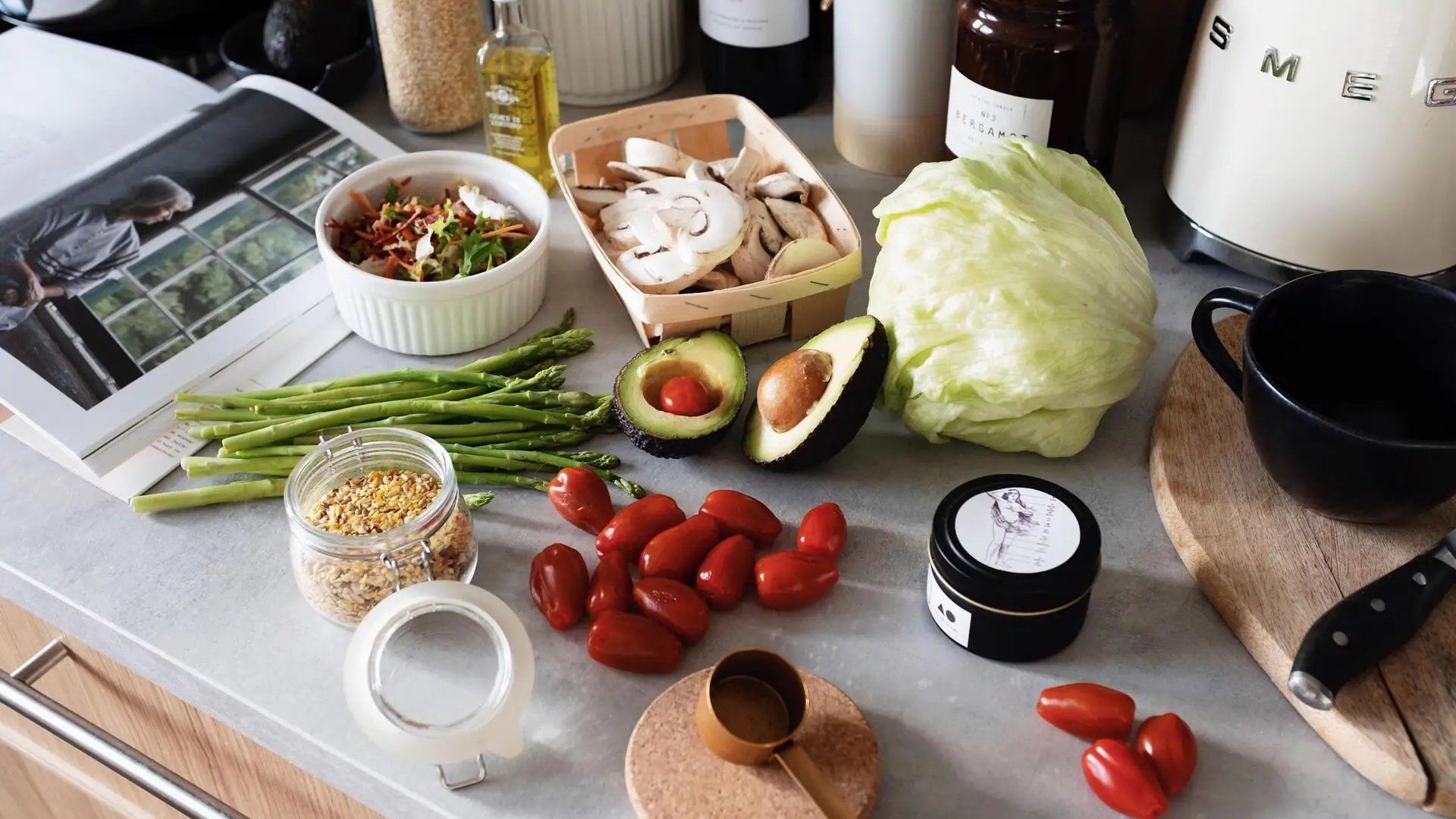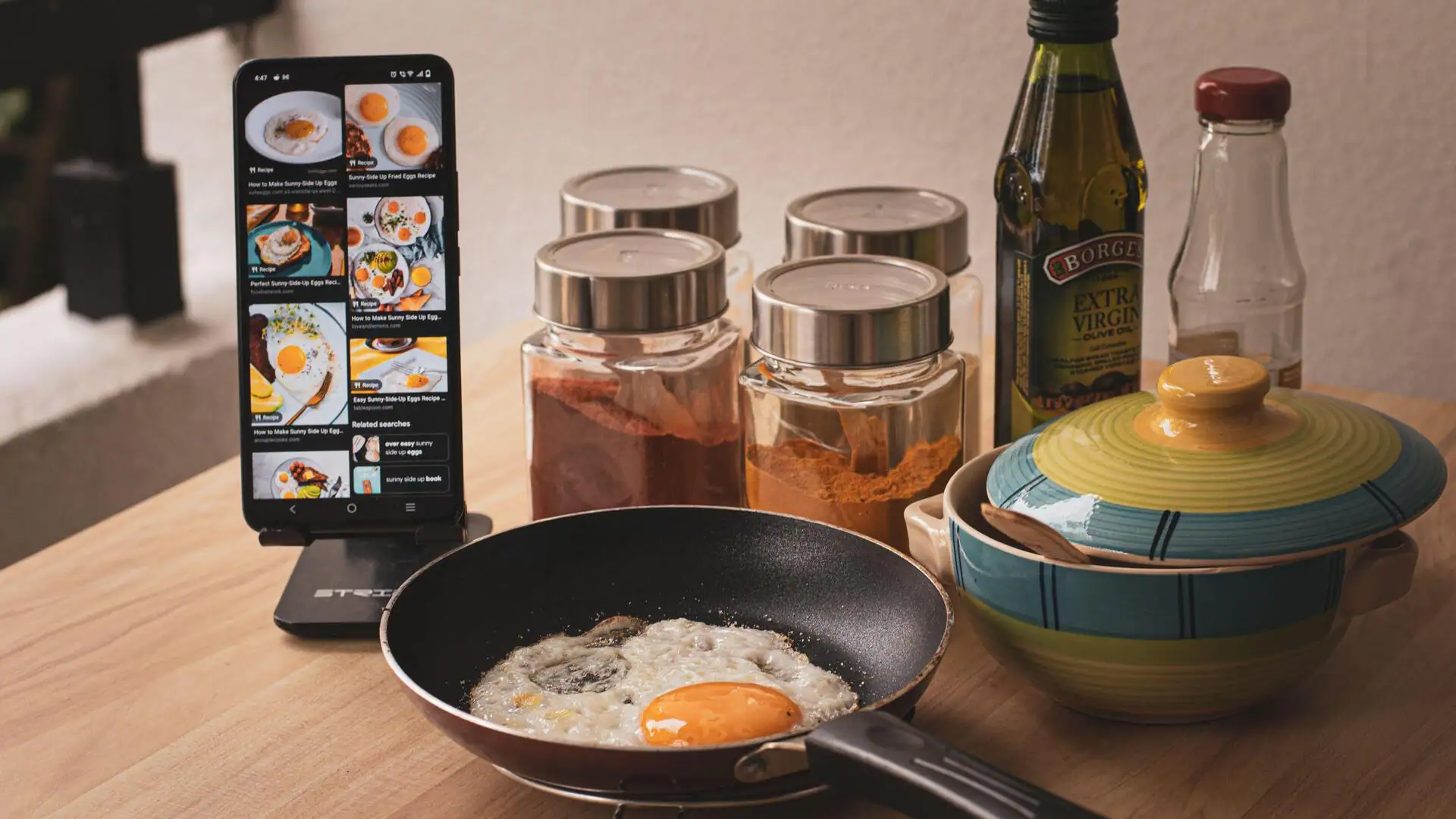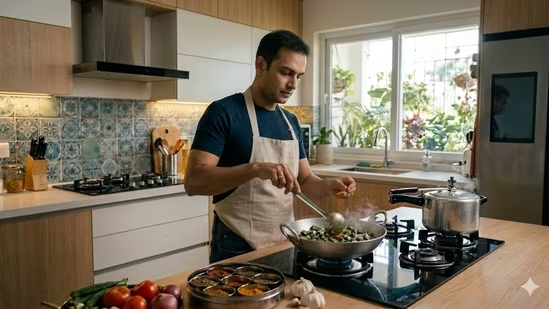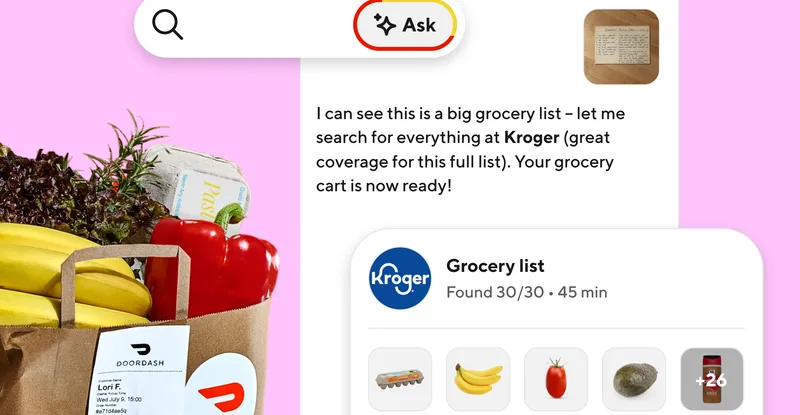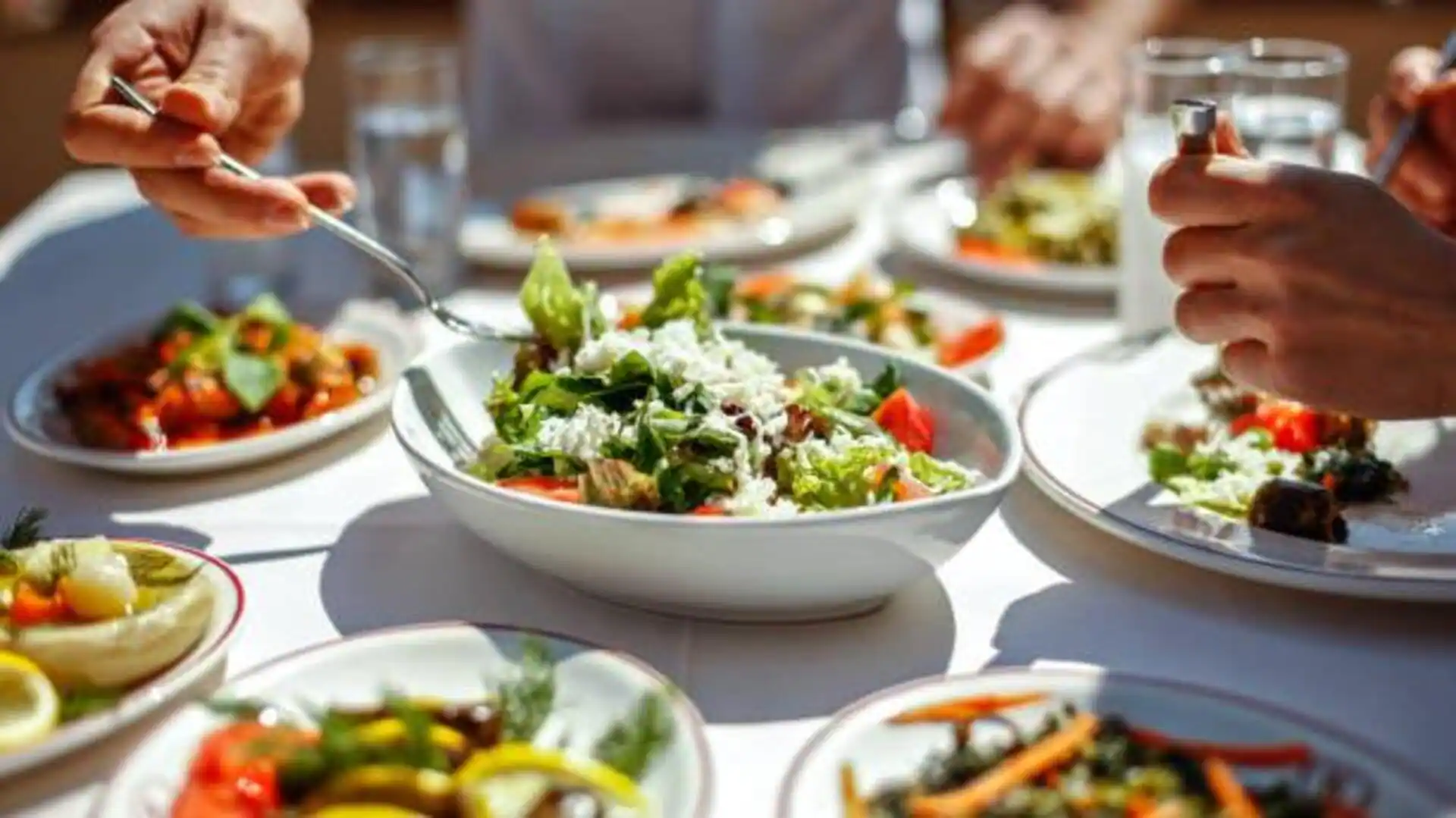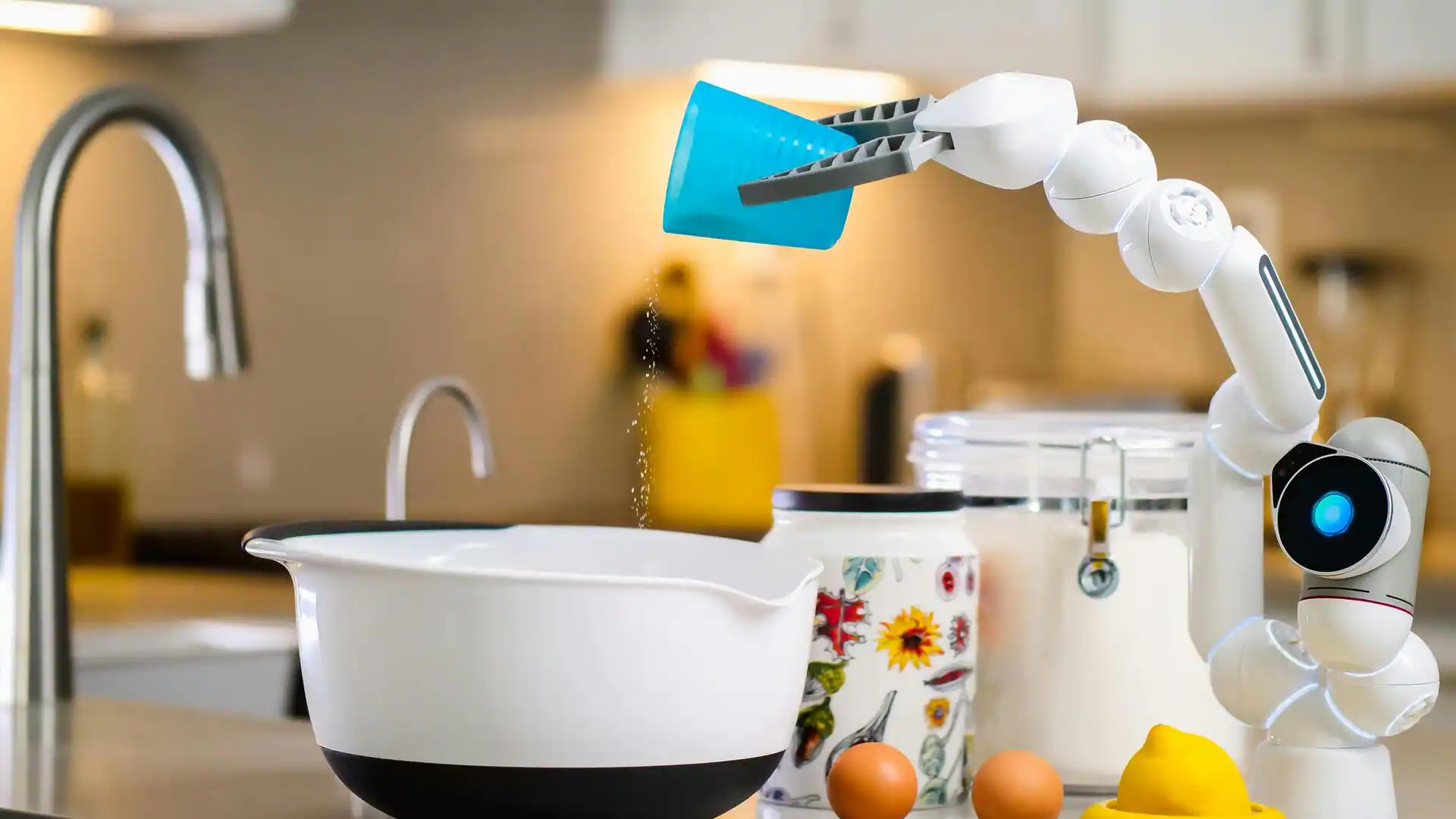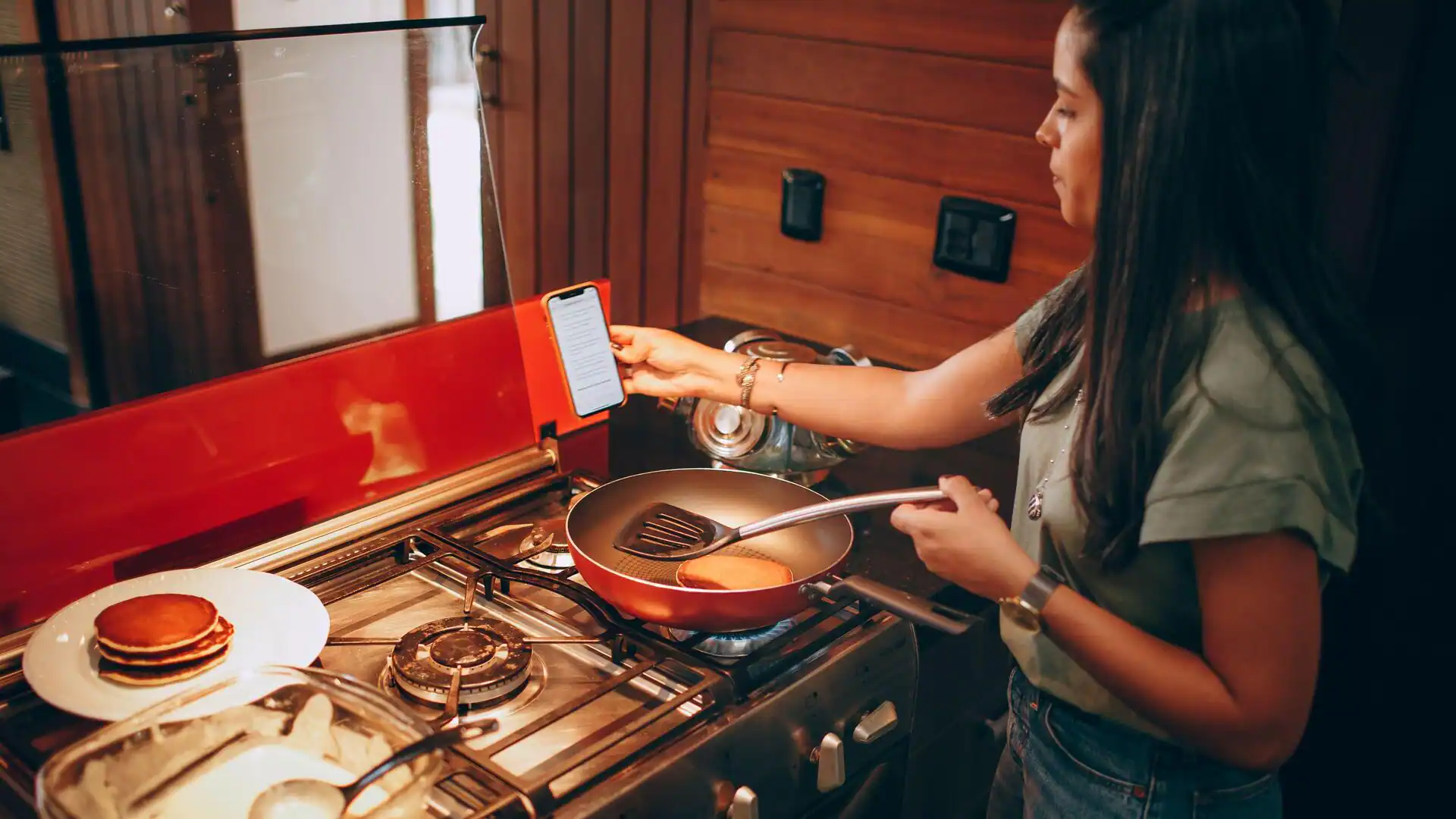
AI chatbots are now capable of customising recipes to help cooks turn random ingredients into hearty dishes. OpenAI’s ChatGPT boiled down a recipe for Spaghetti al Pomodoro into a step-by-step illustrated guide that even a child cook could understand. Google’s Gemini analysed a photo of overly soupy cookies in the oven and suggested turning the disaster into one giant “Pizookie” — a pizza-shaped cookie — to crumble over ice cream. Microsoft, in a blog, encouraged its users to try creating recipes with its Copilot AI.Unlike many human-made food blogs and cooking videos, recipes crafted by AI swap ingredients or allergens for healthier alternatives, translate instructions into the cook’s native language, plan meals that include cheap and local ingredients, convert measurements into familiar units, and accommodate for the cook’s disabilities and learning limitations.But can AI meet the standards of experienced cooks?
A dish by Chennai-based Ganesh Nandhakumar
| Photo Credit:
Ganesh Nandhakumar
Learning cooking vs learning recipesChennai-based Ganesh Nandhakumar, 26, shares cooking videos on Instagram. His Reels videos, ranging from traditional South Indian recipes to no-oven Crème brûlée and kettle-steamed Chinese sponge cake, go out to over 145,000 followers. He is firm about using affordable ingredients and tools available in most Indian households.While Mr. Nandhakumar experiments with Generative AI to research and analyse new recipes, his knowledge of culinary history helps him spot areas where the machine makes a mistake by generating incorrect information about Indian regional recipes.“I take ideas from it. I generate it — I don’t use it. It’s like brainstorming,” he said, noting that the AI data is “poisoned.”