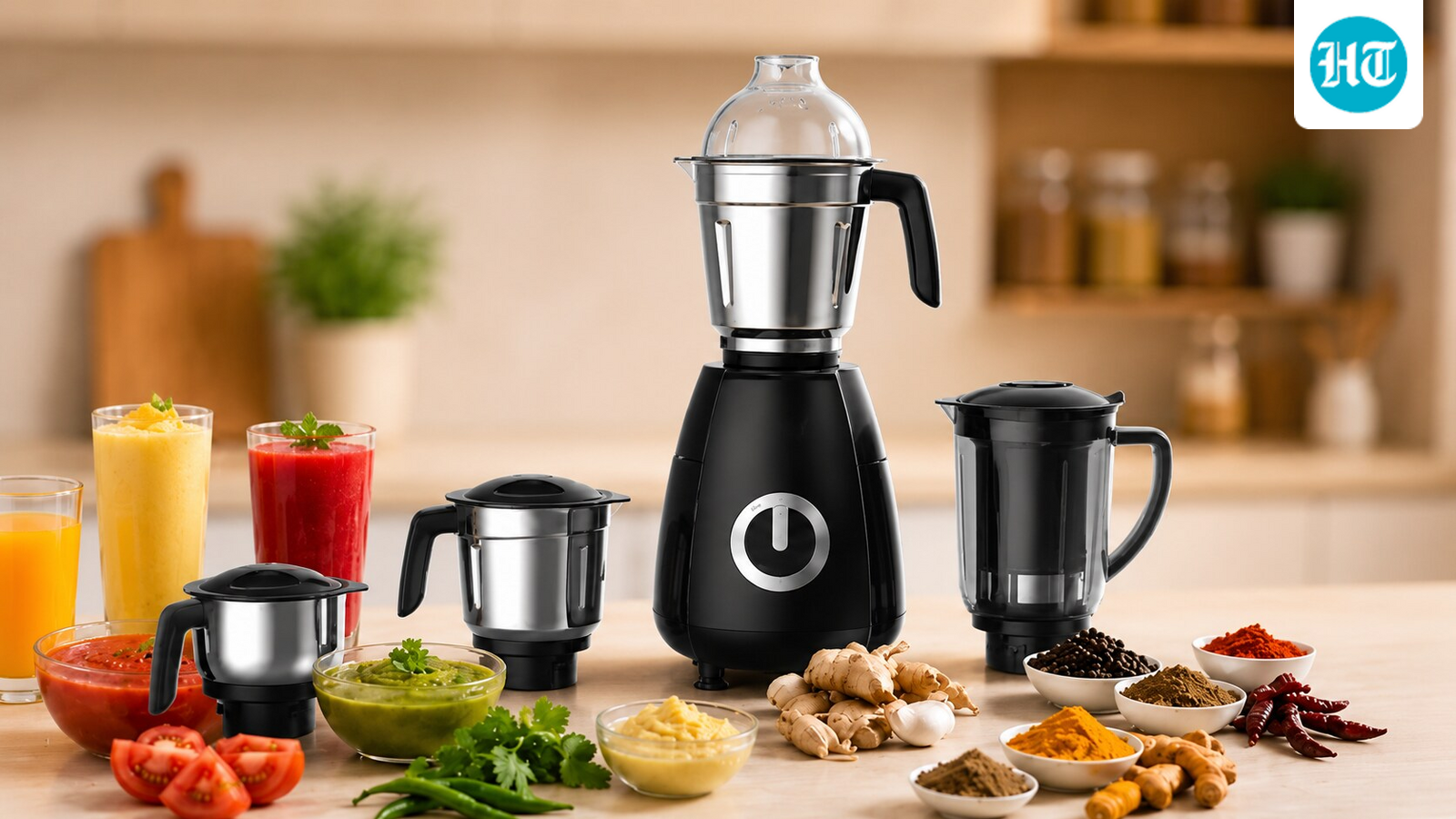
Mixer grinders are among the most heavily used appliances in Indian kitchens. From grinding spices and chutneys to preparing batters, many households rely on them multiple times every day. Yet, a common complaint among buyers is that newer mixer grinders often do not seem to last as long as older models.
In many cases, the problem is not just the quality of the appliance. Factors such as motor design, copper quality, overload protection, jar usage, and everyday operating habits can significantly impact a mixer grinder's lifespan and performance.
Having tested and reviewed home appliances for several years, I've found that a few simple maintenance practices and the right buying decisions can help a mixer grinder last much longer. In this guide, we'll explain what affects durability, how to prevent common motor failures, and the key features to look for when buying a long-lasting mixer grinder.
Why do modern mixer grinders fail so quickly? The motor science, usage habits, and features that decide lifespan
From grinding spices and masalas to preparing chutneys, purees, and idli batter, a mixer grinder often runs multiple times every day. Yet many consumers complain that newer models seem to last only a few years before developing problems such as overheating, reduced grinding performance, unusual noises, or complete motor failure.