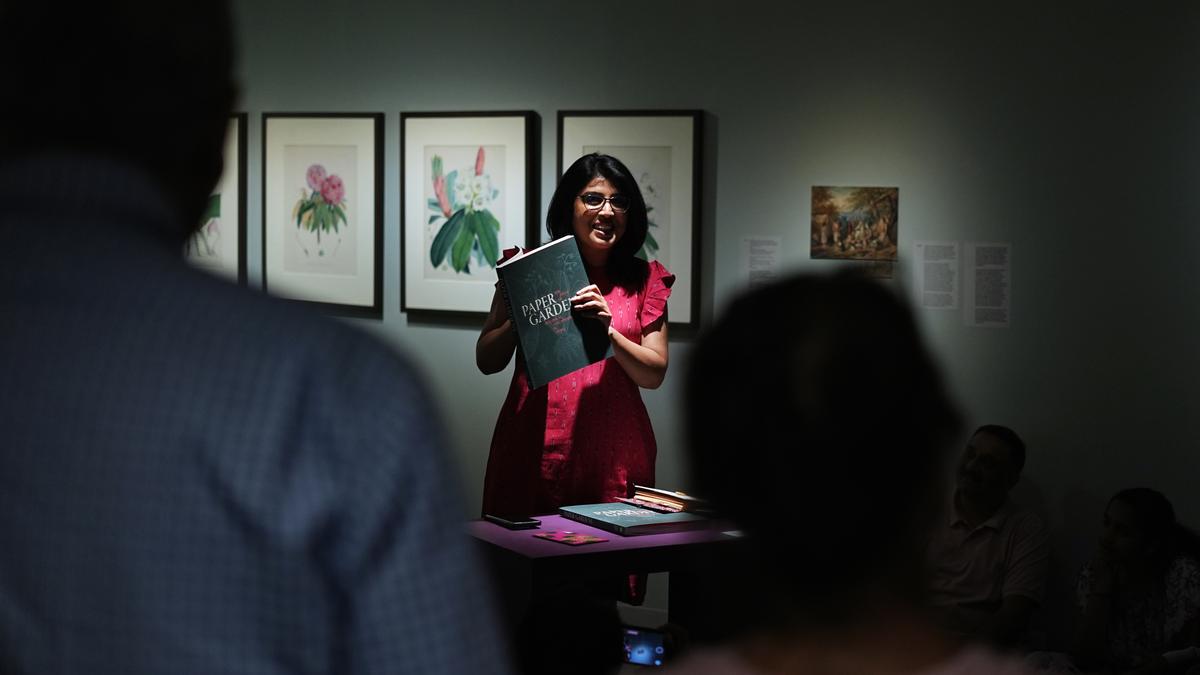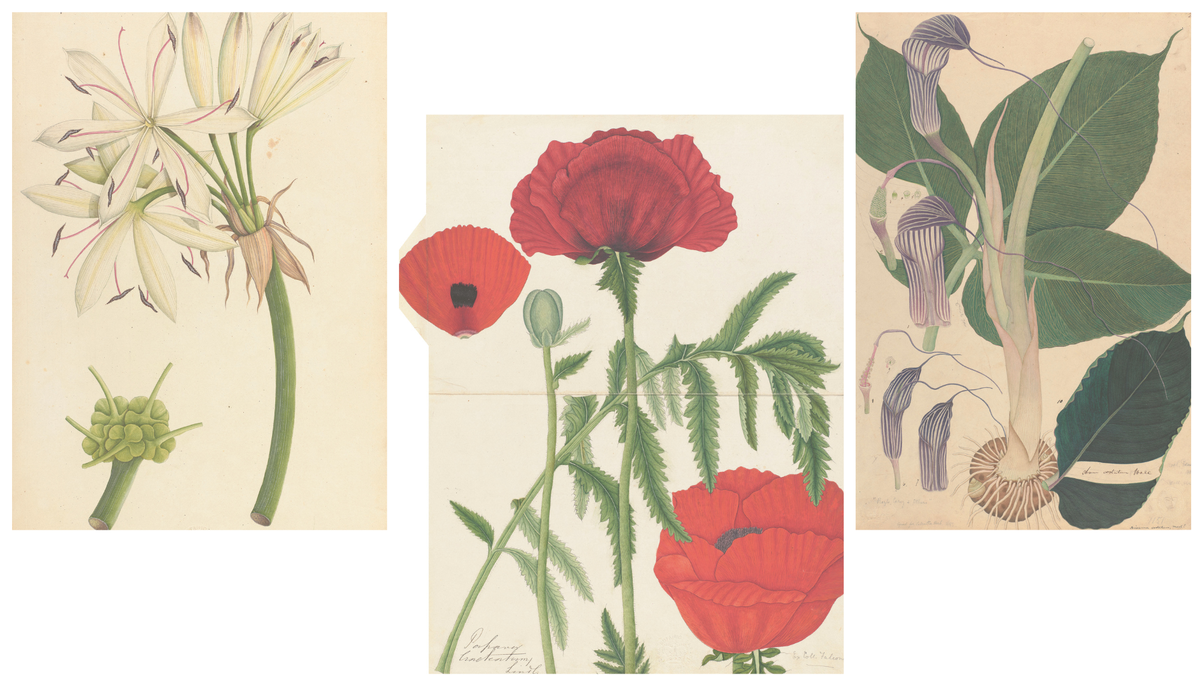
Deep in the Kew Gardens archive some years ago, Henry Noltie found a drawing that had been cut in half. It was a large watercolour of a salak palm (Salacca zalacca). He didn’t think he’d ever find the other half, but months later, it turned up mounted on a herbarium sheet in a specimen cupboard, where it lay unidentified. More indifference than inefficiency — for what could be the value of anonymous “company-style” paintings of plants from the Indian subcontinent from 200 years ago?A lot for someone like Noltie, who is pleased that some “wonderful paper conservators have been able to rejoin Humpty Dumpty”, as he refers to the two halves. Days before the launch of his book Flora Indica: Recovering Lost Stories from Kew’s Indian Drawings (Roli Books, ₹2,495) in Delhi, he remembers the last few years that he has (in the words of William Dalrymple, who has written the foreword) “spent sleuthing in the dusty, dark cupboards” of the Royal Botanic Gardens at Kew.
Scottish botanist and taxonomist Henry Noltie
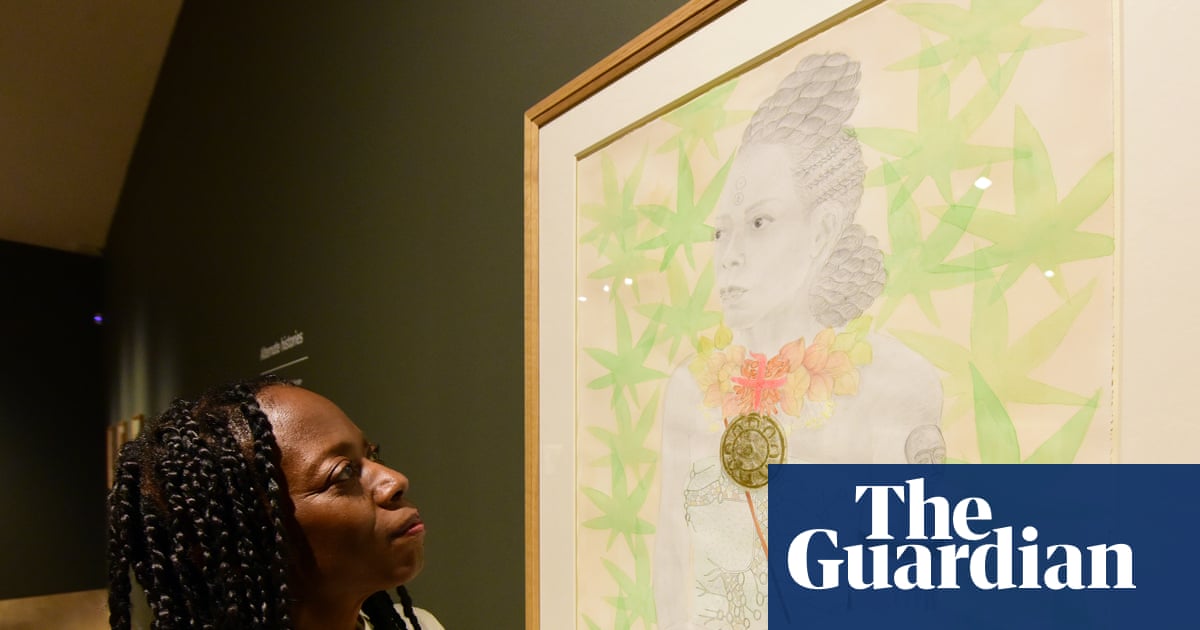
Flora Indica: Recovering Lost StoriesFinding and restoring that drawing — and hundreds, if not thousands, like it — has consumed the renowned Scottish botanist and taxonomist in his later career. Now a research associate at the Royal Botanic Garden Edinburgh, Noltie’s detective work began in the early 2010s, when he became aware of and sorted through a vast collection of Indian drawings there: about a quarter of a million of them.That led him to a similar project at Kew. Sifting through 7,500 drawings brought him and his co-curator, Hyderabad-based researcher Sita Reddy, to about 50 that were showcased as part of the exhibition Flora Indica, at Kew’s Shirley Sherwood Gallery until April before coming to India (later this year). Although that is not nearly enough, if you ask him.