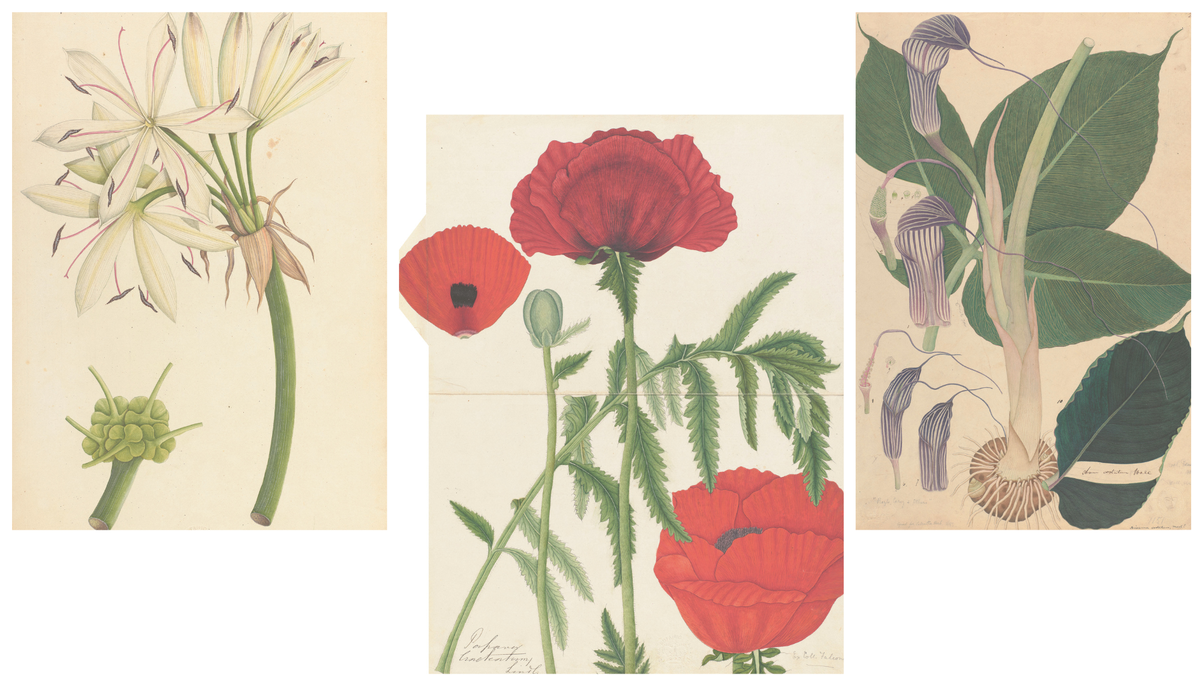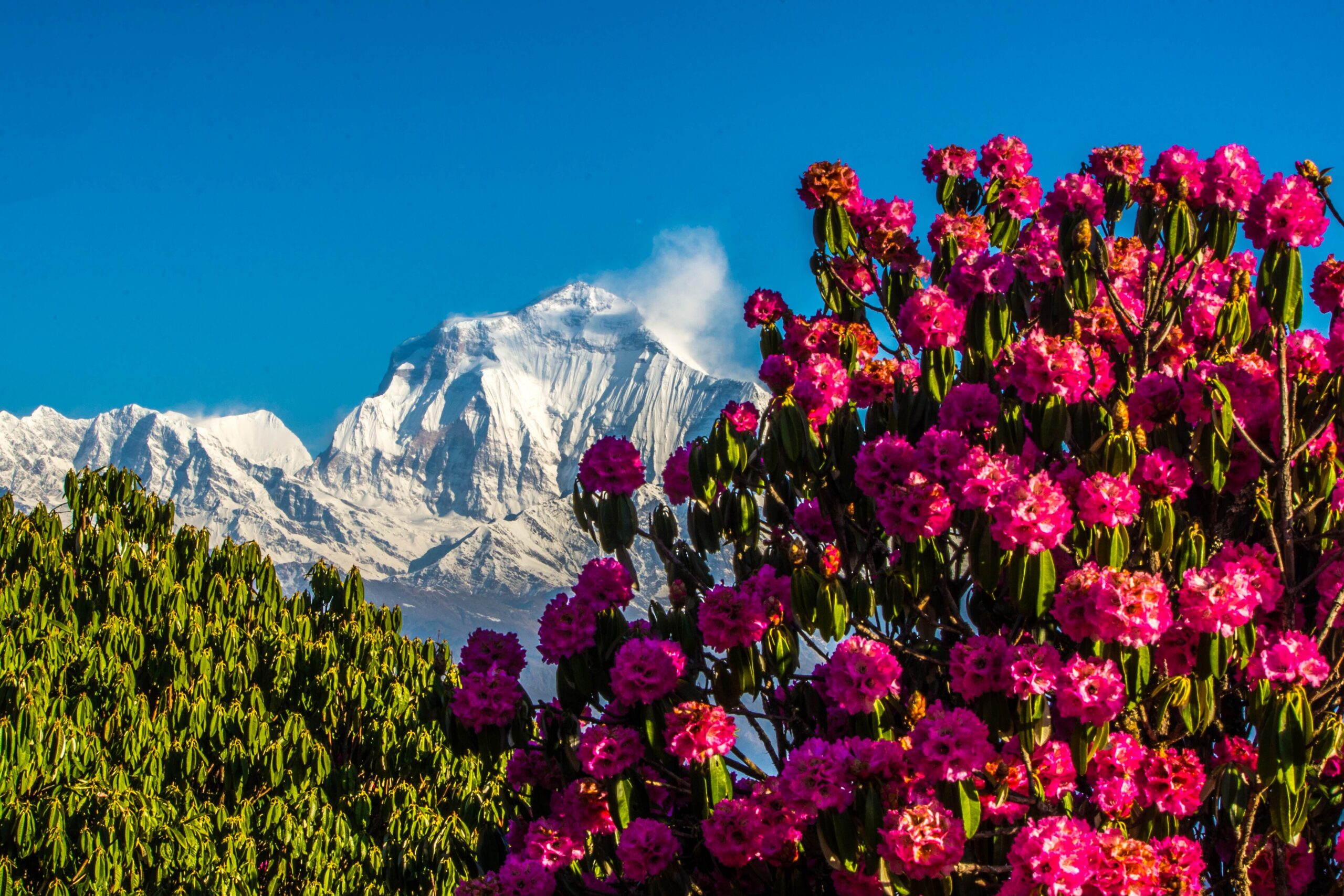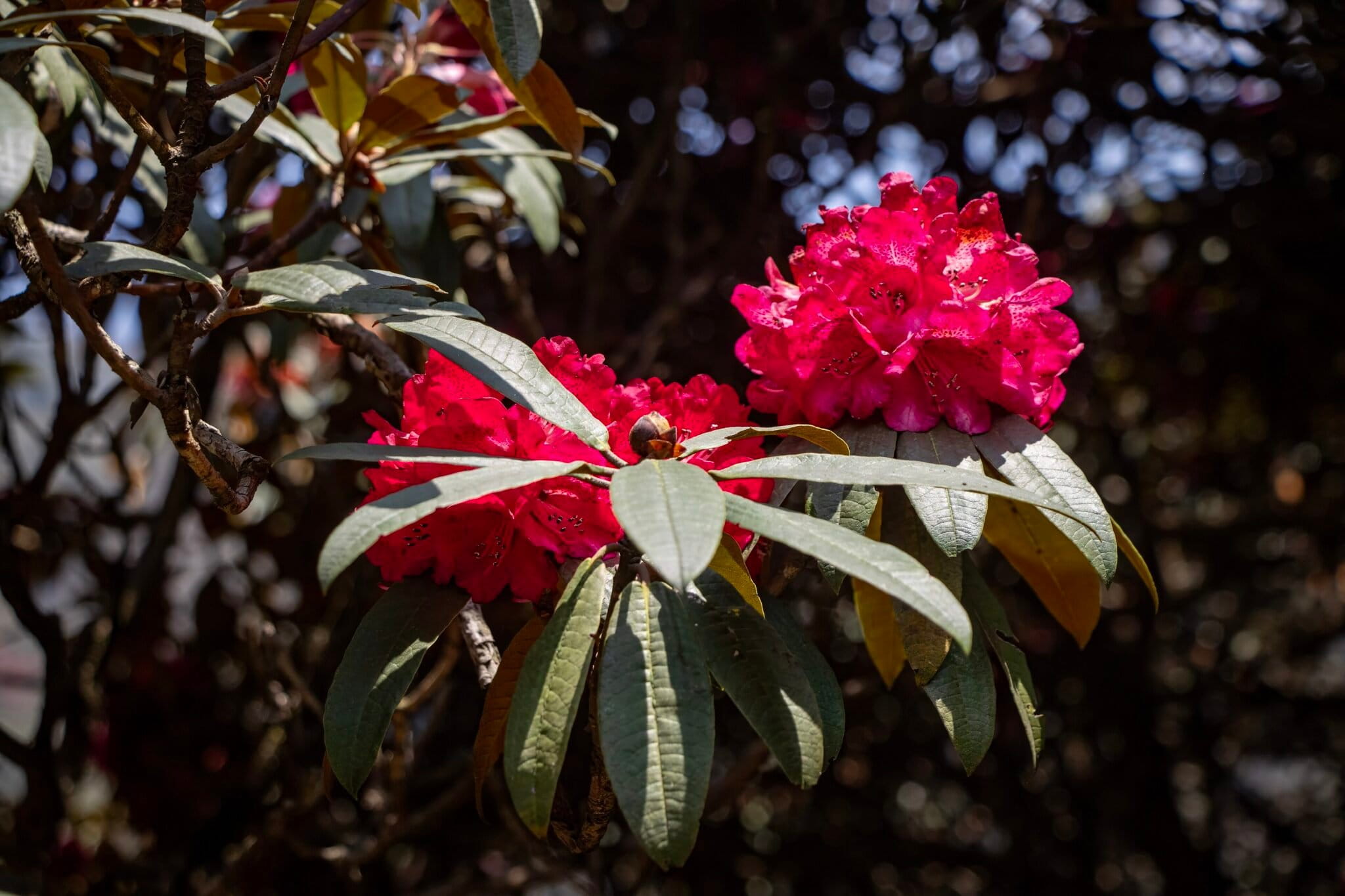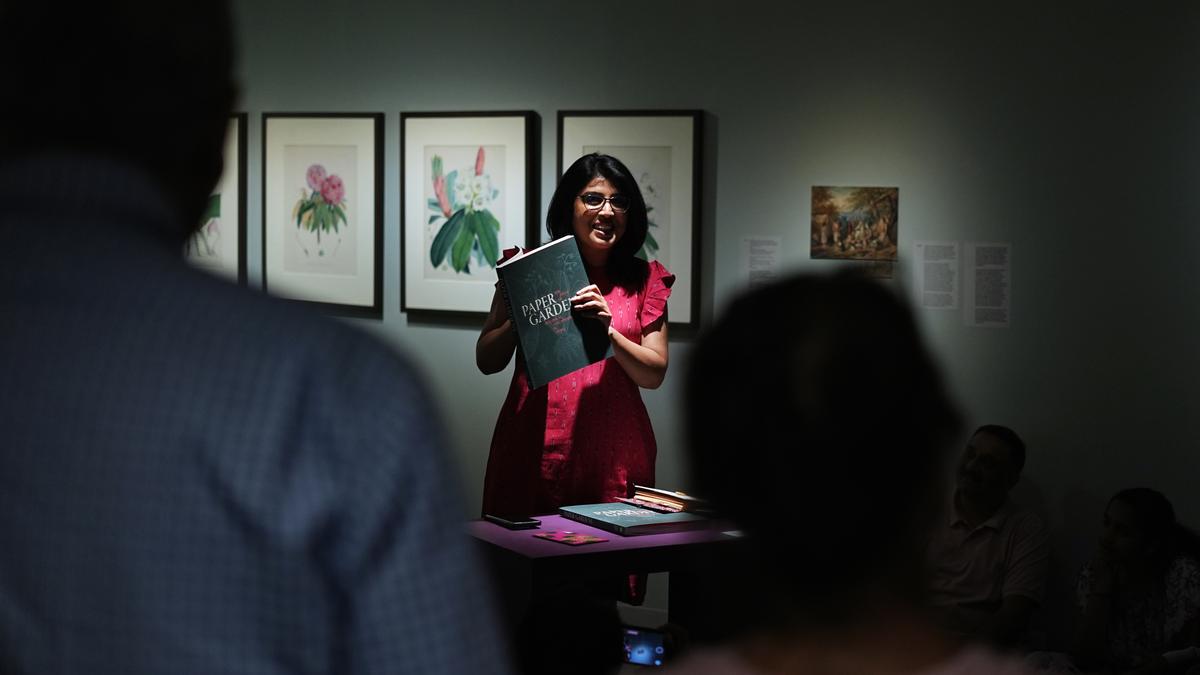
Every spring, rhododendrons paint the Himalayas and parts of the Northeast in vibrant reds, whites, purples and pinks. For writer and poet Sumana Roy, the elusive flower, which can still be seen at higher altitudes in June, is special. As she writes in ‘Wild Encounters: Searching for Rhododendrons’, her essay in the new book Paper Gardens: The Lives of Botanical Illustrations in India, while colonisers were drawn to the flowers for their sensual beauty, “the local will bite and chew the arrogance of the flowers”.
Rhododendron campbelliae (The Rhododendrons of Sikkim-Himalaya); author and artist: Joseph Dalton Hooker; lithographer: Walter Hood Fitch, 1849
| Photo Credit:
Courtesy MAP
Roy remembers her favourite rhododendron chutney, and even offers a recipe: “Crushing about five or six fresh red rhododendrons into a paste with a clove of garlic, a tomato, and its sweet-sour balance refined by the addition of molasses and dried mango powder. As I look at [British botanist Joseph Dalton] Hooker’s The Rhododendrons of Sikkim-Himalaya, this is what I miss — the flower inside my mouth.” Hooker’s 1849 book listed 33 species, but Roy says lived experience imbues the flowers with far more colour than is possible in the pages of a book.