H1: What If Nigeria’s Next Energy Breakthrough Is Not Solar?
For years, Nigeria’s renewable energy conversation has largely revolved around solar. Yet one of the country’s most promising clean energy resources may have been hiding in plain sight. New data suggests that wind, long considered a marginal opportunity, could play a far greater role in Nigeria’s energy future than previously assumed.
According to Oando Clean Energy Limited’s (OCEL) National Wind Resource Capacity Report, developed in collaboration with the Nigeria Wind Energy Council (NWEC), the official Nigerian affiliate of the Global Wind Energy Council (GWEC), Nigeria’s average wind speed at 100 metres is 6.79 m/s, with commercially viable wind conditions identified across several parts of the country. More importantly, the report highlights two regions with particularly strong potential for utility-scale development: the northern highlands and the country’s coastal corridors.
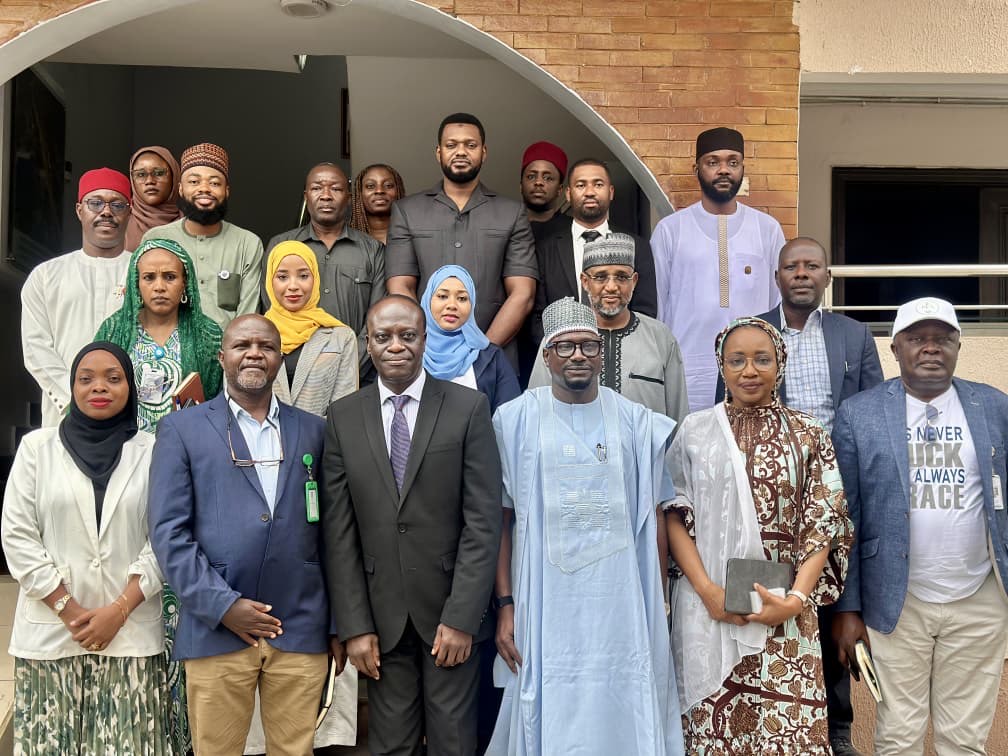
The significance of the report extends beyond its findings. Developed jointly with the Nigeria Wind Energy Council, a body that brings together government policymakers, international development partners, private sector investors and academic institutions to advance wind energy development in Nigeria, the assessment reflects a collaborative effort to better understand and unlock the country’s wind potential. This broad stakeholder engagement lends additional credibility to the report’s findings and strengthens its value as a resource for future planning, investment and policy discussions.