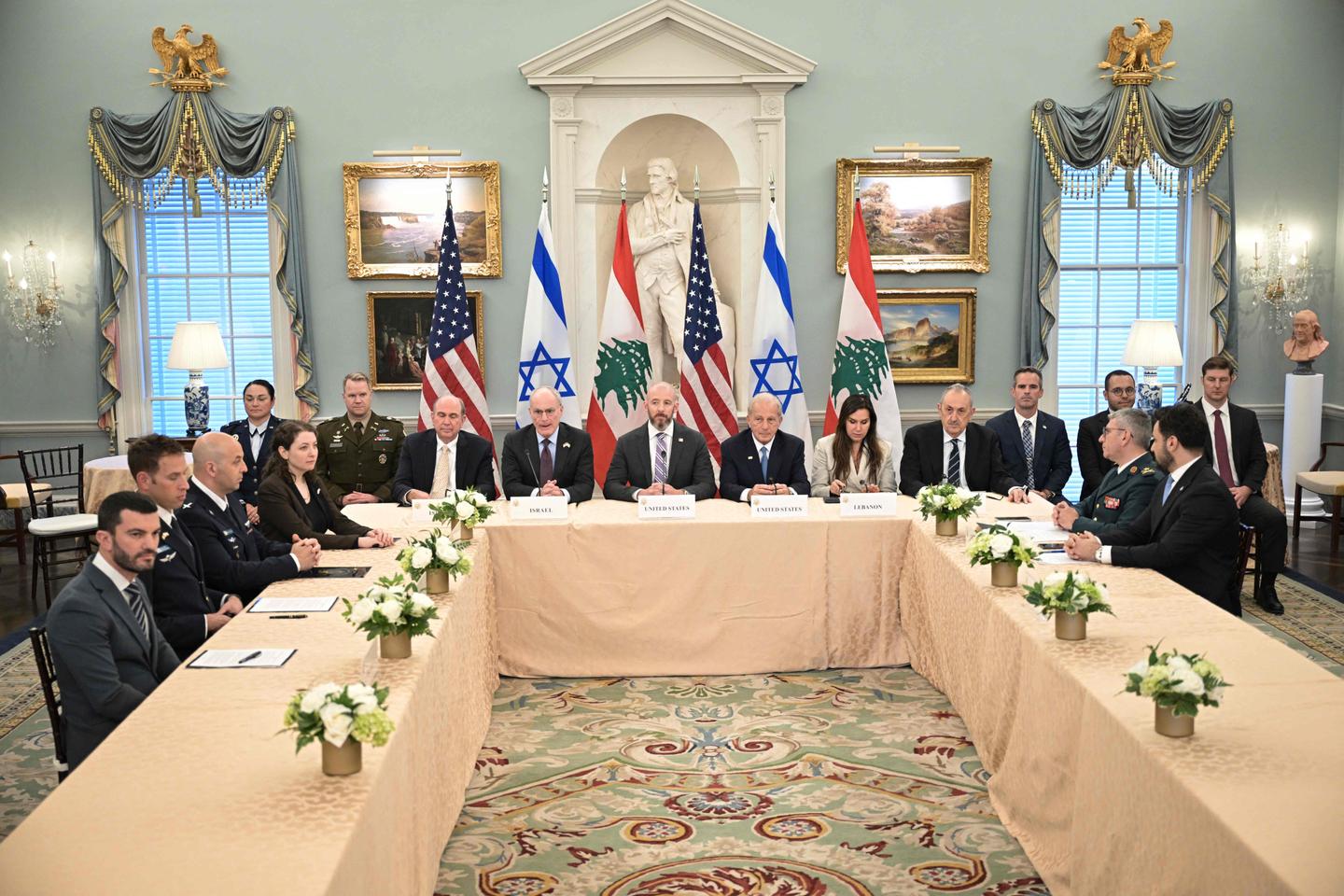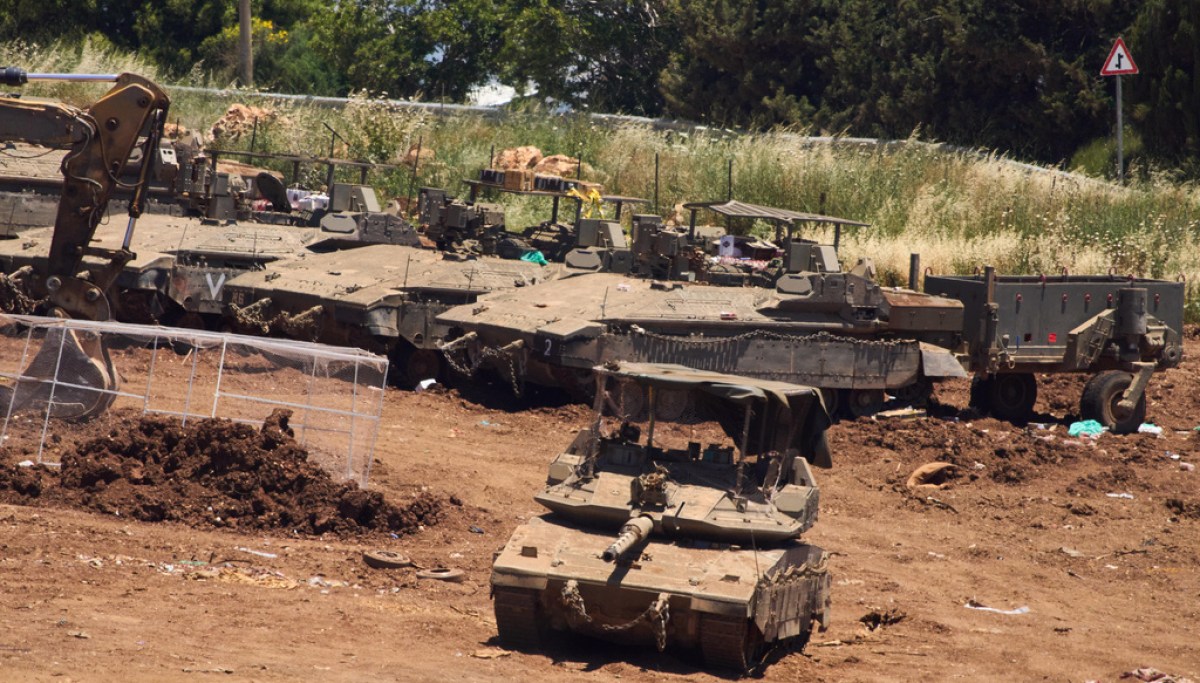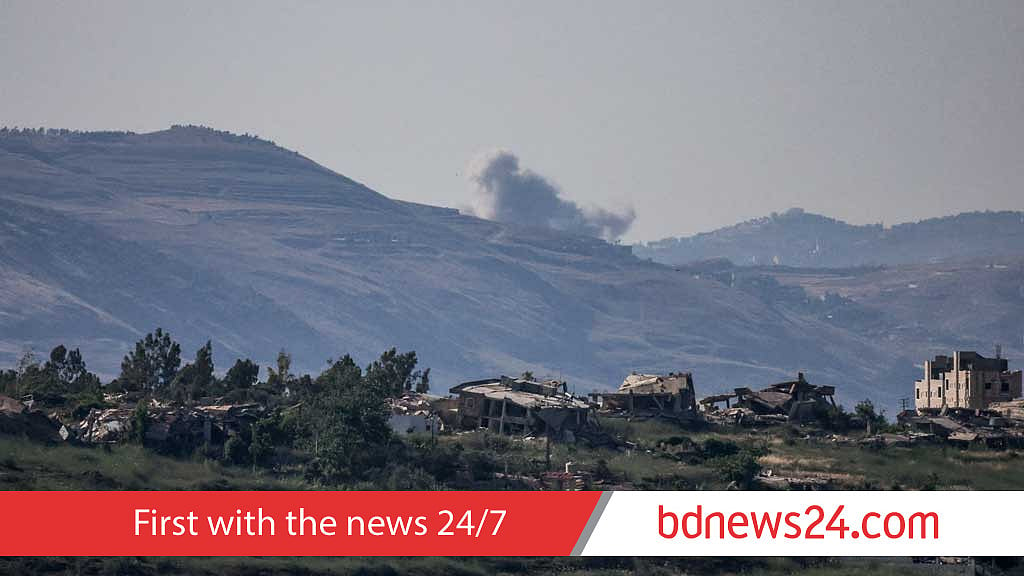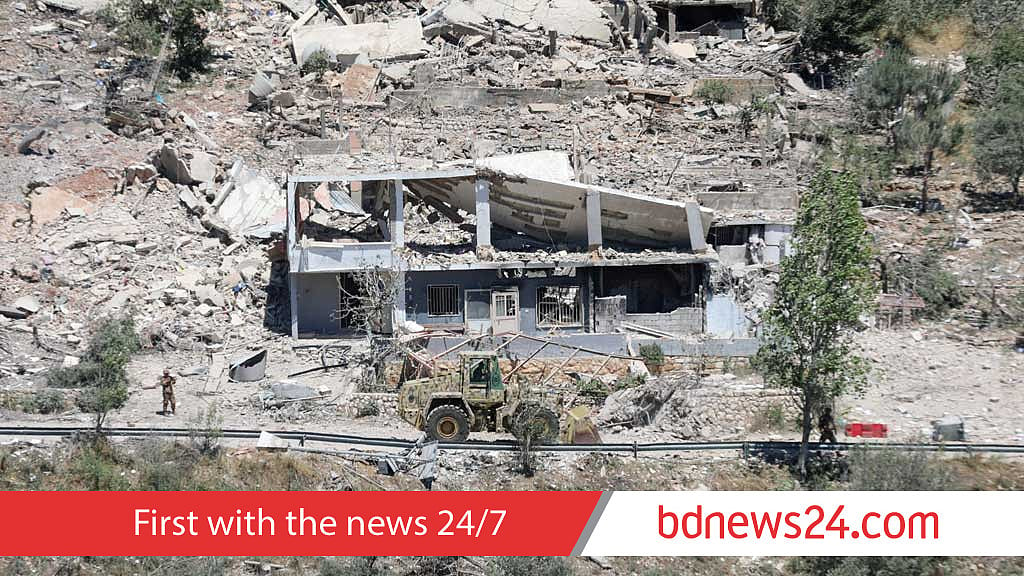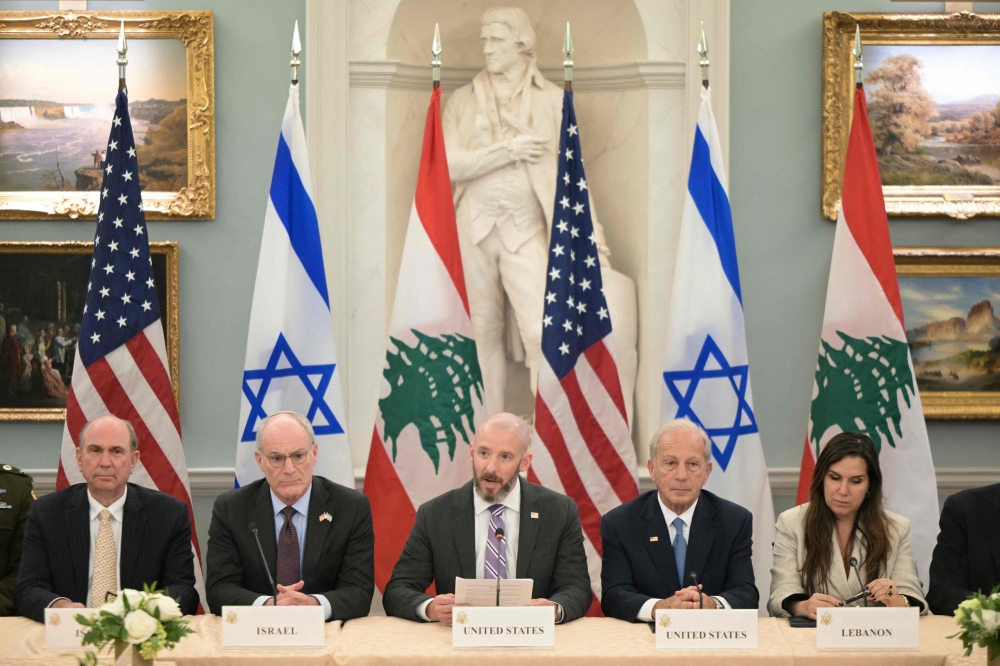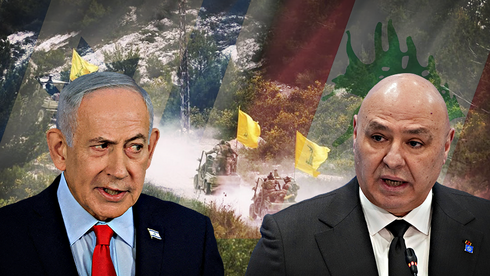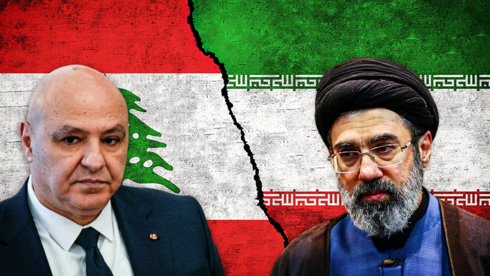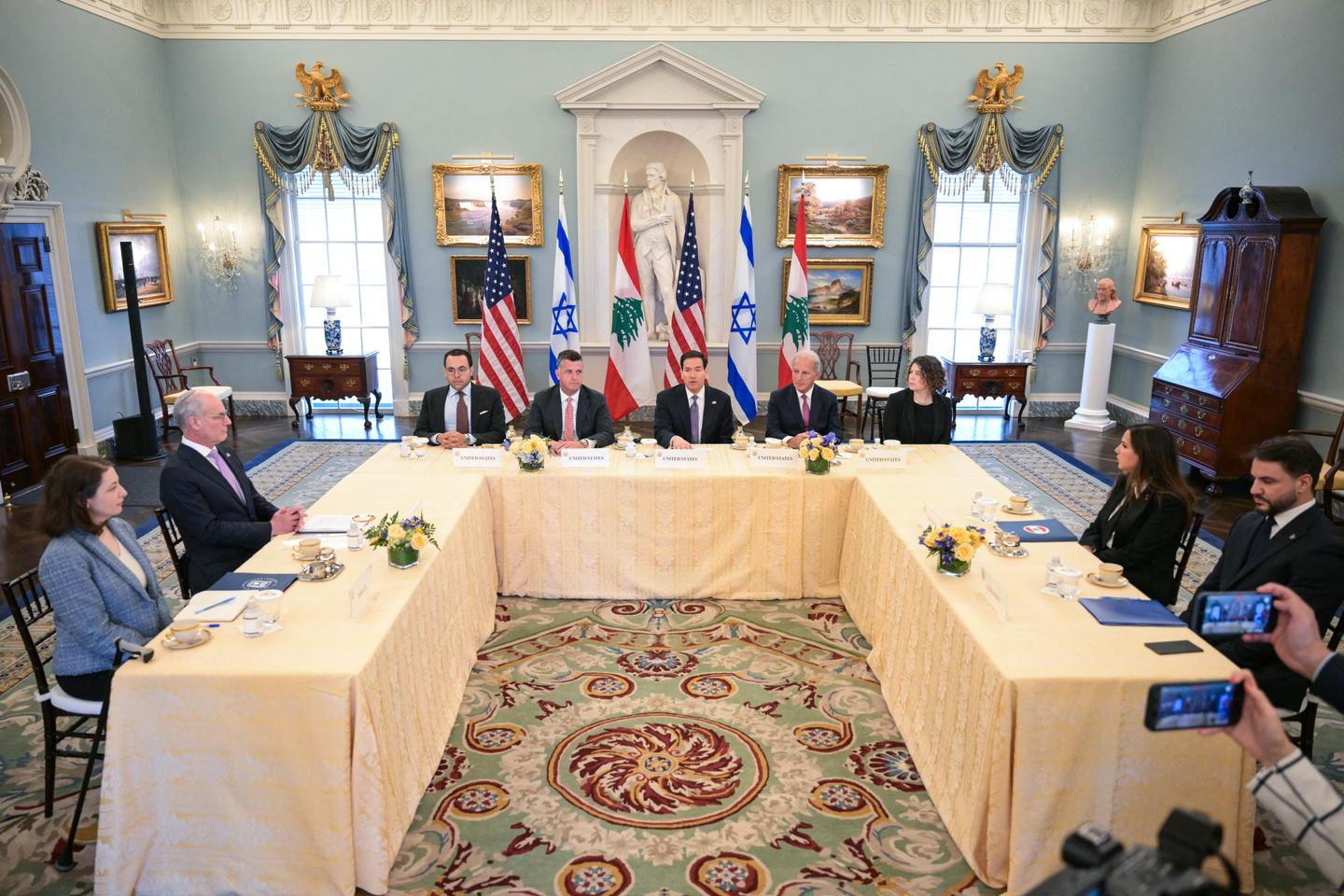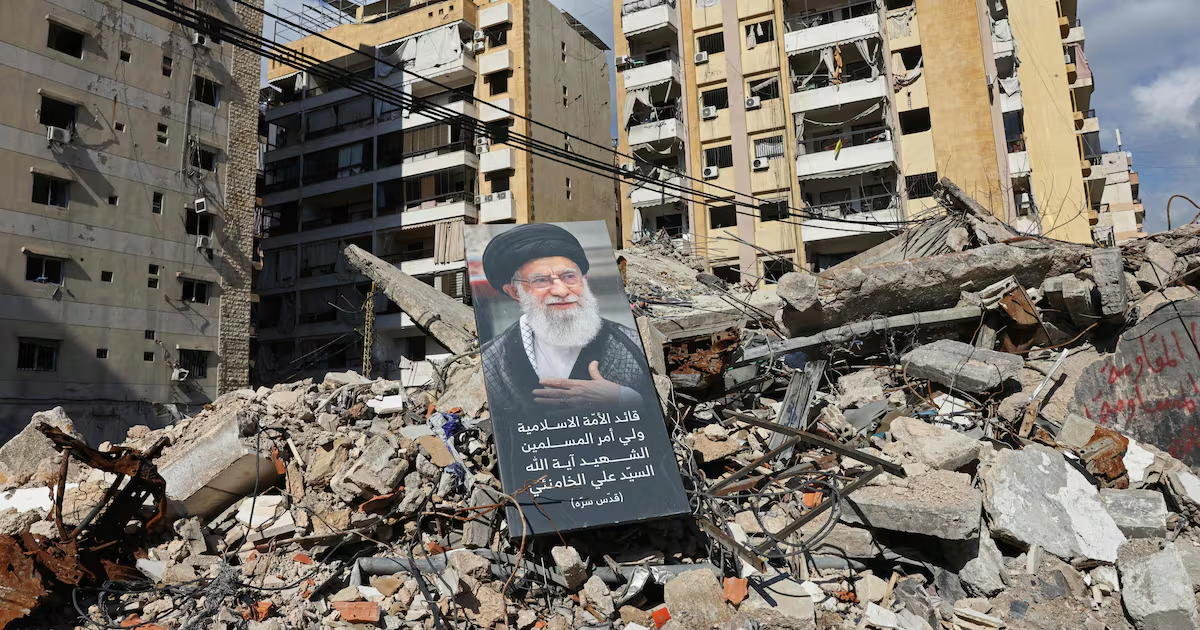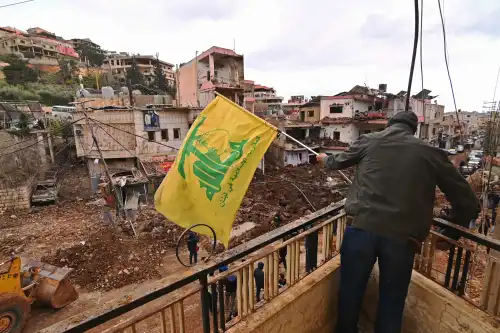
As Iran insists that Lebanon be part of ceasefire negotiations with the United States and Israel, the Israel Defense Forces’ May 31 seizure of Beaufort Castle resurrects unsettled memories of the 1982-2000 occupation that fueled Hezbollah’s ascent. As Israel pounds Lebanon, Washington and Tehran wait for the other to blink in negotiations, and Lebanon shatters the taboo against direct talks with Israel, an uncomfortable truth remains: there is no short-term solution to Hezbollah’s arms. American, Israeli, and Lebanese leaders all want Hezbollah defanged. But Israel’s expanding occupation is failing to defeat Hezbollah, which adapts by shifting to asymmetric tactics. Nor are today’s Lebanese Armed Forces (LAF) up to the task of disarming Hezbollah. The Lebanese state is far too weak and underdeveloped to replace the jobs, social services, and patronage networks that Hezbollah provides to a once-neglected Shia population. In talks with Washington, Iran is more likely to double down on, rather than negotiate away, its most successful surrogate.
Neutralizing Hezbollah’s military threat and stranglehold on Lebanon hinges on several difficult factors. First, patience and planning for the longer term. Second, sustained U.S. leadership, focused on capacity-building and monitoring and enforcing what emerges from U.S.-Iran and Israel-Lebanon talks. Third, tangible programs to persuade Lebanon’s Shia that, without Hezbollah’s arms, they will not be left vulnerable to Israel (or a Sunni-dominated Syria) and that a bankrupt and dysfunctional state can evolve to revive the economy and deliver services. If the LAF is to disarm Hezbollah without collapsing along sectarian lines, a credible civilian government presence must accompany it, demonstrating that “anti-Hezbollah” does not mean “anti-Shia.” Finally, even while maintaining the fiction that the Lebanese and Iranian tracks are separate, Washington must factor Lebanon into its negotiations with Tehran. Iran may use any sanctions relief, Strait of Hormuz “tolls,” or access to frozen funds to give Hezbollah what it lacks: money for relief and reconstruction that could rebuild its tattered political base and undercut government efforts. While Shia fury over Israel’s “scorched earth” tactics boils high, growing resentment at Hezbollah for dragging them again into war opens space for the state to step in.