C
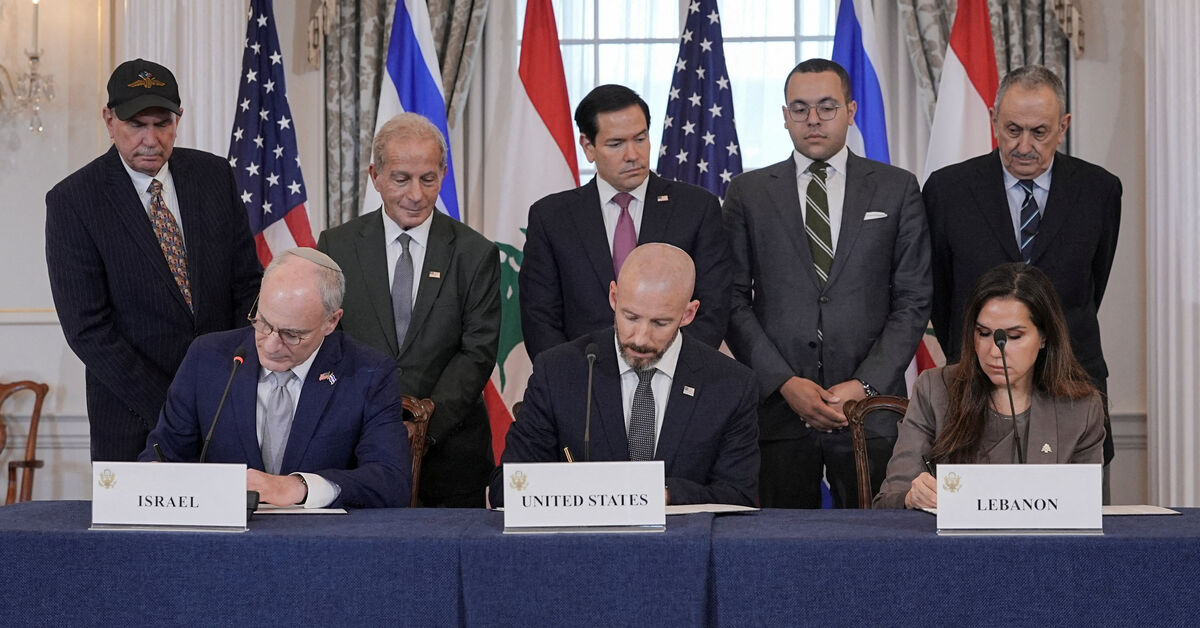
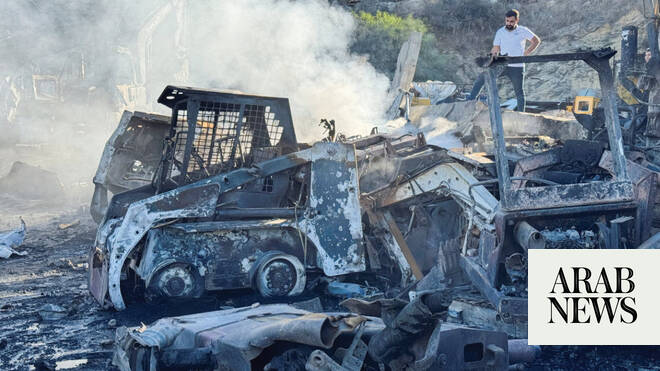
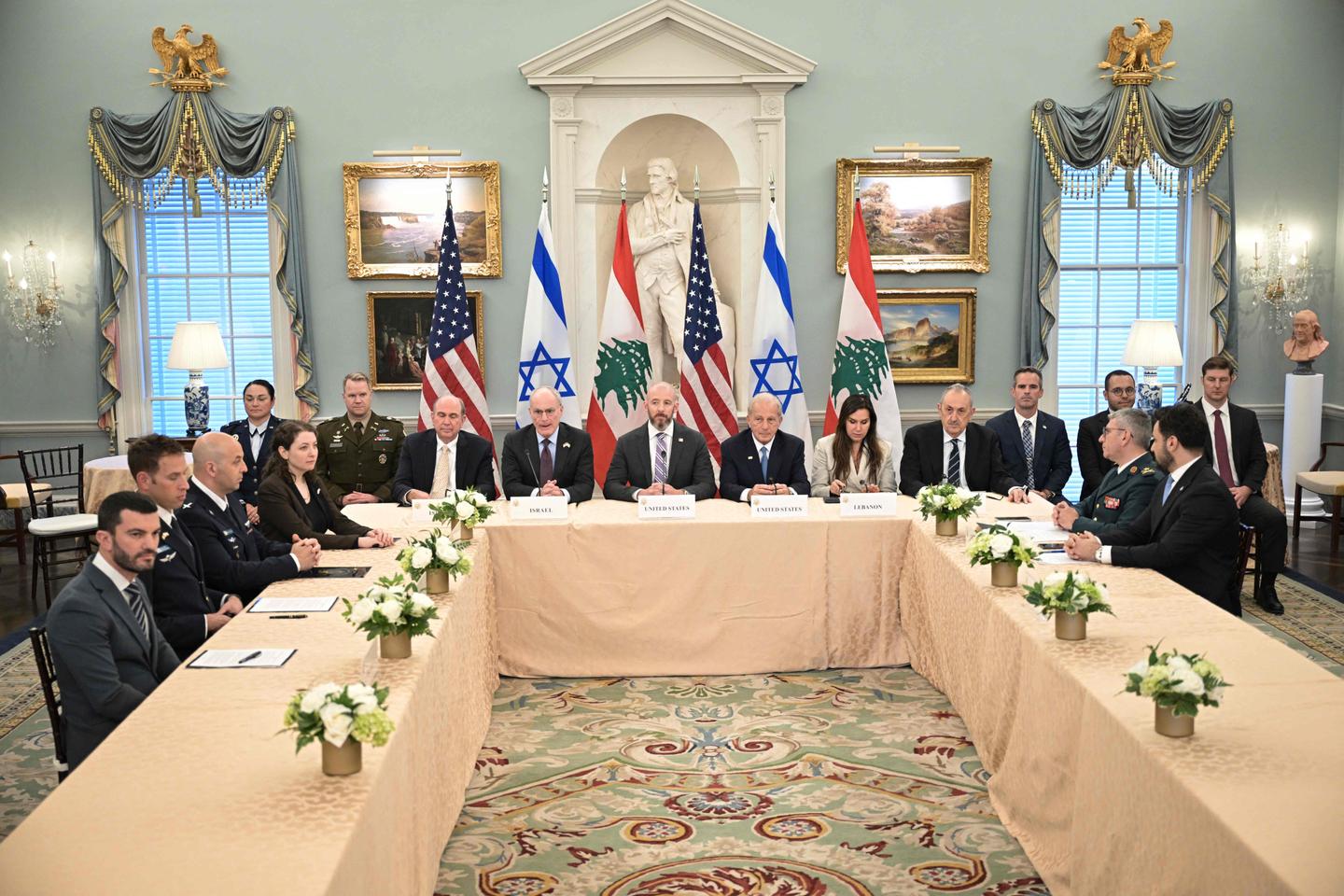
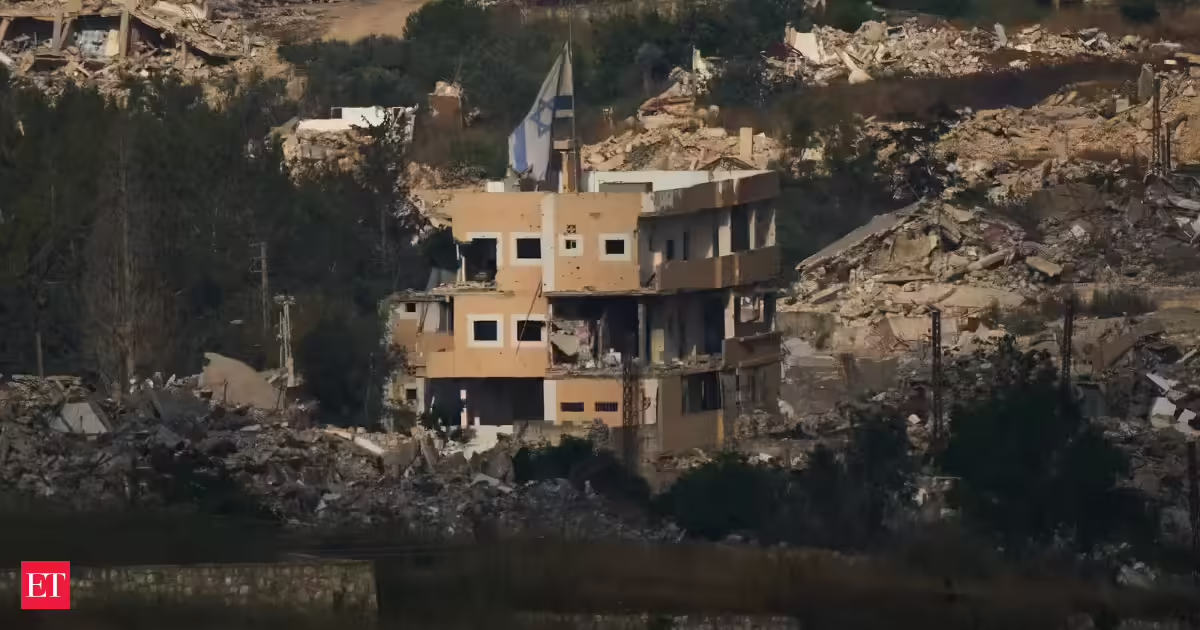
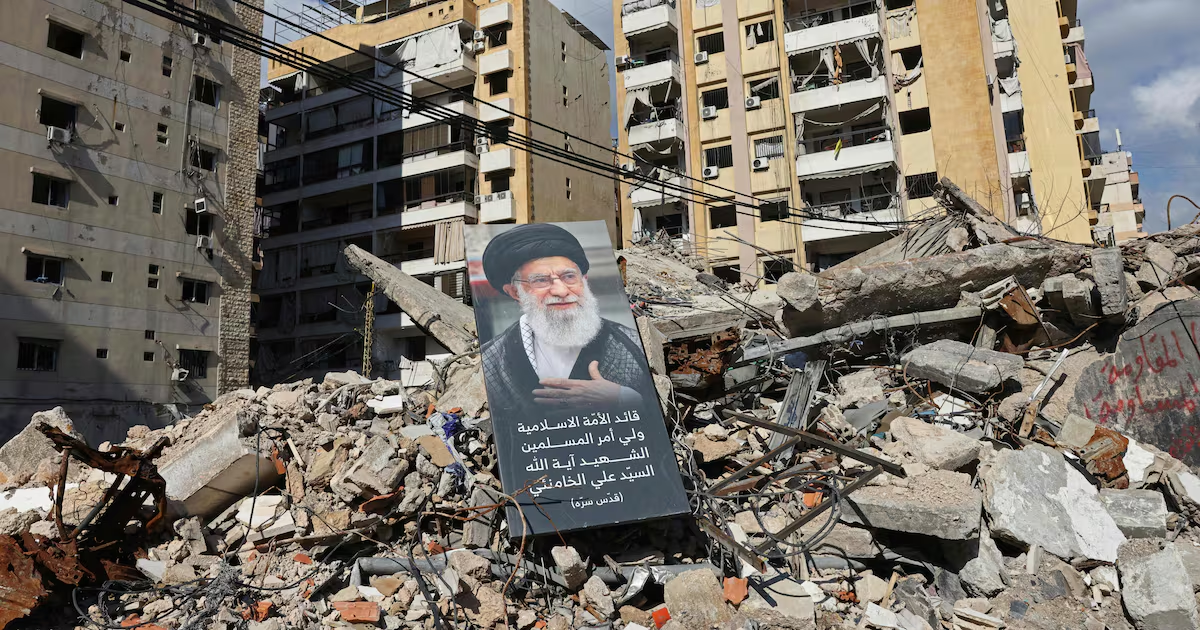
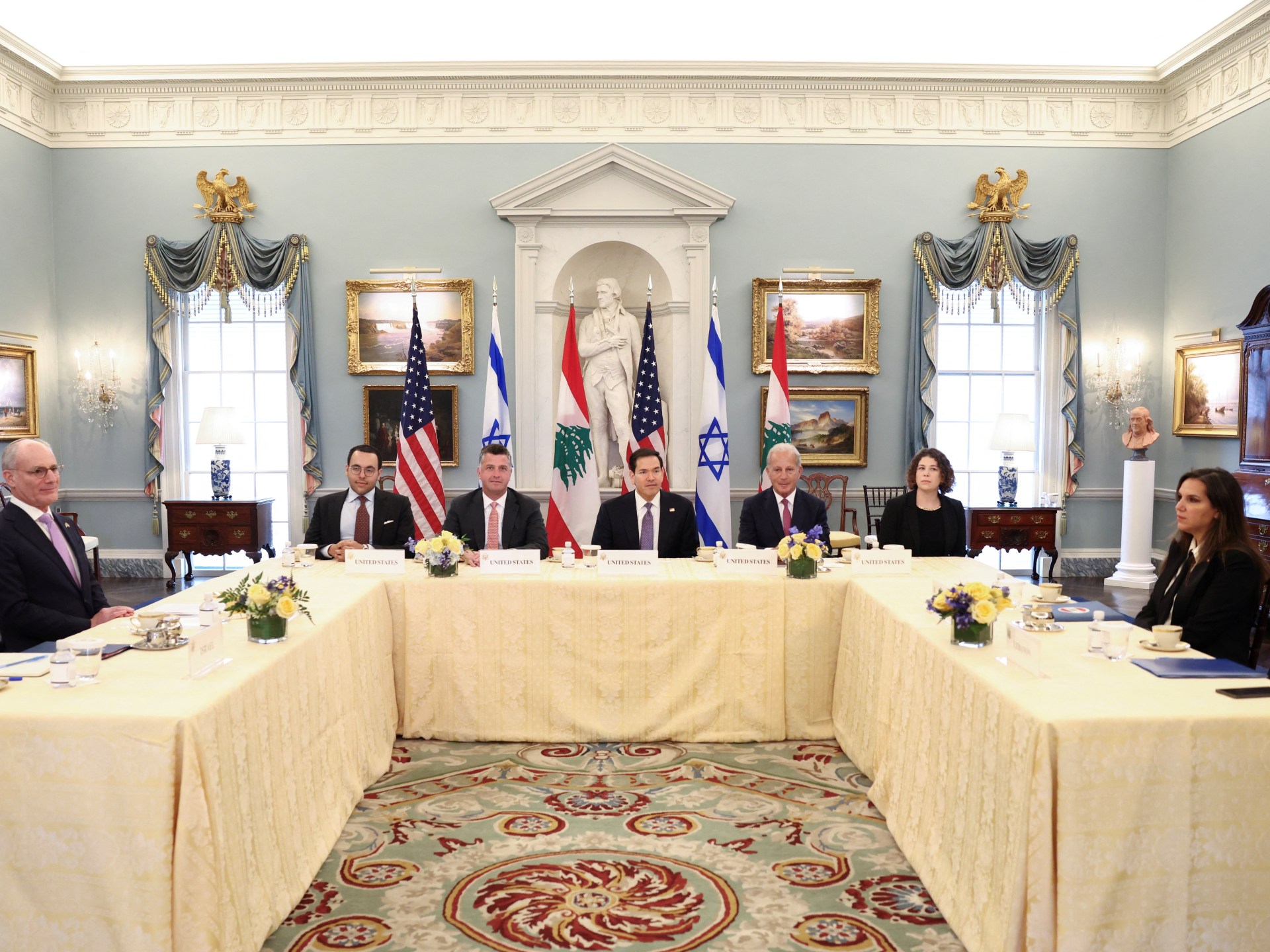
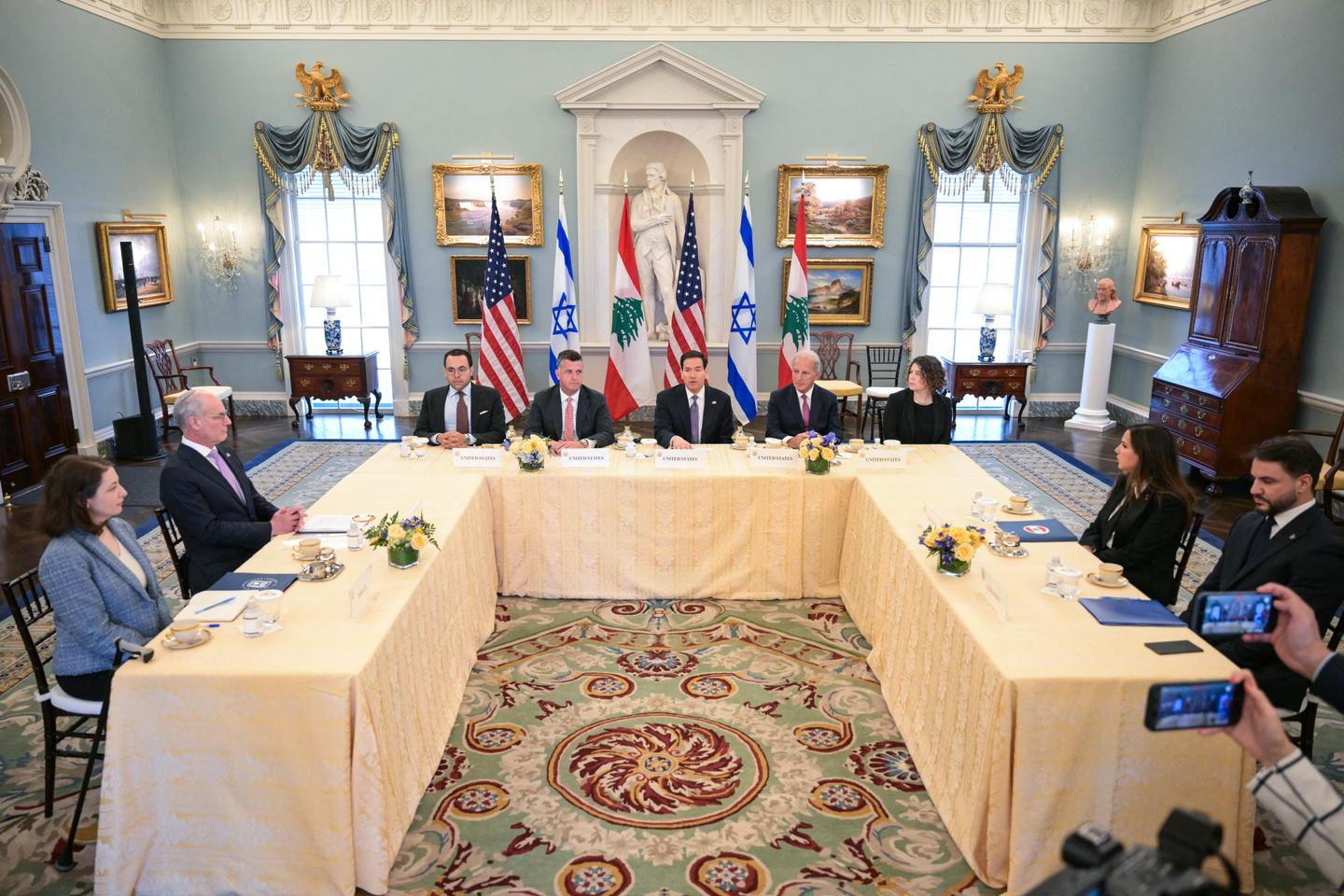
an Lebanon escape the fate of wars imposed on it? A preparatory meeting in Washington on Thursday, April 23, between Israeli and Lebanese officials is expected to offer some clues, even if the circumstances leave little room for optimism. Responsibility for the ongoing war, briefly interrupted by a very fragile ceasefire, lies with Hezbollah, which once again appears ready to sacrifice Lebanon in the name of solidarity with the Iranian regime. Meanwhile, Israel is using the opportunity to push for a sweeping reshaping of its northern border, reviving an irredentist idea that has always seen the Litani River as Israel's "natural" border.
This opening, which the Lebanese government, caught between the two belligerents, had hoped for in order to avoid being swept into a devastating spiral, became possible only because the United States imposed a ceasefire on Israel, which has respected it even less than Hezbollah, which is opposed to the talks. Locked in a high-stakes standoff with Iran after the joint attack on the regime carried out with its Israeli ally, Washington has sought to prevent its adversary from using the bombings and destruction in Lebanon as a pretext to prolong a conflict spiraling out of its control.