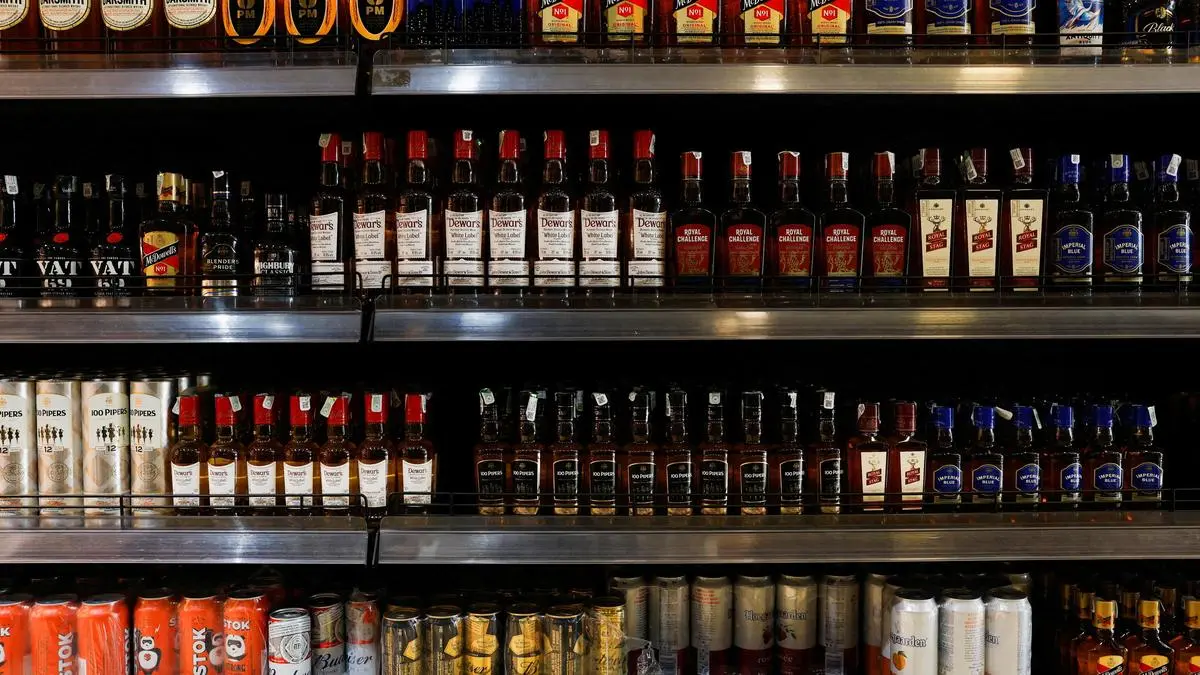
The National Treasury’s decision to consider slapping a 20% tax on beer with an alcohol content above 4% by volume has sparked widespread debate in South Africa. The interest is hardly surprising given that South Africa ranks fifth in the world for alcohol consumption.Such a tax increase could rake in billions for the fiscus, which the government badly needs to develop the economy, boost infrastructure and fund social services. It is a plausible decision to ramp up revenue growth. It is also a significant tool frequently used by many a government to discourage excessive consumption. The simple logic being to reduce consumption by making the product out of reach. But while logical, this often produces some unintended results.The harsh reality is that the country faces a substantial burden from alcohol-related harms, including family neglect and significant pressure on healthcare and emergency services.These costs are borne not only by drinkers but also by families, communities and taxpayers. Brewers must, alongside government and civil society, co-create a solution to a bigger problem that can’t be taxed away.With the acknowledgement from both sides on the harmful nature of alcohol that is prevalent in South Africa, beer manufacturers have a special responsibility to engage the government on its concerns, which must not start and end with fear-mongering over the illicit economy.Businesses must, in this regard, offer solutions that are both practical and implementable in building a healthy society at peace with itself. Though it has a number of positives, such a decision also has numerous and often destructive downsides which, we hope, the government has thoroughly considered. For it has been down that road before — with the health promotion levy on sugary beverages it enacted a few years ago.It is thus encouraging the inclusive manner in which the National Treasury has approached discussion about its proposal by hosting workshops for both industry players and civil society in the room to air their views.The industry has warned, as one would expect, that the mooted tax will accelerate the growing threat posed by illicit alcohol, which business claims will in turn undermine both public health objectives and government revenue. There are merits in this argument, which the government must seriously consider without giving in to public pressure, as the government has a higher calling in protecting the public from harmful practices. South Africa is also a nation bedevilled by many social ills, chief among them the sheer abuse of alcohol and the harsh consequences many families pay due to this conduct.Excessive alcohol consumption is one of the primary drivers of crime in South Africa, deeply linked to contact crimes such as murder, attempted murder, rape and gender-based violence. Tighter enforcement and notable progress in curbing the surge in illicit alcohol must precede any decision to enact laws that might prop up the black market.Not to forget the contribution of alcohol to the country’s high vehicle accident rates.Any policy discussion looking to curb alcohol abuse in the interest of good public health outcomes must be debated in a sober and inclusive manner. The overarching objective should be to reduce the devastating impact of alcohol abuse in society and keep at bay the illicit trade in alcohol. The two must not be seen as competing priorities, as this will muddy the waters and frame the debate as public health regulation and enforcement as polar opposites of the national debate. The two are not mutually exclusive.The government must prove it’s capable and willing to rein in the illicit economy, which, by its very admission, gobbles up R700bn of GDP annually.Tighter enforcement and notable progress in curbing the surge in illicit alcohol must precede any decision to enact laws that might prop up the black market.Lessons can be drawn from the demise of British American Tobacco’s business in South Africa, which led to the decision to cease local production following the near takeover of the market by illegal players.Other jurisdictions overseas have shown that it is possible to implement taxation and other evidence-based alcohol policies while simultaneously strengthening enforcement against illegal products.This is the sweet spot the government should seek.
EDITORIAL | South Africa must reckon with its alcohol abuse crisis
Industry and civil society weigh in as National Treasury mulls higher alcohol levies
681 words~3 min read