Story audio is generated using AI
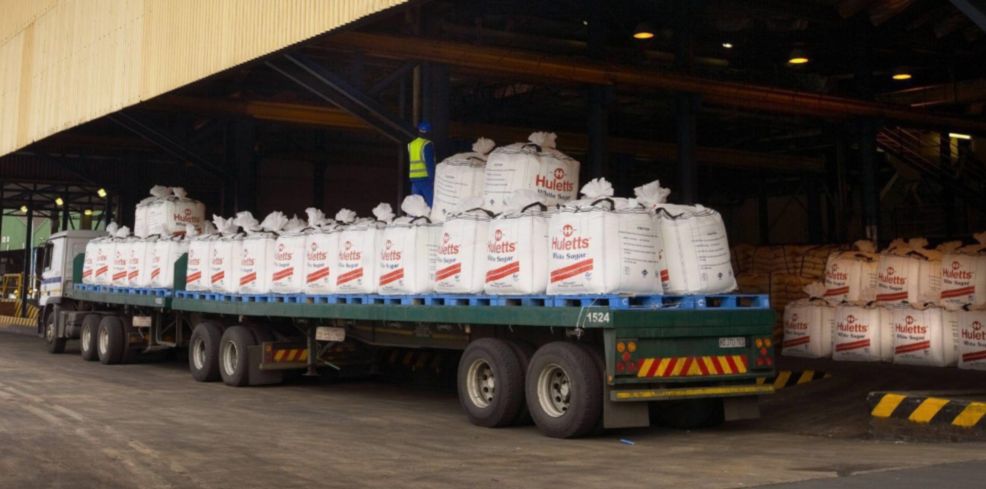
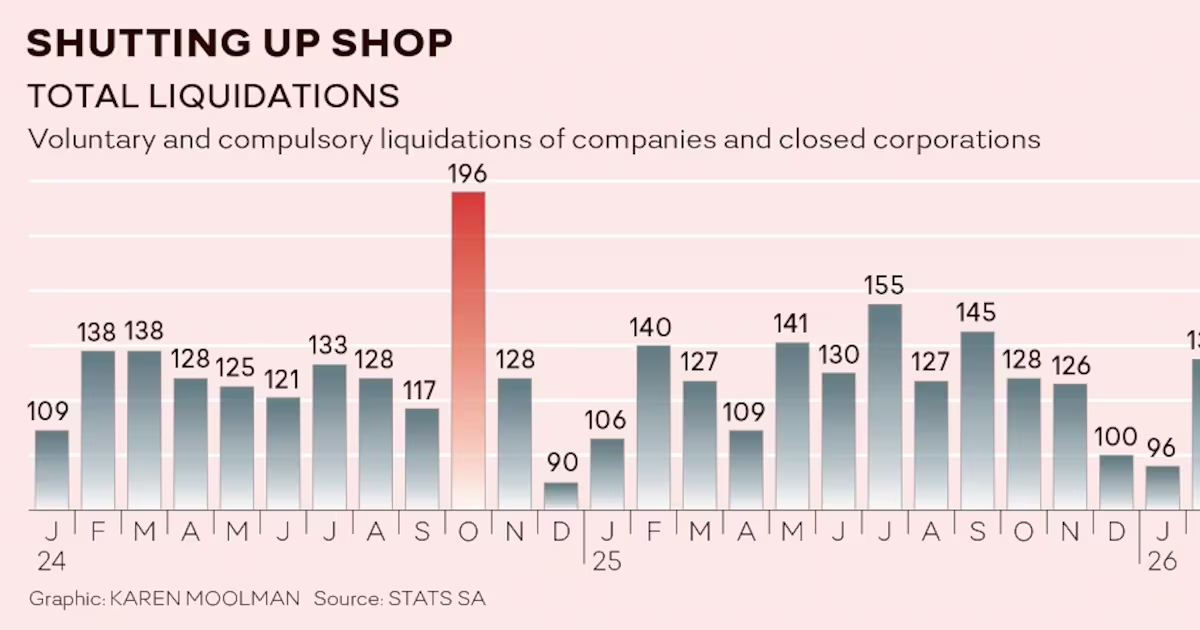
The Turnaround Management Association Southern Africa (TMA-SA) says the business community is bracing itself for a rough 2026 with more entities set to opt for business rescue to stay afloat.An analysis by the entity of the Companies and Intellectual Property Commission (CIPC) showed that business conditions were tough even before the outbreak of the war in the Middle East — with 48 companies having entered business rescue in February, the highest monthly figure on record. “Our research shows that business rescue is neither quick nor a guaranteed lifeline,” says Stefan Steyn, a director of TMA-SA.“Successful rescues take an average of 18 months to complete, while companies that ultimately fail spend more than a year in the process before ending in liquidation,” Steyn said.“That raises important questions about whether some businesses are entering rescue too late or remaining in the process without realistic prospects of recovery.”All in all, just more than 1,400 companies are currently in business rescue, with the economic hub of Gauteng accounting for about 51% of all new filings.TMA-SA chair Haroon Laher says South Africa must fundamentally shift how business rescue is perceived. “Business rescue is not for the ‘terminally ill’. It is a strategic intervention that can create significant social and economic value by preserving jobs, protecting businesses and preventing further losses to creditors and the broader economy.“Business rescue is not a solution in itself; it creates the framework and time needed for a company to find solutions. The later a company enters rescue, the harder recovery becomes. By the time lenders pull the plug, and the choice is between liquidation and rescue, practitioners are often working against overwhelming pressure.”One of the companies fighting for dear life is Tongaat Hulett, whose demise will have far-reaching consequences for the sugar industry and the farming community. The South African Post Office is also in business rescue, threatening the livelihoods of more than 3,000 people who work for it.The business rescue industry is not without its own challenges, with a growing trust deficit within the business rescue ecosystem. The process is often marred by lengthy proceedings, costly legal battles and unclear fee structures. Laher acknowledged that there was a capability deficit among practitioners. “There is already an informal reputation system in the market around which practitioners and stakeholders trust to work,” he said. “If practitioners cannot demonstrate capacity, integrity, knowledge and experience, they simply will not be appointed. That tells us that confidence in parts of the industry needs strengthening.”The Bureau for Economic Research (BER) and Rand Merchant Bank (RMB) business confidence index (BCI) fell eight points to 39 in the second quarter, with the deterioration being broad-based across sectors. But the sharpest pullback came from those most exposed to shifts in household spending, financing conditions and fuel costs.