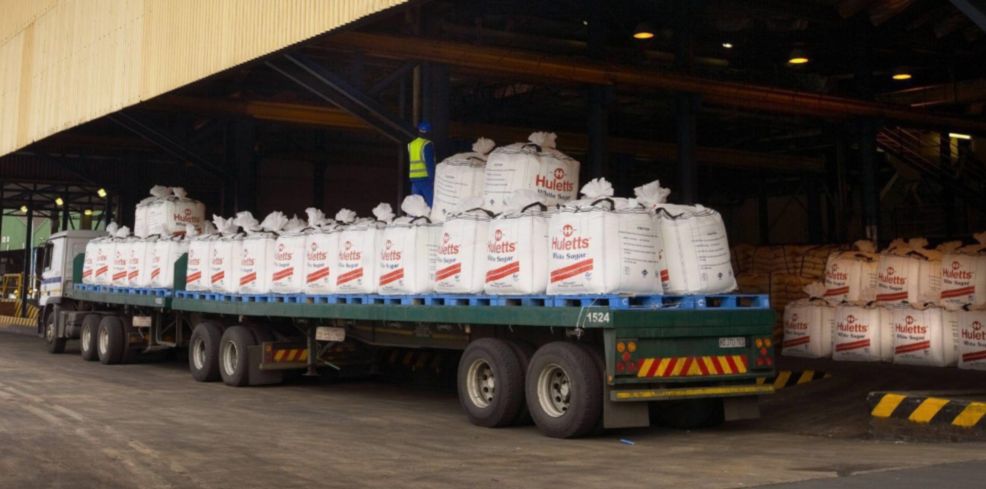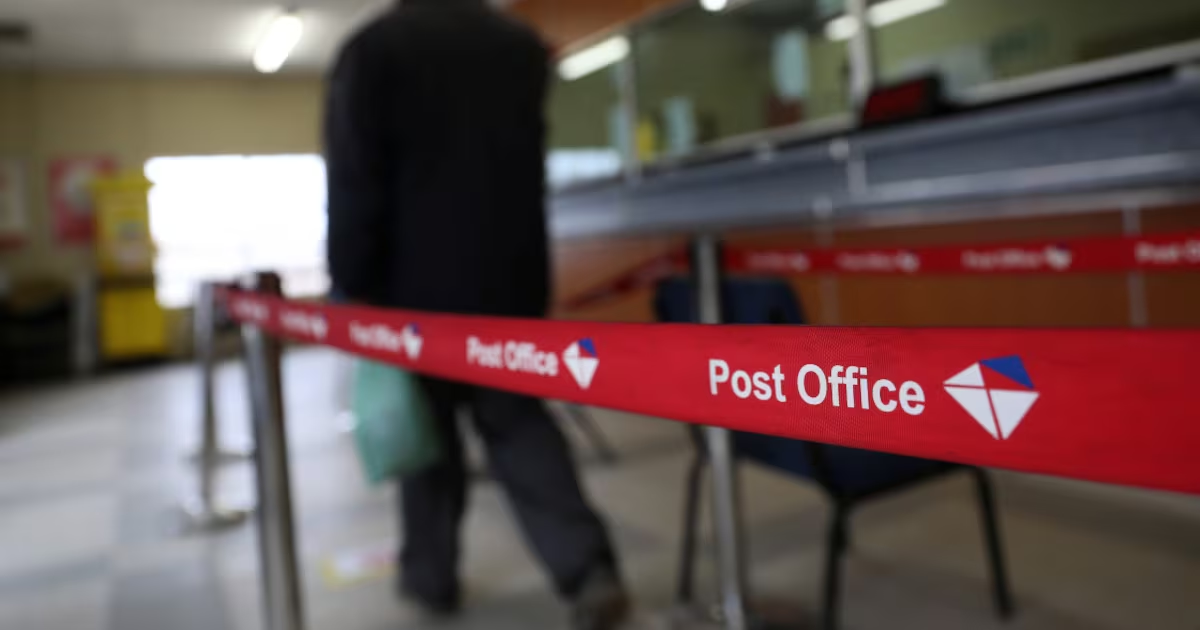
South Africa’s business rescue landscape, often seen through a sceptical lens and dismissed by creditors as little more than a procedural pause before liquidation, is gradually beginning to repair its credibility. Signs suggest that the trust deficit between practitioners, lenders and distressed companies is narrowing.According to data from the Companies & Intellectual Property Commission, business rescue success rates have risen from 55% prior to October 2023 to 66% in 2026, suggesting a slow but steady strengthening of stakeholder alignment. The data shows that smaller firms are more likely to preserve economic value through the process, with 81.7% of small companies retaining their public interest score — a metric capturing employment, turnover and liabilities — compared with 76.8% of medium-sized firms and 68.2% of large companies.The strongest industry success rates are recorded in accommodation and food services at 95.2%, followed by agriculture at 93.7% and real estate at 92.9%.Despite these gains, distress remains concentrated. There are currently 1,409 active business rescue proceedings nationwide, with Gauteng accounting for the largest share of new filings, followed by KwaZulu-Natal and the Western Cape. Together, the three provinces represent 74.2% of all cases, underscoring the concentration of corporate strain in the country’s main economic hubs.Industry players say one of the persistent weaknesses in the system is late intervention, often rooted in boards failing to recognise financial distress early enough.“Challenges that often steer businesses into business rescue include a blind spot among boards in recognising financial distress early enough,” said Don Millar, senior executive at business rescue financiers Nimble Special Opportunities, adding that the issue is particularly acute in owner-managed businesses where decision-making is closely tied to emotion and personal wealth.By the time companies enter business rescue, management is often already swimming against the wave, trying to force through a restructuring when the distress has become too deep.— Haroon Laher, Turnaround Management Association Haroon Laher, chair of the Turnaround Management Association Southern Africa, told Business Times: “By the time companies enter business rescue, management is often already swimming against the wave, trying to force through a restructuring when the distress has become too deep. In many cases, lenders have already lost confidence, leaving businesses with few options beyond liquidation.” The case of Tongaat Hulett — one of the most closely watched and among the oldest companies to enter business rescue — has become a reference point in South Africa’s corporate-distress landscape. Tongaat had effectively been operating in a “perpetual borrowing state”, said CFO Rob Aitken, as he mapped out the early warning signs preceding the sugar group’s entry into business rescue — the company was borrowing to refinance other debt and funds were also moved across different companies and jurisdictions within the group to service obligations elsewhere.“I think the saying in the business at the time was that it was going to be a big season, so we needed to borrow more money to get through it. And when it was expected to be a bad season, the response was still that more borrowing was needed to get through it. It became a cycle of continuous borrowing, with nothing being repaid. A lot of cash was also effectively trapped in Zimbabwe specifically,” said Aitken.He added that company culture had also played a role. Narratives within the business appeared highly rehearsed, with management closely aligned around a carefully crafted message.Cebekhulu Civils holds the record for the quickest entry into business rescue, which it did in the same year it was registered. Filings peaked in about 2015 before easing in the following years. In 2020, during the Covid pandemic, 316 companies entered business rescue. Trubok Holdings has spent the longest time in rescue at about 20 years.The acting CEO of the South African Post Office, Fathima Gany, said business rescue in the SOE sector is constrained by a structural tension between the Companies Act’s requirement for fast, decisive turnaround action and the Public Finance Management Act’s strict compliance, procurement and accountability framework.“In many cases, distress in SOEs is only addressed once it has already deepened,” she said, adding that this is compounded by delayed decision-making, political considerations and governance challenges, with shareholder oversight often becoming accustomed to institutional decline. Laher noted that while chapter 6 of the Companies Act is in place and operational, there is an urgent need to refine how it is applied and to introduce additional restructuring tools that can be deployed more flexibly.He said the current framework often functions as a one-size-fits-all mechanism, where even small enterprises are required to incur significant professional and legal costs to undergo business rescue. “We were one of the few countries that did not introduce specific legislative provisions to deal with Covid,” he said. In jurisdictions such as the UK, directors were shielded from personal liability for trading while insolvent during the pandemic, while others, including the UAE, moved quickly to amend their legal frameworks.Laher said that although South Africa provided financial support during the pandemic, it did not significantly adapt its insolvency or corporate legislation, despite the economic fallout. “Businesses are struggling, hotels are shutting down — and other jurisdictions will continue to adjust their laws to deal with those consequences,” he said. Business Times
Business rescue tries on a hero image
There are currently 1,412 active business rescue proceedings nationwide
858 words~4 min read