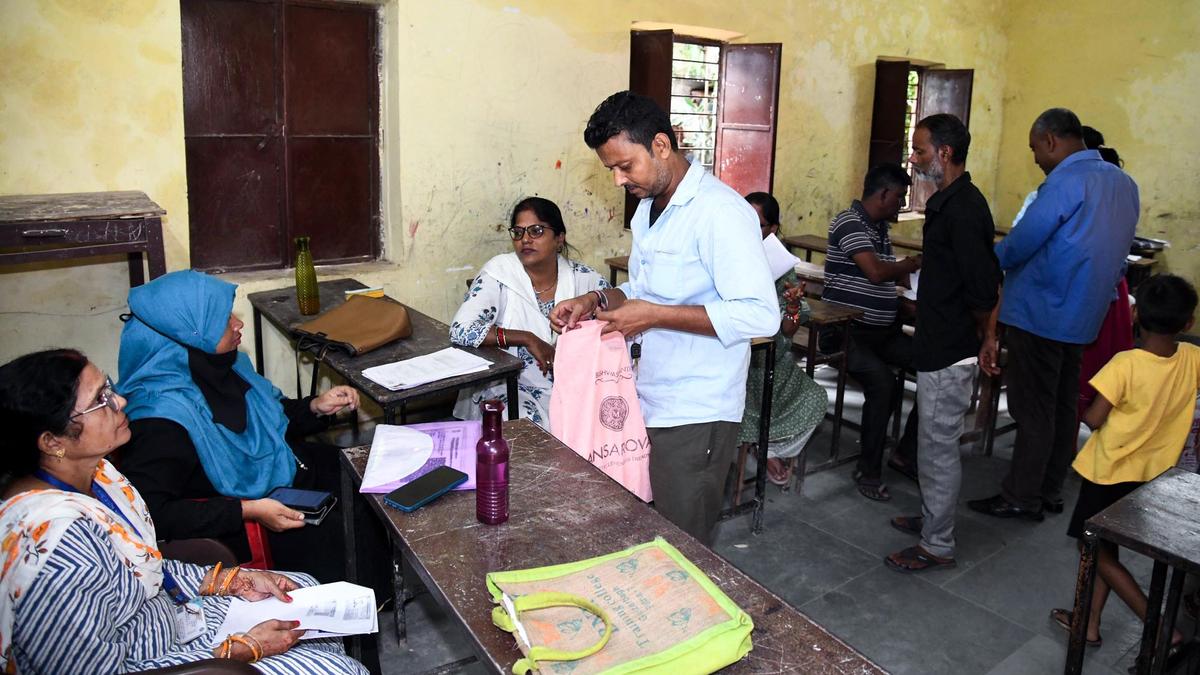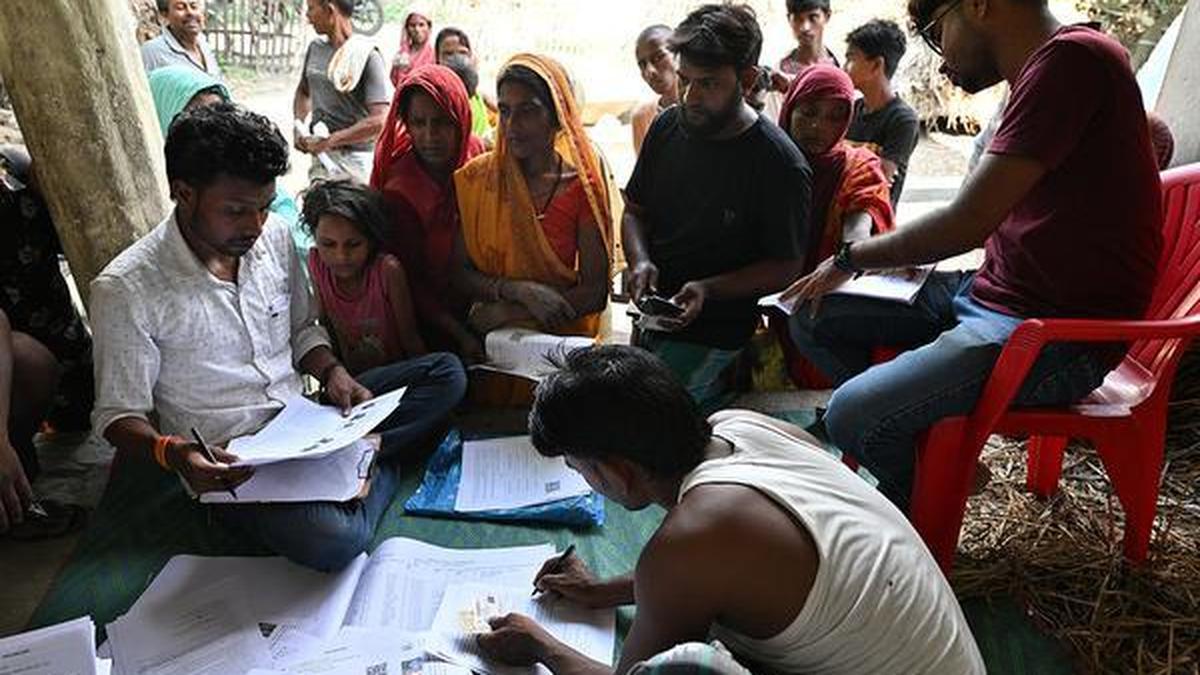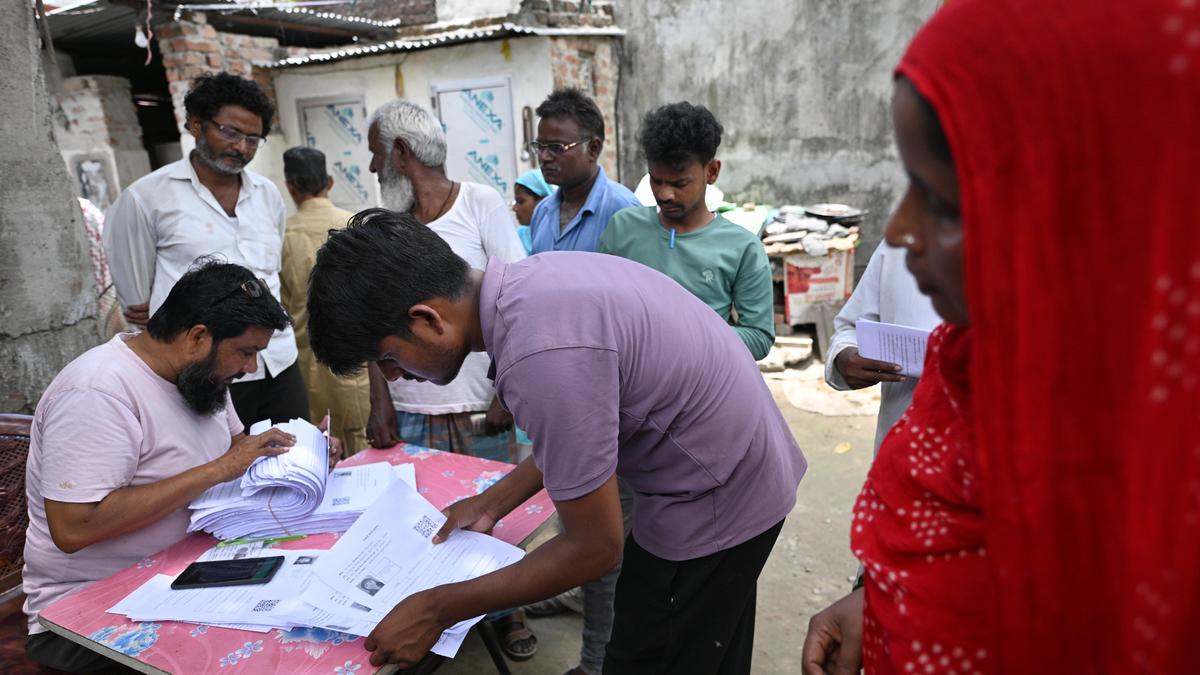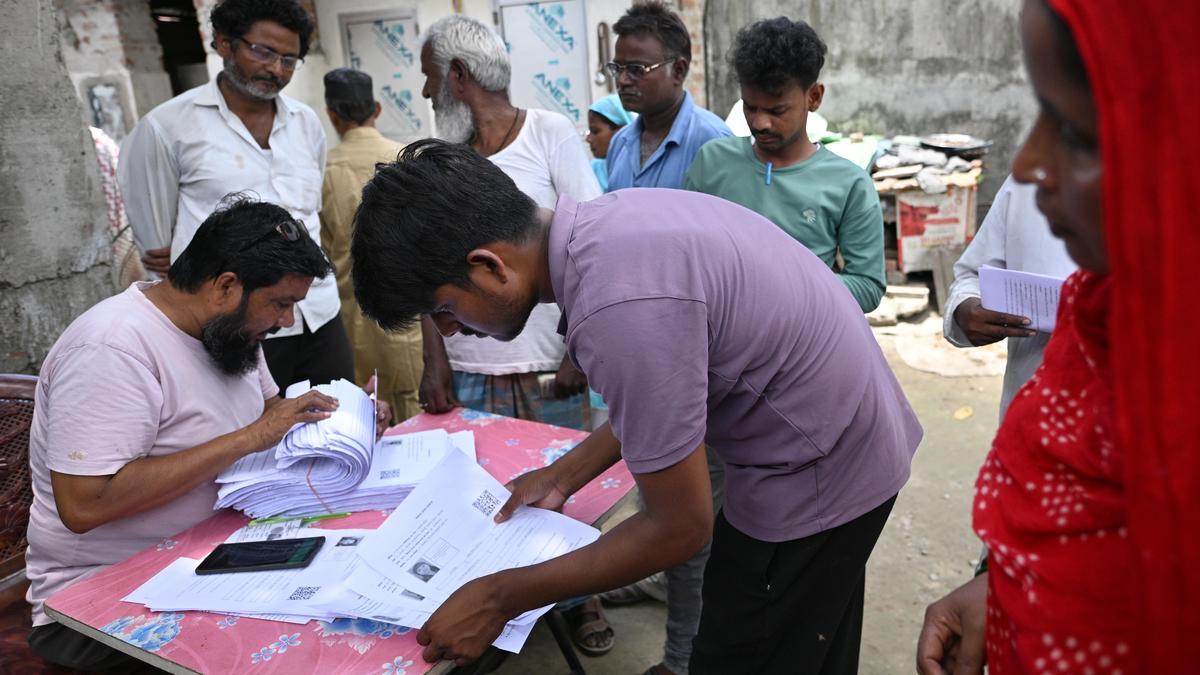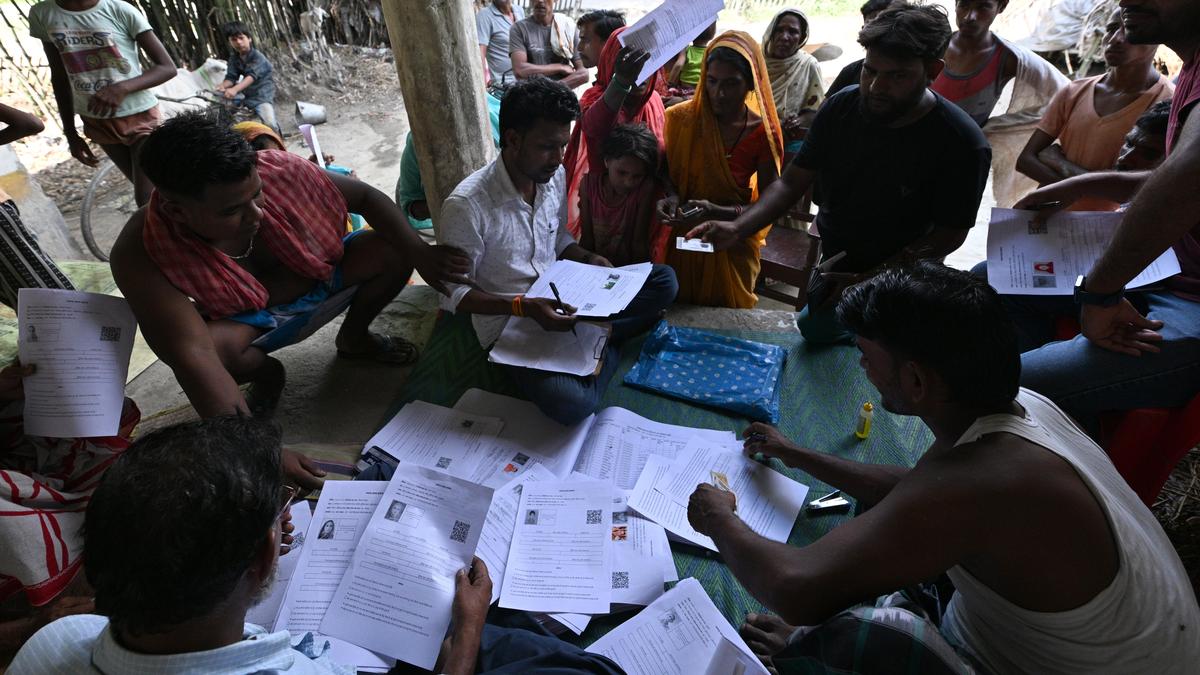
Checking during the SIR in Purnia district in Bihar, in 2025
| Photo Credit: The Hindu
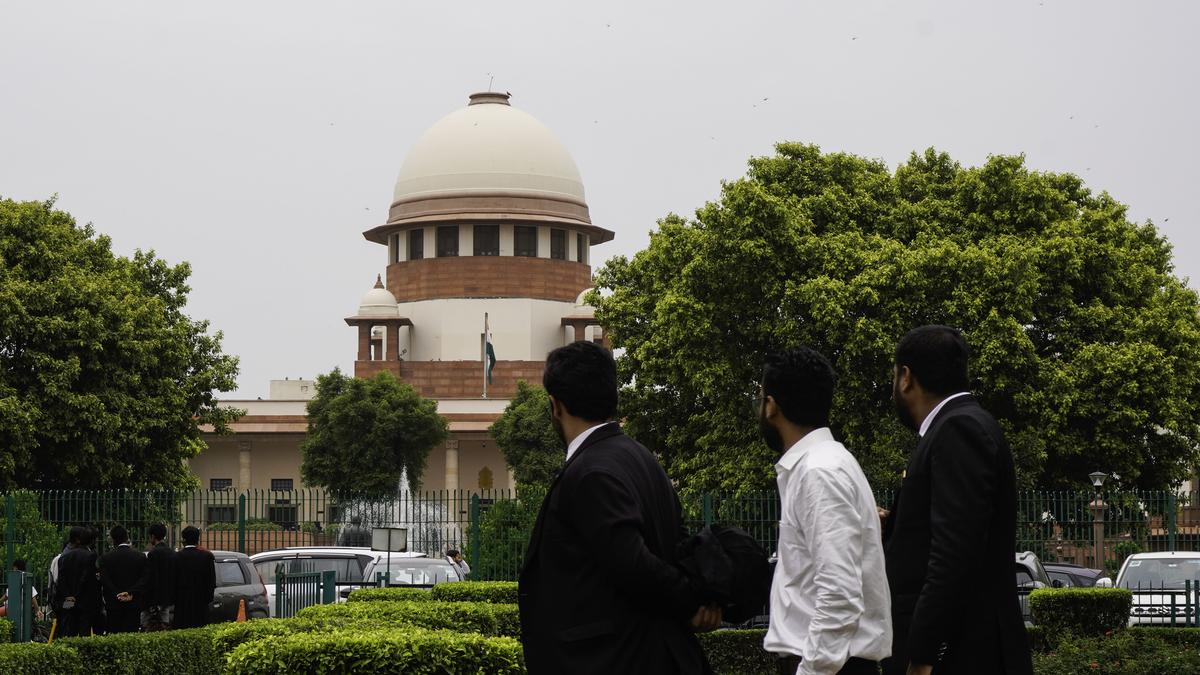
The judgment of the Supreme Court of India, delivered on May 27, 2026, on the Special Intensive Revision (SIR) of electoral rolls, has thrown up many disturbing questions about the powers, the role and the conduct of the Election Commission of India (ECI) in the context of the exercise of its powers in the preparation and revision of electoral rolls.Although this case is related to the operationalisation of the SIR in Bihar, the issues dealt with by the Court and its findings have far-reaching implications for the right of Indian citizens to be included in electoral rolls. In its 124-page judgment, the Court dealt with all the important points raised by the petitioners against the SIR but refused to concede even a single one of them. On the other hand, the Court accepted all the arguments made by the ECI and further elucidated them.Revisiting electoral roll revisionWhen the SIR was begun in Bihar just a few months before the Assembly election in Bihar, in 2025, serious reservations were expressed about the advisability of undertaking such a comprehensive and intensive revision of the electoral rolls in such haste. Apart from the inexplicably compressed timeline for completing the intensive revision of the electoral rolls, serious questions were raised about the statutory backing for such an exercise. There have been a number of articles in this daily highlighting the ECI’s deviations from statutory provisions in the implementation of the SIR. So, in light of the Court’s judgment upholding the ECI’s actions and methods, it is useful to revisit the statutory and constitutional provisions governing electoral roll preparation and revision and assess the judgment accordingly.