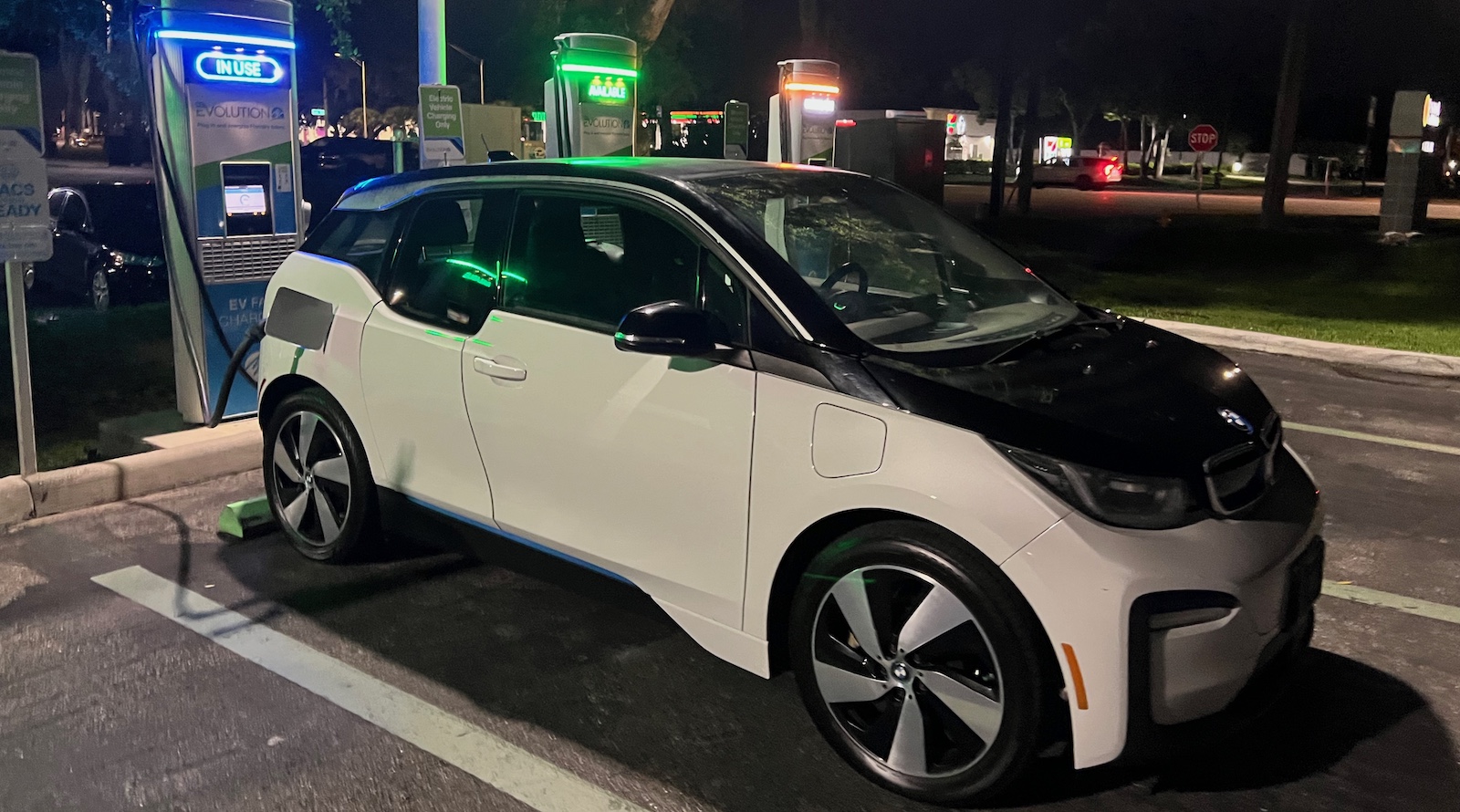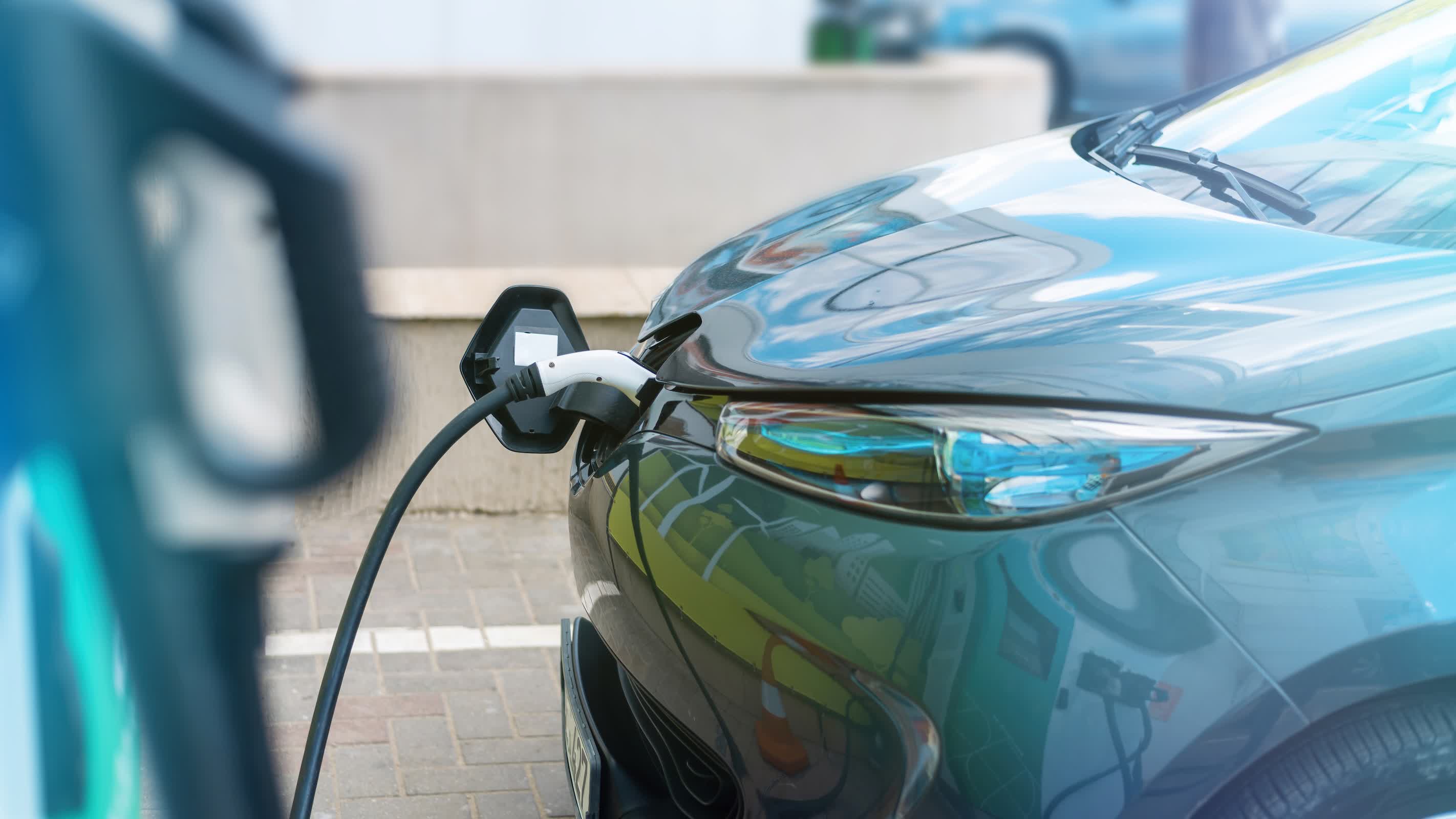
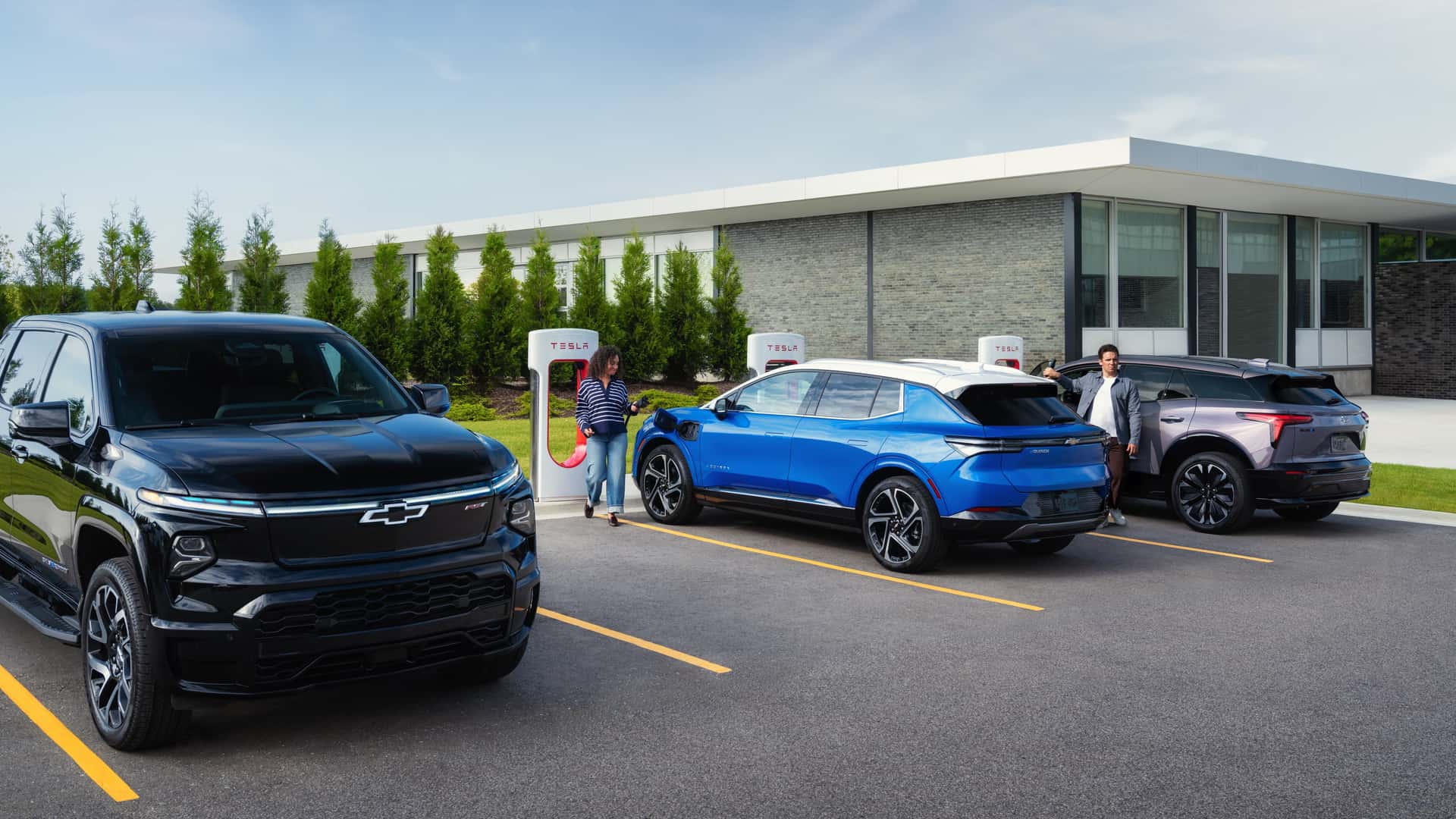
SOUNDING OFF: As more people switch to electric vehicles, they increasingly rely on apps to find nearby chargers. Those apps often direct drivers to charging stations at car dealerships, listing them alongside dedicated public charging sites. On paper, it appears to be a growing, accessible network. In practice, however, the experience can be very different.
Drivers are finding chargers blocked by gates, restricted to business hours, or priced far beyond what they expected. For someone new to EVs, that kind of experience can turn what should be a simple charging stop into a frustrating introduction to the technology.
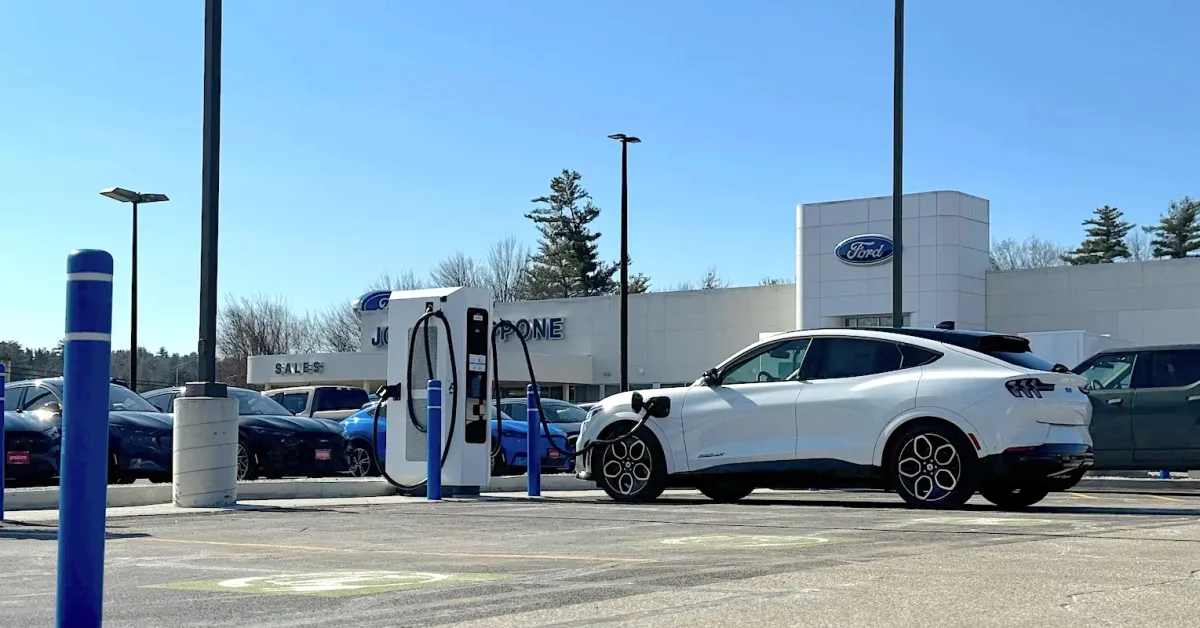
Steve Birkett of Plug & Play EV ran into exactly that problem at a Hyundai dealership in Union, New Jersey. In a LinkedIn post, he said the dealer was charging $15 per kWh to top off his IONIQ 5 – far more than most drivers would expect to pay.
But the price wasn't the only issue. Birkett described a broader pattern with dealership chargers, where access is often dictated by the dealer's priorities rather than the public's. Stations may be technically available but are, in practice, reserved for service vehicles or dealership inventory. Others are listed as public yet sit behind locked gates after hours or feature signage that makes it clear outside drivers aren't exactly welcome.
 energyathaas.wordpress.com