S
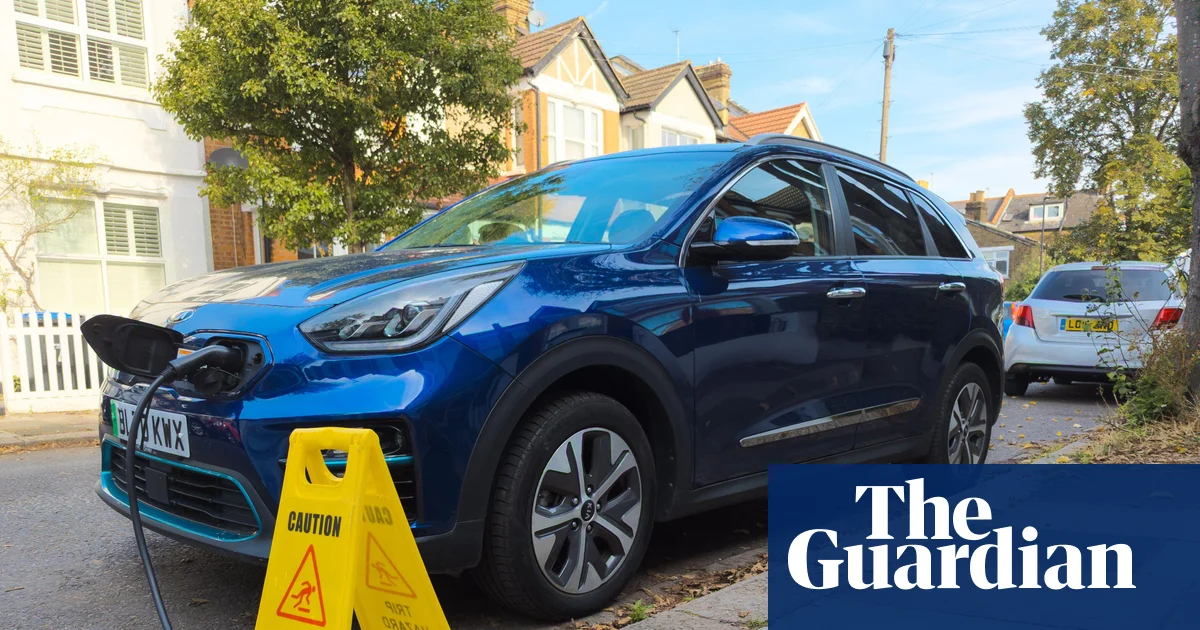
ome £25 million of taxpayer money is available to help those without driveways charge an electric vehicle from their home, but some local authorities are blocking funding requests on health and safety grounds over concerns that hidden charging cables are a trip hazard.
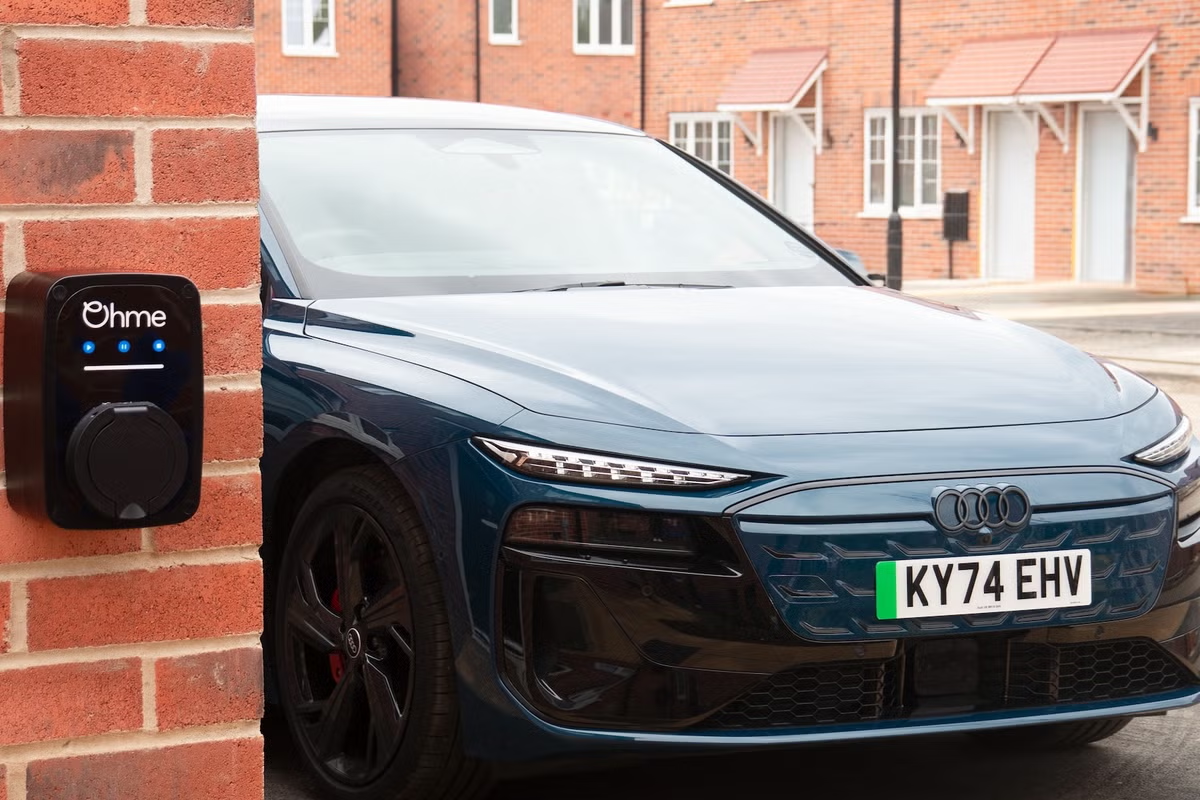
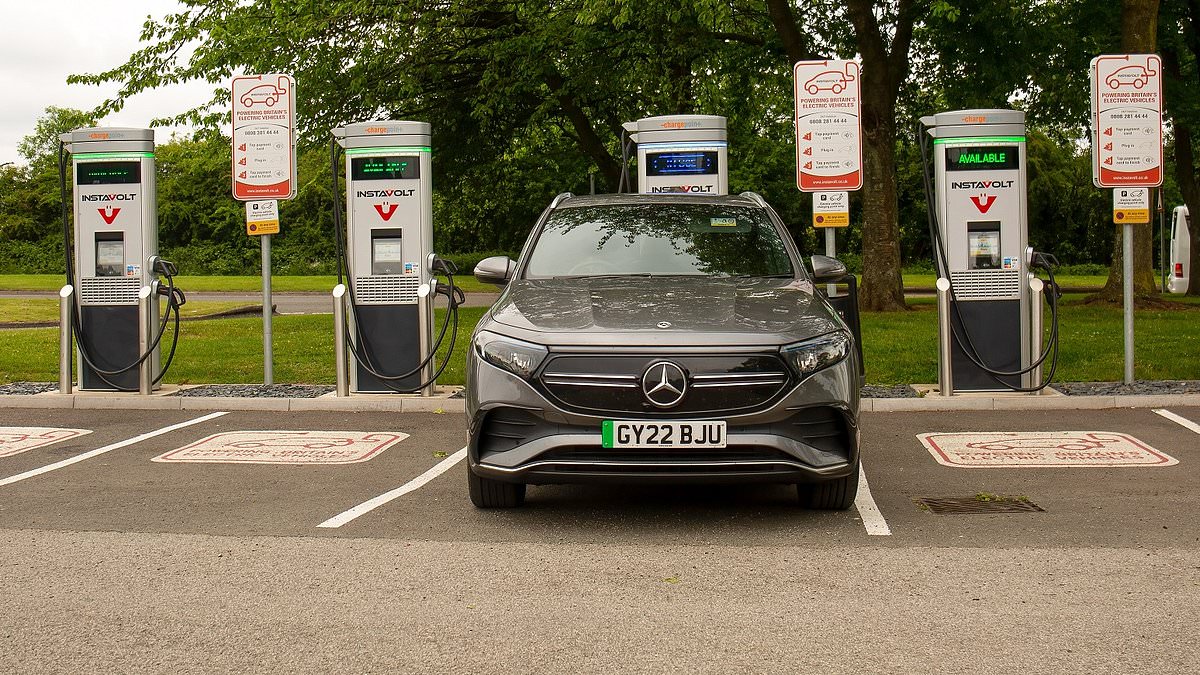
Being able to charge a vehicle at home can be make or break for drivers wanting to go electric. Home charging can cost as little as 6p per kilowatt-hour (kWh) — almost nine times less than public chargers, which cost about 52p/kWh on average.
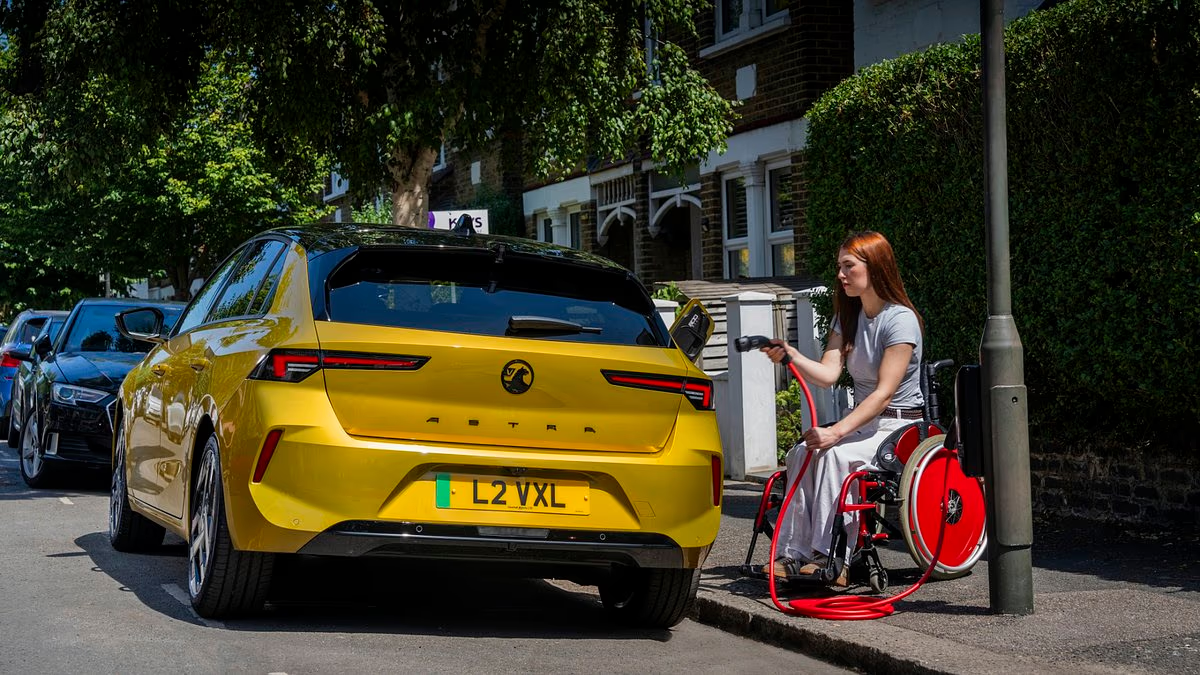
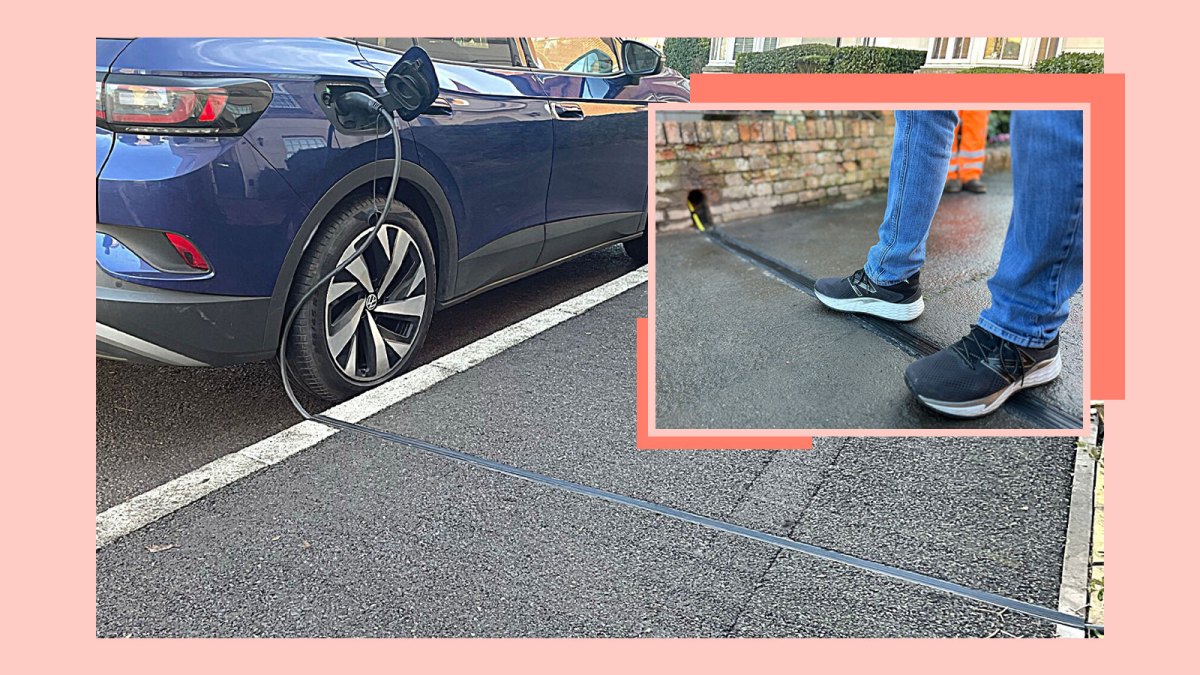
Charging at home is easy if you have a driveway or garage. Those without would have to run a cable from their property to the street, which can obstruct the pavement — an offence under the Highways Act. A number of companies argue a better option is to dig shallow channels into the pavement to run the cable through, which is topped off with a flat lid that sits flush to the ground and typically costs about £1,000.
Residents first need planning permission and a street works licence from their local council, and sometimes have to pay an ongoing annual maintenance or licence fee to the council or company. Advocates argue that gullies are safer than loose hanging cables, which can obstruct the pavement.