Megawatt fast EV charging reflects a coordinated grid strategy the UK once used. Privatisation and fragmentation now make that infrastructure far harder to build
T
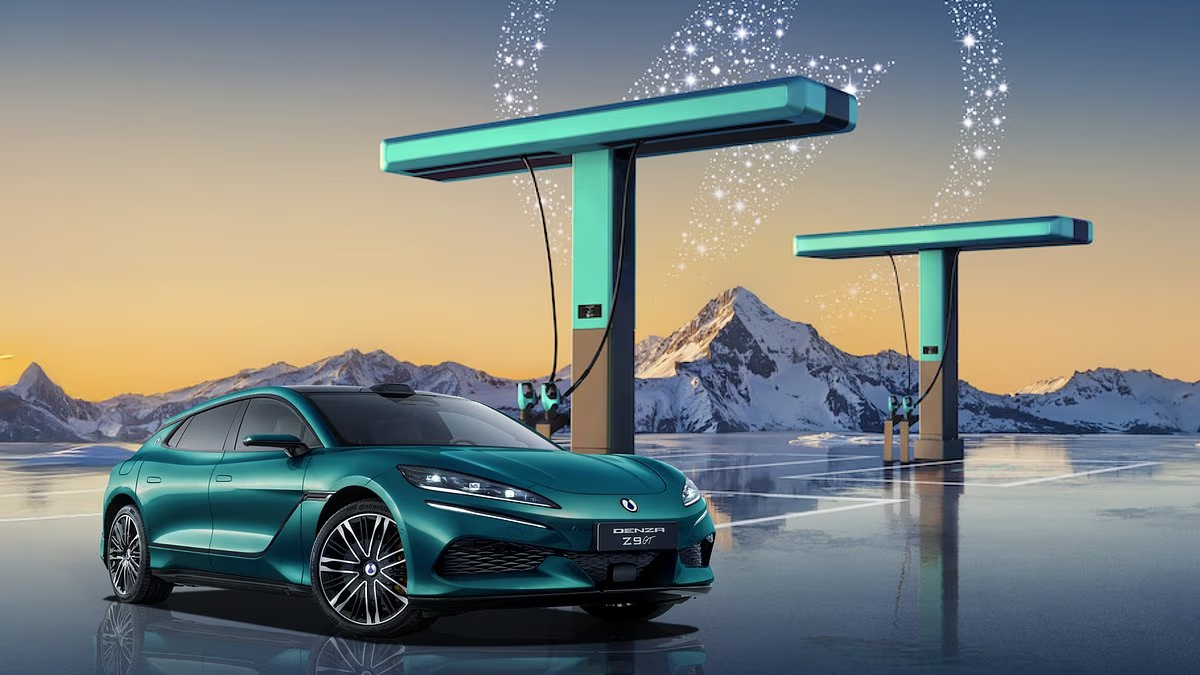
he future of electric cars arrived this week in China. The world’s biggest car seller, BYD, unveiled a new battery giving its latest electric models more than 600 miles of range. Remarkably, the Chinese motor-maker said 250 miles of range could be injected into its new batteries in just five minutes. If true, the last remaining advantages of petrol cars – long range and quick refuelling – are beginning to disappear.
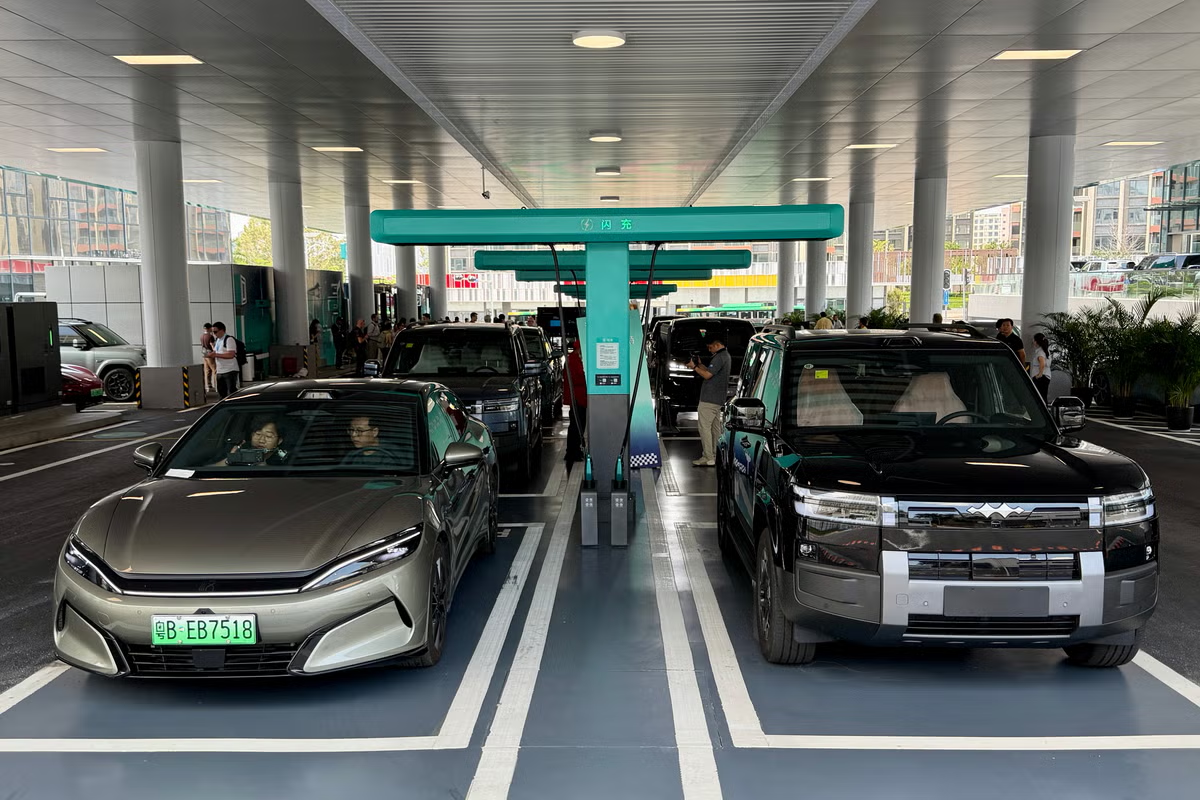
But such technology requires megawatt charging points. A single charger can draw as much power as a small town in Britain. BYD’s system relies on chargers delivering around 1.5 megawatts of electricity – more than four times the fastest chargers in the UK. China is moving fast, planning thousands of megawatt charging stations within two years.
Britain, by contrast, would struggle to support such a network today. Without upgrades to substations and local networks, the system could not handle the power spikes created by ultra-fast EV charging. This country’s electricity responsibilities are split across many bodies and firms. Improvements are slow and difficult, especially compared with China’s state-directed grid investment. The Chinese model resembles in some ways Britain’s postwar electricity system.