Pride 2026
On his 100th birthday, we should celebrate his prophetic work, revolutionary spirit, and deep love of music
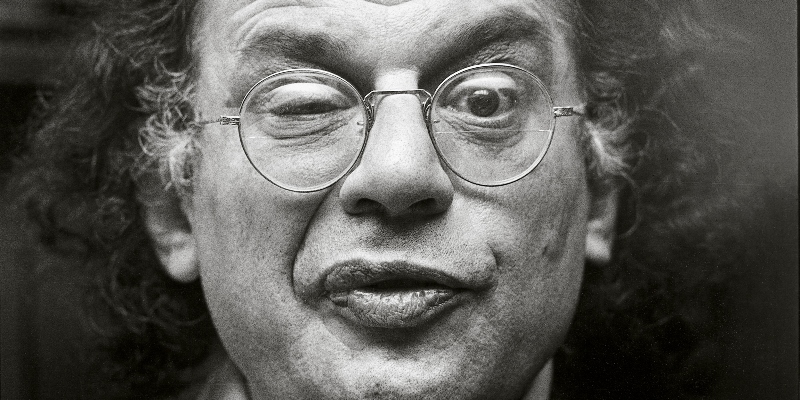
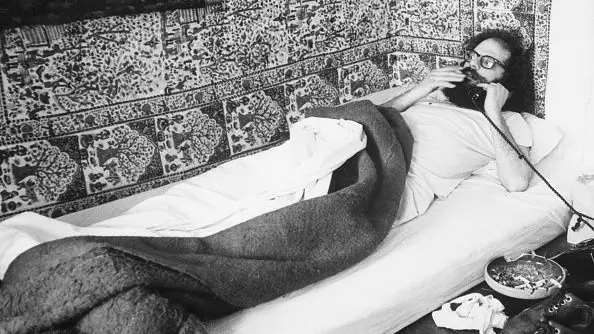
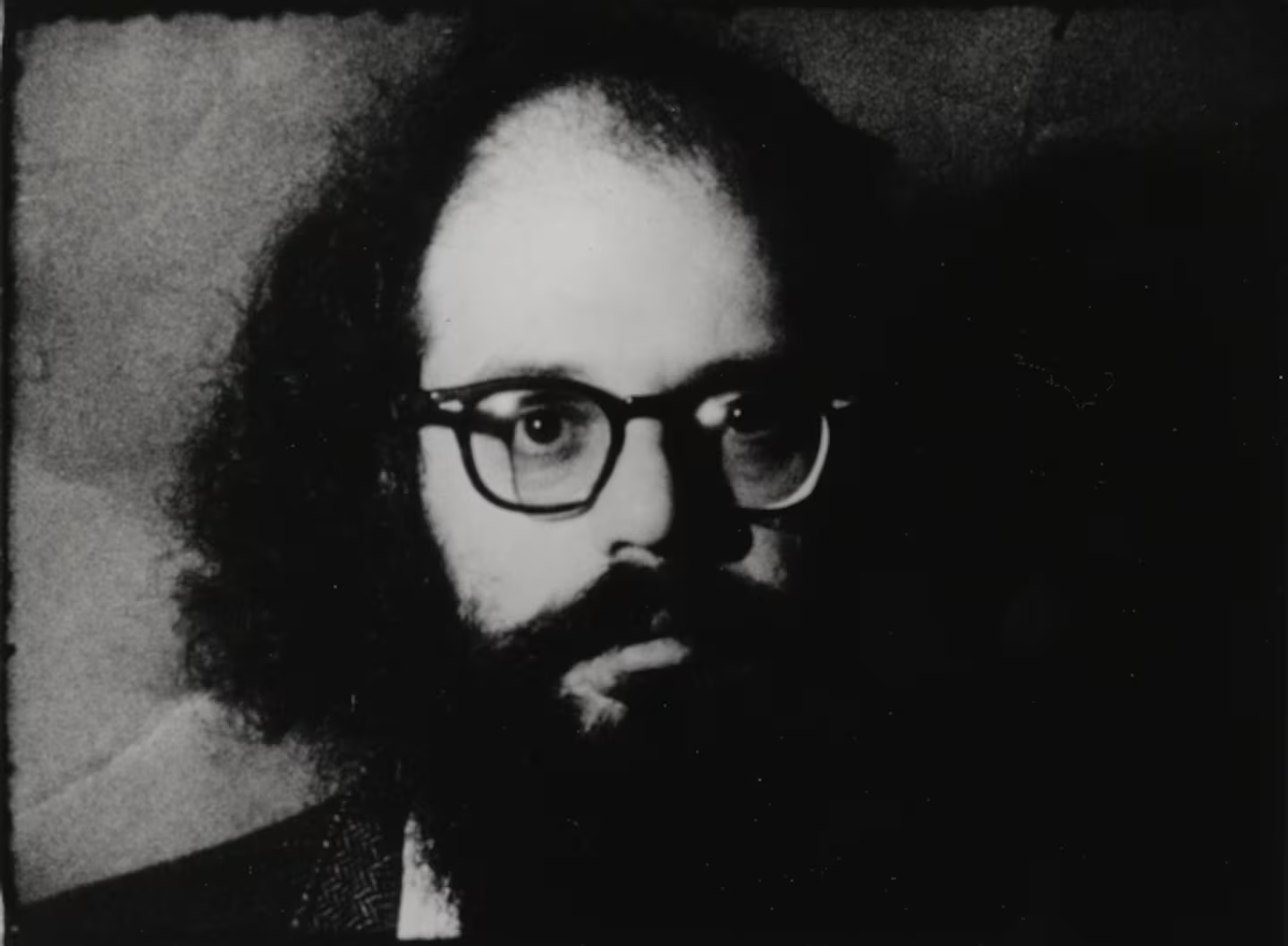
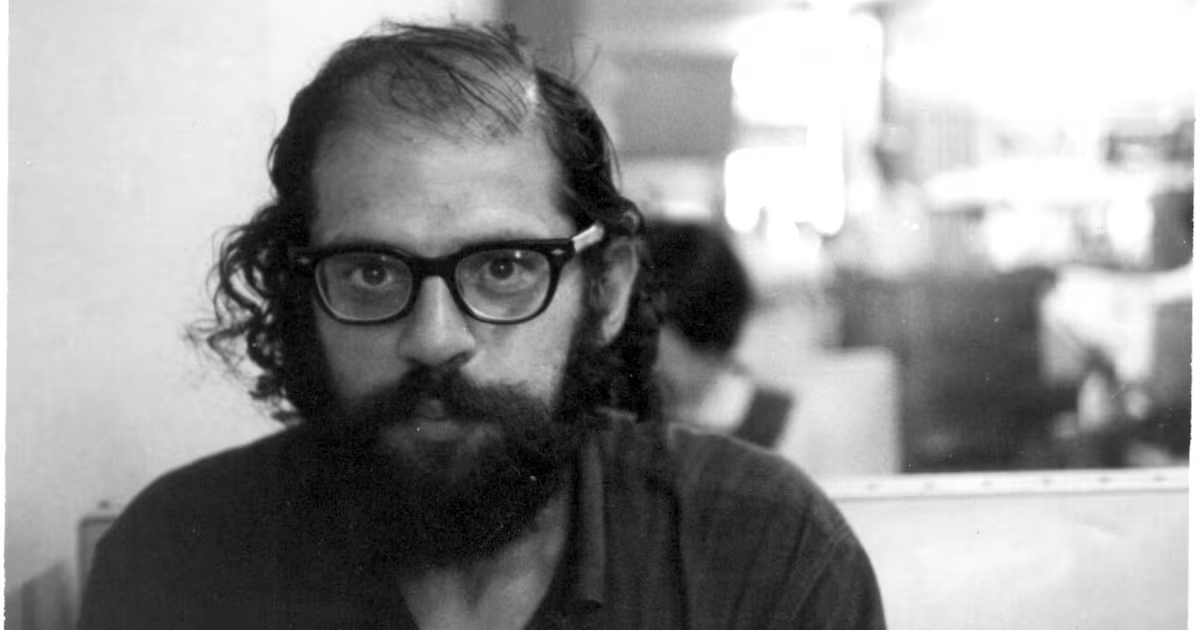
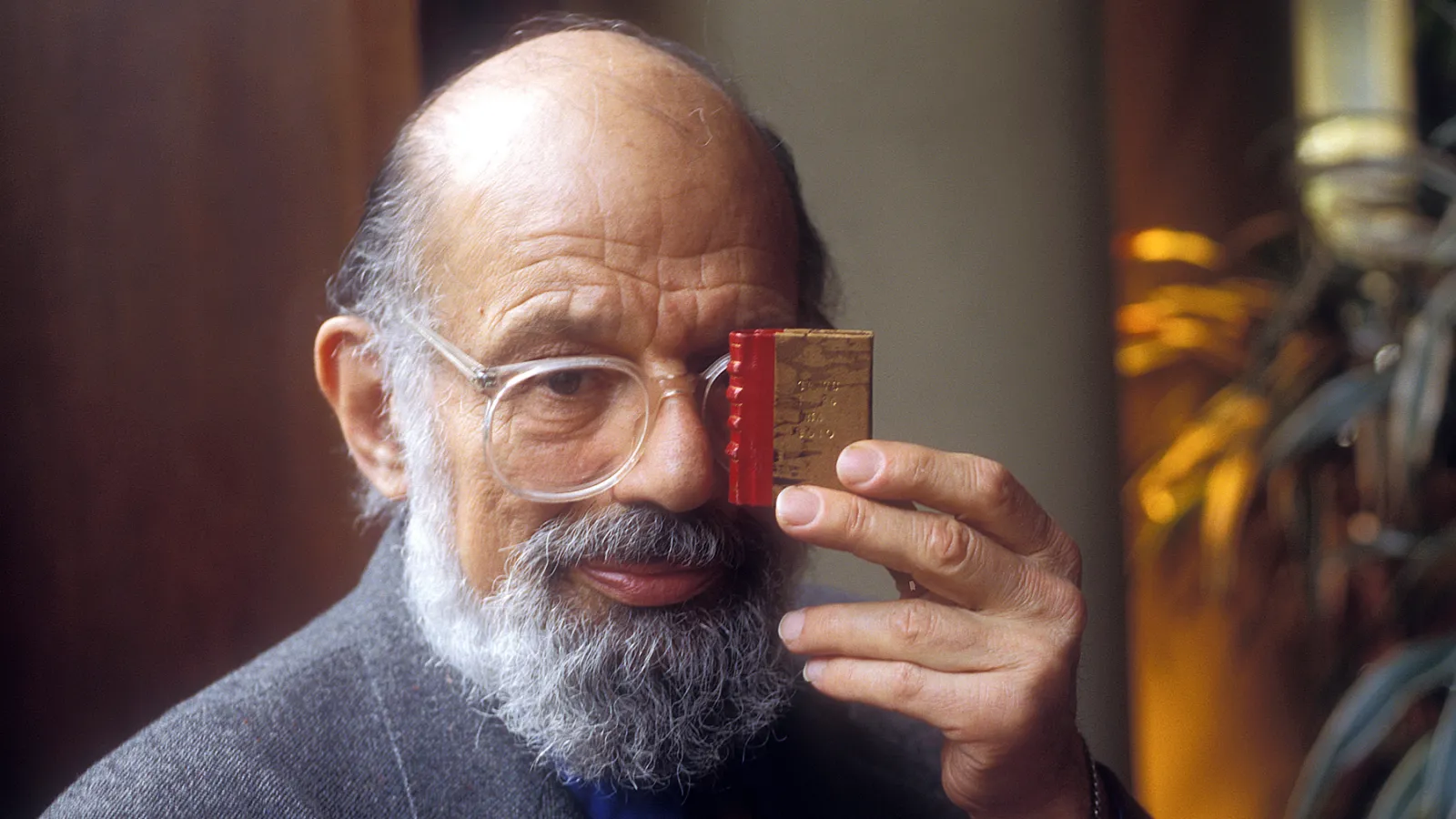
This week is the centenary of Allen Ginsberg, the gay, Jewish, Buddhist, Socialist writer who for decades was America’s most public poet. He used his presence as both an outsider and a celebrity to challenge wars, capitalism, censorship, and the codified marginalization of the underserved in this country. He altered the literary canon by presenting his “new vision,” the Beat Movement, as the artistic manifestation of a discontent post-war culture for whom the American Dream did not exist. He was always a step ahead of the times, cutting across artistic disciplines, trampling taboos, and waging battles that foresaw America’s evolution as a fractured culture built on a shaky puritanical foundation. He is the sterling example of the role poets play as our first responders in the arts.
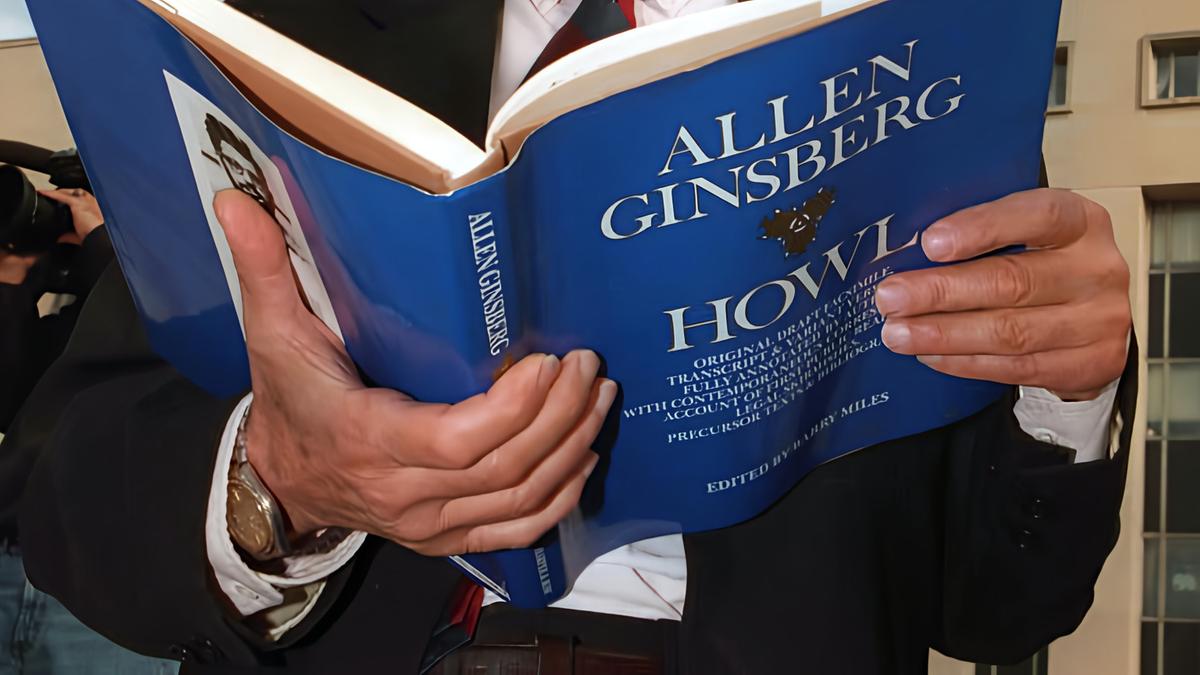
When his first book, Howl and Other Poems, was put out by San Francisco’s City Lights Publishers in 1956, its founder, poet Lawrence Ferlinghetti, was arrested on charges of disseminating obscene literature. The groundbreaking title poem depicted an unseen America — queers, BIPOC, communists, the differently abled, immigrants, artists, and followers of Eastern religions. We saw them going “on the road” to Mexico and Morocco; altering their consciousness with meditation and plant medicines, “contemplating jazz” and finding themselves “destroyed by madness, starving hysterical naked.”