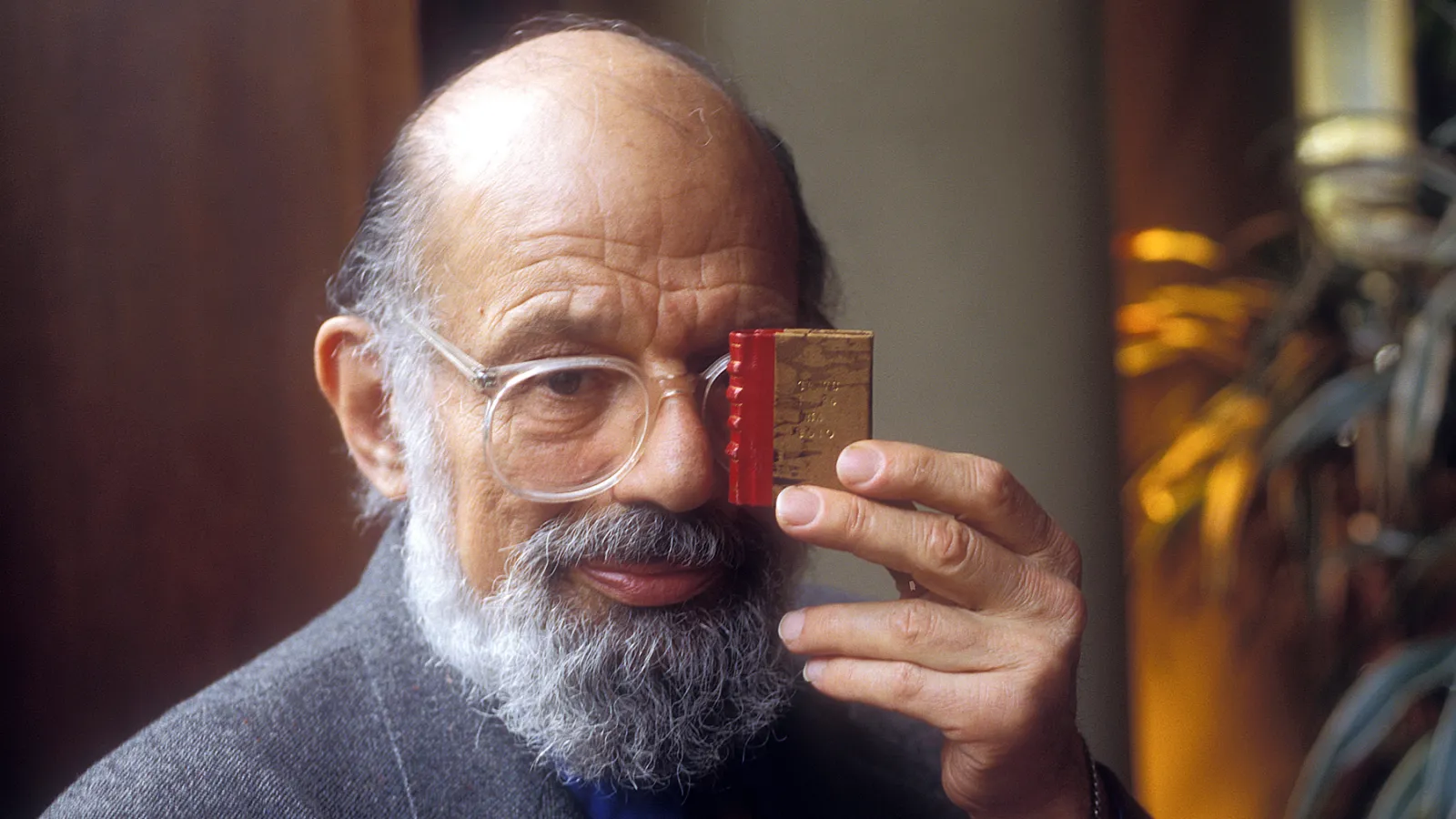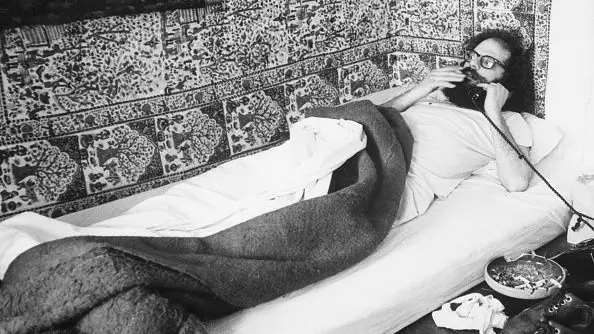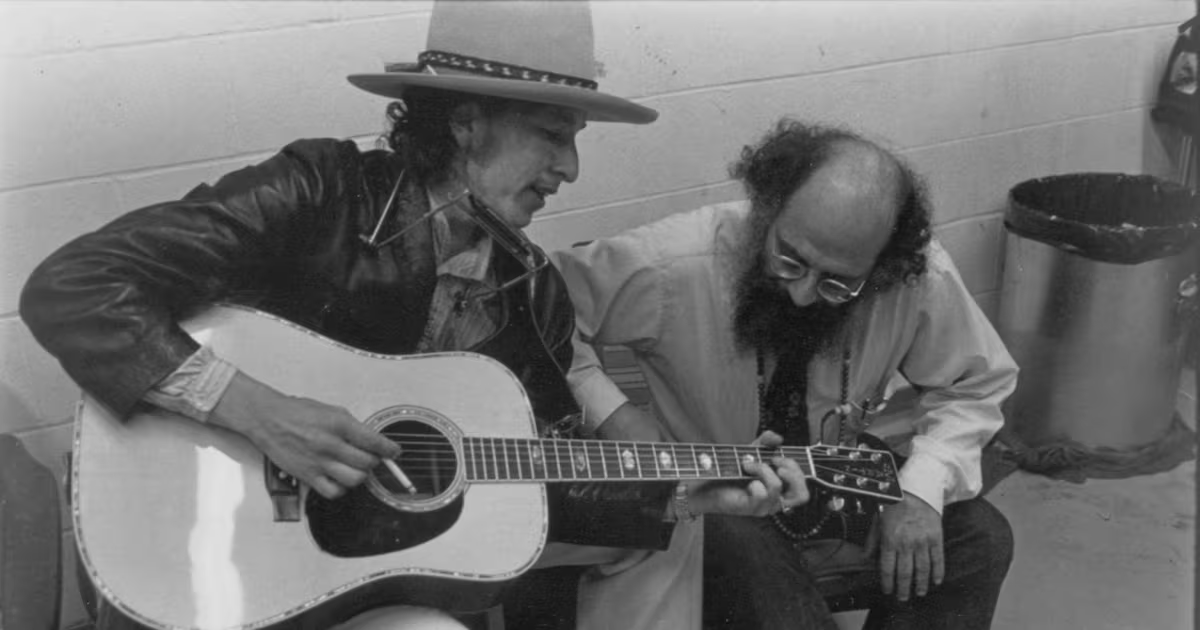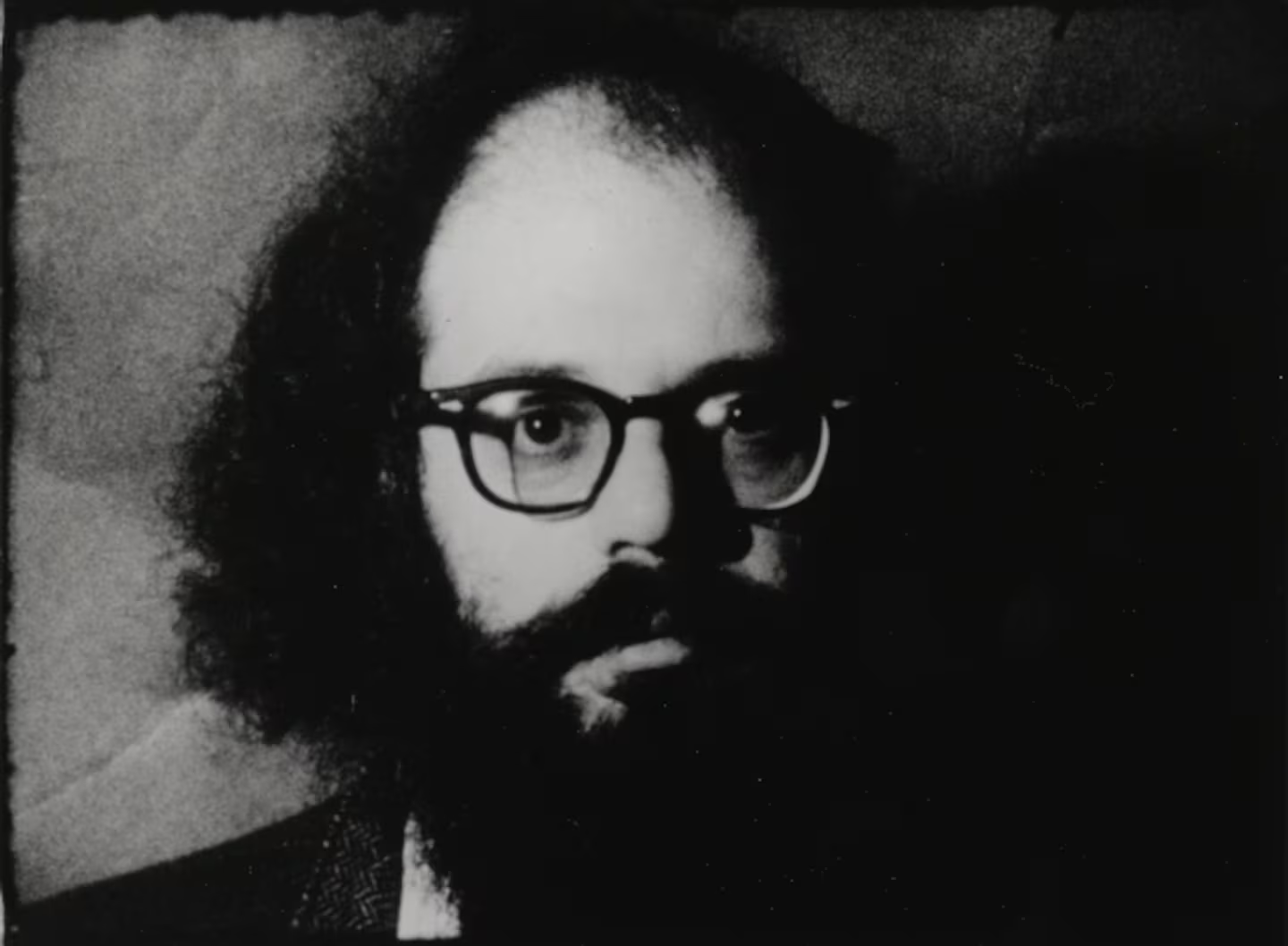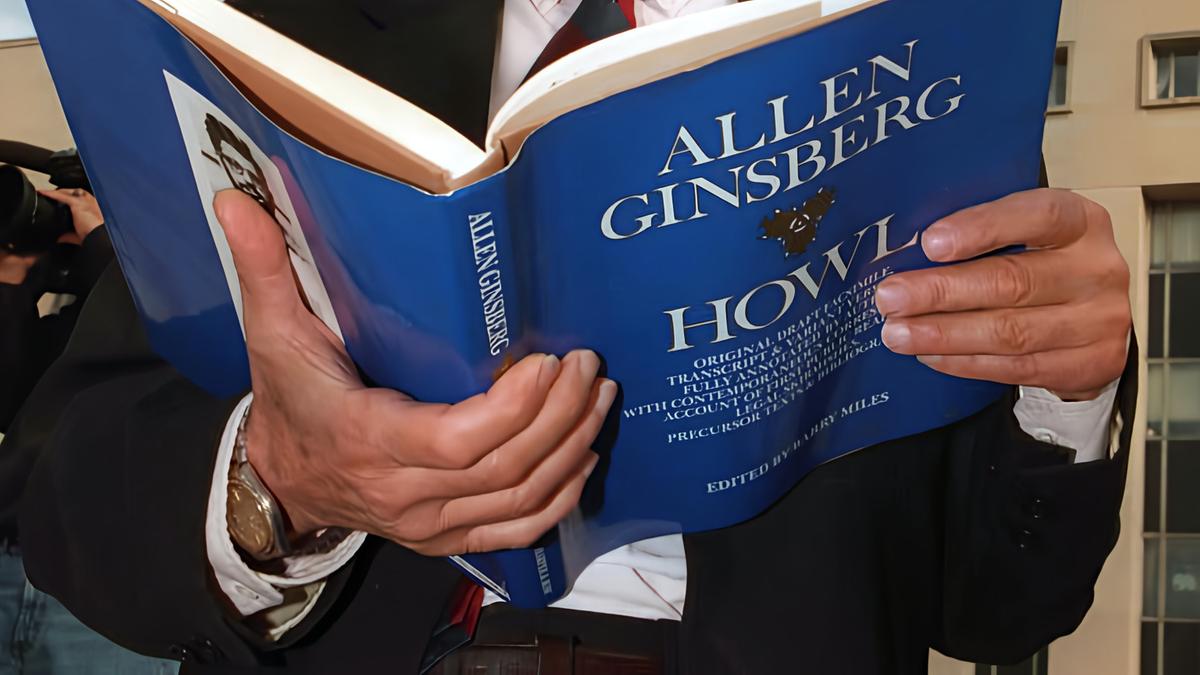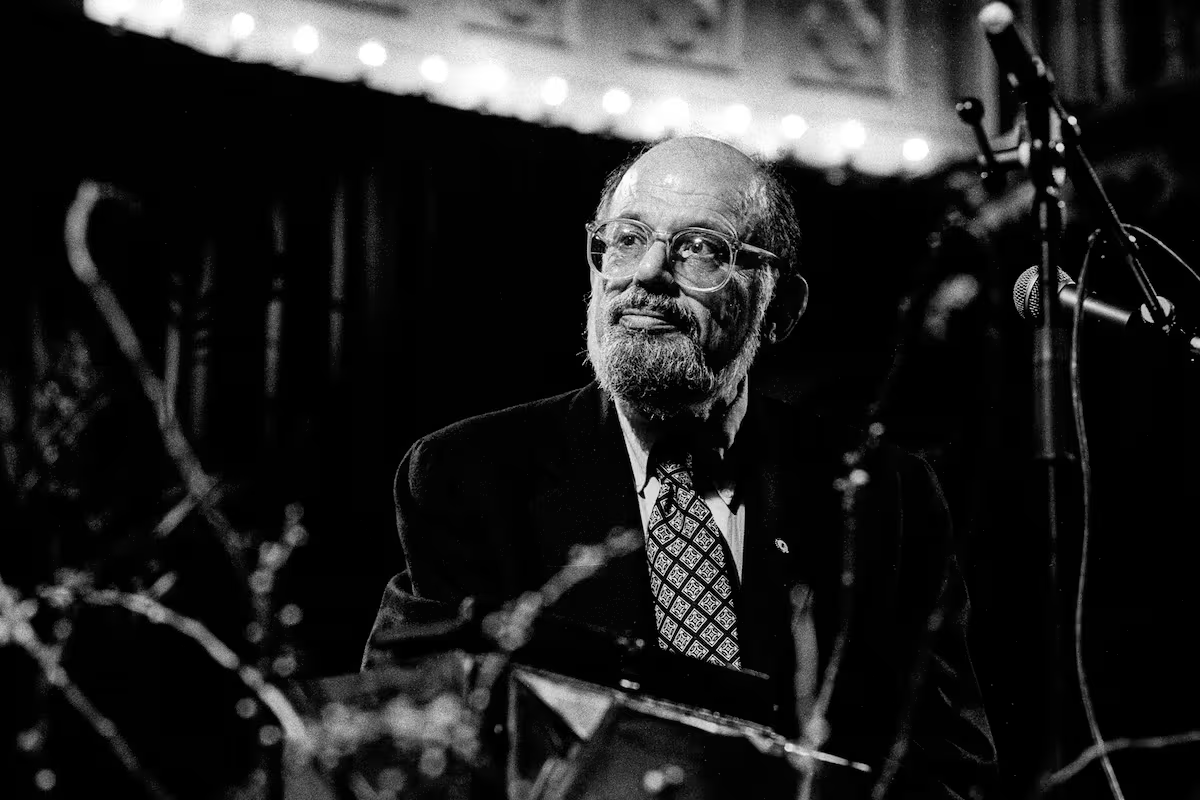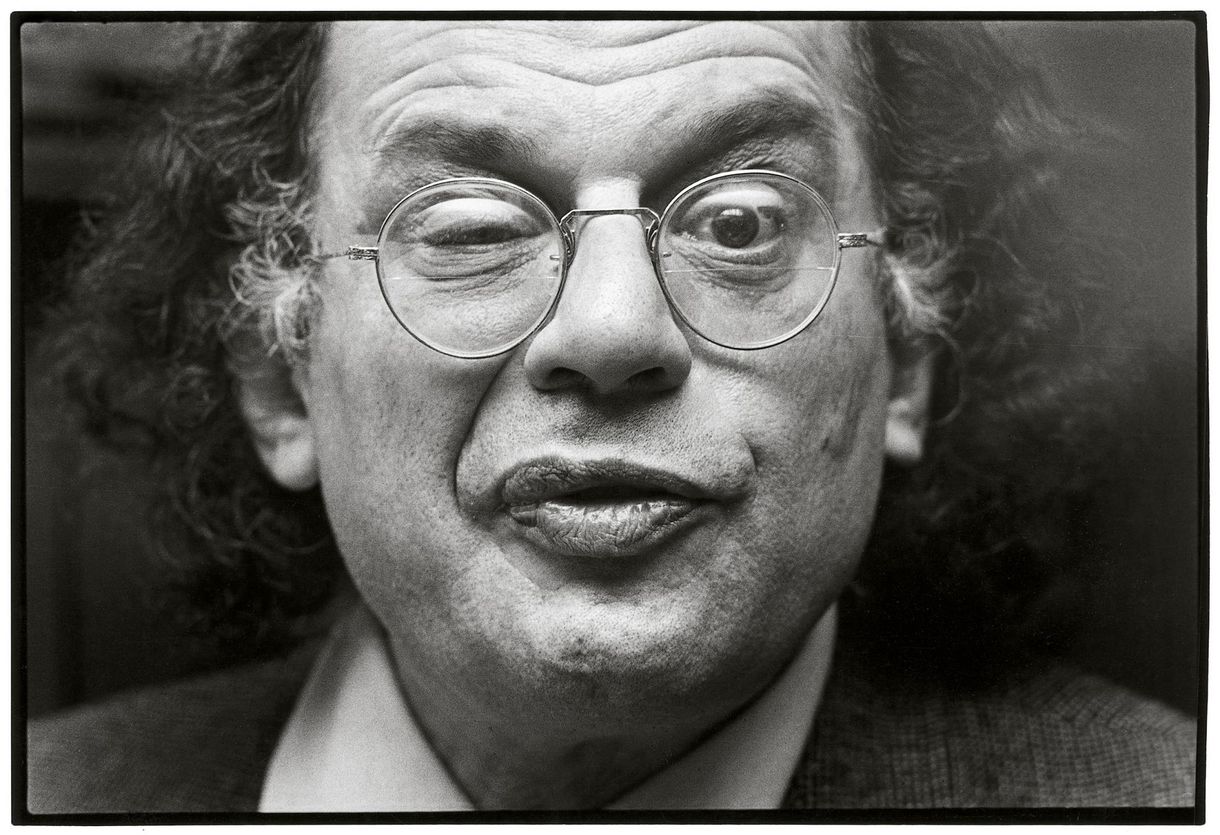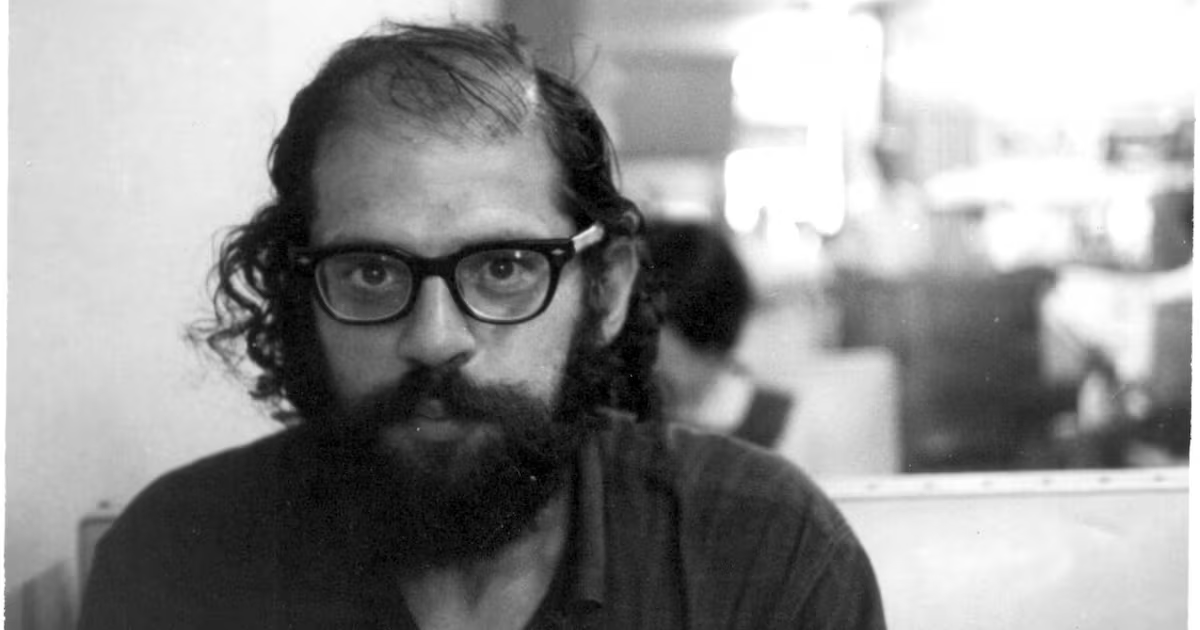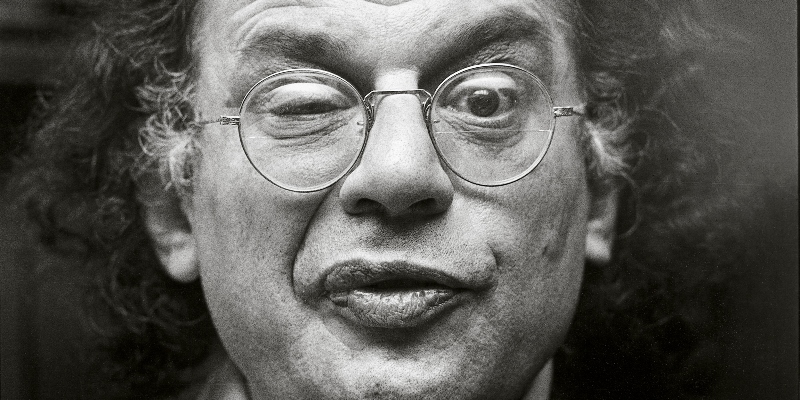
Allen Ginsberg was born in Newark a century ago today. He is totem as much as poet, arguably the most famous American writer of verse in the twentieth-century. There’s the Ginsberg dancing like a shaman in an alleyway behind Bob Dylan in the proto-music video for “Subterranean Homesick Blues,” the Ginsberg chanting alongside John and Yoko on “Give Peace a Chance,” the Ginsberg played by James Franco and Daniel Radcliffe. In the public imagination he was the embodiment of “poet” in the second half of the twentieth-century, an example of “bohemianism at its best” as Jonah Raskin writes in American Scream: Allen Ginsberg’s Howl and the Making of the Beat Generation.Article continues after advertisement
Ginsberg first read the titular entry in Howl and Other Poems at San Francisco’s Six Gallery in 1955, and the work anthologized a year later by fellow poet Lawrence Ferlinghetti as the fourth entry in the City Lights Bookstore imprint with its distinctive slender binding and black-and-white cover. That pot-and-Burgundy-fueled reading was the Cambrian Explosion of the Beats, a coterie which included Jack Kerouac, William S. Burroughs, Diane di Prima, and Neal Cassady, whose very appellation recalled both the beat of bebop and the beatification of the visionary outcasts who constituted the group. By contrast, the New York School, the Black Mountain Poets, felt academic, whereas the Beats, especially Ginsberg (a Columbia graduate who studied with Lionel Trilling) countenanced an ecstatic approach that has resonated with the public – if continually published anthologies are any gauge – in a manner that contemporaneous movements haven’t.