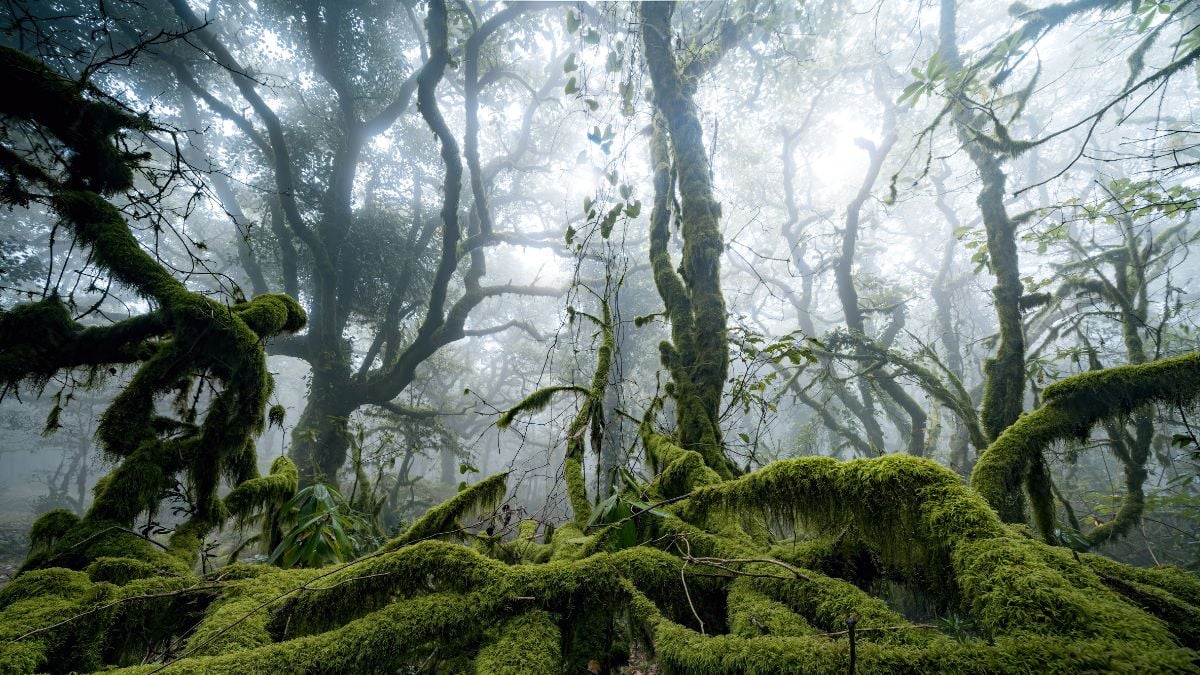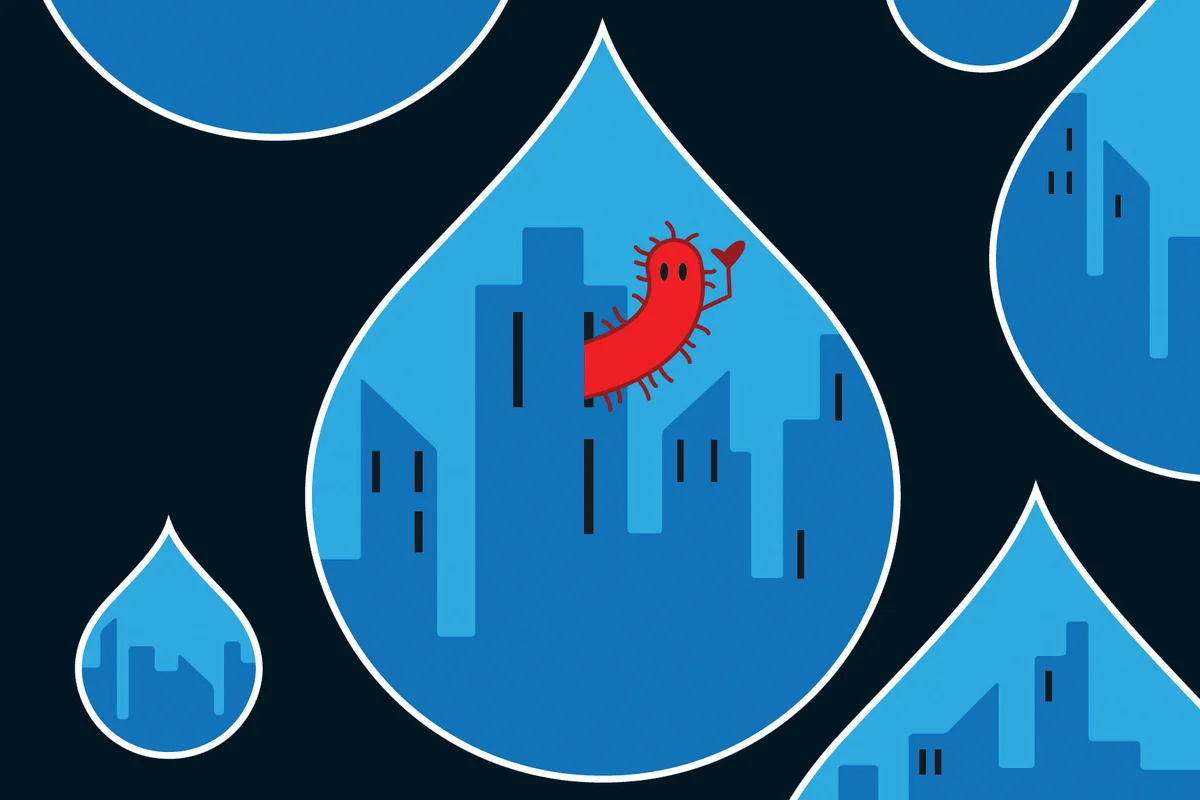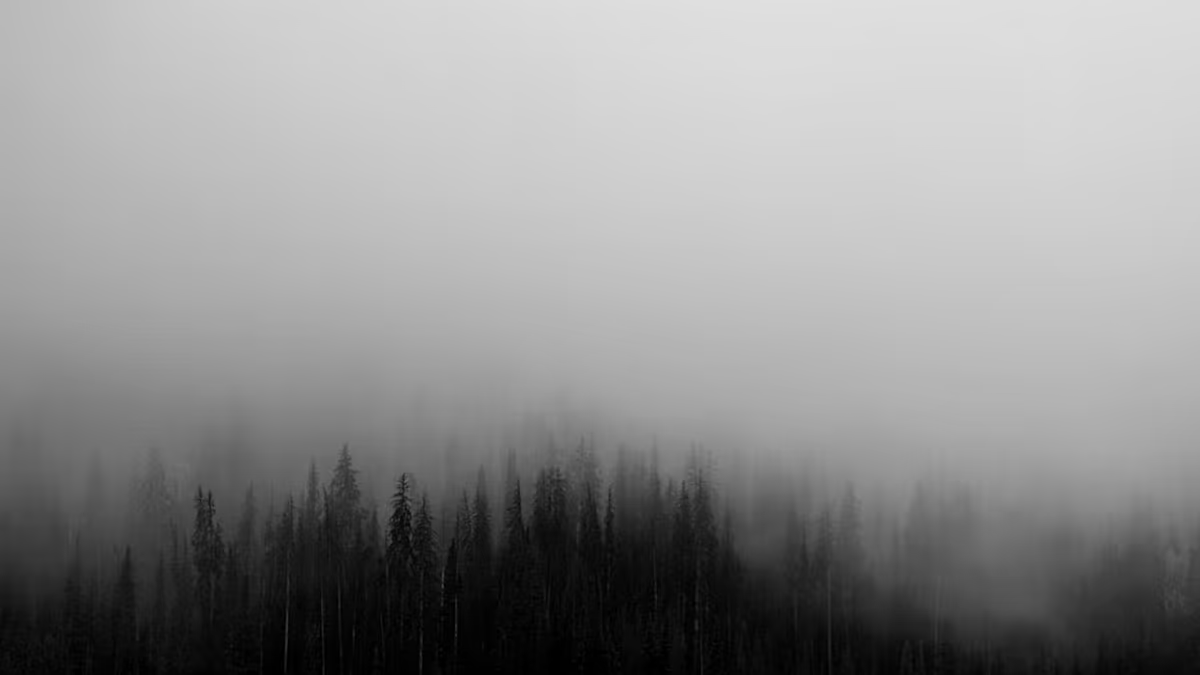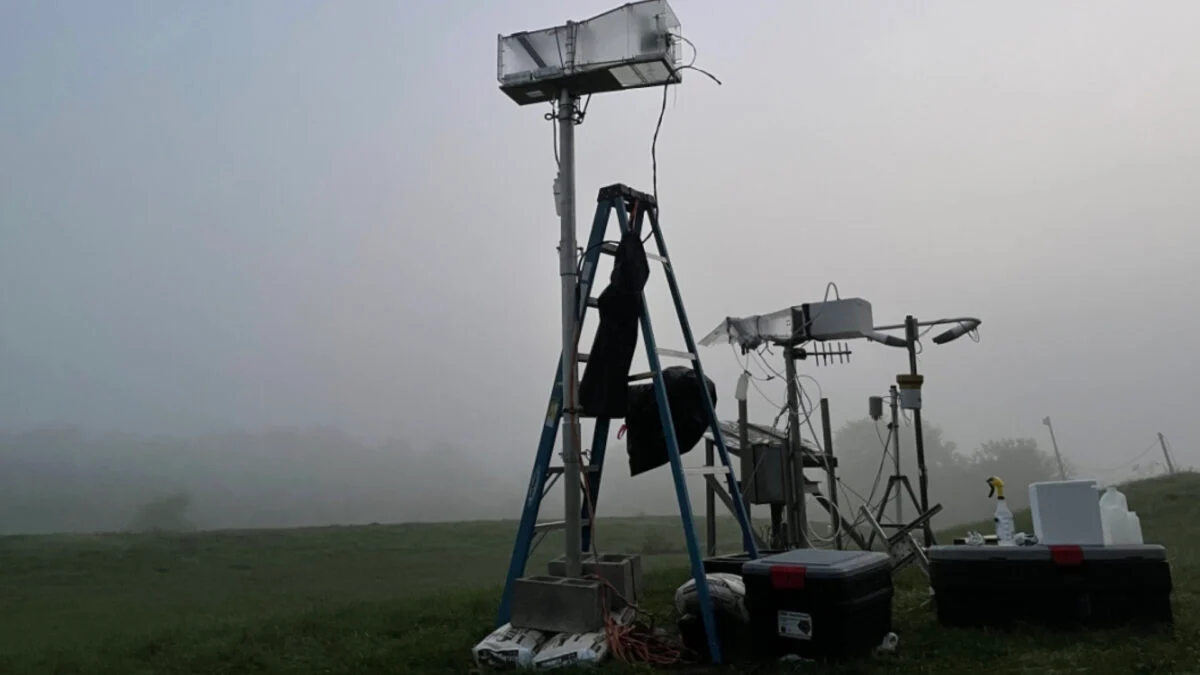
Horror director John Carpenter got it half right: Something alive is hiding in the fog. But it’s not vengeful supernatural beings; it’s not even malicious, really. In fact, we should probably be grateful that this imperceptible biome is up there, floating along. Researchers at Arizona State University (ASU) collected fog water from 32 appearances of the weather phenomenon across two years, tracking the behavior of a sea of microbes floating aloft inside its complex aerobiome. By the team’s estimate, just under 1% of fog droplets serve as bacterial habitat. But, when condensed into even just a small volume of liquid water, that percentage is substantial: ASU researchers found as many as 10 million bacteria thriving in a cup of fog water no bigger than a thimble. According to a statement from atmospheric science researcher Thi Thuong Thuong Cao, who started the project as a PhD student at ASU, these droplet-riding bacteria were observed eating formaldehyde air pollution “as food to support their growth.”
“[The] bacteria are getting bigger and they’re dividing, so there is growth,” Cao noted. Foggy bottom-feeders Two strains of the genus Methylobacterium bacteria present in the fog proved to be exceptionally good at surviving and thriving off formaldehyde—a chemical irritant, air pollutant, and suspected carcinogen that’s regulated by the EPA. These Methylobacterium colonies doubled in size, in fact, at the same rate they would have grown while feasting on pure sugary glucose, the researchers estimated.