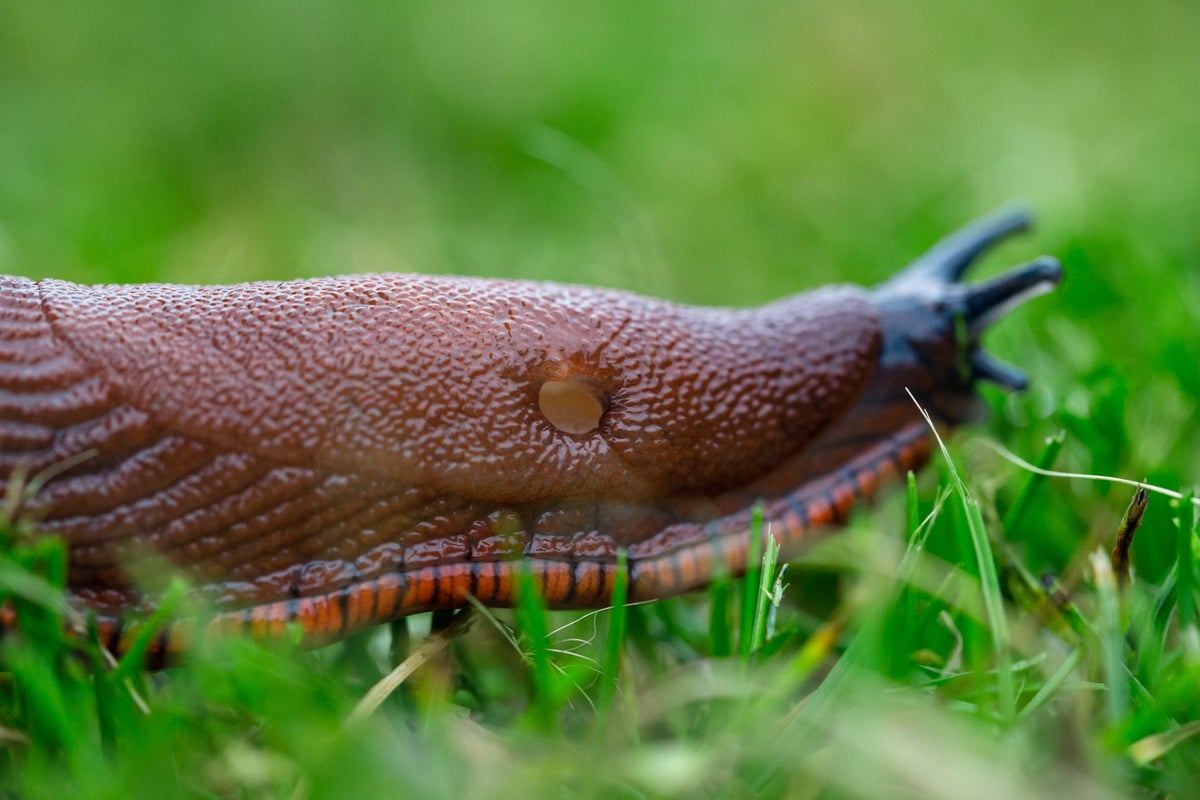
A slow snail can be a fast killer.
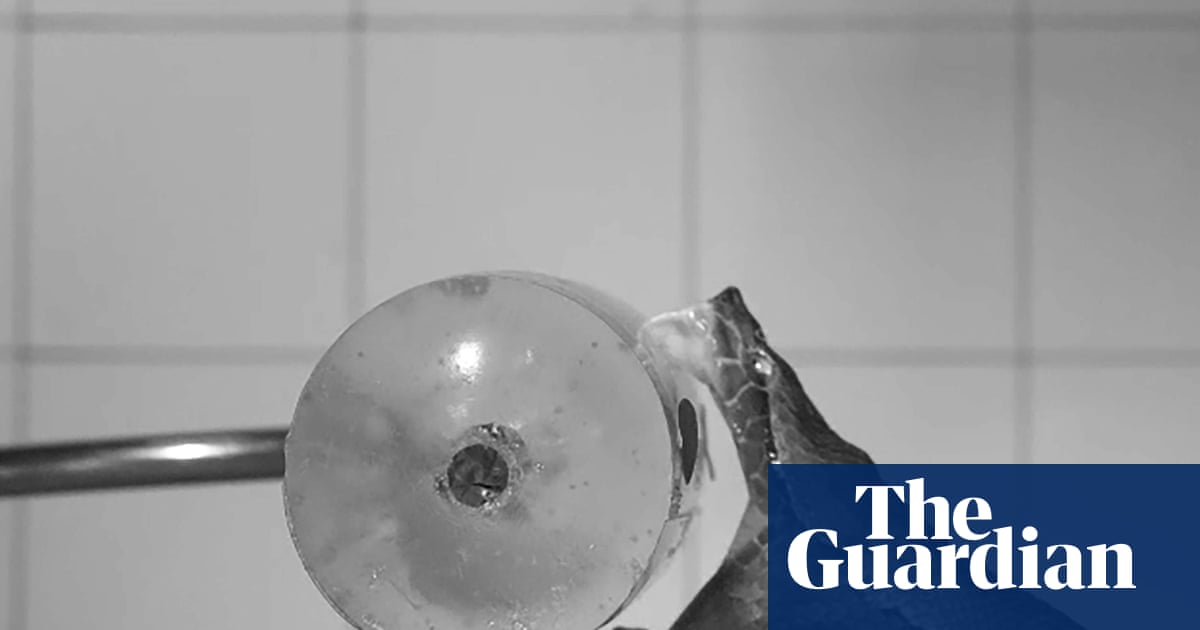
Mandë Holford vividly recalls when she first witnessed the stunning power of venom. Holford was a chemistry graduate student studying peptides in human physiology and one day watched a video of a marine snail ambushing a fish, zapping it with venom, and swallowing it whole.
She was struck by how nature had taken ingredients similar to peptides and turned them into lethal weapons that target specific biological systems with ruthless efficiency. The video made Holford dream about taking her career in a new direction by combining chemistry and biology to study venom.
Last year, Holford joined the faculty as a professor of organismic and evolutionary biology and curator of malacology in the Museum of Comparative Zoology. Her research focuses on venomous sea snails and cephalopods, their toxins, and how those compounds might be turned into medicines for human diseases.
“These are nature-based drug factories,” said Holford. “We know they actually work. They’ve been tested over 500 million years of evolution. As I like to say, they’re evolutionary-tested, nature-approved.”