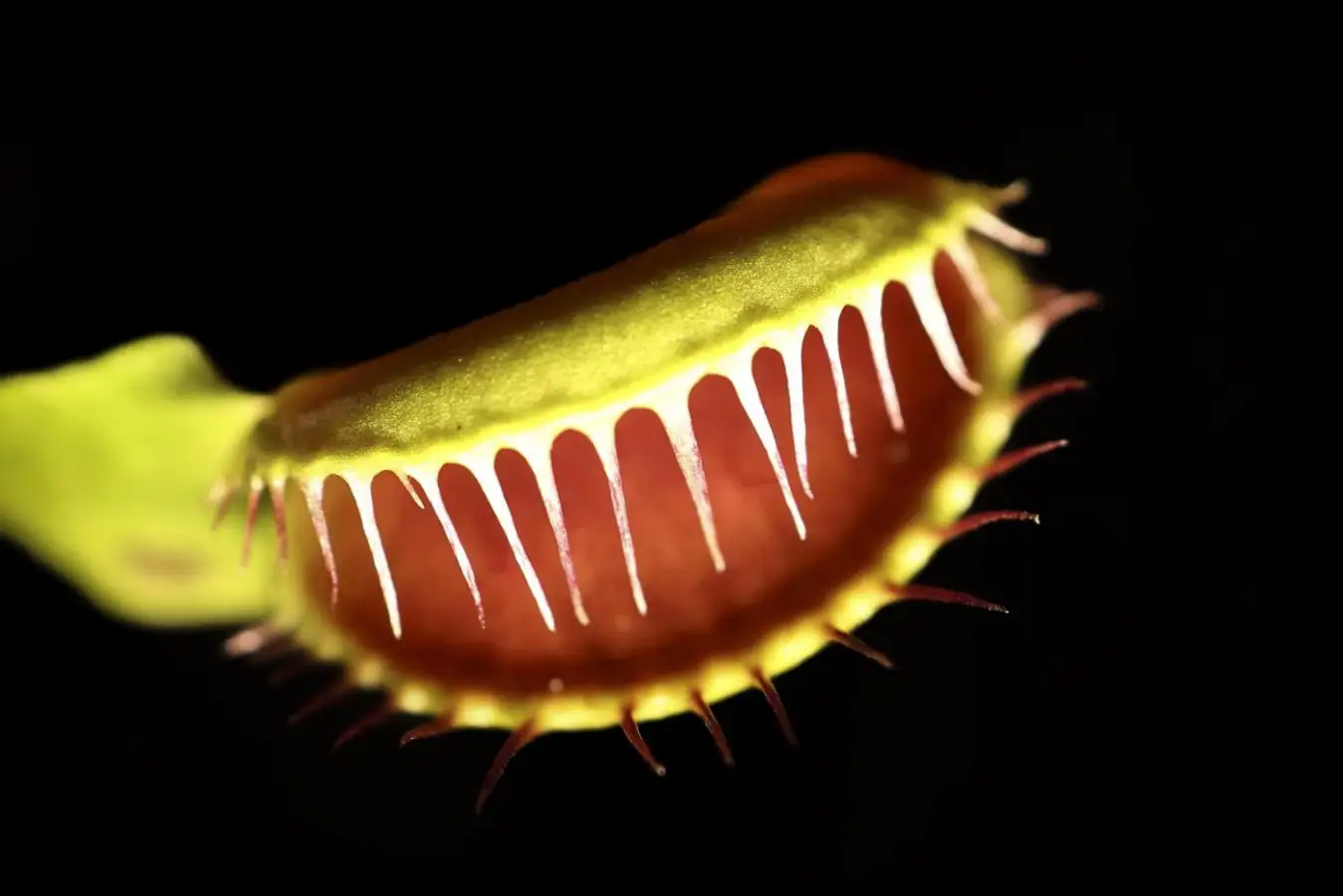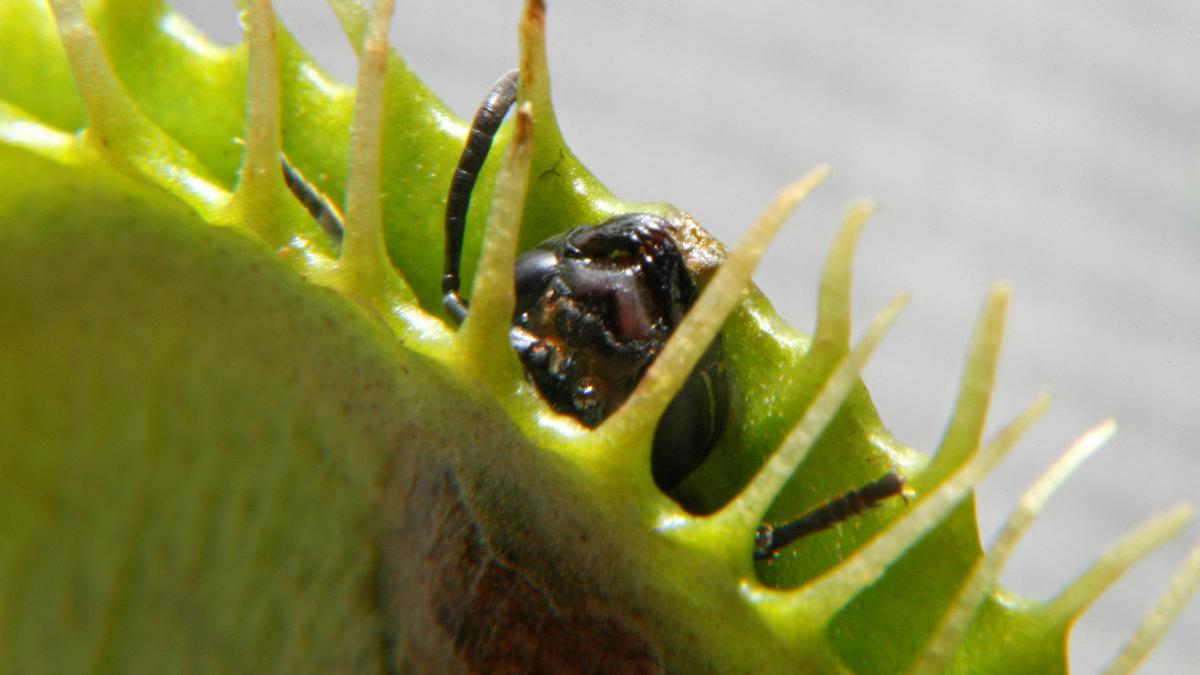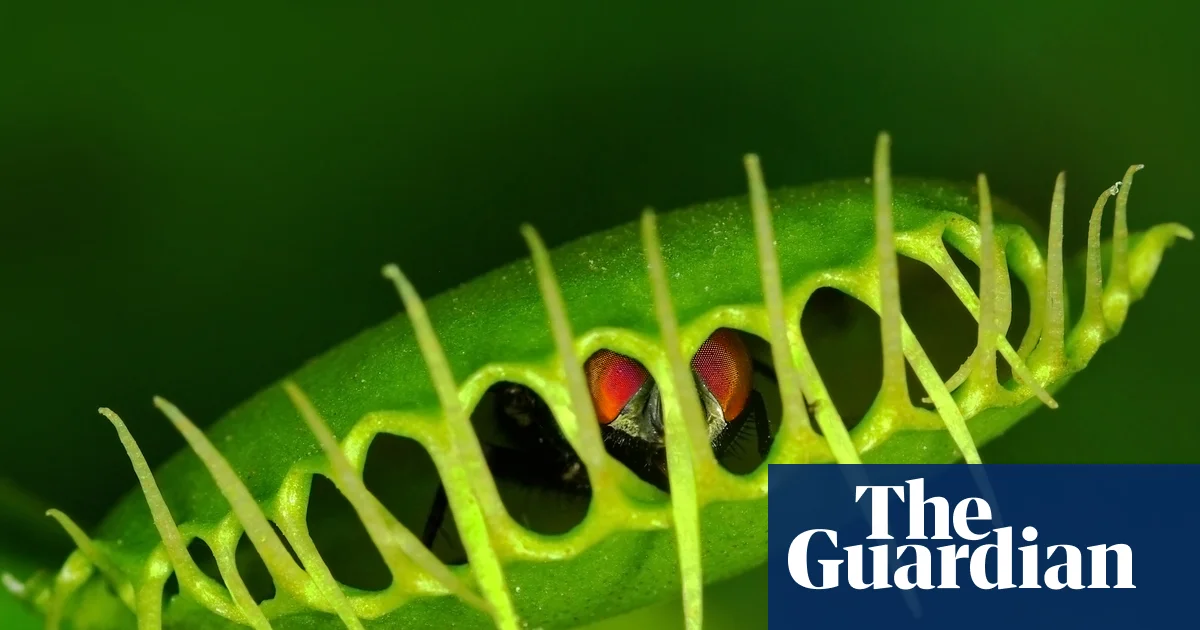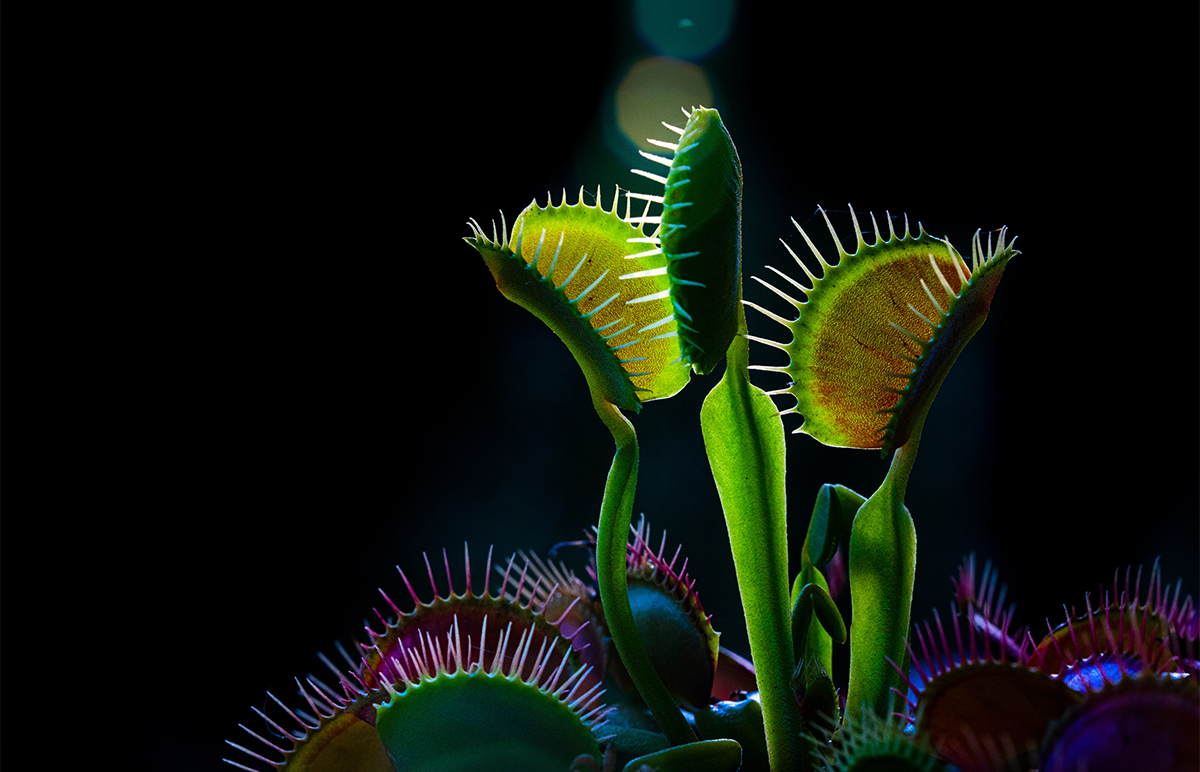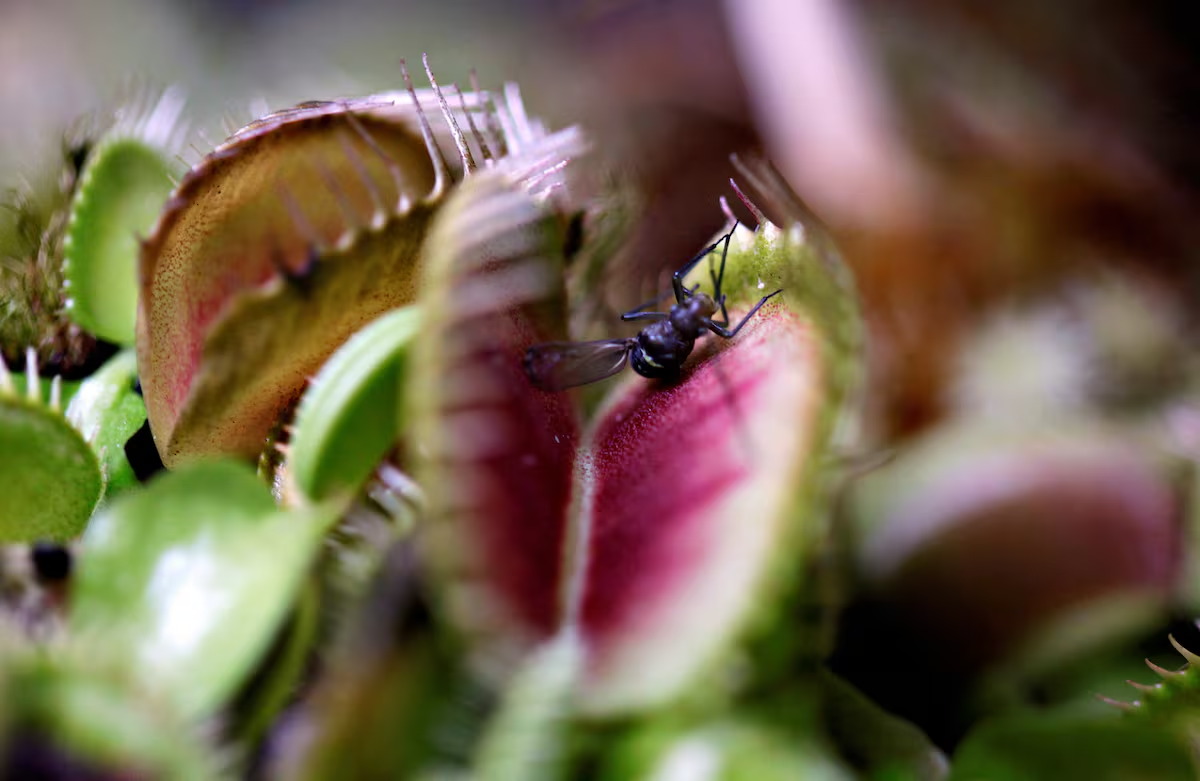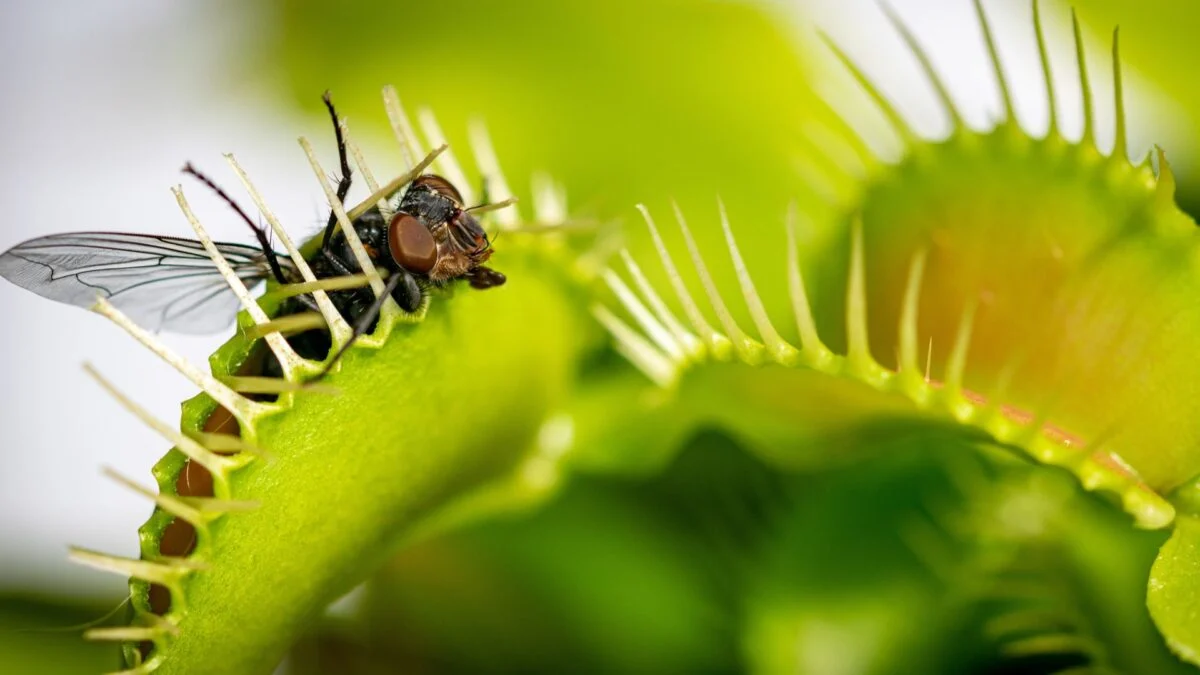
A study out this week appears to have solved one of the plant world’s greatest mysteries: Just how exactly does the trap of a Venus flytrap (Dionaea muscipula) first spring into action? Researchers at Aix-Marseille University in France examined a Venus flytrap up close. They found evidence that the plant begins its closing motion by quickly softening the cell walls lining its outer epidermis. The team’s work sheds new light on the flytrap’s unique way of life and could help lead to new avenues of robotics research, they say.
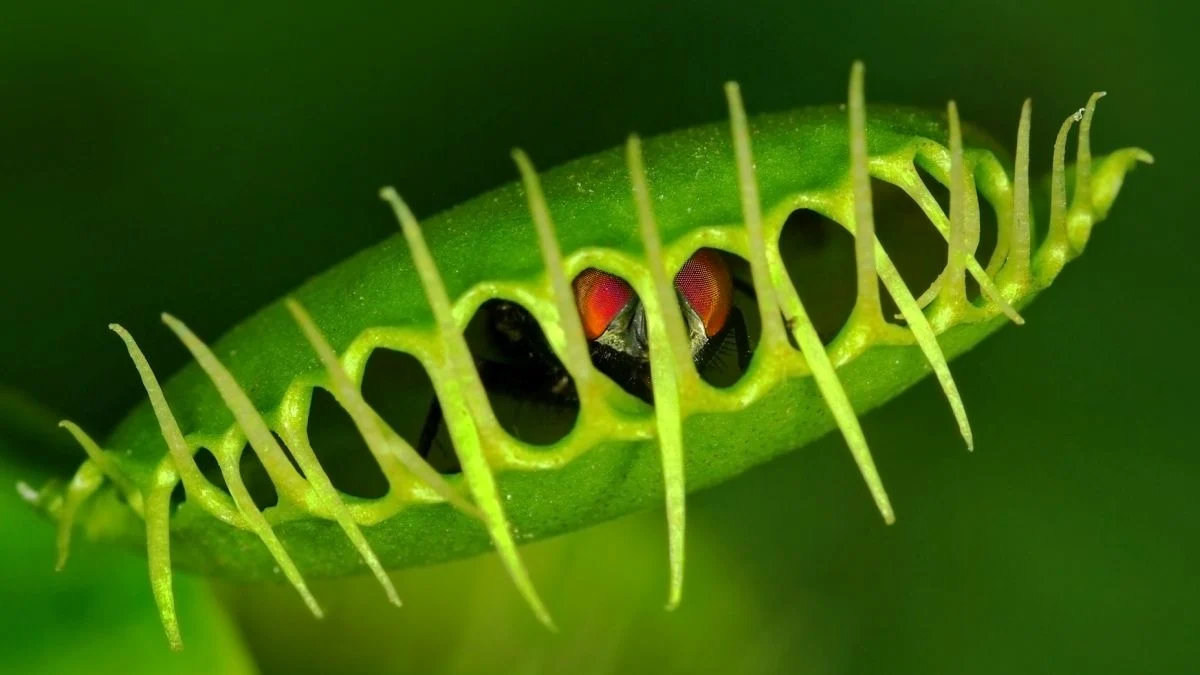
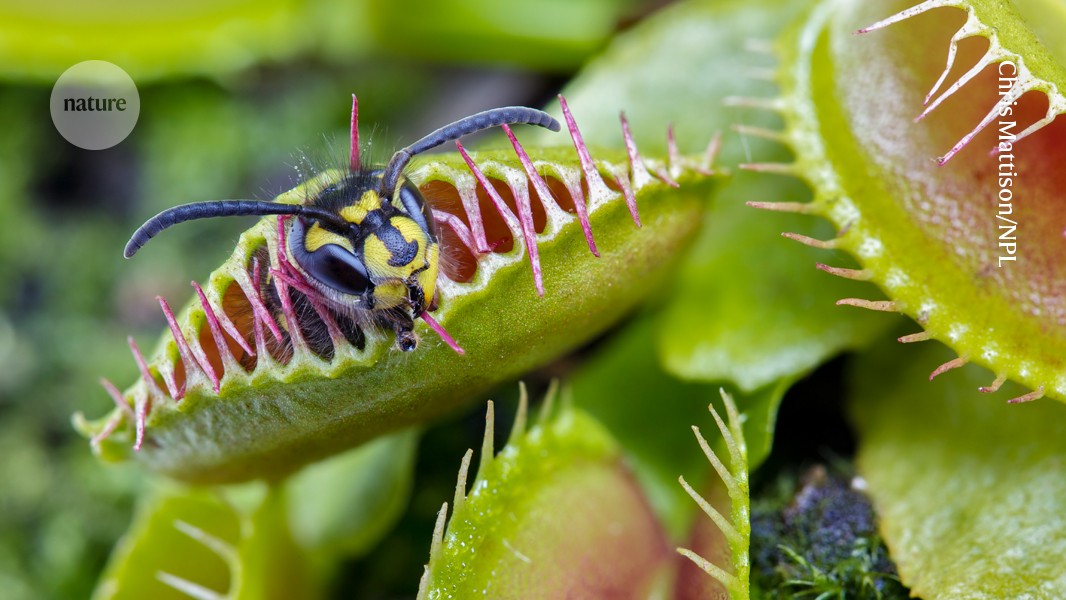
“Overall, our findings establish the Venus flytrap not only as a key model for fast plant signaling but also as a powerful system to study dynamic cell wall mechanics,” the researchers wrote in their paper, published Thursday in Science. The fly trapper Flytraps are some of the strangest living things in the world. Unlike most other plants, they can rapidly respond to animals, and they do so for the sake of a meal. The plant’s two leafy lobes (the titular trap) shut in response to insect prey triggering the hairs found inside, sealing the hapless bug inside so the plant’s digestive enzymes can break it down into a nutritious juice. Remarkably, all of this is done without the need for muscles.