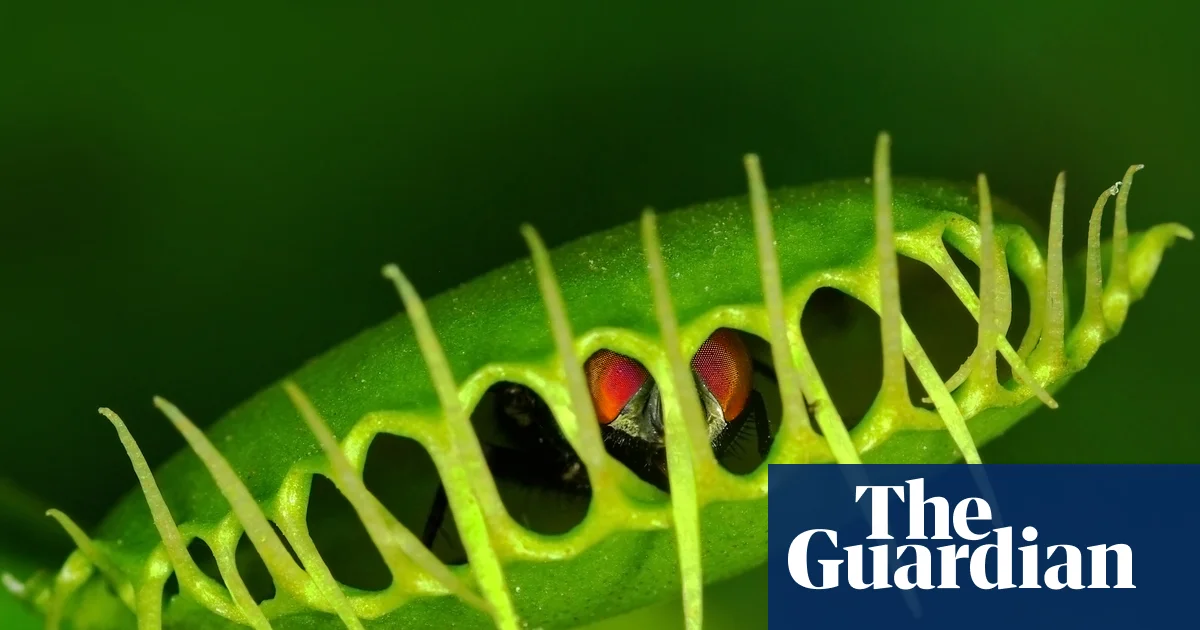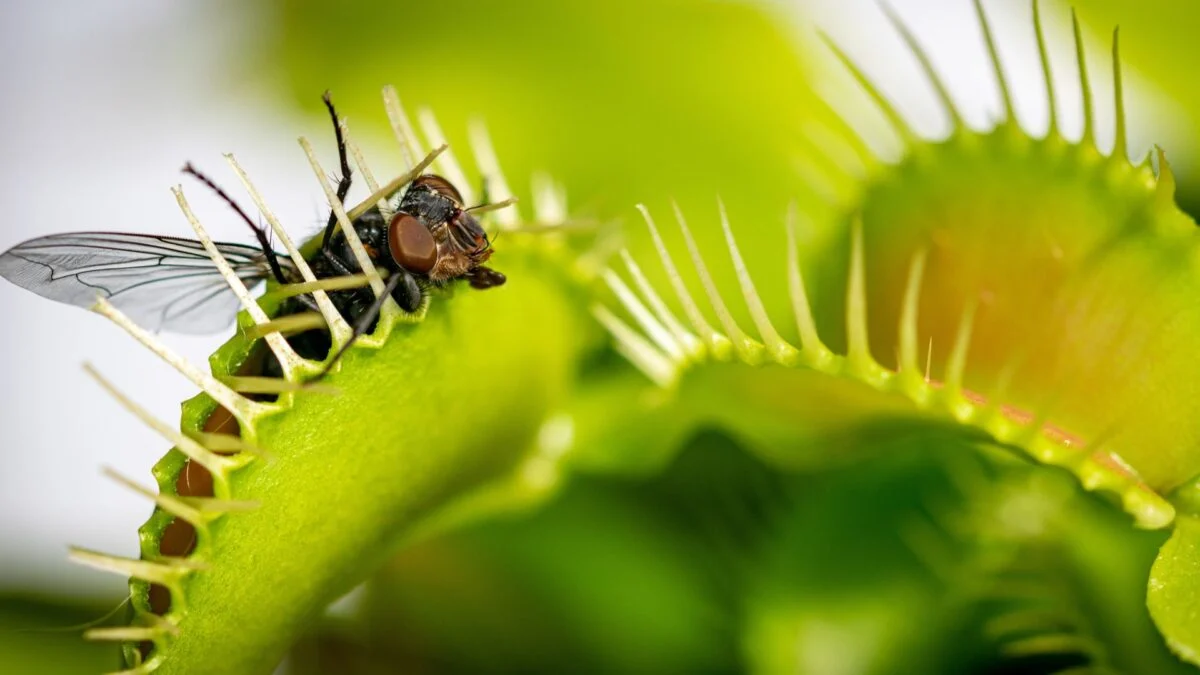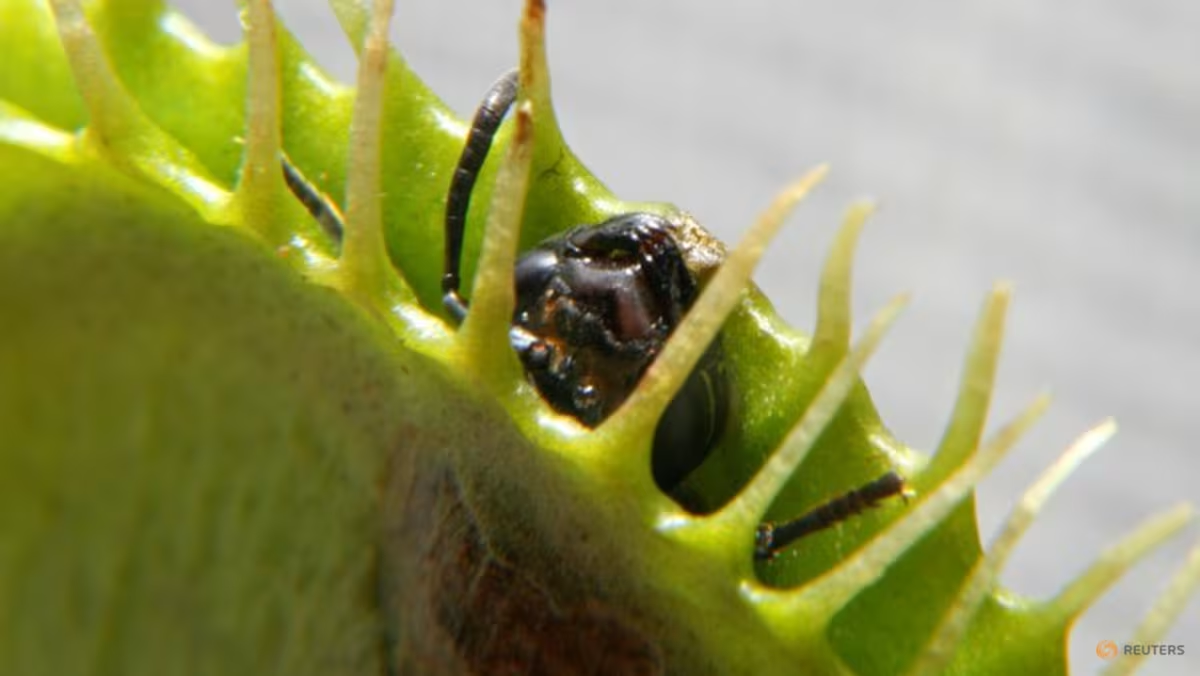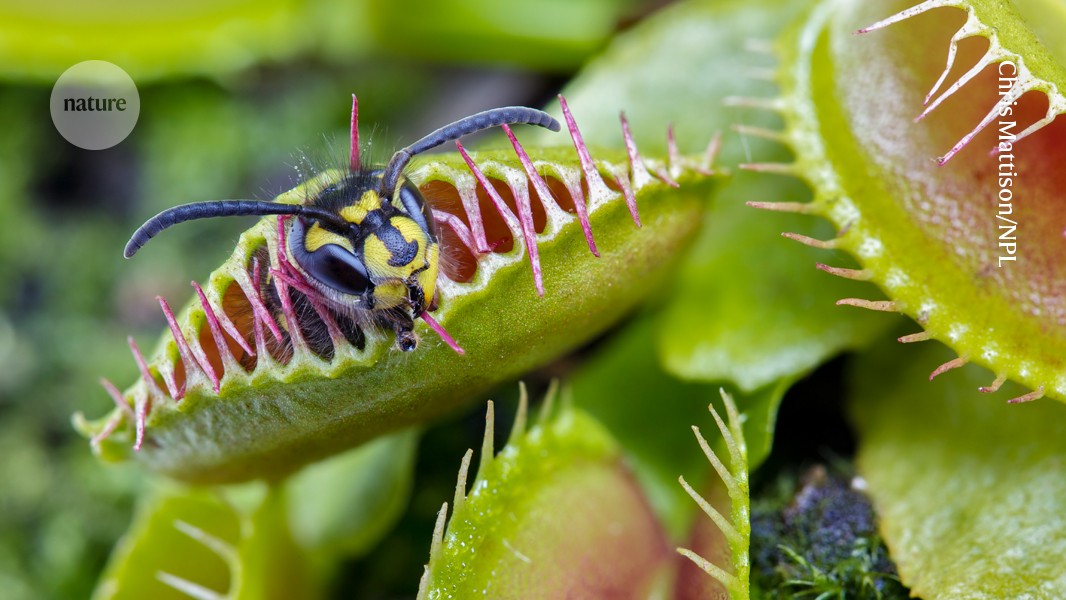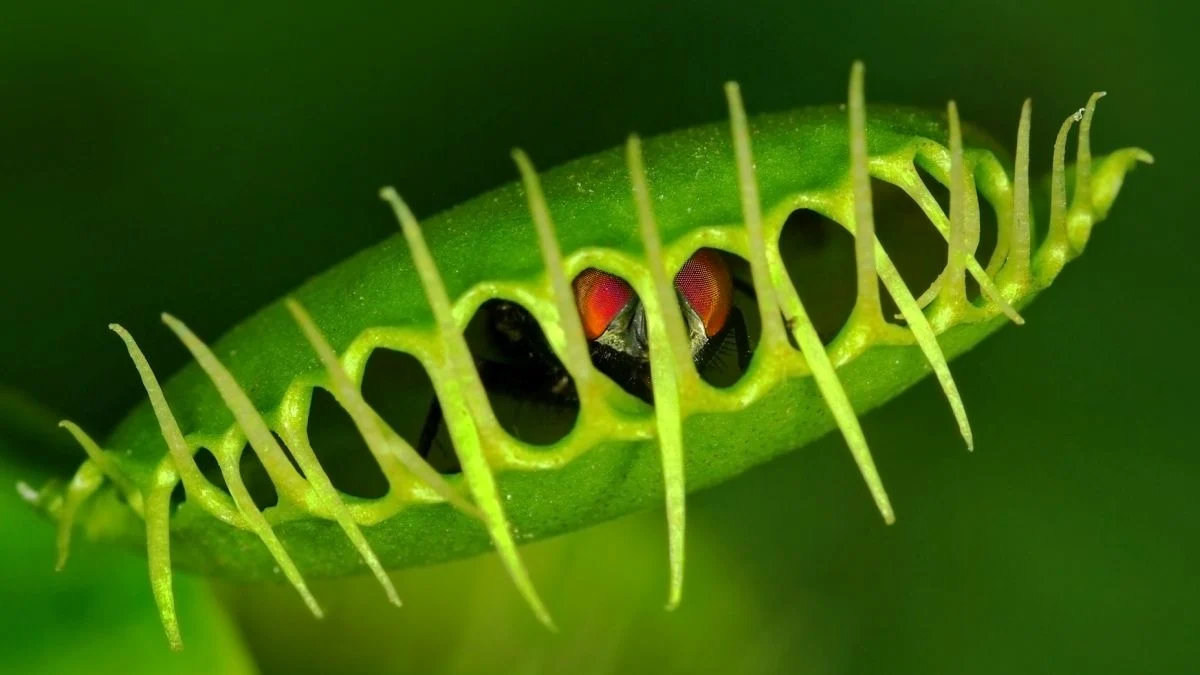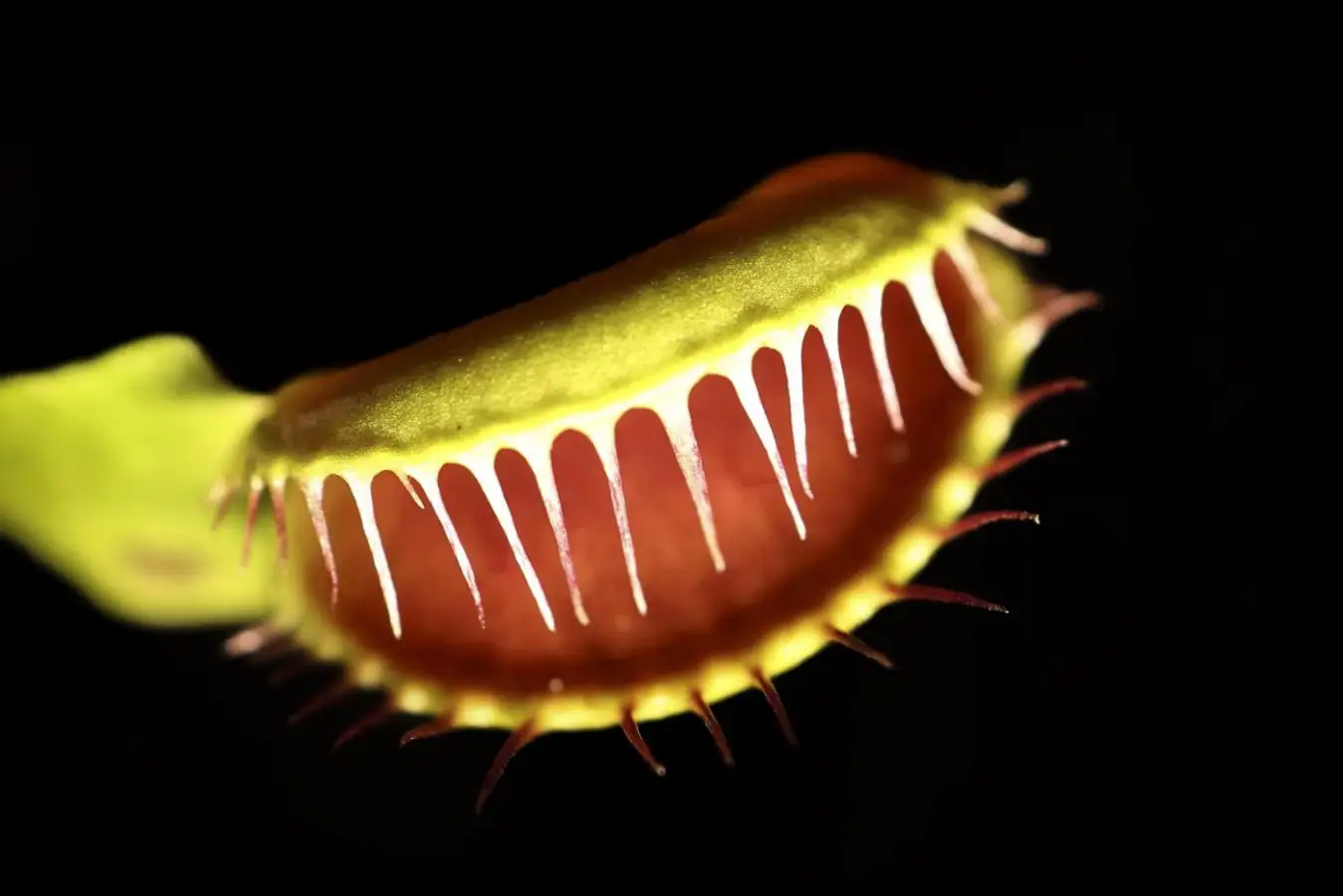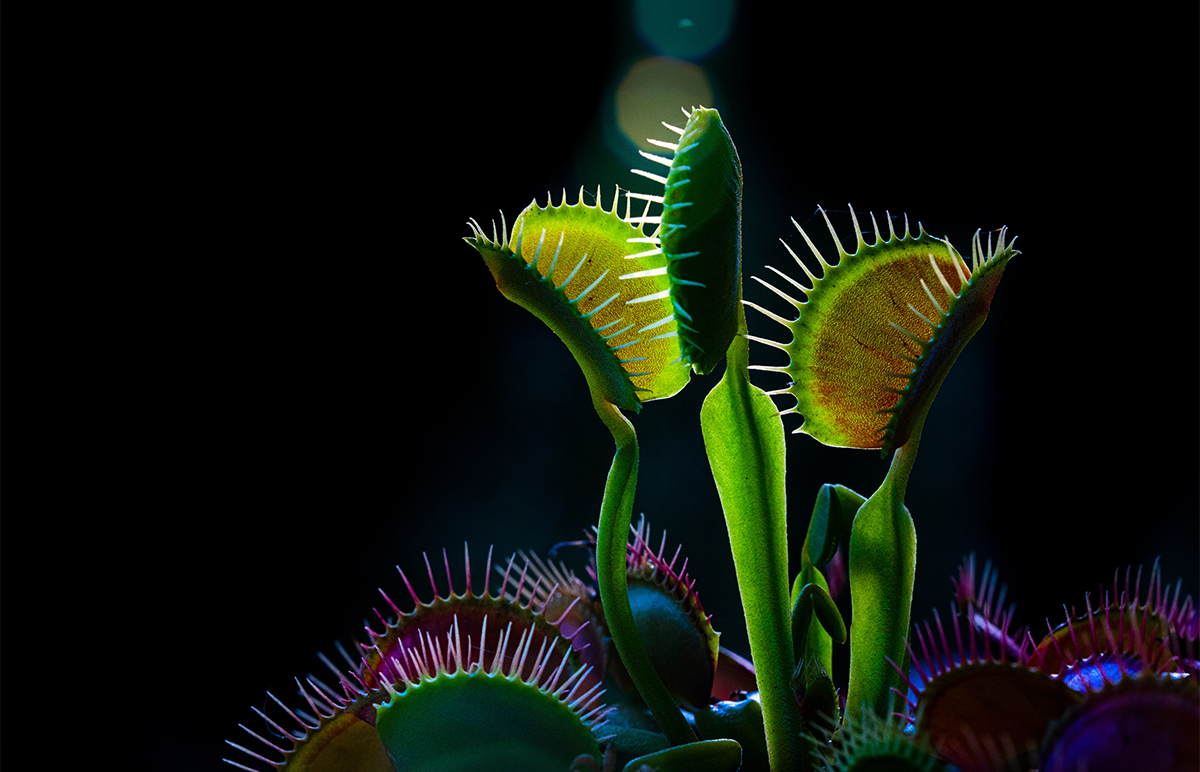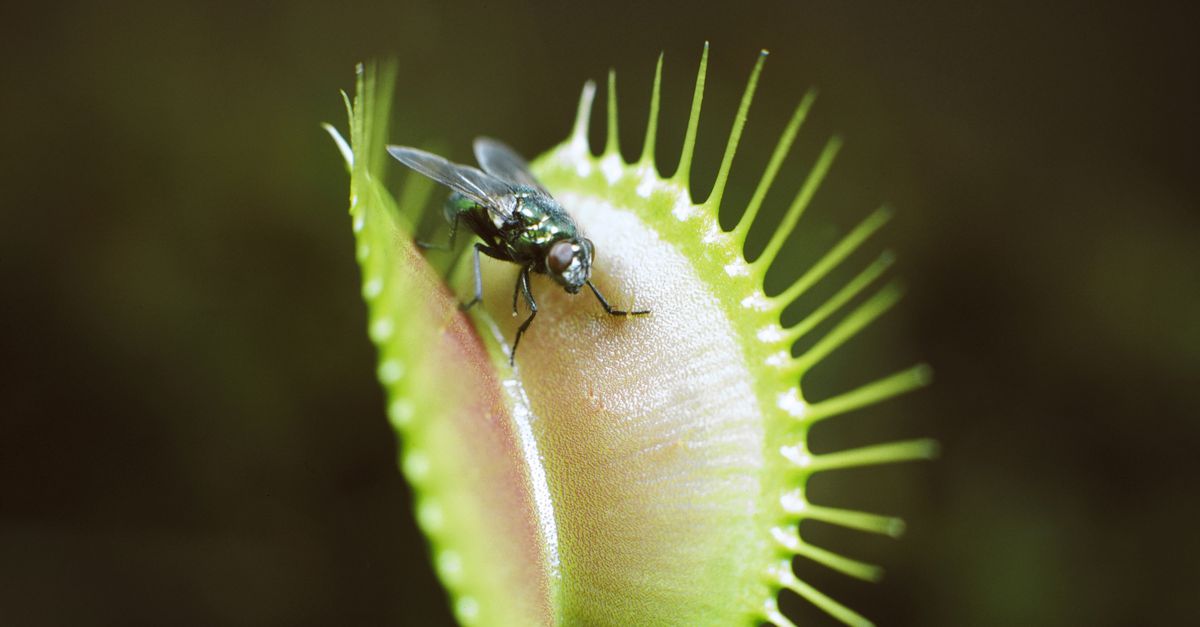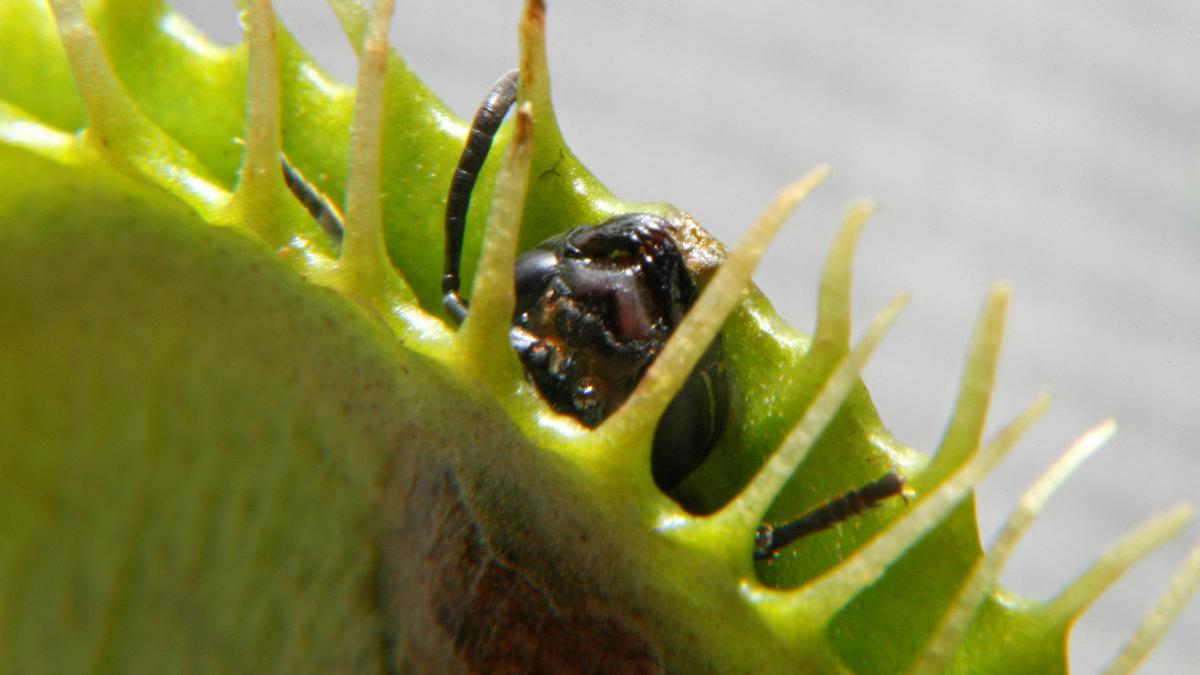
Using high-speed imaging and mechanical testing, researchers found that the plant’s outer tissue rapidly becomes more flexible, triggering a spring-like release of stored energy that shuts the trap in under a second. (a file photo)
| Photo Credit:
Pity the poor fly that lands on a Venus flytrap. When the insect touches hair-like structures on this remarkable carnivorous plant, its trap snaps shut, dooming the victim to be digested over several days in secreted enzymes. Scientists have now found the physical mechanism behind this snapping action.Researchers said experiments showed that the Venus flytrap’s closure is initiated by a rapid softening of the cell walls in the outer layer of the plant’s trap, which is a highly modified leaf divided into two hinged lobes that resemble jaws with teeth.Old theory challenged after a century of beliefFor more than a century, the prevailing hypothesis had been that the trap’s closure was driven by a rapid redistribution of water within the leaf, with water moving between cells to swell one side of the leaf. The new research points to a different biological mechanism.“One of the most iconic plants in the world can still surprise us. After more than a century of research, we are still discovering fundamentally new things about how the Venus flytrap works,” said physicist Yoël Forterre of the French research agency CNRS and Aix-Marseille University, senior author of the study published on Thursday in the journal Science.How the Venus flytrap actually lives and feeds