While arguments exist regarding the safety and the consequences of environmental release of genetically modified crops, they have been grown and consumed safely across the world for decades now.
| Photo Credit: The Hindu
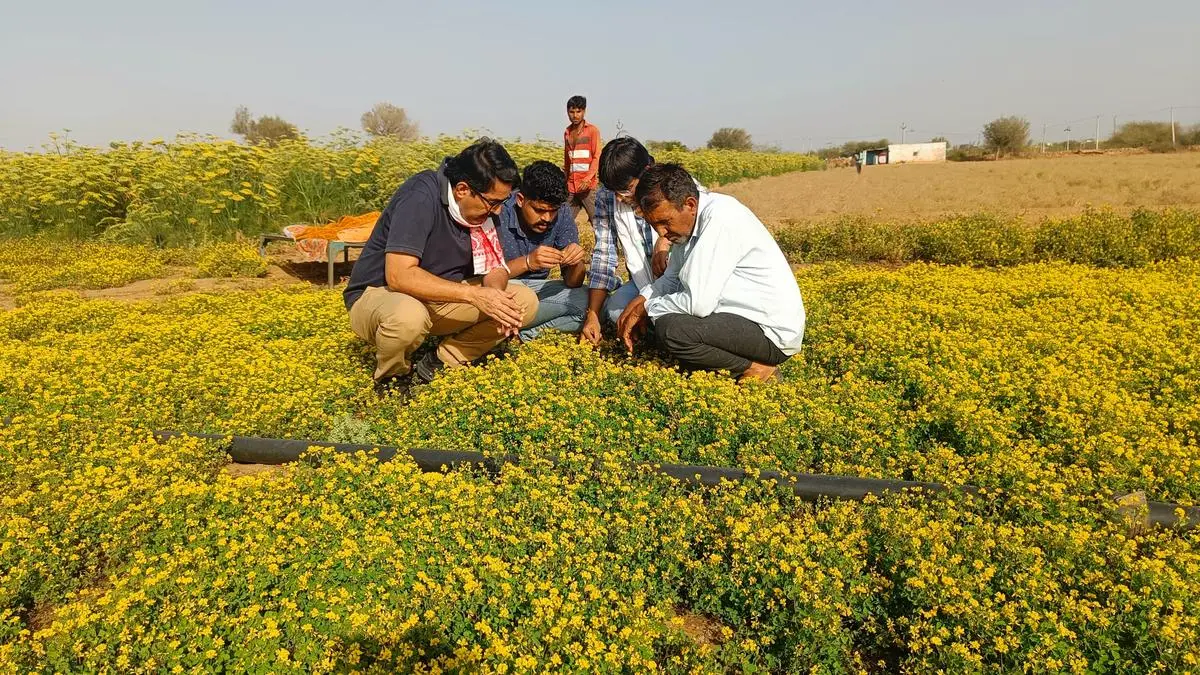
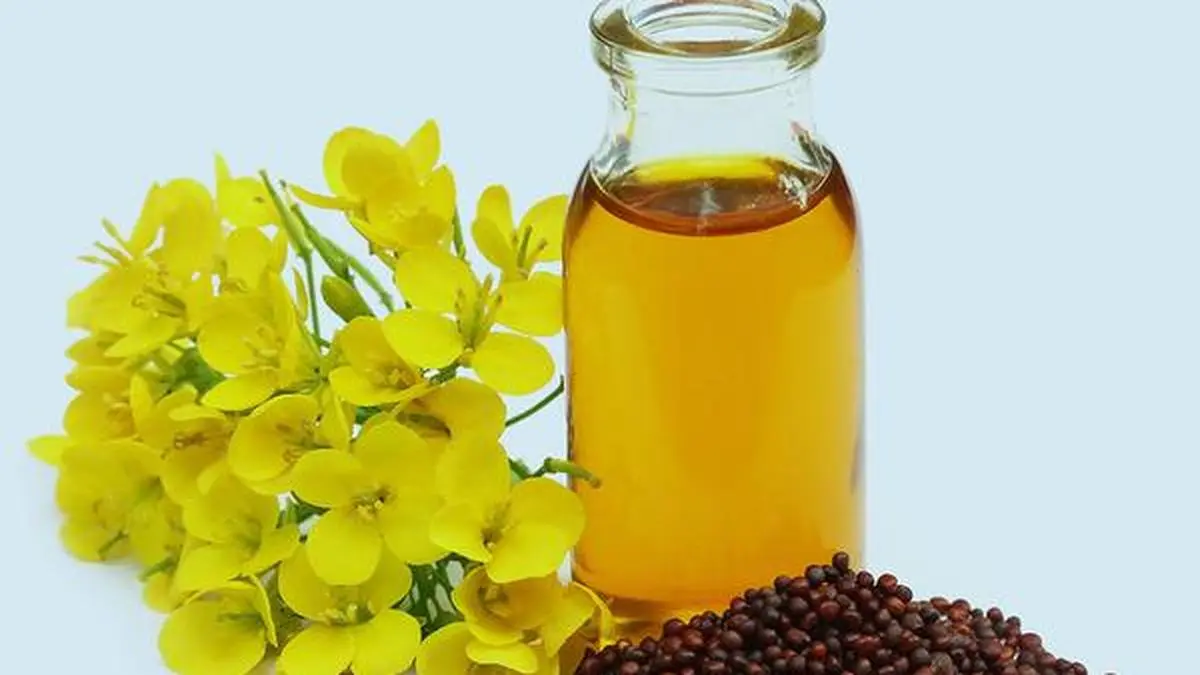
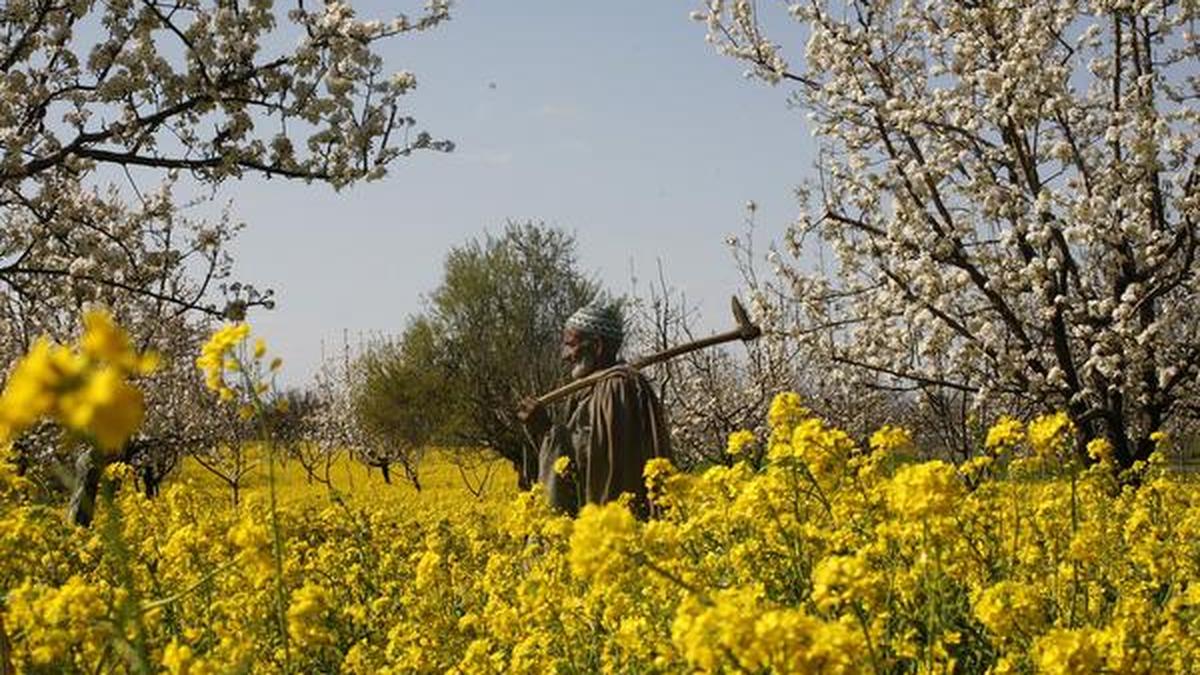
In the 2026-27 rabi sowing season, from October to April, Indian farmers are set to begin the wide-scale cultivation of imidazolinone-resistant (IMI-resistant) mustard hybrids. These hybrids are designed to overcome a parasitic weed called Orobanche, a major hurdle in oilseed production.India has long grappled with an edible oils deficit. In 2024-25, the country imported around 16 million tonnes at about Rs 1.6 lakh crore. Mustard is the most vital oilseed crop to meet this demand, especially in the arid environments of North India. However, its yields have been suppressed throughout the year by Orobanche, a destructive root parasite that attaches to the mustard plant and drains it of water and nutrients. (It has more recently been called Phelipanche.)The new IMI-resistant hybrids are a technological solution to this problem. Unlike genetically modified (GM) crops, these hybrids were developed in a process called mutation breeding — where scientists breed crops to preserve certain natural mutations. The process is based on an enzyme called acetolactate synthase (ALS), which is essential for plant growth. Normal mustard plants are killed by IMI herbicides because the herbicides inhibit ALS.In the new IMI-resistant hybrids, a single change in the plant’s DNA rendered the ALS enzyme resistant to the herbicide, freeing farmers to spray IMI herbicides directly over the field, killing only the weeds. This strategy is particularly effective against Orobanche because, as the herbicide moves through the soil and the plant, it strikes the parasite where manual weeding can’t reach.Farmers have welcomed these hybrids because they don’t increase the demand for labour exactly when it might be unavailable, especially in the narrow window when weeding is necessary, and the research community because it protects oilseeds.However, some experts have urged caution over their long-term use. In a commentary recently published in the journal Current Science, Deepak Pental, a leading geneticist at the University of Delhi, acknowledged the immediate benefits but also said the technology must be managed with care to prevent the weeds from evolving their own resistance.Prof. Pental explained that if farmers rely on only one type of herbicide year after year, the “strong directional selection” will lead to “the emergence of resistant or less susceptible weed populations, the erosion of herbicide efficacy, and ultimately the strategic failure of the production system built around that chemistry”.To that end, he wrote that the introduction of these new crops should not be viewed as a simple trade-off, where chemicals merely replace manual labour, but as a “challenge” that requires a variety of weed-control methods. Specifically, for the technology to remain viable for more than a few years, it must be part of a broader, more diverse farming strategy that includes rotating crops, using different types of herbicides with various modes of action, and continuing to use manual weeding to remove any weeds that survive the chemical spray.“A single herbicide mode of action cannot be the foundation of a sustainable weed management strategy in any agriculture,” Prof. Pental wrote.As India rolls out IMI-resistant mustard this season, the new challenge for the agricultural enterprise will be to ensure these powerful new tools become part of a “durable, and evolutionarily informed” programme rather than a quick fix. Published - June 08, 2026 03:36 pm IST