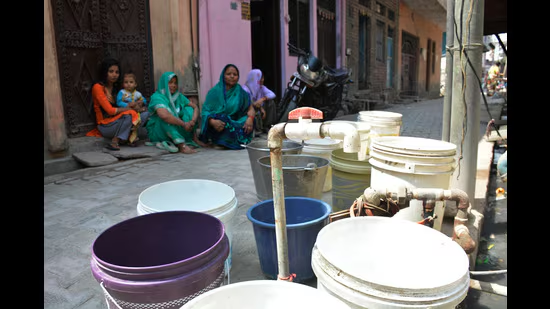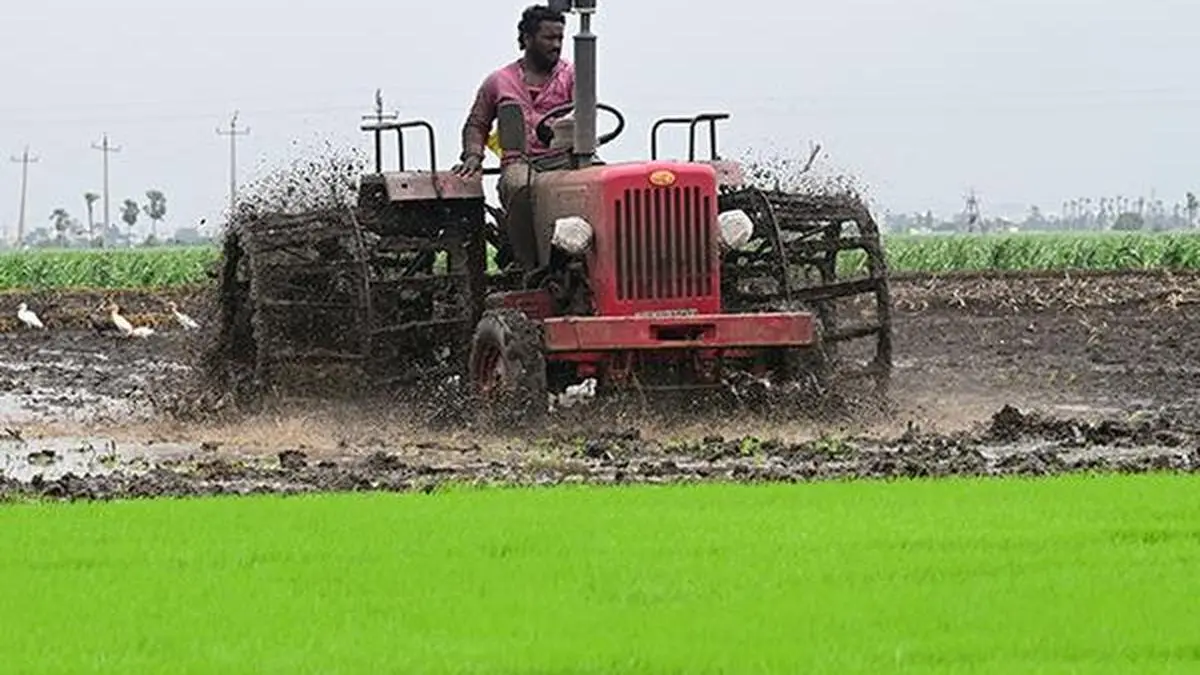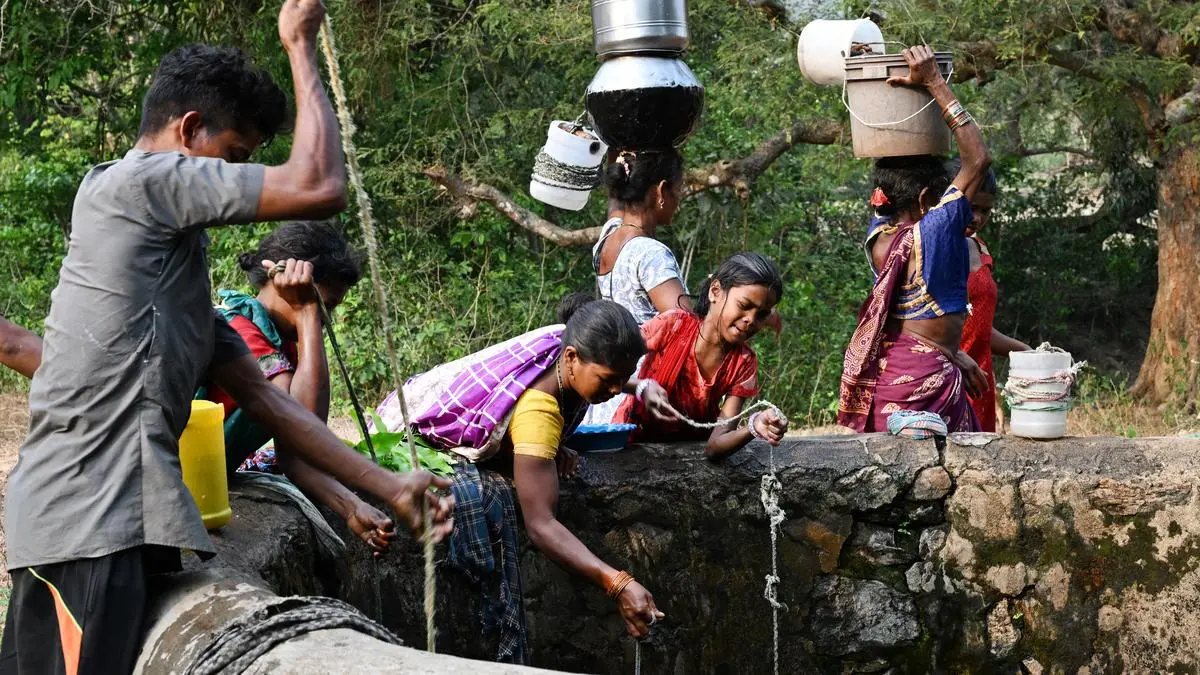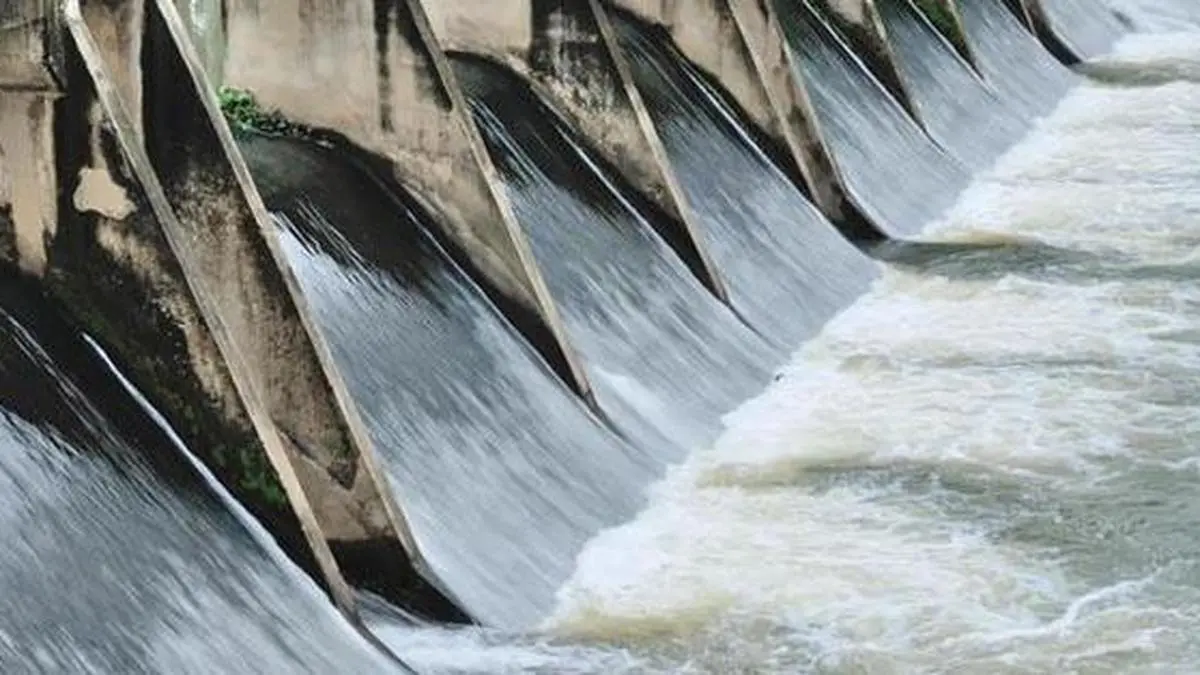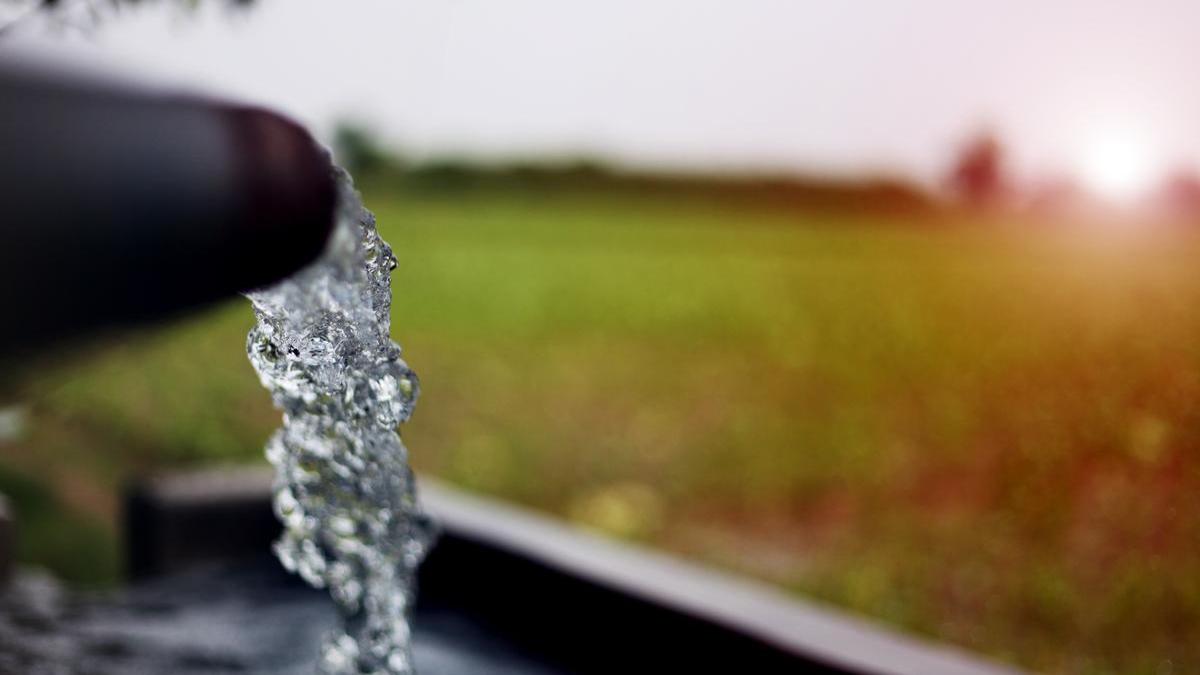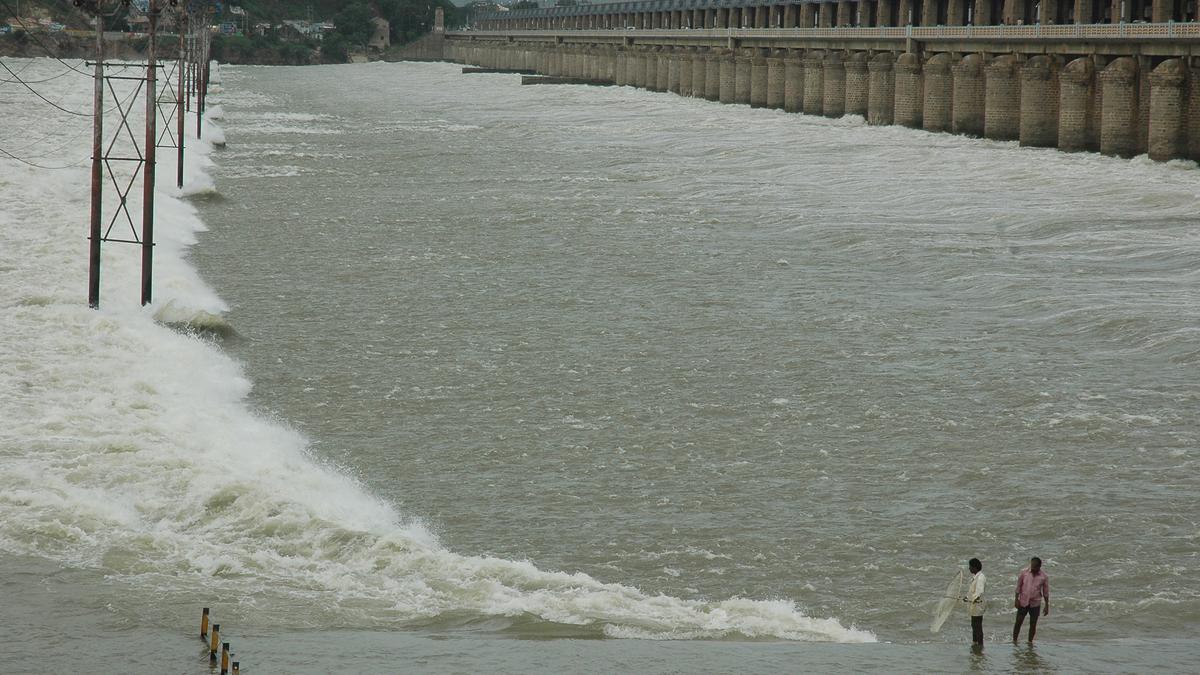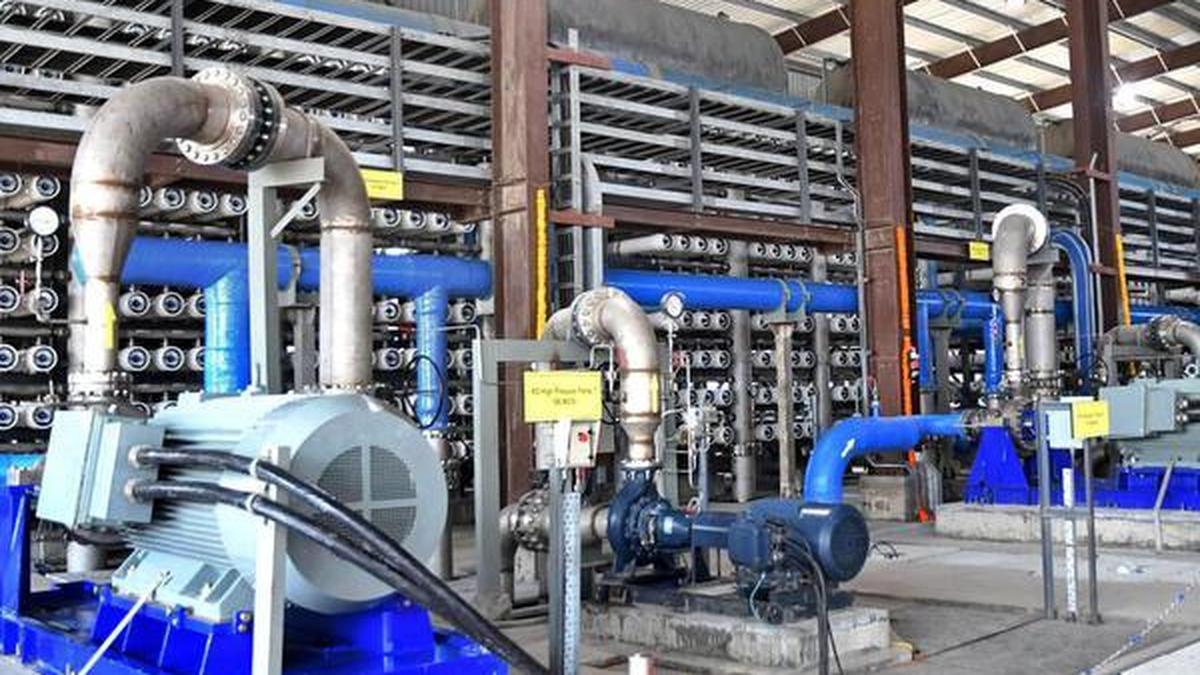
If you ask a farmer in Uttar Pradesh or Maharashtra what worries them most, the answer is no longer seeds or rising costs but water, something they probably didn’t have to give a second thought to about 10 years ago.Groundwater is dropping fastest in the most districts in these States, which grow the most food. Rivers that used to irrigate entire belts now run thick with industrial and municipal discharge for much of the year. And the monsoon, which Indian farming has organised itself around for generations, no longer arrives on schedule the way it once did. None of this is news to anyone who spends time in the field.While most agri-conversations would jump straight to soil health or fertiliser efficiency, we now need to shift the conversations to water and build tools to actually do something about it. Soil recovery and better inputs are both downstream of water quality, and they don’t work in isolation from it, and pretending otherwise is how a lot of well-intentioned interventions end up underdelivering.Not a new scienceStart with what “treated water” actually means here. It isn’t just a city solving its sewage problem and moving on. Water recovered from municipal systems, industrial effluent or a polluted river, once treated properly, can go straight back into irrigation, taking real pressure off groundwater and giving farmers something they can count on even when the rains are late.The science to do this without leaving behind harmful residue is not new; it’s been proven in projects here and abroad. What’s held it back is the boring part: getting treated water from the plant to the actual field, at a price a farmer can live with. That’s a logistics and pricing problem more than a technology problem, and it’s solvable. With these technologies, the payoff shows up even in the soil. Years of watering fields with contaminated supply, on top of heavy chemical use, have left large stretches of farmland saline, sodic or just biologically exhausted. Swap that water for something clean, and the damage stops compounding almost immediately. Add nano-scale and biological soil treatments on top, and recovery speeds up considerably. But try doing the soil work first while the water going back onto the field is still bad, and you’re refilling a leaking bucket. Get the water right, and the soil follows.Inputs tell the same story. Nano nutrients and biological alternatives to chemical fertiliser only really work when the water carrying them isn’t fighting them the whole way. Clean water first, and the same rupee of input spend goes noticeably further: better yield, better quality, less waste.Adopting what really helpsNone of this matters if it doesn’t reach the farmer at a cost they can actually afford. Decentralised treatment near farming clusters, honest pricing and a clear line from clean water to healthier soil to better-performing inputs that’s the sequence that works, in that order.Indian farmers adopt what genuinely helps them; they always have. What they don’t adopt is anything that asks them to trust a black box or pay for something unproven at field scale, and that’s the right bar to hold every solution to, treated water included.Companies and innovators working in this space have to make sure water is the thing around which everything else is built, not an afterthought bolted on at the end. Do that, and soil health and smart inputs stop being separate projects competing for a farmer’s budget; they become the visible result of one decision made upstream: getting the water right first.The author is Managing Director, JS Water Energy LifePublished on July 26, 2026
Turning treated water, soil health and smart inputs into real gains for Indian farmers
Discover how integrated water management improves soil health and agricultural inputs for sustainable gains in Indian farming.
594 words~3 min read