If you liked this story, share it with other people.
Founder’s Briefs: An occasional series where Mongabay founder Rhett Ayers Butler shares analysis, perspectives and story summaries.
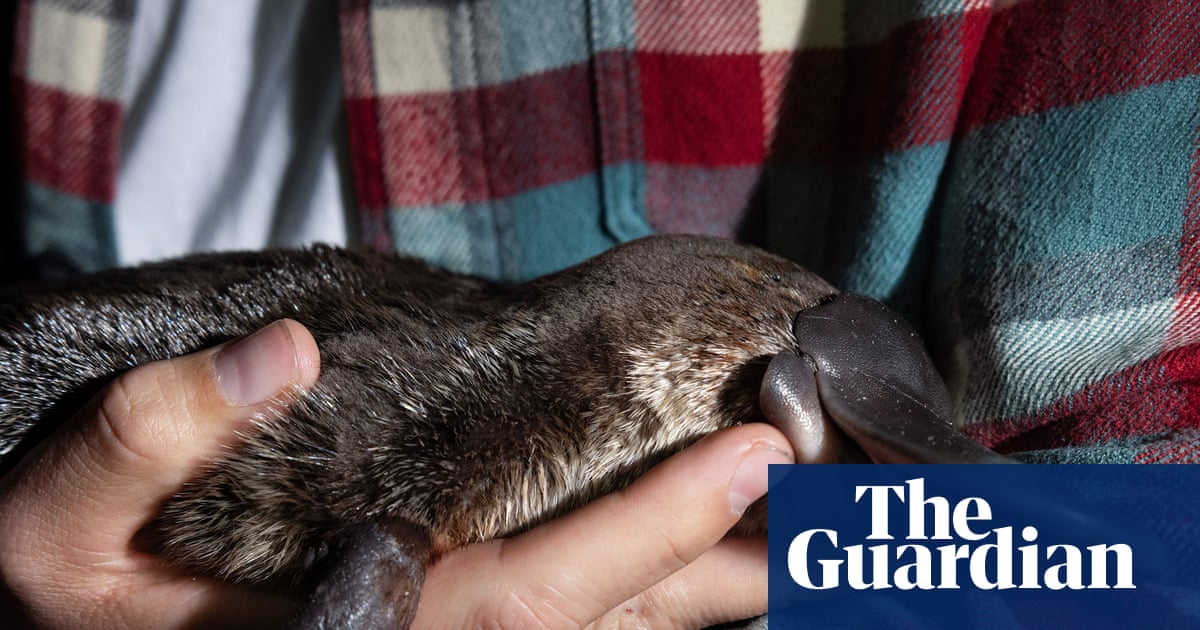
The platypus offers a useful lesson in conservation: before acting, it helps to know where the animal still lives, and where risks are growing.
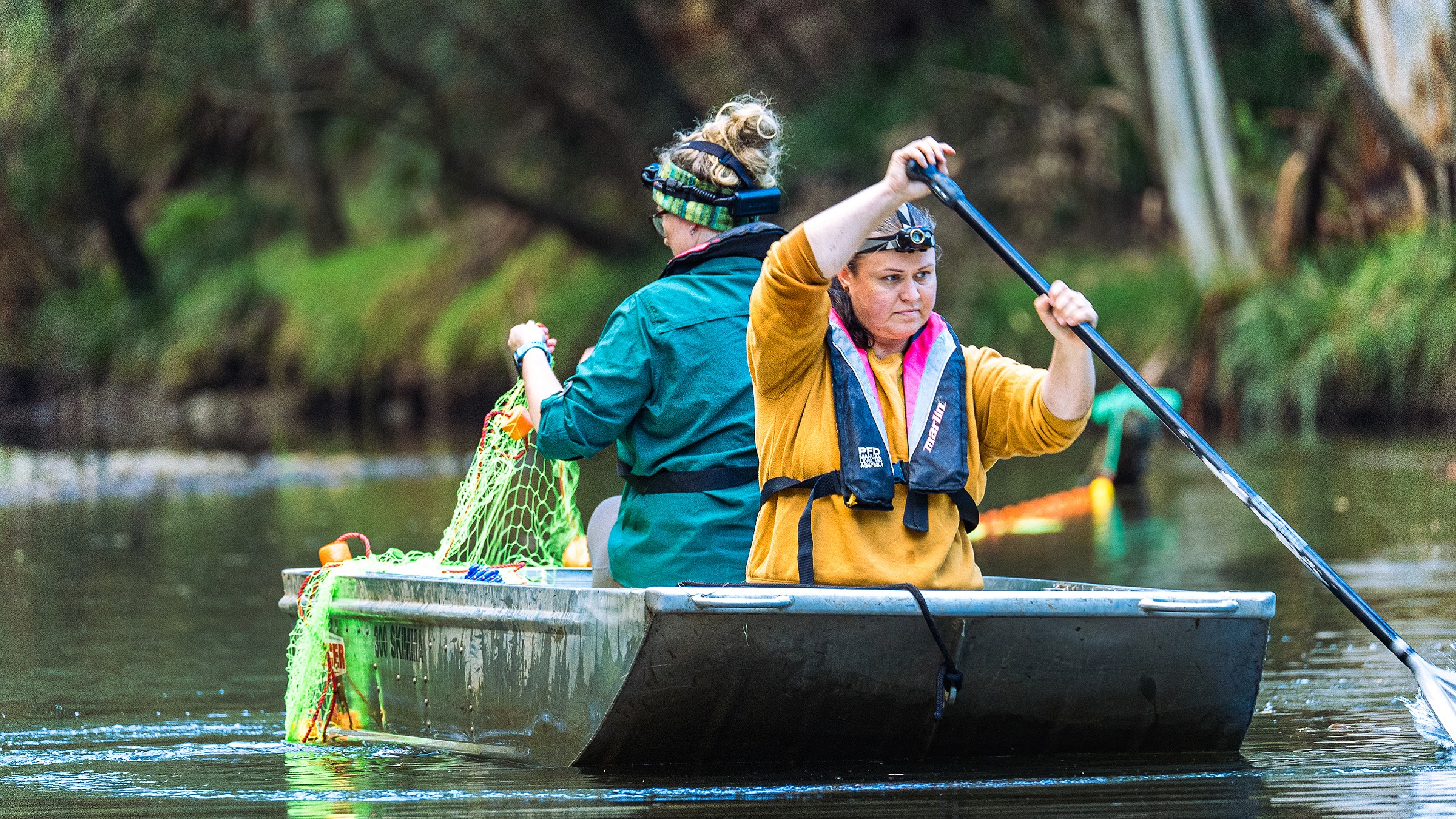
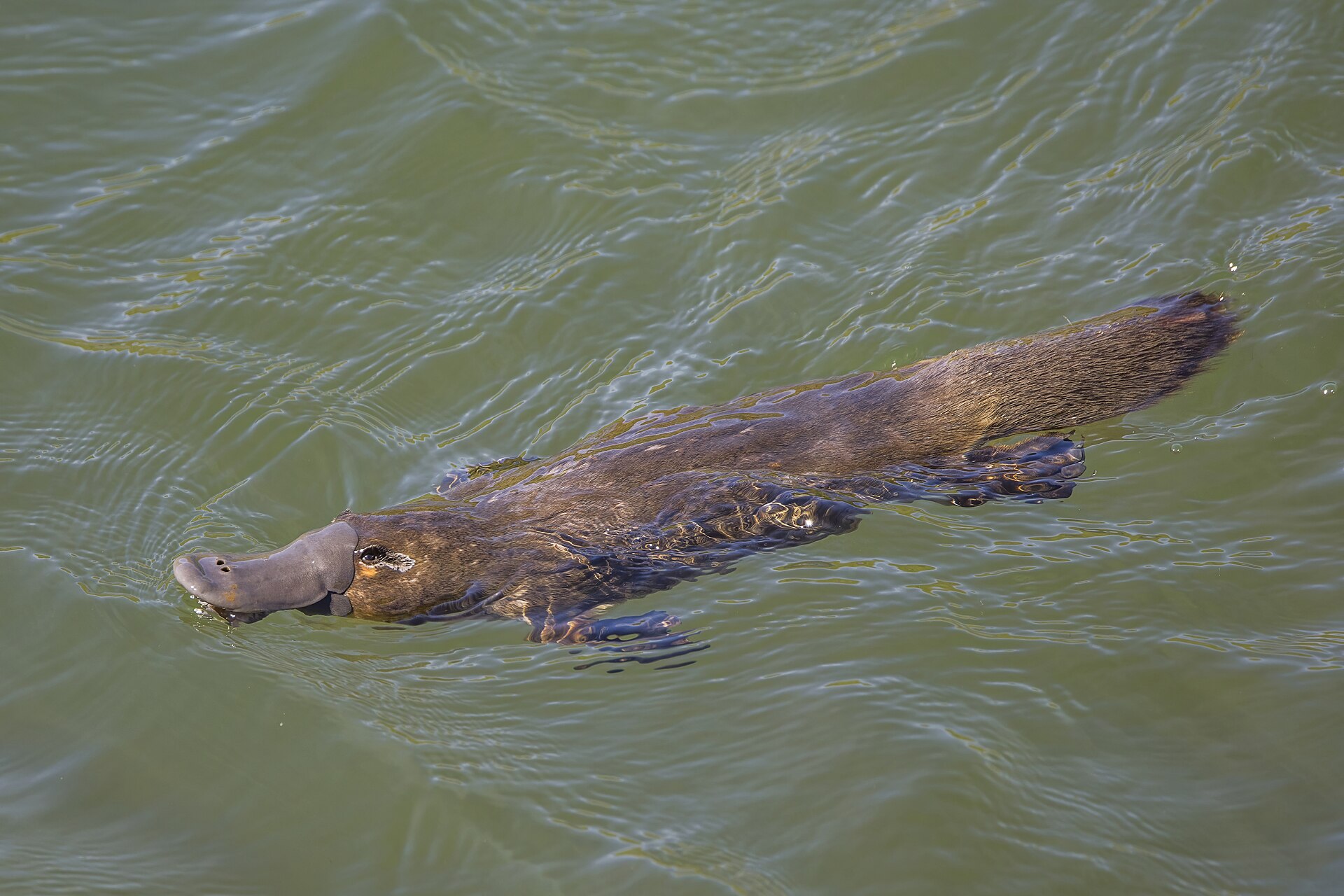
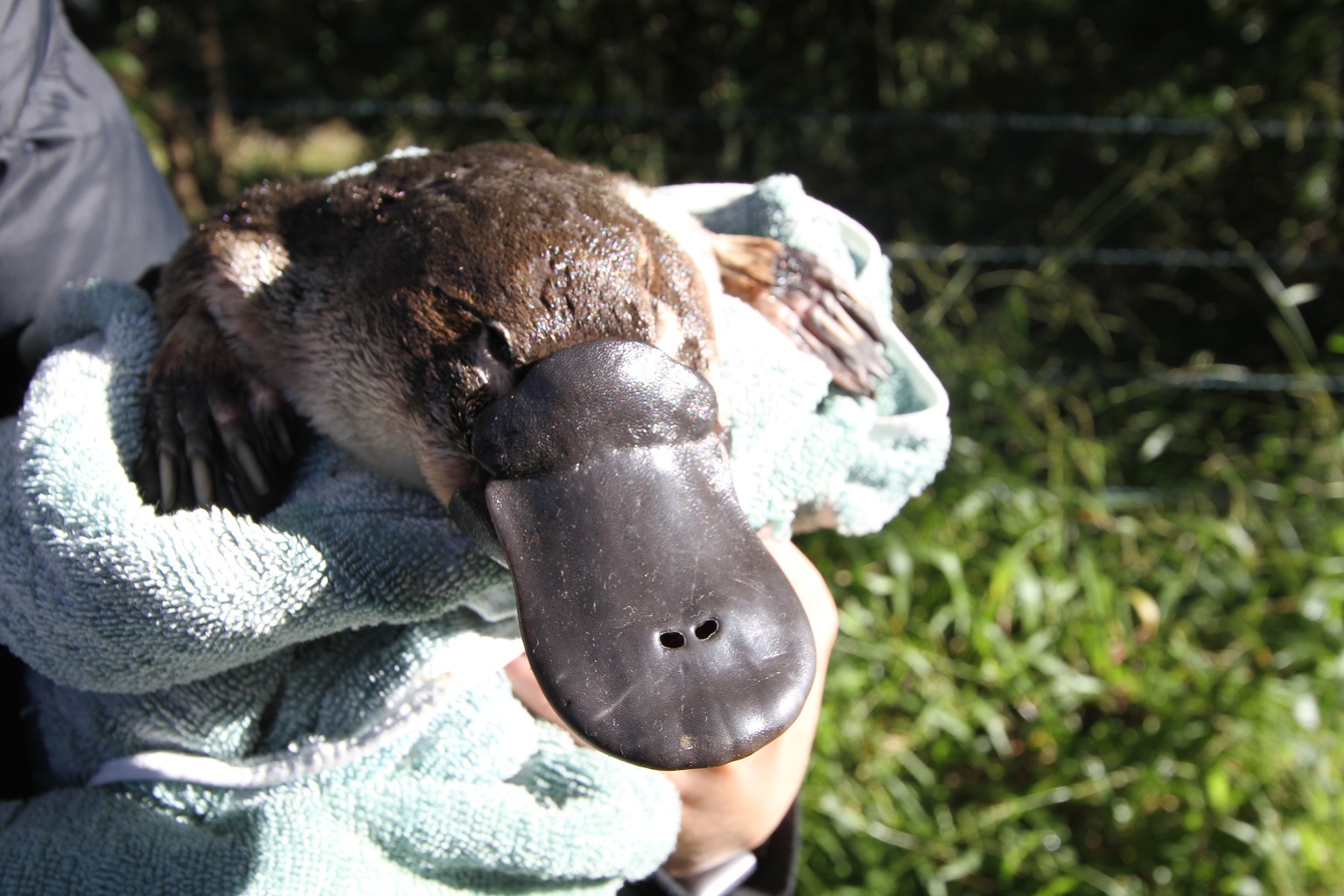
Australia’s best-known oddity is also difficult to count, reports contributor Paul Harvey for Mongabay. It feeds around dawn and dusk, spends much of its life underwater in rivers, and leaves few obvious signs. That makes its decline harder to measure and harder to manage. The IUCN Red List classifies the species as near threatened, based on an estimate of about 50,000 animals, though researchers say the true number is uncertain.
That uncertainty has become more important as pressure on rivers increases. Drought can shrink the pools where platypuses feed. Bushfires can damage riverbanks and nearby vegetation. Floods can inundate burrows before animals can escape. Pollution from wastewater, mining, industry, and urban runoff can reduce the aquatic invertebrates that make up much of their diet.