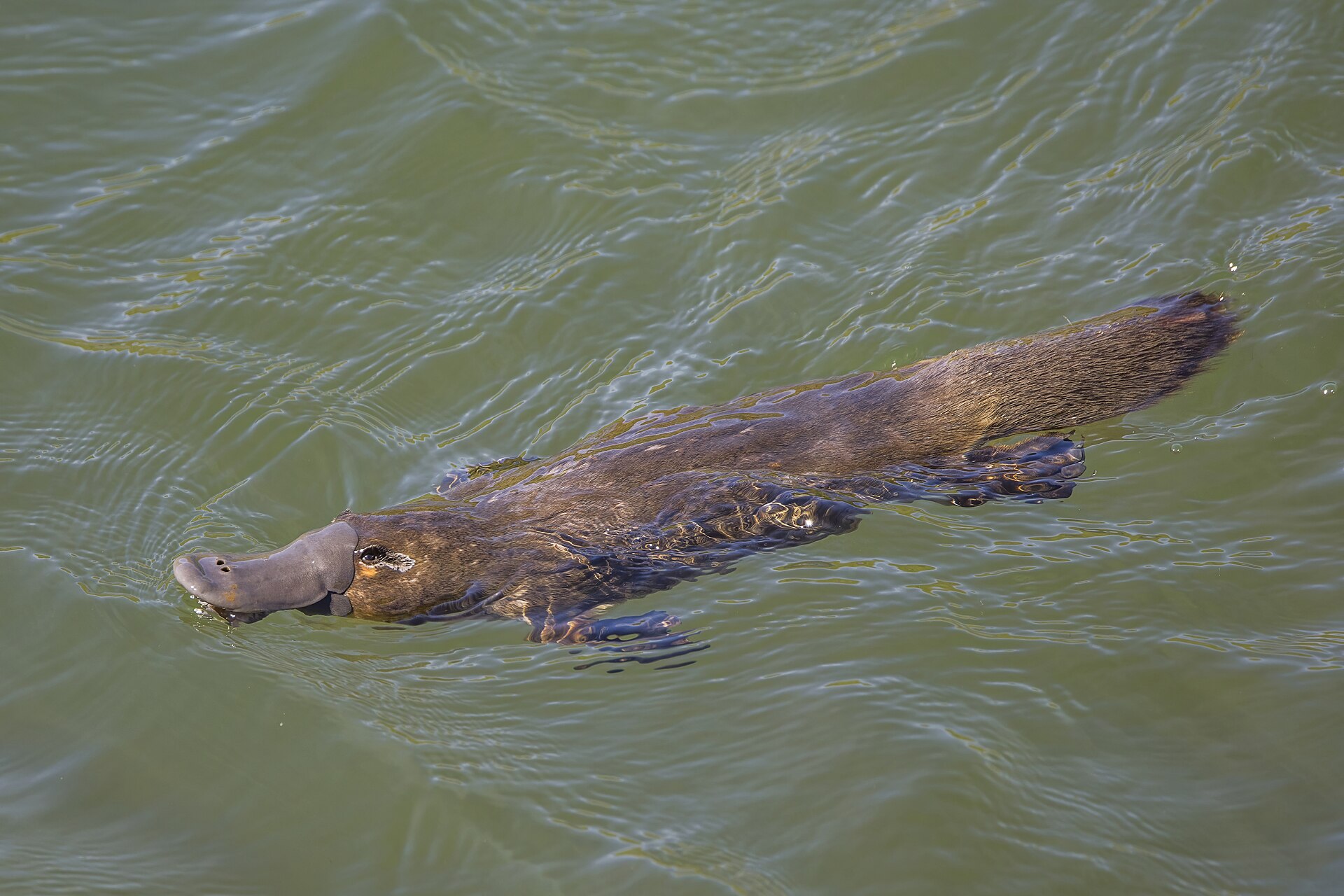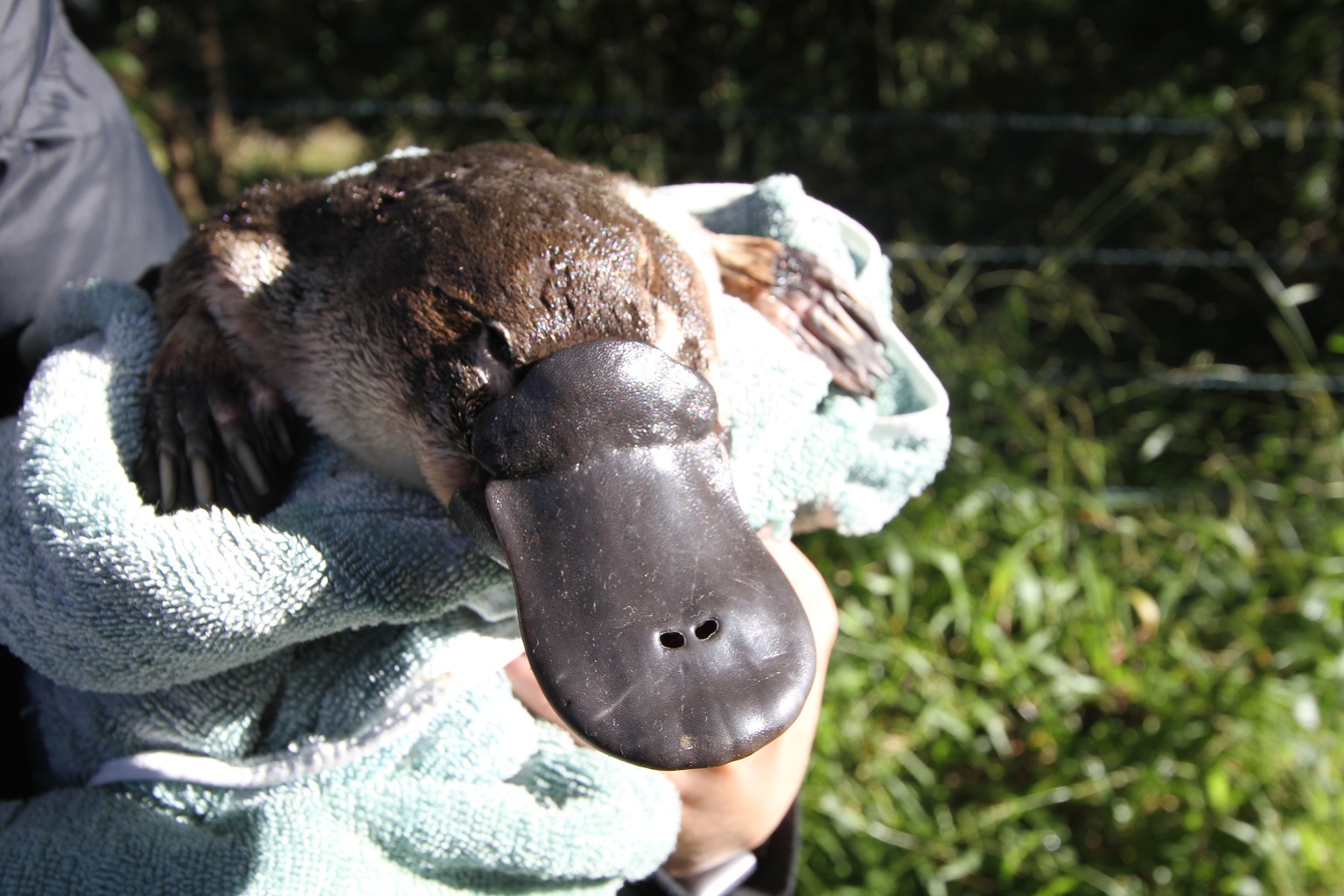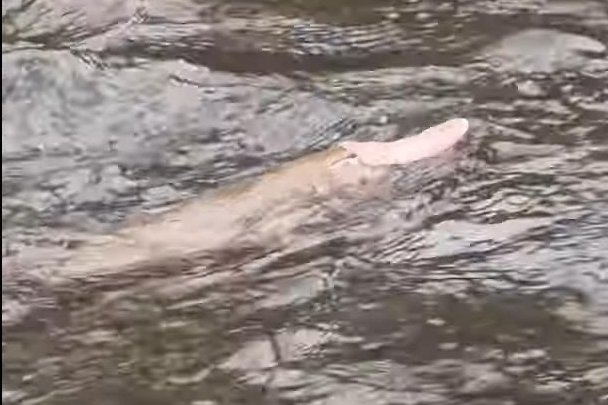
Australia’s iconic platypus is under threat as climate change hits the country hard. Intense heat and longer droughts are parching waterways that platypuses live in; wildfires are more frequent and heavy rainfall events inundate their burrows.Platypuses are elusive animals, primarily active at dawn and dusk, making them difficult to locate and count, which hinders conservation efforts. Researchers are working to improve platypus population data.Without comprehensive information on their whereabouts, conservationists can’t intervene early in natural disasters to save platypuses.Australia’s intense three-year drought and the following 2019-2020 “Black Summer” bushfires led to new ways to manage wild platypus populations during natural disasters. Now, a new framework outlines ways to save populations in crisis: whether to help animals in situ or deciding to move them.
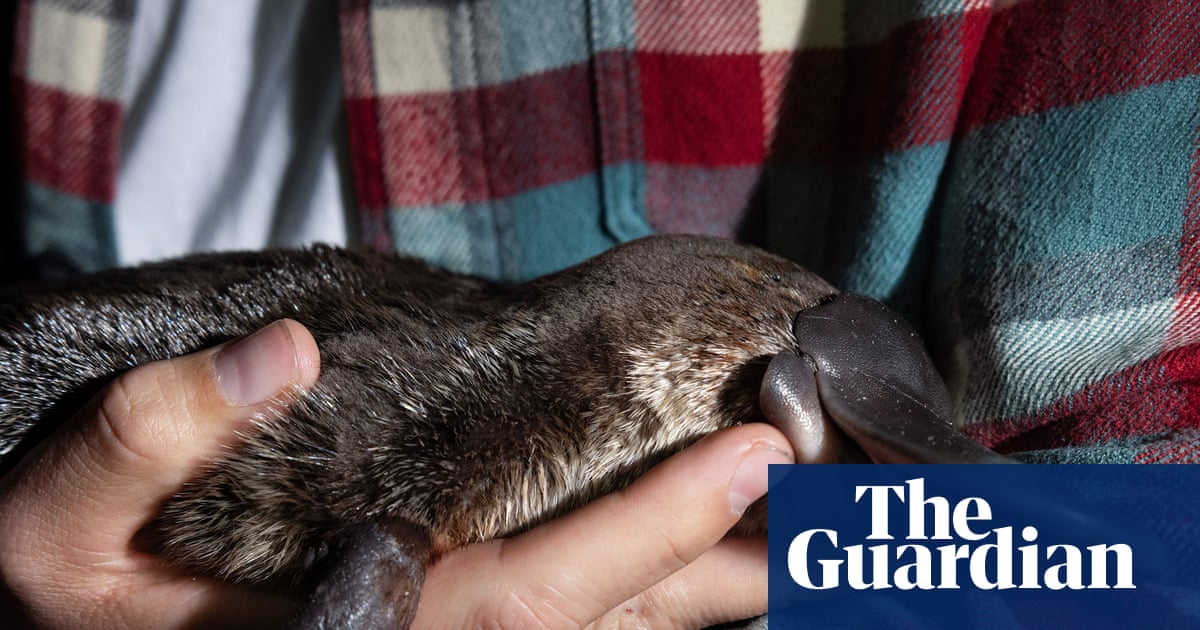
The platypus is an evolutionary anomaly. This duck-billed, semiaquatic mammal is both unique and rare. It’s just one of five egg-laying mammals on the planet. It nurses its young. And it also has reptilian traits: It has a cloaca, maintains a low body temperature (32° Celsius, or 90° Fahrenheit) and males have venomous spurs.