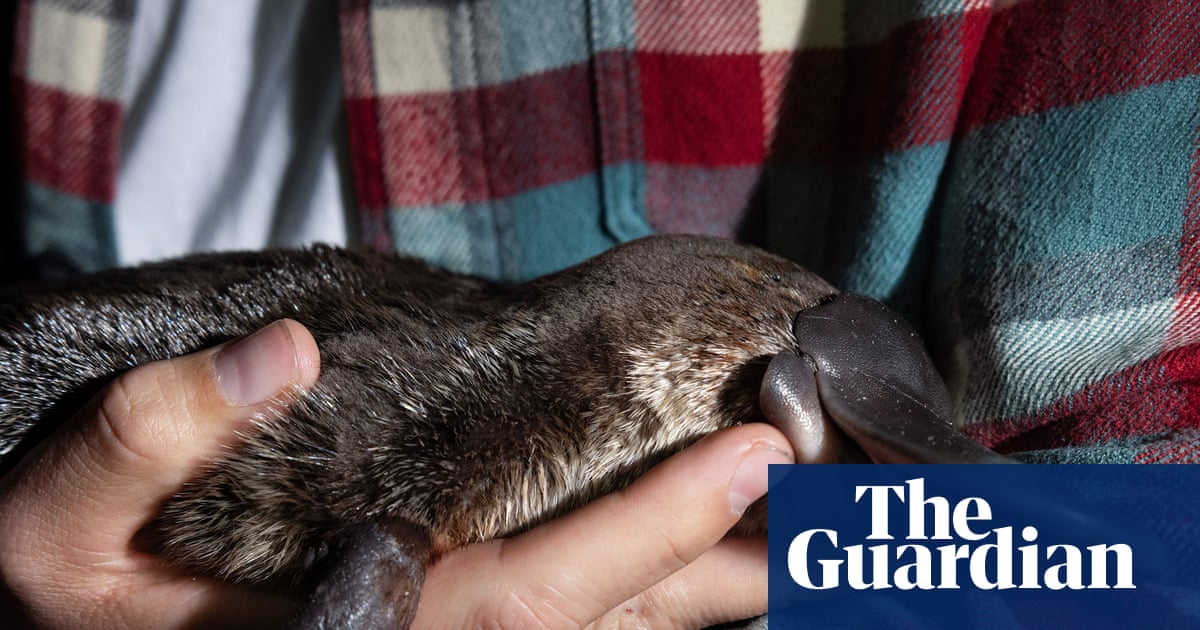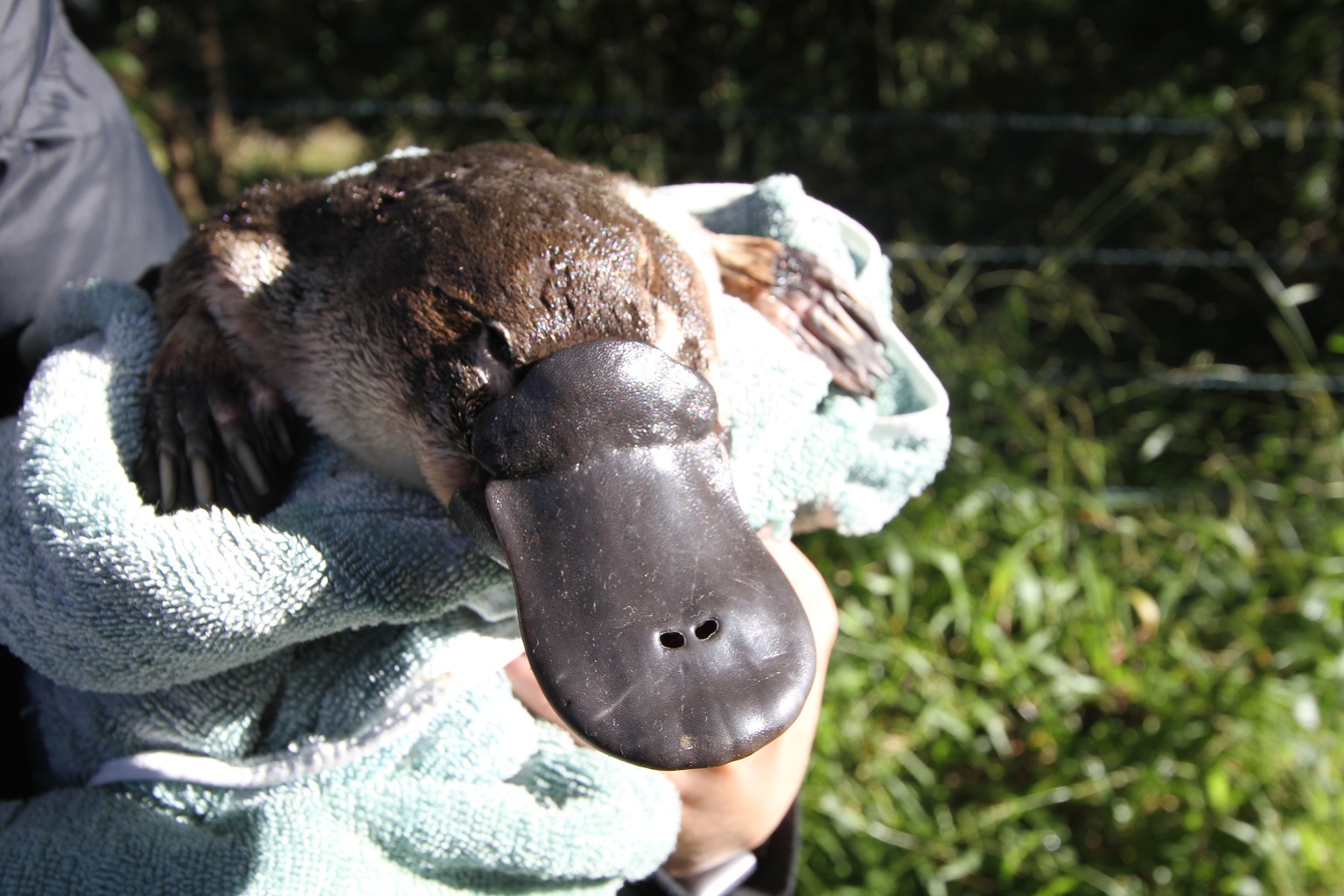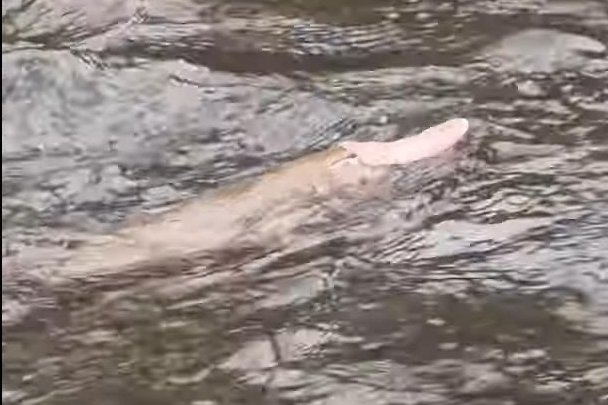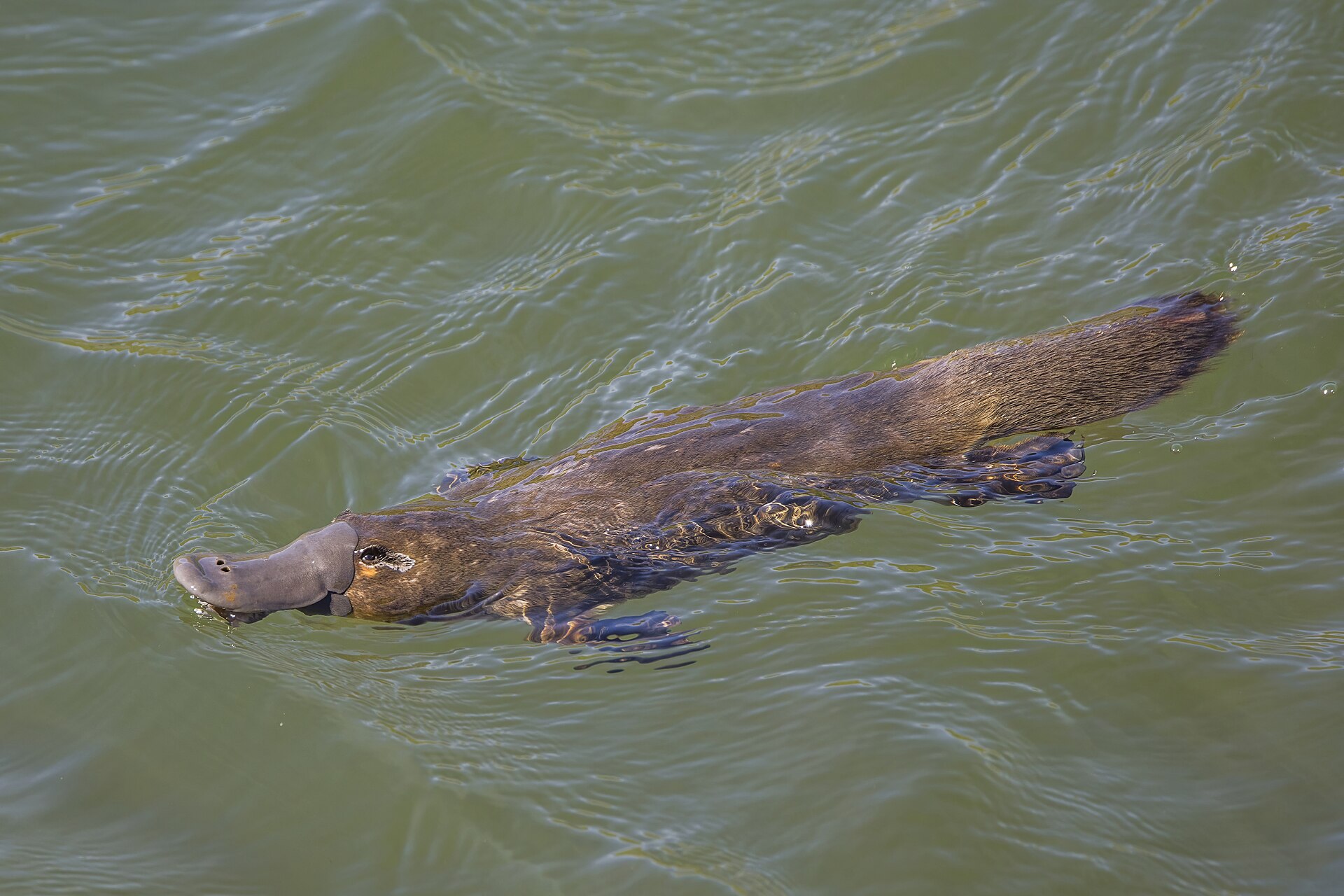
Platypuses reintroduced to Australia’s oldest national park are breeding and appear to be on a good population trajectory with 20 known individuals now, scientists say.
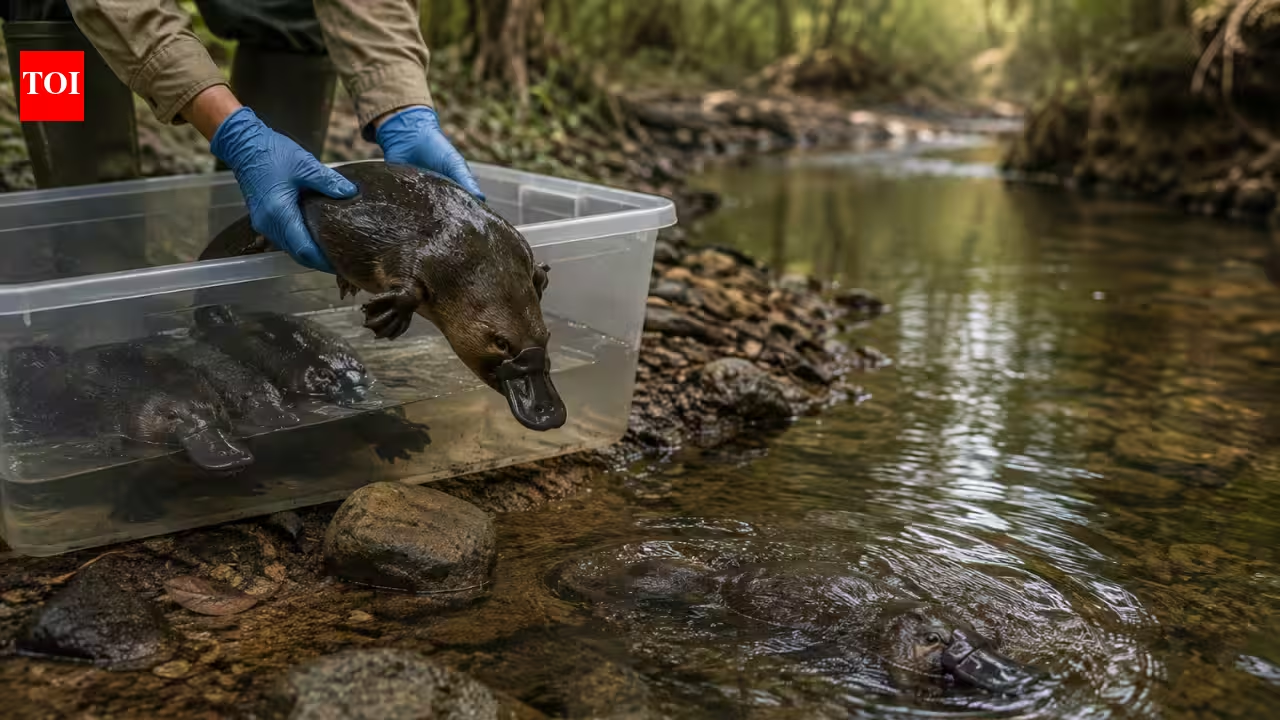
For more than 50 years, the platypus (Ornithorhynchus anatinus), a semiaquatic, egg-laying mammal, had been absent from Royal National Park, a protected area located just south of Sydney in the Australian state of New South Wales. A reintroduction program was initiated in 2023, led by Gilad Bino from the University of New South Wales (UNSW) and a co-founder of the Platypus Conservation Initiative.
“It is a privilege to be part of bringing platypuses back to a part of their former range where they had been missing for generations,” Bino said in a statement.
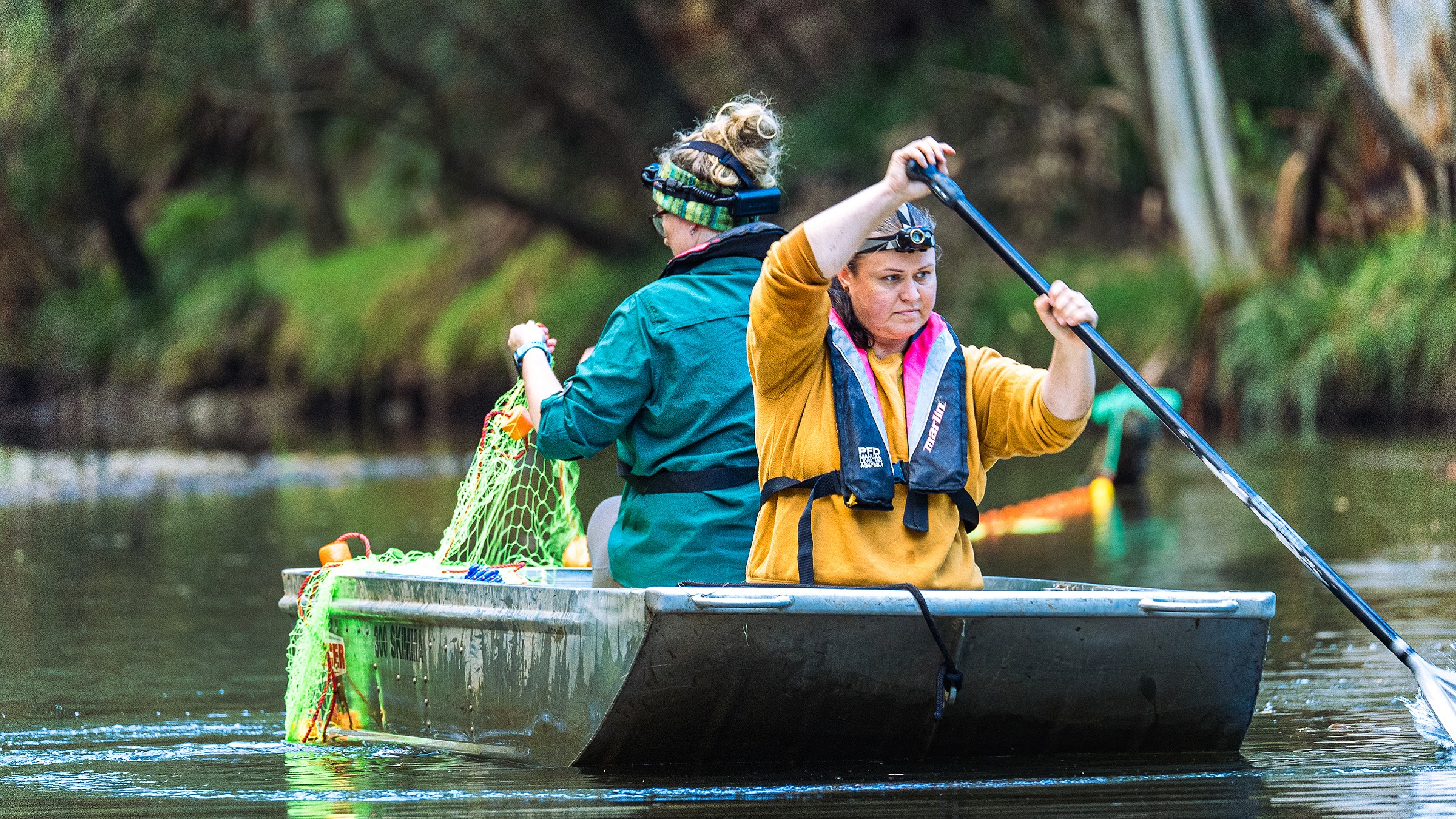
In 2023, researchers first introduced a founding group of 10 platypuses to the Hacking River that flows through the national park. A second group of three animals followed in 2025. Each animal was fitted with a transmitter to allow scientists to monitor their survival, movements, and breeding.
In May 2026, researchers introduced four more platypuses sourced from healthy populations: two males they named Absinthe and Duckie, and two females they named Dawn and Hydra. At the same time, the researchers carried out extensive surveys and found 20 known individuals. More individuals could be present that were missed.