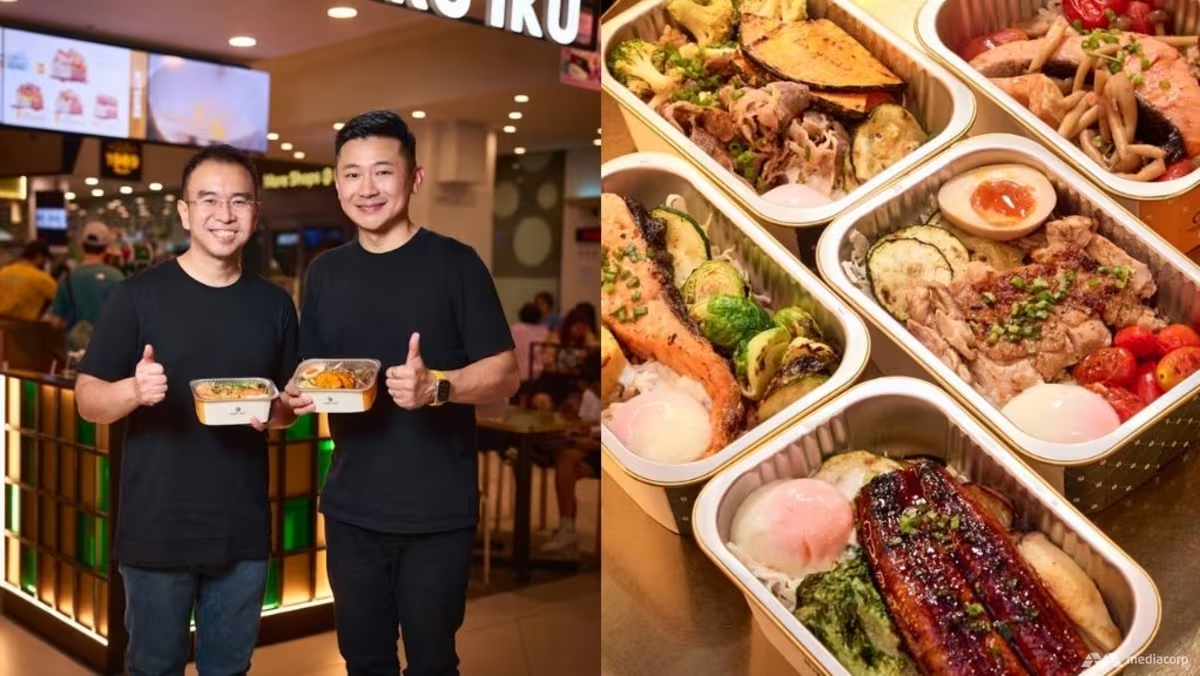
Wok Hey needs little introduction. Since launching in 2017, the halal homegrown brand has become a familiar sight with its bright yellow takeaway kiosks located islandwide serving stir-fried rice and noodles.What you might not know is that the two-year-old halal Japanese grill concept Niku Iku is run by the very same founders: Former Republic of Singapore Air Force engineers turned F&B entrepreneurs Jake Chia, 43, and Huang Changyong, 42.
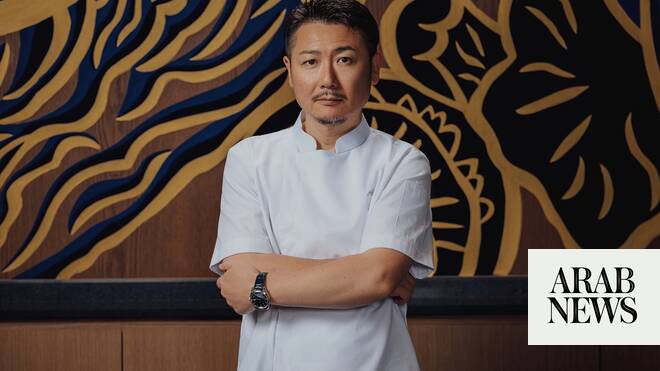
The founders of Wok Hey, who once used to be aircraft engineers in the RSAF – Huang Changyong (left) and Jake Chia (right). (Photo: 8Days/Dillon Tan)
With the opening of Niku Iku's latest outlets at Our Tampines Hub and Lot One in May, the pair have introduced seating areas for the first time, moving the concept beyond its grab-and-go roots. It marks a new chapter for the duo, who have grown Wok Hey into a mini empire with 45 outlets in Singapore and five more in Kuala Lumpur, while Niku Iku now counts 11 outlets islandwide. 8days.sg catches up with the founders at the new dine-in Tampines outlet.Long before they were slinging fried rice, Chia and Huang were aircraft engineers in the RSAF, having joined the military after completing their engineering degrees. Both were in-charge of the maintenance and repair of aerosystems.After four and six years in the forces respectively, both men started thinking seriously about what came next. “I just thought it was time to embark on a fresh challenge in life,” says Huang. “I was interested in building a business, something that could add value to people’s lives.”Both describe themselves as foodies, and the idea of creating an F&B concept from scratch excited them more than another engineering or corporate role. Chia also spotted a gap in the market for affordable, customisable zi char-style food served quickly and conveniently. The pair saw potential in the takeaway kiosk format and invested a six-figure sum to open Wok Hey’s first outlet at Bugis Junction in 2017.The journey was far from smooth sailing. The pandemic, they say, was the lowest point. “Our staff couldn't be cross-deployed the way we normally would. Operations were disrupted and every day brought a new restriction we had to adapt to. We were navigating in the dark, in real time, with no playbook,” says Chia.